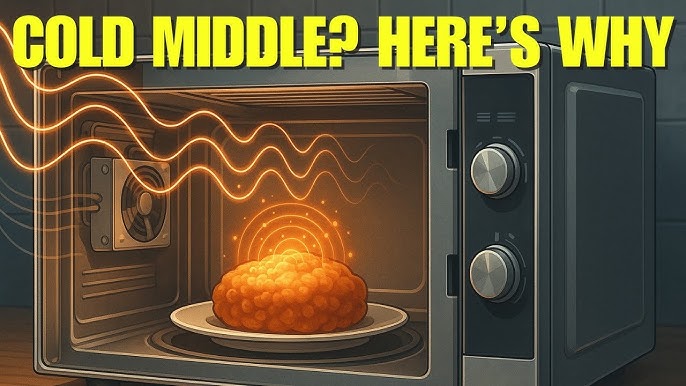
Have you ever wondered just how hot your microwave oven gets? You might think it heats food like a regular oven, but the truth is more surprising.
Understanding how hot your microwave gets can help you use it more safely and effectively. You’ll discover what really happens inside your microwave, why some foods heat unevenly, and how to avoid common mistakes that could ruin your meal or even cause accidents.
Keep reading to unlock the secrets behind your microwave’s heat and become smarter in the kitchen.
Microwave Oven Basics
Microwave ovens are essential kitchen appliances. They make cooking fast and easy. Understanding how they work helps in using them effectively. Let’s explore their basic workings.
How Microwaves Heat Food
Microwaves use electromagnetic waves to heat food. These waves make water molecules in the food vibrate. Vibration produces heat, warming the food from the inside. This process is quick and efficient.
Not all materials are microwave-friendly. Metals can cause sparks. Use microwave-safe containers only. Glass and certain plastics work best.
Components That Generate Heat
Several components help generate heat in a microwave. The magnetron is key. It produces the microwaves. These waves travel through the waveguide. They reach the food in the cooking chamber.
The turntable ensures even heating. It rotates the food for uniform exposure. The fan distributes the heat throughout the chamber. Safety features prevent overheating.
Temperature Inside A Microwave
The temperature inside a microwave oven changes as it cooks food. Unlike traditional ovens, microwaves heat food by making water molecules move fast. This movement creates heat inside the food, not in the oven itself. The oven’s interior does not get as hot as the food does.
The temperature inside the microwave depends on how long and at what power level it runs. It can heat food to very high temperatures quickly, but the air inside stays cool. This makes microwaves efficient and safe to use without heating the whole kitchen.
Heat Levels During Cooking
Microwave ovens use different power levels to control heat. High power cooks food faster and heats it more. Lower power heats food slowly and evenly. This helps avoid overcooking or burning.
- High power: heats quickly, best for liquids and small items
- Medium power: cooks food more evenly without drying
- Low power: good for defrosting or gentle warming
The actual temperature inside the food can reach above 212°F (100°C), which boils water. The microwave oven’s walls stay near room temperature. Heat comes mainly from the food, not the oven itself.
Variations By Food Type
Different foods heat at different rates in a microwave. Foods with high water content heat faster because water molecules absorb microwave energy well. Dry foods or those with less water heat slower.
- Soups and sauces heat quickly and evenly
- Meats heat slower, sometimes unevenly
- Baked goods may heat unevenly and need stirring
Some foods may develop hot spots due to uneven heating. Stirring or letting food rest helps spread heat. Temperature inside food varies by type, shape, and size.
Surface Heat Of A Microwave Oven
The surface heat of a microwave oven is an important aspect to understand. Unlike the inside, which heats food through microwaves, the outer surface can become warm. This warmth comes from the heat transferred by the food and the internal parts during operation.
Knowing how hot the surface can get helps prevent burns and ensures safe use. The temperature varies depending on the microwave model and cooking time. Usually, the surface is warm but not dangerously hot.
External Heat During Operation
The outer surface of a microwave oven heats up mainly due to heat radiation from inside. The heating elements and hot food inside transfer heat to the metal and plastic parts.
During long cooking times, the surface can become noticeably warm. The front glass door often stays cooler because it is designed to block microwaves and allow viewing.
Some older or less insulated models may get hotter outside. Newer models usually have better insulation to keep the surface cooler.
Safety Precautions
- Do not touch the microwave surface immediately after use.
- Keep children away from the microwave during and shortly after cooking.
- Use oven mitts if you need to move the microwave or handle the door.
- Place the microwave on a stable, heat-resistant surface.
- Regularly check for signs of damage or overheating on the exterior.

Credit: shop.sharpusa.com
Heat Distribution Patterns
Understanding how heat spreads inside your microwave oven can change how you cook and reheat food. Heat distribution patterns explain why some areas inside the microwave get hotter while others remain cool. Knowing this helps you avoid uneven cooking and ensures your meals are heated just right every time.
Hot Spots And Cold Spots
Microwaves don’t heat food evenly. Some areas, called hot spots, receive more microwave energy, making them hotter. Others, known as cold spots, get less energy and stay cooler.
Have you ever noticed parts of your leftovers steaming hot while other bits are still cold? That’s a clear sign of uneven heat distribution. This happens because microwave waves bounce inside the oven and interfere with each other, creating spots with more or less energy.
To manage this, try stirring your food midway or rearranging items during cooking. This simple step can help heat your meal evenly and avoid those frustrating cold bites.
Role Of Turntables
The turntable inside your microwave plays a crucial role in improving heat distribution. By slowly rotating your food, it exposes different parts to the microwave energy, reducing cold and hot spots.
Without a turntable, food stays in one place, which means certain areas may overcook while others remain cool. I’ve noticed that meals heated on a stationary plate often come out uneven, but using the turntable makes a big difference.
Not all microwaves have turntables; some use a rotating antenna or stirrer fan instead. If your microwave lacks a turntable, try pausing the cooking halfway to rotate your dish by hand. This simple action can mimic the turntable’s effect and give you better results.
Comparing Microwave Heat To Other Appliances
Understanding how hot a microwave oven gets compared to other kitchen appliances can help you make better cooking choices. Microwaves heat food differently than traditional ovens or stovetops, affecting cooking time and energy use. Let’s look closely at how microwave heat stacks up against other common appliances.
Microwaves Vs Conventional Ovens
Microwave ovens heat food by causing water molecules to vibrate, generating heat quickly inside the food. Conventional ovens, however, heat the air around the food, which then cooks it more slowly and evenly. This means microwaves can heat food faster but may not always brown or crisp it like a conventional oven does.
Conventional ovens typically operate between 300°F and 500°F (150°C to 260°C), while microwaves usually heat food internally without exceeding about 212°F (100°C) — the boiling point of water. So, microwaves don’t get “hot” in the same way ovens do; instead, they heat food directly.
Energy Efficiency And Heat Output
Microwaves use less energy because they focus heat directly on the food instead of heating the entire oven space. This efficiency often means shorter cooking times and less wasted energy. For example, reheating a cup of coffee in a microwave takes seconds and uses much less electricity than heating a conventional oven to reheat the same amount.
However, if you’re cooking large or dense items, a conventional oven’s steady and higher heat output might be more effective. Think about roasting a whole chicken—microwaves can’t create the dry, high heat needed for crispy skin, which conventional ovens handle well.
Have you ever noticed how quickly your microwave heats leftovers but fails to give them that fresh-from-the-oven texture? That’s because it’s all about how heat is applied. Understanding these differences can help you decide which appliance to use for each meal.
Credit: www.tataneu.com
Impact Of Microwave Heat On Food Quality
Microwave ovens use heat to cook food quickly by vibrating water molecules. This heat affects food quality in various ways. Understanding these effects helps in cooking better meals with a microwave.
Nutrient Retention
Microwaving often preserves more nutrients than other cooking methods. The short cooking time reduces nutrient loss. Water-soluble vitamins like vitamin C stay intact better. Less water is used, so fewer nutrients wash away. Overcooking in a microwave can still cause nutrient damage. Using low power settings helps keep nutrients safe.
Texture And Flavor Changes
Microwave heat cooks food unevenly sometimes. This can change the texture, making some parts soft and others tough. Foods with high water content tend to steam inside, keeping moisture. Dry foods may become hard or rubbery. Flavor may weaken due to fast heating. Stirring food during cooking improves texture and taste. Covering food helps trap steam for better results.
Common Myths About Microwave Heat
Microwave ovens often get misunderstood, especially about how hot they get. Many people believe things that are not true. These common myths can cause confusion and fear. It helps to clear up these wrong ideas. Let’s look at some popular myths about microwave heat.
Radiation Vs Heat Confusion
People often mix up radiation with heat. Microwaves use radiation, but it is not like the radiation from the sun or X-rays. The radiation in microwaves is a type of energy that makes water molecules move fast. This movement creates heat inside the food. The microwave itself does not get hot like a stove or oven.
Radiation in microwaves does not make the food radioactive. It only heats the food quickly. The heat comes from the food’s water molecules vibrating, not from the microwave’s surface.
Safety Myths Debunked
Many think microwaves are unsafe. Some say microwaves cause cancer or health problems. Science shows these claims are false. Microwaves cook food safely when used right. The oven’s metal walls keep radiation inside. It stops any leakage that could harm people.
Another myth says that microwaved food loses nutrition. This is not true. Microwaving often keeps more vitamins than boiling. It cooks food fast, which protects nutrients.

Credit: shop.sharpusa.com
Tips For Safe Microwave Use
Using a microwave oven safely helps prevent accidents and injuries. Microwaves heat food unevenly, so extra care is needed. Following simple safety tips protects you from burns and food hazards. Understanding the right containers and covers improves cooking results and safety.
Avoiding Burns
Microwaved food and containers can get very hot. Steam can cause sudden burns when opening covers. Use oven mitts or thick cloths to handle hot dishes. Let food sit for a moment after cooking to allow heat to spread evenly. Stir liquids before drinking to avoid hot spots that burn your mouth.
Proper Containers And Covers
Choose microwave-safe containers made of glass, ceramic, or plastic. Avoid metal or aluminum foil, which can cause sparks. Use vented covers or microwave-safe lids to prevent splatters. Covers keep moisture in, helping food cook evenly. Do not seal containers tightly, as steam needs to escape safely.
Frequently Asked Questions
How Hot Does A Microwave Oven Get Inside?
Microwave ovens heat food by exciting water molecules, reaching temperatures around 212°F (100°C) inside the food. The oven cavity itself stays cooler, as microwaves heat the food directly, not the air or interior surfaces.
Can A Microwave Oven Cause Burns?
Yes, microwave ovens can cause burns from hot food or steam. Containers and food can become very hot quickly, so use caution and protective gear when removing items.
Does Microwave Heat Food Evenly?
Microwaves can heat food unevenly due to wave patterns and food shape. Stirring or rotating food helps distribute heat more evenly for safer consumption.
Is The Microwave Oven Exterior Hot During Use?
Typically, the microwave’s exterior stays cool during operation. However, some heat may transfer from hot containers inside, so avoid touching vents or surfaces immediately after use.
Conclusion
Microwave ovens heat food quickly and unevenly. They use microwaves to excite water molecules inside food. This causes food to get hot, not the oven itself. The temperature inside can reach around 212°F (100°C) when boiling water. Keep in mind, microwave ovens don’t get as hot as conventional ovens.
Always use microwave-safe containers to avoid hazards. Understanding how hot a microwave gets helps use it safely. It also improves cooking results and prevents accidents. Remember, microwaves heat food, not the air inside the oven. Simple and safe use is key.