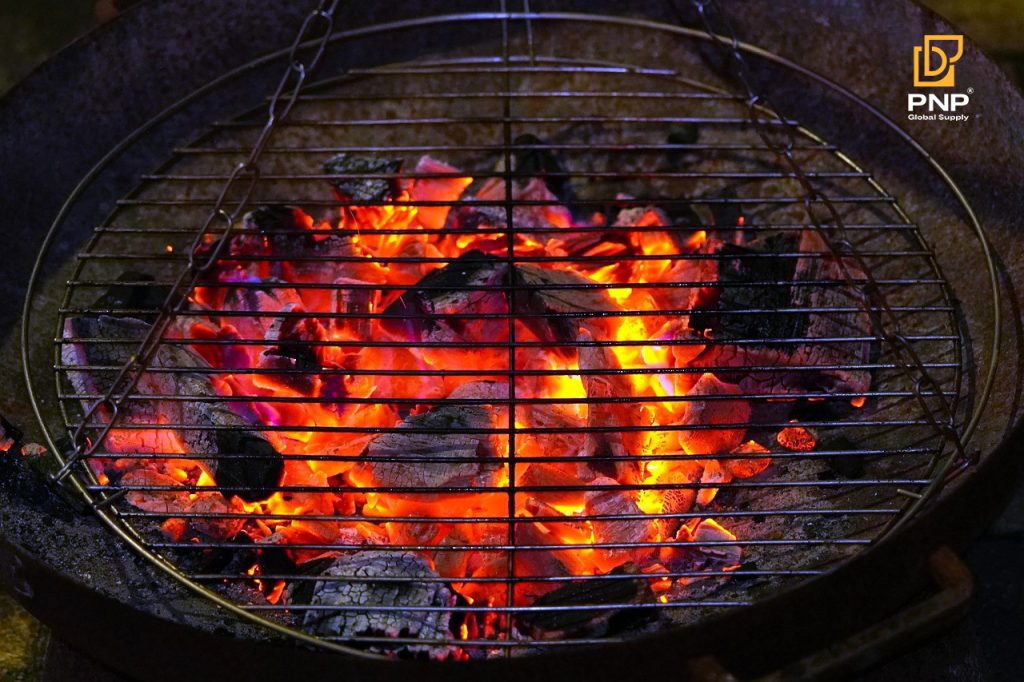
When you fire up your charcoal grill, one big question probably pops into your mind: how hot should it be? Getting the temperature just right can make the difference between juicy, flavorful meals and dry, overcooked food.
You want your grill to work for you, not against you. In this post, you’ll discover simple tips to master your charcoal grill’s heat. Whether you’re cooking burgers, steaks, or veggies, knowing the perfect temperature will boost your confidence and impress everyone at your next barbecue.
Keep reading to unlock the secrets of grilling like a pro!
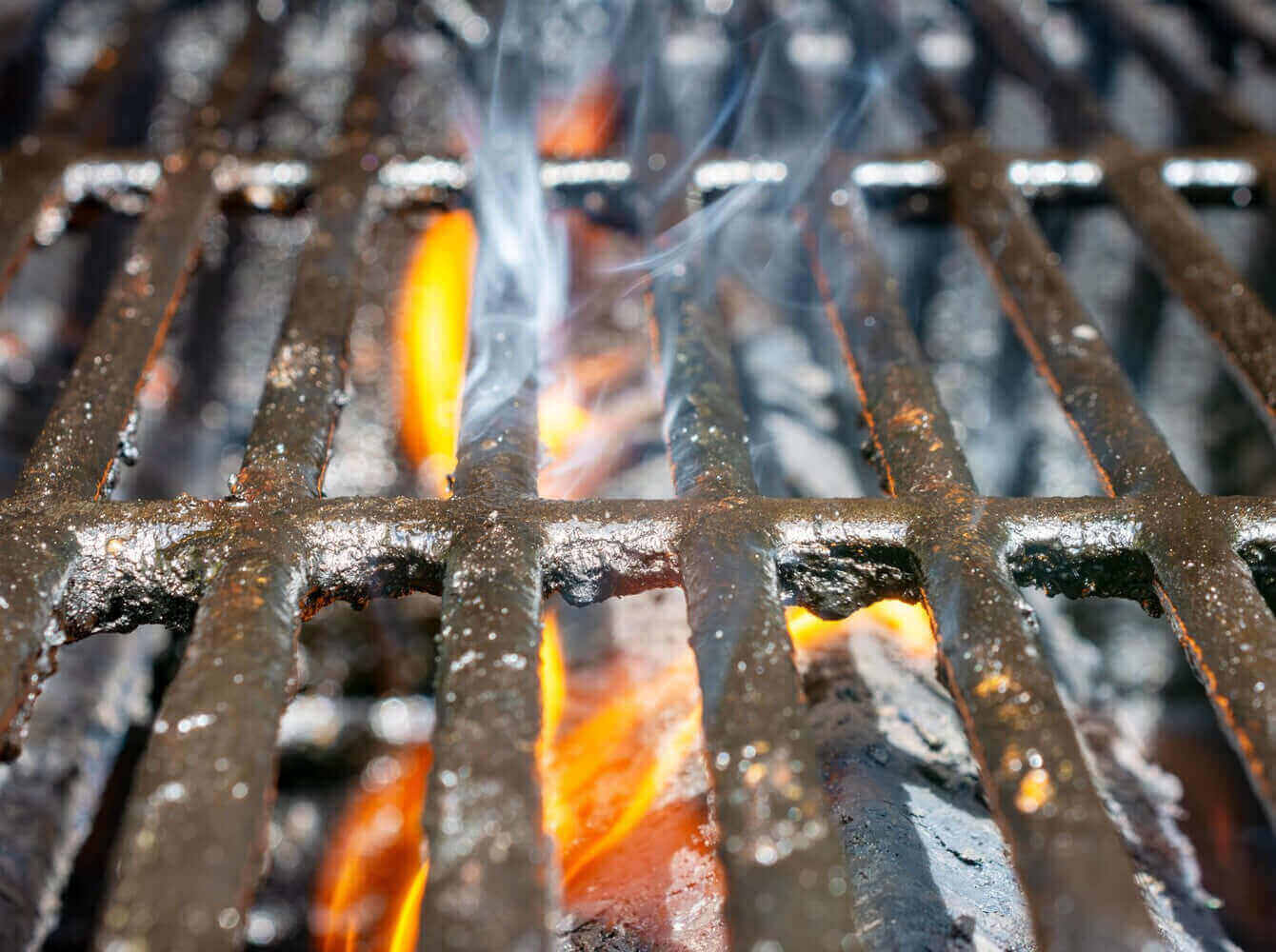
Credit: ddrbbqsupply.com
Ideal Temperature Ranges
Knowing the right temperature for your charcoal grill helps cook food perfectly. Different foods need different heat levels.
Controlling the heat can improve taste and texture. Let’s explore the main temperature ranges for charcoal grilling.
Low Heat For Slow Cooking
Low heat means about 225°F to 275°F (107°C to 135°C). Use this heat to cook food slowly and gently.
This heat range is best for large cuts of meat like ribs or brisket. It helps break down tough fibers without burning.
- Use indirect heat by placing coals on one side
- Keep the grill lid closed to hold temperature
- Cook for several hours for tender results
Medium Heat For Versatile Grilling
Medium heat is usually 300°F to 400°F (149°C to 204°C). It works well for most grilling tasks.
This range cooks vegetables, chicken, and fish evenly. It gives a good balance of cooking speed and flavor.
- Place coals evenly under the grill grate
- Turn food often to avoid burning
- Ideal for burgers, sausages, and veggies
High Heat For Searing
High heat is above 450°F (232°C). Use it to sear meat and lock in juices quickly.
This temperature is perfect for steaks and chops. It creates a crispy outside and a juicy inside.
- Spread coals close together for intense heat
- Keep grilling time short to avoid burning
- Use direct heat and flip food once
Measuring Grill Temperature
Knowing the right temperature of your charcoal grill helps cook food perfectly. You can check the heat with different tools and ways.
Measuring the grill temperature ensures your food cooks evenly and tastes great. Use simple techniques to find the best heat level.
Using A Grill Thermometer
A grill thermometer shows the exact temperature inside your grill. It is easy to use and helps you avoid guessing.
Place the thermometer on the grill grate or inside the lid. Wait a few minutes for the reading to stabilize before cooking.
- Insert the thermometer into the grill grate area
- Read the temperature after it stops changing
- Adjust charcoal or vents to reach the right heat
Hand Test Method
The hand test is a simple way to feel grill heat without tools. Hold your hand near the grill and count seconds before moving it.
This method helps estimate if the grill is low, medium, or hot. It is quick but less exact than a thermometer.
- Hold your hand 5 inches above the grill grate
- Count how many seconds you can keep your hand there
- 2 seconds means very hot (450°F+)
- 4 seconds means medium heat (350-450°F)
- 6 seconds means low heat (250-350°F)
Infrared Thermometers
Infrared thermometers measure surface temperature without touching the grill. Point the device at the grill grate for a quick reading.
They give fast results and help check hot spots on your grill. Keep the device steady for accurate numbers.
- Aim the laser at different grill areas
- Read the surface temperature on the screen
- Use readings to move food to hotter or cooler spots
- Do not point at flames directly
Controlling Charcoal Heat
Getting the right heat on a charcoal grill is key. It affects how your food tastes and cooks. Learn to control the heat for better grilling results.
There are several methods to manage the heat. Adjusting air vents, arranging charcoal properly, and adding more charcoal can help.
Adjusting Air Vents
Air vents are vital for controlling grill temperature. Opening vents lets in more air and increases heat. Closing them reduces airflow and cools the grill.
- Open vents for higher temperature.
- Close vents to lower heat.
- Monitor grill temperature regularly.
Charcoal Arrangement Techniques
How you arrange charcoal affects cooking. Different setups give different heat zones. This can be used for direct or indirect grilling.
| Arrangement | Heat Zone |
| Single Layer | Even Heat |
| Two-Zone Setup | Hot and Cool Zones |
| Charcoal Pile | High Heat |
Adding More Charcoal
To maintain heat, add charcoal as needed. Adding more can keep the grill hot for longer cooking sessions. Be careful when adding to avoid flare-ups.
Heat Zones On The Grill
Understanding heat zones helps you cook food evenly on a charcoal grill. Different areas of the grill get hotter or cooler.
Using heat zones lets you control cooking times and keep food juicy. It also prevents burning or undercooking.
Creating Direct Heat Zones
Direct heat zones are the hottest parts of the grill. They sit right above the charcoal, perfect for fast cooking.
Place the charcoal evenly under one side of the grill. This creates a high-heat area for searing or grilling quickly.
- Use this zone for steaks, burgers, and thin cuts of meat
- Turn food often to avoid burning
- Ideal temperature is between 450°F and 600°F
Setting Up Indirect Heat Areas
Indirect heat zones are cooler parts of the grill. They are away from the charcoal or have fewer coals under them.
This zone cooks food slowly, letting it stay tender and juicy. It is good for bigger or tougher cuts.
- Place charcoal on one side, leave the other side empty
- Use the empty side for indirect cooking
- Temperature here ranges from 225°F to 350°F
Using Heat Zones For Different Foods
Different foods need different heat zones. Use direct heat for quick cooking and indirect heat for slow cooking.
Move food between zones to avoid burning or undercooking. This helps cook food evenly and keeps flavors.
- Direct heat: steaks, burgers, hot dogs, vegetables
- Indirect heat: ribs, chicken, roasts, whole fish
- Start on direct heat to sear, then finish on indirect heat
Temperature Tips For Common Bbq Foods
Grilling with charcoal needs the right temperature for each food. The heat controls how your food cooks and tastes. Using the correct temperature keeps your food juicy and safe to eat.
Check the grill temperature before cooking. Adjust the coals or vents to reach the right heat. This guide helps you know the best temperature for popular BBQ items.
Steaks And Burgers
Steaks and burgers need high heat for a good sear. Hot temperatures lock in juices and create a tasty crust. Use direct heat to cook these quickly.
Keep the grill around 450°F to 550°F (232°C to 288°C). This heat is perfect for cooking steaks and burgers evenly without drying them out.
- Preheat grill to high heat (450°F to 550°F)
- Cook steaks 4-6 minutes per side for medium rare
- Grill burgers 3-5 minutes per side until 160°F inside
- Use direct heat for fast cooking and char marks
Chicken And Poultry
Chicken needs medium heat to cook fully without burning. Use indirect heat for larger pieces like thighs or whole birds. This prevents the outside from burning while inside cooks.
Keep your grill between 350°F and 450°F (177°C to 232°C) for chicken. Use a meat thermometer to check for 165°F (74°C) inside to ensure safety.
- Set grill to medium heat (350°F to 450°F)
- Use indirect heat for thick cuts or whole chicken
- Turn pieces often to avoid burning
- Cook until internal temperature reaches 165°F
Vegetables And Seafood
Vegetables and seafood cook best at medium to medium-high heat. They cook quickly and need gentle heat to keep texture and flavor. Use direct heat but watch closely.
Grill vegetables at 350°F to 450°F (177°C to 232°C). Seafood like fish and shrimp cook well at 400°F to 450°F (204°C to 232°C). Use a grill basket or foil to prevent sticking.
- Grill vegetables at medium heat (350°F to 450°F)
- Cook seafood at medium-high heat (400°F to 450°F)
- Use direct heat but monitor closely
- Turn often to prevent burning
- Cook seafood until opaque and firm

Credit: www.appliancesdirect.co.uk
Avoiding Common Heat Mistakes
Using the right heat on a charcoal grill is important for good cooking. Too much heat can burn food. Too little heat can leave it undercooked.
Many grillers make heat mistakes that ruin their meals. Learning how to control heat helps avoid these problems.
Preventing Flare-ups
Flare-ups happen when fat drips on hot coals and causes flames. These flames can burn your food quickly.
To prevent flare-ups, use lean cuts of meat and trim extra fat. Keep a spray bottle of water nearby to control flames.
- Place coals to one side for indirect cooking
- Keep the grill clean from grease and food bits
- Do not press down on meat, which can cause fat to drip
Maintaining Consistent Heat
Consistent heat means cooking your food evenly. Charcoal can lose heat fast if not managed.
Use a grill thermometer to check the temperature. Add charcoal or adjust vents to keep heat steady.
- Open vents to increase heat
- Close vents to lower heat
- Add small amounts of charcoal as needed
- Avoid lifting the lid too often
When To Open The Grill Lid
Opening the grill lid lets heat escape. This can cause temperature drops and uneven cooking.
Open the lid only to check or turn food. Close it quickly to keep the heat inside.
- Check food after the recommended cooking time
- Turn food only once or twice
- Close the lid immediately after checking
Seasoning And Preheating
Getting the right temperature on a charcoal grill is key. Seasoning and preheating help make sure your food cooks well.
These steps protect your grill and improve the flavor of your food. Knowing how hot the grill should be is important.
Preparing The Grill Grates
Start by cleaning the grill grates with a wire brush. This removes old food and rust.
Next, apply a thin layer of cooking oil to the grates. This helps prevent food from sticking.
- Use high smoke point oil like canola or vegetable oil
- Apply oil with a cloth or paper towel
- Be careful not to use too much oil
Preheat Duration
Preheat your charcoal grill for 15 to 30 minutes. This time heats the grates and charcoal evenly.
The grill is ready when the coals are covered with gray ash. This means the heat is steady.
- Light the charcoal and wait until flames die down
- Spread coals evenly for consistent heat
- Close the lid to keep heat inside
Benefits Of Proper Preheating
Preheating the grill helps food cook faster and more evenly. It also creates nice grill marks.
Proper heat reduces food sticking and makes cleaning the grill easier after cooking.
- Improves flavor and texture of grilled food
- Reduces flare-ups from fat drips
- Prevents food from sticking to grates
- Makes grill cleaning faster and simpler
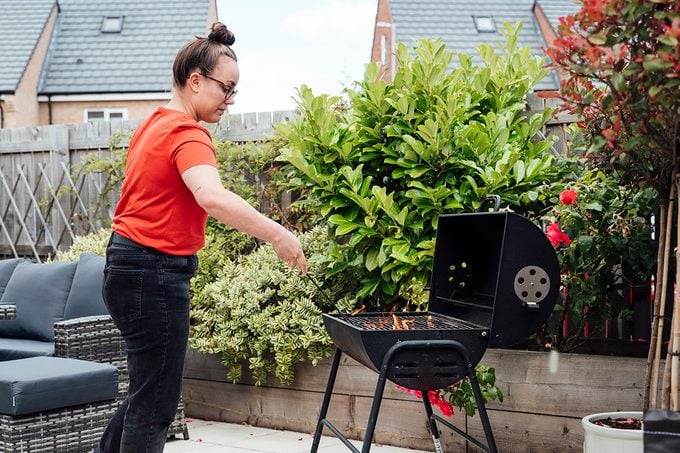
Credit: www.tasteofhome.com
Tools To Enhance Temperature Control
Keeping the right temperature on a charcoal grill is important for good cooking. Many tools help you control heat better. These tools let you cook food evenly and safely.
Using the right equipment makes it easier to manage the fire and keep your grill at the perfect heat. Let’s look at some helpful tools.
Charcoal Baskets
Charcoal baskets hold the charcoal in one place. They help keep the fire steady and avoid moving coals around. This makes it easier to control the heat.
Baskets improve airflow to the charcoal. Good airflow helps the fire burn at the right temperature. You can add or remove charcoal without disturbing the fire.
- Holds charcoal in a tight space
- Improves air flow for even heat
- Makes adding charcoal easier
- Prevents charcoal from falling through grates
Grill Covers
Grill covers keep heat inside the grill. They protect the fire from wind and weather. This helps keep the temperature steady.
Using a cover can raise the inside temperature quickly. It also stops heat from escaping, so you use less charcoal. Covers come in many shapes and materials.
- Traps heat inside the grill
- Protects fire from wind and rain
- Helps reach and hold high temperatures
- Reduces charcoal use
Temperature Monitors
Temperature monitors show how hot your grill is. They help you check the heat without opening the grill. This stops heat from escaping.
Some monitors have probes you put inside the grill. Others attach to the lid. They make it easy to keep the grill at the right temperature for cooking.
- Shows real-time grill temperature
- Prevents opening the lid too often
- Helps cook food evenly
- Available in analog and digital types
Frequently Asked Questions
What Is The Ideal Temperature For A Charcoal Grill?
The ideal charcoal grill temperature ranges from 350°F to 450°F. This range suits most grilling needs. It ensures even cooking and good searing. Adjust coals to control heat levels. Use a grill thermometer for accuracy.
How Do I Measure Charcoal Grill Temperature Accurately?
Use a reliable grill thermometer to measure temperature. Place it on the grill grate near the food. Avoid opening the lid frequently, as it drops heat. Digital thermometers provide quick, precise readings. Regular checks help maintain steady cooking temperatures.
Can Charcoal Grill Temperature Affect Food Taste?
Yes, temperature directly impacts food flavor and texture. High heat sears meat, locking in juices and flavor. Low heat cooks slowly, enhancing tenderness. Incorrect temperature can cause burning or undercooking. Proper heat control ensures delicious, well-cooked meals.
How Long Should Charcoal Burn Before Grilling?
Charcoal should burn for 15 to 20 minutes before grilling. Wait until coals are covered with white-gray ash. This indicates they are hot and ready. Starting too early can cause uneven cooking. Patience ensures perfect grilling temperature.
Conclusion
Knowing the right heat for your charcoal grill makes a big difference. Aim for medium-high heat for most foods. Too hot, and food burns outside but stays raw inside. Too low, and cooking takes too long. Use a grill thermometer to check the temperature.
Practice helps you learn how your grill works best. Enjoy cooking and sharing great meals with friends and family. Keep experimenting, and you will get better every time. Happy grilling!