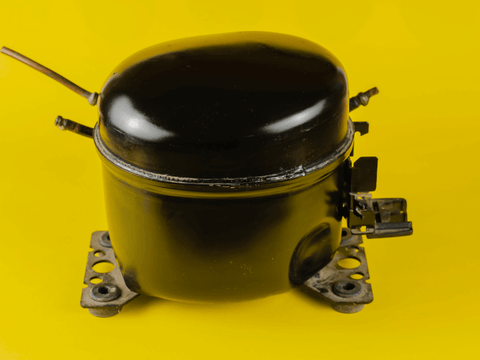
Have you ever touched the back of your refrigerator and wondered, “Is this compressor supposed to feel this hot?” You’re not alone. Understanding how hot a refrigerator compressor should get is key to keeping your appliance running smoothly and avoiding costly repairs.
If your compressor feels too warm or surprisingly cool, it might be sending you a silent warning. You’ll discover what’s normal, what’s not, and what steps you can take to protect your fridge—and your food. Keep reading to find out how to spot trouble before it starts.

Credit: www.searshomeservices.com
Compressor Role In Refrigerators
The compressor in your refrigerator is more than just a mechanical part; it’s the heart of the cooling system. It works tirelessly behind the scenes to keep your food fresh and drinks chilled. Understanding how it works and why it gets hot can help you spot potential issues before they become expensive repairs.
Basic Function
The compressor’s main job is to compress the refrigerant gas and push it through the coils of the refrigerator. This process helps the refrigerant change from a gas to a liquid and back, which cools the interior of your fridge. Think of it as a pump that keeps the cooling cycle moving steadily.
Without the compressor, the fridge wouldn’t be able to maintain a cold temperature. It’s also responsible for maintaining pressure in the system, which directly affects how well your refrigerator cools. If the compressor fails, you’ll notice the temperature rising quickly inside.
Heat Generation Factors
It’s normal for the compressor to get warm, but how hot it gets depends on several factors. Compressors generate heat mainly due to the electrical energy they consume and the mechanical work of compressing the refrigerant.
Other factors that increase heat include:
- Poor ventilation around the compressor area
- Continuous running caused by a leaking door seal or dirty condenser coils
- High ambient temperature in the room where your fridge is located
Have you ever touched the back of your fridge and noticed the compressor feels hot? That’s a sign it’s working, but if it’s uncomfortably hot to touch, it might be struggling. Monitoring this heat can save you from costly breakdowns.
Ideal Temperature Range
The compressor in a refrigerator is a key part of its cooling system. It compresses the refrigerant and helps keep your food cold. Knowing the ideal temperature range for the compressor is important. It ensures the refrigerator works well and lasts longer.
Too hot or too cold can cause problems. A compressor that runs too hot may fail early. Too cool might mean the compressor is not working right. Let’s explore the normal operating temperatures and what manufacturers suggest.
Normal Operating Temps
Most refrigerator compressors run between 100°F and 150°F (38°C to 66°C). This range allows the compressor to work efficiently without overheating.
Temperatures above 160°F (71°C) can be risky. It may cause the compressor to wear out faster or shut down.
Temperatures below 90°F (32°C) might mean the compressor isn’t running enough. This can reduce cooling performance.
Manufacturer Guidelines
Manufacturers provide specific temperature limits for their compressors. These limits ensure safety and efficiency.
Always check the user manual or product specifications. They often list the maximum safe temperature for the compressor.
Following these guidelines helps avoid damage and maintains warranty coverage.
Factors Affecting Compressor Heat
The heat generated by a refrigerator compressor can vary based on several key factors. Understanding these can help you identify whether your appliance is operating normally or if there might be an issue that needs attention. Let’s look at what influences the temperature of your compressor and what that means for your fridge’s performance.
Ambient Temperature
The temperature around your refrigerator plays a huge role in how hot the compressor gets. If your kitchen or storage area is warm, the compressor has to work harder to cool the fridge, causing it to heat up more.
Imagine placing your fridge in a sunny spot or near a heat source like an oven. The compressor must run longer, increasing its temperature. Keeping your fridge in a cool, well-ventilated space can help manage compressor heat effectively.
Usage Patterns
How often you open the fridge or how full it is affects compressor heat too. Frequent door openings let warm air in, making the compressor kick in more often and heat up.
Also, an overcrowded fridge blocks airflow inside, forcing the compressor to work harder. On the other hand, a nearly empty fridge can cause temperature fluctuations, which also impacts compressor activity.
Maintenance Impact
Poor maintenance is a common cause of excessive compressor heat. Dust and dirt buildup on the coils reduce cooling efficiency, so the compressor runs longer and hotter.
Regular cleaning of the condenser coils and checking refrigerant levels can keep your compressor’s temperature in check. Have you checked your fridge’s coils lately? A simple cleaning might save you from a costly repair.

Credit: www.searshomeservices.com
Signs Of Overheating
Recognizing the signs of a refrigerator compressor overheating is crucial. Overheating can cause damage and reduce the appliance’s efficiency. Catching these signs early helps prevent costly repairs and food spoilage.
Physical Symptoms
- The compressor feels very hot to touch, beyond normal warmth.
- Unusual burning smell near the compressor area.
- Visible discoloration or melted parts on the compressor or surrounding wires.
- Loud or strange noises coming from the compressor, such as humming or clicking.
- Excessive vibration of the refrigerator body during operation.
Performance Issues
- The refrigerator struggles to keep food cold consistently.
- Longer running cycles without proper cooling effect.
- Frequent trips of the circuit breaker or blown fuses.
- Increased energy consumption without effective cooling.
- Ice buildup in the freezer or condensation inside the fridge.
Preventing Compressor Overheating
Keeping your refrigerator compressor from overheating is essential to extend its life and maintain efficient cooling. Overheating can cause the compressor to fail prematurely, leading to costly repairs or replacement. You can take simple steps to prevent this issue and ensure your fridge runs smoothly.
Proper Ventilation
Your refrigerator needs space around it to let heat escape. If the compressor doesn’t get enough airflow, it will work harder and get hotter. Make sure there is at least a few inches of clearance between the fridge and walls or cabinets.
Check the vents and coils regularly for dust buildup. A clogged vent blocks airflow and traps heat. Cleaning the coils with a vacuum or brush every few months can lower compressor temperature and improve efficiency.
Regular Maintenance
Have you checked your refrigerator’s maintenance schedule lately? Regular service helps catch problems before they cause overheating. This includes inspecting electrical connections, refrigerant levels, and compressor condition.
Replacing worn-out parts like fan motors can prevent the compressor from working too hard. You don’t need to be an expert; a technician’s yearly visit can save you from unexpected breakdowns.
Load Management
Overstuffing your fridge might seem like a good idea, but it can reduce airflow inside. This forces the compressor to run longer and get hotter. Keep your fridge organized and avoid blocking air vents inside the compartments.
Also, try not to open the fridge door too often or leave it open for long. Each time warm air enters, the compressor kicks in to cool down the interior again. Managing how you load and use your fridge can make a big difference in keeping the compressor cool.
When To Call A Technician
Knowing when to call a technician for your refrigerator compressor can save you from costly repairs. The compressor should work within certain temperature limits. Excessive heat signals a problem. Acting quickly prevents further damage to your fridge and food inside.
Critical Temperature Thresholds
Under normal conditions, a refrigerator compressor surface temperature ranges from 100°F to 150°F (38°C to 65°C). Temperatures above this range indicate stress or malfunction. If the compressor feels hotter than 160°F (71°C), it is a warning sign. Prolonged heat over 180°F (82°C) can cause permanent damage.
High compressor temperature often comes with unusual noises or the fridge not cooling well. These signs require immediate attention.
Troubleshooting Steps
- Check if the refrigerator coils are clean and free from dust.
- Make sure the fridge has enough space around it for proper air circulation.
- Confirm that the condenser fan is running correctly.
- Listen for unusual compressor noises, such as buzzing or rattling.
- Feel the compressor temperature carefully; do not touch if it is very hot.
If these steps do not reduce the compressor heat, call a technician. Professionals can safely diagnose and fix electrical or mechanical problems. Timely repair keeps your refrigerator running efficiently and extends its lifespan.

Credit: www.kichking.com
Frequently Asked Questions
How Hot Is Too Hot For A Compressor?
A compressor is too hot if it exceeds 225°F. Consistent overheating can indicate issues. Common causes include poor ventilation, blocked coils, or refrigerant problems. Regular maintenance helps prevent this. Keeping the compressor within a safe temperature range ensures efficiency and longevity.
What Causes A Refrigerator Compressor To Overheat?
A compressor may overheat due to blocked coils or poor ventilation. Insufficient refrigerant can also cause overheating. Regular maintenance, like cleaning coils and ensuring proper airflow, helps prevent overheating. Addressing these issues promptly avoids damage and maintains optimal performance.
How Can I Cool Down My Compressor?
To cool down a compressor, improve ventilation and clean the coils. Ensure the refrigerator is not overfilled to allow air circulation. Keep the surrounding area clear of obstructions. Regular maintenance and checking refrigerant levels help maintain optimal temperature and prevent overheating.
Why Does My Refrigerator Compressor Get Hot?
Refrigerator compressors get hot due to normal operation. However, excessive heat may indicate issues like blocked airflow or refrigerant problems. Regular maintenance ensures optimal performance. Cleaning coils and ensuring proper ventilation can help maintain safe operating temperatures.
Conclusion
A refrigerator compressor should stay warm but not too hot. Normal temperatures help it work well and last longer. Too much heat can cause problems and waste energy. Keep the area around the compressor clean and clear. Regular checks can catch issues early and save money.
Knowing the right temperature helps protect your fridge. Your fridge will run smoothly with simple care and attention. Stay aware, and your compressor will stay healthy.