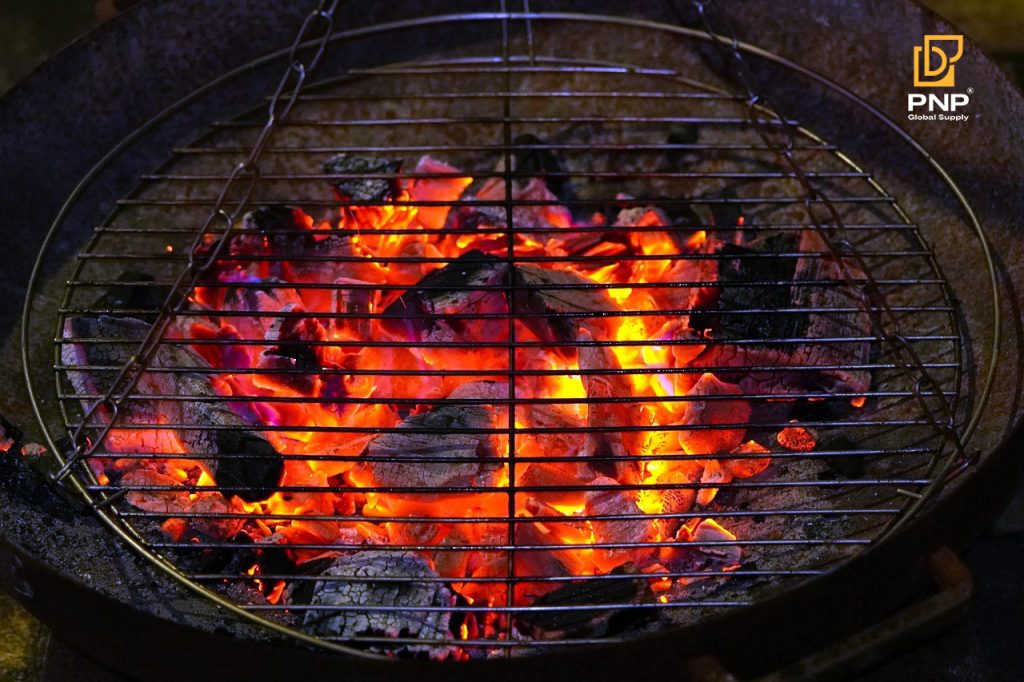
Are you struggling to get the perfect cook on your charcoal grill? One key secret many miss is knowing exactly how hot your grill should be.
Too hot, and your food burns on the outside while staying raw inside. Too cool, and your meal turns out dry and flavorless. Understanding the right temperature for your charcoal grill can change your cooking game completely. Keep reading, and you’ll learn how to master your grill’s heat to make every bite delicious and perfectly cooked.
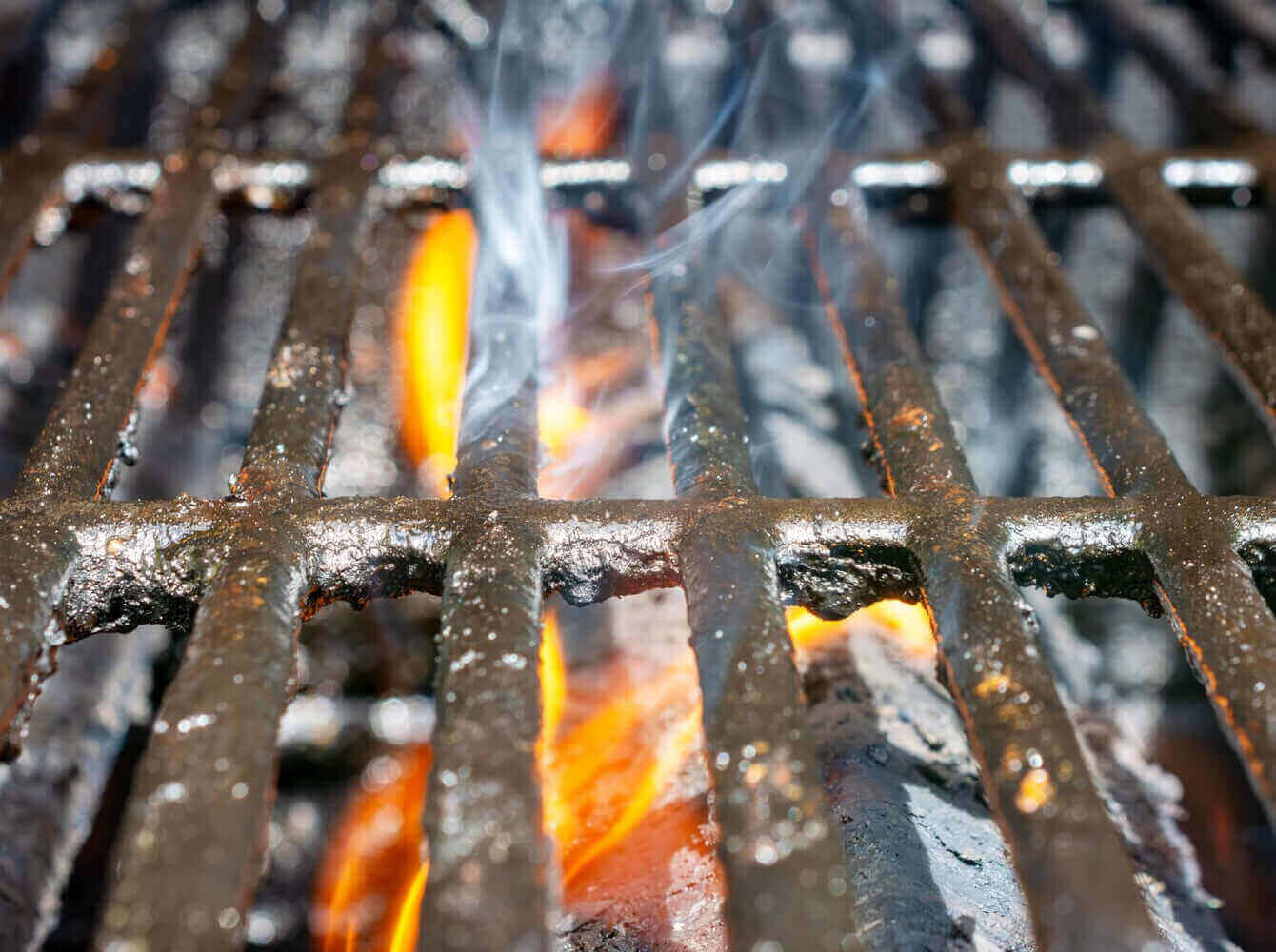
Credit: ddrbbqsupply.com
Ideal Grill Temperatures
Grilling with charcoal needs the right heat to cook food well. Knowing the ideal temperature helps you get tasty results.
Charcoal grills have different heat ranges for various foods. Each range works best for certain cooking styles.
Low Heat Range
Low heat means a temperature between 225°F and 275°F. This heat is good for slow cooking and smoking.
Use low heat for large cuts of meat like ribs or brisket. It cooks food slowly and keeps it juicy.
- Temperature: 225°F to 275°F
- Best for: Smoking, slow cooking
- Foods: Ribs, brisket, whole chicken
Medium Heat Range
Medium heat is between 300°F and 400°F. It is good for cooking most foods evenly and quickly.
This heat works well for burgers, chicken breasts, and vegetables. It cooks food through without burning.
- Temperature: 300°F to 400°F
- Best for: Grilling, general cooking
- Foods: Burgers, chicken, veggies
High Heat Range
High heat is above 450°F. It is perfect for searing meat and quick grilling.
Use high heat for steaks and thin cuts. It creates a nice crust and seals in juices fast.
- Temperature: 450°F and above
- Best for: Searing, fast cooking
- Foods: Steaks, thin cuts, seafood
Temperature Measurement Techniques
Knowing the right temperature for your charcoal grill makes cooking easier. You need to measure heat to cook food well and safely.
There are several ways to check the temperature on a charcoal grill. Some use tools, others use simple hand tests.
Using A Grill Thermometer
A grill thermometer shows the exact heat inside your grill. It helps you keep the temperature steady for cooking.
- Place the thermometer on the grill grate before heating.
- Watch the dial or digital display for the temperature.
- Adjust charcoal or vents to keep the right heat.
- Use the thermometer during cooking to avoid over or undercooking.
Hand Test Method
The hand test uses your hand to feel heat without touching the fire. It is a quick way to guess grill temperature.
| Distance Above Grill | Seconds Hand Can Stay | Heat Level |
| 6 inches | 2-3 seconds | High heat (450°F+) |
| 6 inches | 4-5 seconds | Medium heat (350-450°F) |
| 6 inches | 6-7 seconds | Low heat (250-350°F) |
Hold your hand about six inches above the grill. Count how many seconds you can keep it there. Use the table to know the heat level.
Infrared Thermometers
Infrared thermometers measure heat from a distance. They give quick readings by pointing at the grill surface.
Tips for using infrared thermometers:
- Hold the device steady and aim at the grill grate.
- Keep the sensor close but not touching the surface.
- Use the reading to adjust charcoal or air vents.
- Remember, infrared thermometers read surface temperature only.
Setting Up The Charcoal Grill
Setting up your charcoal grill right helps you control the cooking temperature. It also makes grilling safer and tastier. You need to arrange the charcoal, light it well, and manage airflow.
These steps give you a good start for grilling at the right heat. Let’s look at how to do each part carefully.
Arranging Charcoal For Heat Zones
Creating heat zones lets you cook different foods at the right temperature. Arrange charcoal to have hot and cooler areas.
- Place more charcoal on one side for high heat.
- Keep fewer coals on the other side for low heat.
- Use indirect heat by putting food away from the coals.
- Adjust the pile size to control the heat intensity.
Lighting Charcoal Effectively
Light charcoal safely to get the right cooking temperature. Use methods that start the fire evenly and quickly.
- Arrange charcoal in a pyramid shape for better airflow.
- Use a chimney starter to light coals without chemicals.
- Light the chimney starter with a match or lighter.
- Wait 15-20 minutes until coals are covered with gray ash.
- Spread coals out for even heat or leave piled for hot spots.
Adjusting Airflow
Airflow controls how hot your charcoal burns. You adjust vents to add or reduce oxygen to the fire.
| Vent Position | Effect on Heat | When to Use |
| Fully Open | Max heat, fast burning | Quick grilling or searing |
| Partially Open | Medium heat, steady burn | Most grilling needs |
| Mostly Closed | Low heat, slow burn | Smoking or slow cooking |
| Closed | Fire dies out | After grilling to stop fire |

Credit: vietnamcharcoal.com
Heat Levels For Different Foods
Charcoal grills reach different heat levels depending on how you arrange the coals. Different foods need different heat levels for the best results. Knowing the right heat helps you cook food evenly and safely.
Using the right temperature on your charcoal grill makes food taste better. It also prevents burning or undercooking. Here are common heat levels for popular foods.
Steaks And Burgers
Steaks and burgers need high heat to get a good sear on the outside. High heat locks in juices and gives a nice crust. Aim for about 450°F to 550°F (232°C to 288°C).
Cook steaks for a few minutes on each side depending on thickness. Burgers also cook quickly at this heat, usually 3 to 5 minutes per side.
- Use direct heat over hot coals
- Keep grill lid closed to maintain temperature
- Turn food only once for best sear
Chicken And Pork
Chicken and pork need medium heat to cook through without burning. A temperature of 350°F to 400°F (177°C to 204°C) works well. This heat cooks food evenly and safely.
Use indirect heat by placing coals to one side. Keep the lid closed to keep heat steady. Cook chicken and pork slowly to avoid dryness.
- Place food away from direct flame
- Turn often for even cooking
- Check internal temperature for safety
Vegetables And Fish
Vegetables and fish cook best at medium to medium-high heat. Aim for 375°F to 450°F (190°C to 232°C). This heat cooks food gently and keeps it moist.
Use a grill basket or foil for small vegetables and delicate fish. Turn food carefully to avoid breaking it. Watch cooking time closely as these foods cook fast.
- Use direct or indirect heat depending on size
- Brush with oil to prevent sticking
- Cook fish until opaque and vegetables until tender
Maintaining Consistent Heat
Keeping a steady temperature on your charcoal grill is key for good cooking. It helps food cook evenly and taste better. Changes in heat can cause burned or undercooked spots.
Here are ways to keep your charcoal grill heat steady throughout cooking.
Adding Charcoal During Cooking
Adding charcoal at the right time keeps your grill hot without big temperature drops. Add small amounts so the fire stays steady.
- Use hot, glowing coals to avoid cooling the grill
- Add charcoal to one side for indirect heat
- Wait a few minutes after adding before cooking over new coals
- Avoid adding too much at once to prevent flare-ups
Managing Grill Vents
Vents control airflow and temperature. Opening vents lets air fuel the fire. Closing vents slows the fire and lowers heat.
| Vent Position | Effect on Temperature |
| Fully Open | High heat, faster burn |
| Half Open | Medium heat, steady burn |
| Mostly Closed | Low heat, slow burn |
Avoiding Temperature Fluctuations
Sudden changes in temperature hurt cooking results. Keep the grill lid closed as much as possible. Opening it lets heat escape.
Tips to avoid heat swings:
- Check vents before cooking to set the right airflow.
- Add charcoal gradually to maintain steady heat.
- Keep the lid closed except to turn or check food.
- Use a grill thermometer to monitor temperature.
Common Temperature Mistakes
Cooking with a charcoal grill needs careful heat control. Many people make mistakes with grill temperature. These errors can spoil the food or cause safety problems.
Understanding common temperature mistakes helps you grill better. Avoiding these errors leads to tasty, well-cooked meals every time.
Overheating The Grill
Too much heat can burn your food outside while leaving it raw inside. It also wastes charcoal and can damage your grill parts.
- Charcoal should glow red with a light ash layer.
- Keep grill temperature between 350°F and 450°F for most foods.
- Use vents to control airflow and heat.
- Check the grill temperature often with a thermometer.
Undercooking Risks
Low grill heat can leave food unsafe to eat. Undercooked meat may carry bacteria and cause illness.
| Food Type | Safe Minimum Temperature |
| Chicken | 165°F (74°C) |
| Beef steaks | 145°F (63°C) |
| Ground meat | 160°F (71°C) |
| Fish | 145°F (63°C) |
Ignoring Heat Zones
Not using heat zones limits your cooking options. Heat zones let you cook food at different temperatures at once.
Here is how to set up heat zones on a charcoal grill:
- Push hot coals to one side for direct heat.
- Leave the other side free for indirect heat.
- Use the hot side to sear meat quickly.
- Move food to the cooler side to finish cooking slowly.
Tips For Perfect Bbq Results
Getting the charcoal grill temperature right makes a big difference in cooking. Knowing how hot your grill should be helps you cook meat evenly and safely.
These tips focus on preheating, resting meat, and using a thermometer. Each step helps you get the best BBQ results every time.
Preheating Duration
Preheat your charcoal grill for 15 to 30 minutes before cooking. This time lets the coals reach the right temperature. A hot grill seals in juices and creates nice grill marks.
- Spread the charcoal evenly for steady heat.
- Wait until the coals are covered with gray ash.
- Adjust the vents to control airflow and temperature.
- Use a grill thermometer to check heat levels.
Resting Meat After Cooking
Rest meat after grilling to keep it juicy. Resting lets juices spread evenly inside. Do not cut the meat right away.
Rest times vary by meat type and size. Use this simple guide:
| Meat Type | Resting Time |
| Steak (1 inch thick) | 5 minutes |
| Chicken | 10 minutes |
| Pork Chops | 5 to 7 minutes |
| Large Roasts | 15 to 20 minutes |
Using A Meat Thermometer
A meat thermometer shows when food is safe and cooked well. It helps avoid overcooking or undercooking.
- Insert the thermometer into the thickest part of the meat.
- Do not touch bone or fat for an accurate reading.
- Check temperature before removing meat from the grill.
- Clean the thermometer after each use.
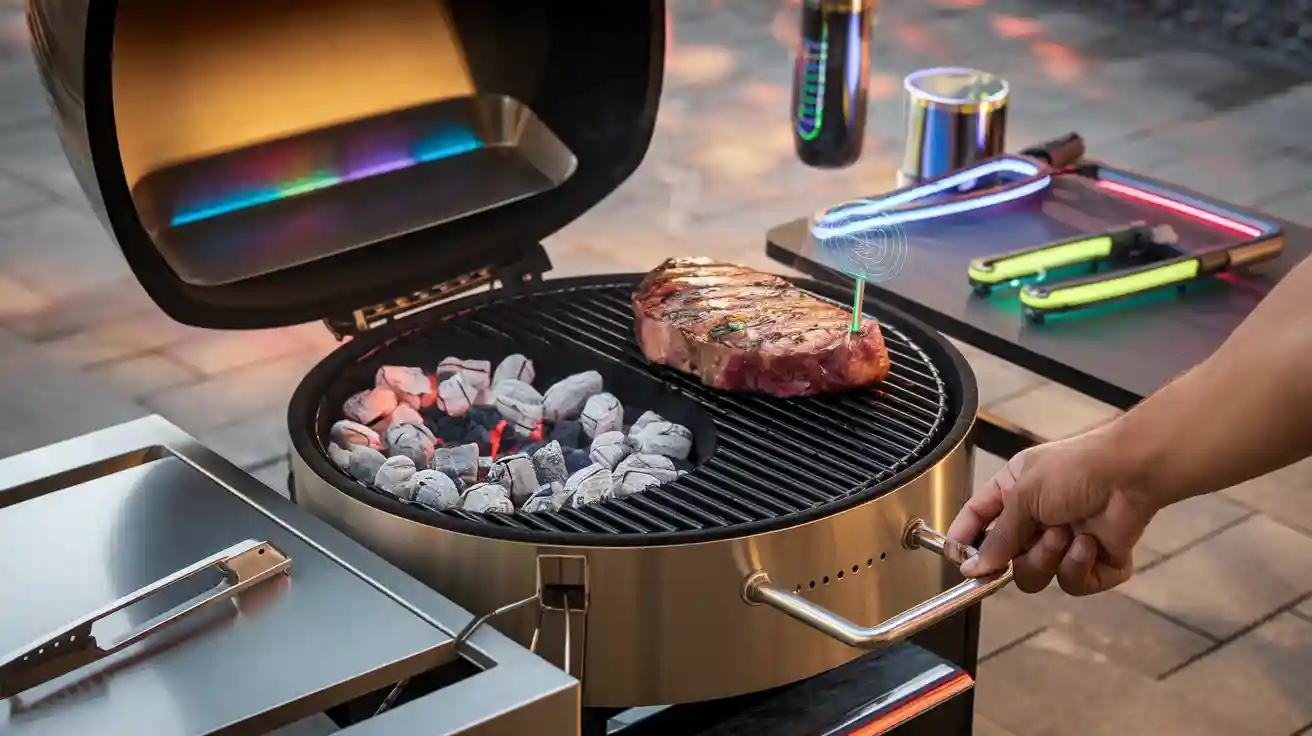
Credit: www.siuhaau.com
Frequently Asked Questions
What Is The Ideal Temperature For A Charcoal Grill?
The ideal temperature for a charcoal grill is between 450°F and 550°F. This range ensures perfect grilling for most meats and vegetables. Use a thermometer to check the temperature. Adjust the vents to control the heat and maintain the desired temperature.
How Do I Control The Grill’s Temperature?
To control the grill’s temperature, adjust the vents and add or remove charcoal. Open the vents for more heat and close them to reduce heat. Adding more charcoal increases temperature, while removing some decreases it. Use a thermometer to monitor and maintain the desired temperature.
How Long Should Charcoal Burn Before Cooking?
Charcoal should burn for 15-20 minutes before cooking. This ensures it’s hot and covered with white ash. Wait until the charcoal is evenly glowing. This provides consistent heat and prevents food from sticking or burning.
Can I Grill At Lower Temperatures?
Yes, you can grill at lower temperatures for slow-cooking or smoking. Maintain the grill between 225°F and 250°F. This is ideal for tender meats like ribs or brisket. Adjust vents and use fewer coals to keep the heat low.
Conclusion
Getting the right charcoal grill temperature makes a big difference. Too hot can burn food; too cool may undercook. Aim for steady heat that matches what you cook. Use simple tools like a thermometer to check. Adjust vents to control airflow and heat easily.
Practice helps you feel the grill’s heat better. Enjoy the process and tasty results every time. Happy grilling!