
Your bike helmet is your best protection on the road or trail. But if it doesn’t fit right, it can’t do its job when you need it most.
How tight should it be? Where exactly should it sit on your head? These simple questions could make all the difference between safety and injury. Keep reading to discover how a properly fitting helmet feels and why getting this right is easier than you think.
Your safety depends on it.
Choosing The Right Size
Wearing a bike helmet that fits well is important for safety. A helmet that is too loose or too tight can cause problems.
Finding the right size helps protect your head better during a fall or crash. This guide shows how to pick the correct fit.
Measuring Your Head
Use a soft tape measure to find your head size. Wrap it around your head just above your eyebrows.
Make sure the tape is level all around. Write down the measurement in centimeters or inches.
- Place the tape 1 inch above your eyebrows
- Keep the tape snug but not tight
- Measure twice to confirm accuracy
Helmet Size Charts
Helmet brands use size charts to match your head measurement to their helmets. Each brand may differ slightly.
Check the size chart before buying. It shows which helmet size fits your head measurement best.
| Head Circumference | Helmet Size |
|---|---|
| 50-54 cm (19.7-21.3 in) | Small |
| 55-58 cm (21.7-22.8 in) | Medium |
| 59-62 cm (23.2-24.4 in) | Large |
| 63-66 cm (24.8-26.0 in) | Extra Large |
Trying Different Models
Helmet shapes vary by brand and model. Trying different helmets helps find the best fit for your head.
Put the helmet on and adjust the straps. It should feel snug but not painful. The helmet should not move side to side.
- Check if the helmet sits level on your head
- Make sure the front edge is just above your eyebrows
- Test the straps by opening your mouth wide; helmet should pull down slightly

Credit: ibikesafe.org
Positioning The Helmet
A bike helmet must fit well to protect your head properly. Positioning the helmet right is very important for safety.
This guide explains how to place the helmet correctly on your head. Follow these tips to wear your helmet the right way.
Level Placement
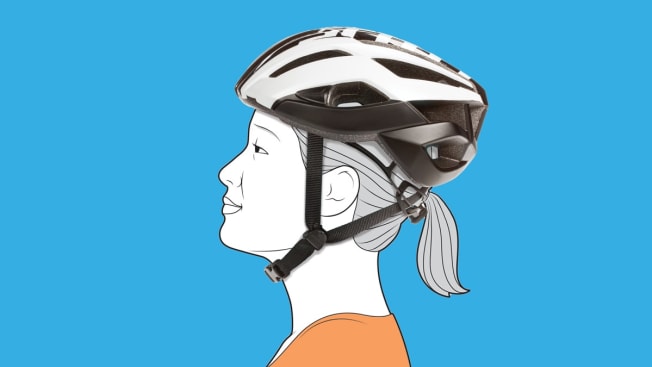
Wear the helmet so it sits level on your head. It should not tilt forward or backward.
A level helmet covers the top of your head and stays stable during rides. This position gives the best protection.
Covering The Forehead
The front of the helmet should cover your forehead. It must sit about one to two finger-widths above your eyebrows.
This coverage protects your frontal bone in case of a fall. Too high or too low placement reduces safety.
Avoiding Tilt
Do not let the helmet tilt backward or forward. A tilted helmet can slip off or leave parts of your head exposed.
- Adjust the straps so the helmet stays stable
- Check in a mirror to see if the helmet is straight
- Make small changes until the helmet feels snug and balanced
Adjusting The Fit System
A bike helmet must fit well to protect you properly. Adjusting the fit system helps keep the helmet snug and comfortable.
Most helmets have parts you can change to fit your head shape and size. Knowing how to adjust these parts is important for safety.
Dial Adjusters
Dial adjusters are small wheels at the back of the helmet. They tighten or loosen the helmet around your head.
Turn the dial to make the helmet fit snugly. It should feel secure but not too tight or painful.
- Turn clockwise to tighten
- Turn counterclockwise to loosen
- Adjust while wearing the helmet for best fit
Strap Tightening
Straps keep the helmet in place under your chin. They should be tight enough to hold the helmet steady.
Adjust the straps on both sides until they fit comfortably. The buckle should sit just below your ear.
- Straps should form a “V” shape under each ear
- Chin strap should be snug with room for one finger
- Check straps before every ride
Padding Inserts
Padding inserts are soft pieces inside the helmet. They make the helmet fit better and feel more comfortable.
You can add or remove pads to adjust the space inside the helmet. Pads help stop the helmet from moving on your head.
- Use thicker pads for a tighter fit
- Remove pads if the helmet feels too tight
- Replace worn pads for comfort and hygiene

Credit: www.youtube.com
Strap Setup For Security
A bike helmet must fit well to protect you properly. The straps play a big role in keeping the helmet secure. Setting them right helps avoid accidents and injuries.
Check your helmet’s straps every time you wear it. Adjust each part carefully for the best fit and safety.
Buckle Placement
Place the buckle so it sits just below your ear. This position keeps the helmet steady and stops it from sliding around. The buckle should be easy to reach but not press against your skin.
Chin Strap Tightness
The chin strap should be snug but comfortable. It must hold the helmet firmly on your head. If it is too loose, the helmet can fall off. If it is too tight, it can hurt your chin and make breathing hard.
- Fasten the buckle under your chin.
- Pull the strap until it feels snug.
- Try to fit one or two fingers between the strap and your chin.
- Move your mouth and jaw to check comfort.
Side Strap Adjustment
| Side Strap Part | Adjustment Tip |
|---|---|
| Y-shaped sliders | Position the sliders just below your ears. |
| Strap length | Adjust so the straps form a snug “V” shape under your ears. |
| Symmetry | Make sure both sides are equal in length and tension. |
Comfort Features To Look For
A bike helmet must fit well and feel comfortable. Comfort helps you wear it longer and stay safe.
Some features make helmets more comfortable. These include ventilation, weight, and material quality.
Ventilation
Good ventilation keeps your head cool during rides. Look for helmets with many air vents.
Air flows through the vents, reducing sweat and heat. This makes riding more pleasant.
- Large vents allow more airflow
- Channels inside guide air around your head
- Mesh covers keep bugs out
Weight
Light helmets feel better on your head. Heavy helmets may cause neck pain over time.
Choose a helmet that feels light but still protects well. This helps you ride longer without discomfort.
- Look for helmets under 300 grams for road biking
- Mountain bike helmets may be slightly heavier
- Try helmets on to check weight feel
Material Quality
High-quality materials improve comfort and safety. Soft padding inside helps with fit and feel.
Check for durable outer shells and moisture-wicking liners. These keep the helmet comfortable and lasting longer.
- EPS foam absorbs impact well
- Soft, removable pads allow cleaning
- Strong outer shell resists scratches and cracks
Credit: www.consumerreports.org
Signs Of A Poor Fit
A bike helmet needs to fit well for safety. A poor fit can lead to accidents.
Understanding signs of a bad fit helps ensure your helmet works properly.
Helmet Movement
If your helmet moves too much, it is not fitting right. The helmet should stay in place.
Test this by shaking your head gently. The helmet should not slide.
- Place helmet on head.
- Fasten chin strap securely.
- Shake head side to side.
- Observe any movement.
Pressure Points
Pressure points can cause discomfort. A helmet should feel snug, not tight.
| Area | Check for Pressure |
| Forehead | No red marks |
| Temples | No headache |
| Back of head | No pain |
Obstructed Vision
A helmet should not block your sight. You need to see clearly.
Maintaining Helmet Fit Over Time
A bike helmet needs to fit well to protect your head. Over time, the fit can change. It is important to keep your helmet comfortable and safe.
Maintaining the right fit means checking and adjusting the helmet often. You also need to replace worn parts and know when to get a new helmet.
Regular Adjustments
Helmets can loosen or shift as you use them. Adjust the straps and padding often. This keeps the helmet snug and in the right position.
Check your helmet fit before every ride. Tighten the straps if the helmet moves side to side or back and forth.
- Use the adjustment dial or strap sliders to tighten or loosen.
- Make sure the helmet sits level on your head.
- The straps should form a V shape under your ears.
Replacing Worn Parts
Parts like straps, padding, and buckles wear out over time. Worn parts can reduce safety and comfort. Replace them as soon as you notice damage.
Many helmets have removable pads and straps. Check your helmet’s manual for replacement parts or visit a bike shop.
- Replace padding if it becomes flat or torn.
- Change straps if they fray or lose strength.
- Swap buckles if they break or don’t fasten well.
When To Replace Your Helmet
Helmets do not last forever. Replace your helmet after a crash, even if there is no visible damage. The inside can weaken.
Most helmets should be replaced every 3 to 5 years. Sun, sweat, and wear can reduce protection over time.
- Replace after any crash or hard impact.
- Replace if the shell cracks or dents.
- Replace if the foam lining is compressed or damaged.
- Replace if the fit no longer feels secure.
Frequently Asked Questions
How Tight Should A Bike Helmet Fit?
A bike helmet should fit snugly without causing discomfort. It must stay securely in place when you shake your head. Avoid helmets that are too loose or overly tight, as both can reduce protection and comfort during rides.
Where Should A Bike Helmet Sit On Your Head?
A bike helmet should sit level on your head, covering the forehead. The front edge should be about one to two finger-widths above your eyebrows. Proper positioning ensures maximum protection for your forehead and reduces injury risks.
How To Adjust Helmet Straps Correctly?
Adjust helmet straps to form a “V” shape under each ear. Straps should be snug but not tight, allowing you to open your mouth comfortably. Proper strap adjustment keeps the helmet stable and prevents it from shifting during rides.
When Should You Replace A Bike Helmet?
Replace your bike helmet after any crash or impact, even if no damage is visible. Also, replace it every 3-5 years due to material degradation. A well-maintained helmet ensures optimal safety and protection on every ride.
Conclusion
A bike helmet must fit snugly to protect your head well. It should sit level, not tilted, and feel comfortable. Straps must be tight enough to keep the helmet in place. Avoid helmets that move or feel loose. A proper fit helps reduce injury during falls or crashes.
Always check your helmet fit before every ride. Safety and comfort go hand in hand. Choose the right size and adjust it correctly. Your head deserves the best protection possible. Stay safe and enjoy your cycling adventures confidently.