
You might think wearing any bike helmet is enough to keep you safe. But if your helmet doesn’t fit right, it could fail when you need it most.
How tight should it be? Where exactly should it sit on your head? Getting this wrong can mean less protection or even discomfort that makes you avoid wearing it altogether. You’ll discover simple tips to make sure your bike helmet fits perfectly—so you can ride confidently and stay protected every time you hit the road.
Keep reading to learn how small adjustments can make a big difference in your safety.
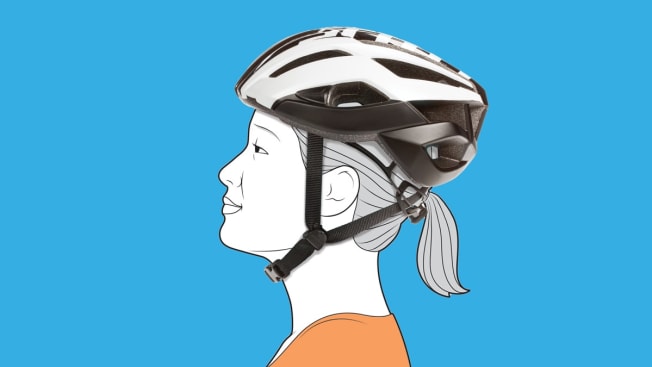
Credit: www.consumerreports.org
Choosing The Right Size
Picking the right bike helmet size helps keep you safe while riding. A helmet that fits well feels comfortable and stays in place.
Use simple methods to measure your head and check size charts. This ensures you get the best fit for protection.
Measuring Your Head
Measure your head with a soft tape measure or string. Place it just above your eyebrows and ears, around the largest part of your head.
- Keep the tape level and snug, but not tight.
- Note the measurement in centimeters or inches.
- Measure twice to be sure of accuracy.
Size Charts And Labels
Helmet brands use size charts to match head measurements with helmet sizes. Check the label inside the helmet for size info.
| Helmet Size | Head Circumference (cm) | Head Circumference (inches) |
| Small (S) | 52 – 56 | 20.5 – 22 |
| Medium (M) | 56 – 58 | 22 – 22.8 |
| Large (L) | 58 – 61 | 22.8 – 24 |
| Extra Large (XL) | 61 – 64 | 24 – 25.2 |
Positioning The Helmet
Wearing a bike helmet correctly keeps your head safe during a ride. The helmet must sit right on your head to protect well.
This guide helps you place your helmet properly and avoid common fitting mistakes.
Correct Placement On The Head
The helmet should sit level on your head and cover your forehead. It must not tilt back or forward.
- Place the helmet low on your forehead, about one to two finger widths above your eyebrows.
- Make sure the helmet covers the back of your head without touching your neck.
- Check that the side straps form a “V” shape under and slightly in front of your ears.
- Tighten the chin strap so it fits snugly but still lets you open your mouth.
Avoiding Common Mistakes
Many riders wear helmets too high or loosen the straps too much. These errors reduce helmet protection.
| Common Mistake | Why It Is Wrong | How to Fix It |
|---|---|---|
| Helmet sits too far back | Forehead is exposed, less protection | Move helmet forward to cover eyebrows |
| Side straps too loose | Helmet moves in a crash | Tighten straps until snug under ears |
| Chin strap too loose | Helmet can fall off | Adjust strap to fit firmly under chin |
| Helmet tilts forward | Obstructs vision and reduces safety | Level helmet so it sits flat |
Adjusting The Straps
A bike helmet protects you best when the straps fit correctly. Adjusting the straps keeps the helmet snug and safe. Learn how to adjust them for the perfect fit.
Focus on strap tightness, buckle placement, and cheek strap adjustment. Each part helps the helmet stay secure during your ride.
Strap Tightness
Straps should be tight enough to hold the helmet in place. They must not be too loose or too tight. A good fit feels comfortable but secure.
- Place the helmet on your head.
- Pull the straps until they fit snugly under your chin.
- You should be able to fit one or two fingers between the strap and your chin.
- Make sure the helmet does not move when you shake your head.
Buckle Placement
The buckle should sit just below your ear, near your jawline. This position helps keep the helmet steady and comfortable. Avoid placing the buckle too far forward or backward.
| Incorrect Buckle Position | Correct Buckle Position |
|---|---|
| Too far forward, near the chin | Just below the ear, near the jaw |
| Too far back, behind the ear | Just below the ear, near the jaw |
Cheek Strap Adjustment
The cheek straps should form a “V” shape under your ears. Adjust the sliders on each side to position them correctly. They help keep the helmet from moving side to side.
- Find the sliders on both straps near your ears.
- Move the sliders up or down to create a snug “V” shape.
- Check that the straps do not press into your skin uncomfortably.
- Test by moving your head to ensure stability.

Credit: ibikesafe.org
Checking For Proper Fit
A bike helmet must fit well to protect your head. A good fit keeps the helmet steady and safe.
Check the fit before every ride. A proper fit feels snug but not tight.
Movement Tests
Try moving your helmet side to side and up and down. It should stay in place on your head.
If the helmet moves a lot, it is too loose. Tighten the straps or try a smaller size.
- Shake your head gently; helmet should not slip.
- Push the helmet from front to back; it should stay put.
- Look up and down; the helmet should not move.
Comfort And Pressure Points
A good helmet fits comfortably without pain. It should not press hard on any part of your head.
Wear the helmet for a few minutes. Check for spots that feel sore or tight.
- Look for tight spots above your forehead or around your temples.
- Check if the straps pinch your skin.
- Make sure the helmet padding feels soft and even.
Replacing Your Helmet
Bike helmets protect your head during accidents. They lose their strength over time. Knowing when to replace your helmet keeps you safe on every ride.
This guide covers the signs that tell you it is time to get a new helmet.
When To Replace
Helmets do not last forever. Over years, materials break down. Most experts say to replace your helmet every five years. If you ride often, consider replacing it sooner.
- Helmet older than five years
- Helmet exposed to heavy sunlight
- Helmet used in a crash
- Straps or padding are worn out
Signs Of Damage
Look carefully for damage before each ride. Even small cracks reduce protection. Check the shell and inner foam for problems.
| Damage Type | What to Check | Replace Helmet? |
| Cracks | Visible cracks on shell or foam | Yes |
| Dents | Dents or crushed areas on helmet | Yes |
| Straps | Frayed or broken straps | Yes |
| Padding | Loose or missing padding | Consider Replacement |
| Fit | Helmet feels loose or moves easily | Consider Replacement |

Credit: www.youtube.com
Frequently Asked Questions
How Tight Should A Bike Helmet Fit?
A bike helmet should fit snugly without causing discomfort. It must stay securely in place when you shake your head. Avoid helmets that are too loose or too tight to ensure maximum protection and comfort during rides.
Where Should A Bike Helmet Sit On The Head?
A bike helmet should sit level on your head, covering your forehead. It should rest about one to two finger-widths above your eyebrows. Proper placement ensures optimal protection for your skull and brain in case of impact.
How To Adjust Bike Helmet Straps Correctly?
Adjust the straps so they form a “V” shape under your ears. Buckle the chin strap securely, allowing only one or two fingers to fit underneath. Proper strap adjustment prevents the helmet from shifting or falling off during a ride.
Can A Bike Helmet Be Too Tight?
Yes, a helmet that is too tight can cause headaches and discomfort. It may restrict blood flow and cause pressure points. Always choose a helmet that fits snugly but comfortably for safety and prolonged use.
Conclusion
A bike helmet must fit snugly to protect your head well. It should sit level and cover your forehead without slipping. Straps must be tight but comfortable, securing the helmet firmly in place. A proper fit helps reduce injuries during falls or accidents.
Always check the fit before every ride. Safety starts with the right helmet fit. Ride smart, stay safe.