Have you ever noticed your cutting board slipping while you’re chopping vegetables or slicing meat? That little wobble can be more than just annoying—it can be dangerous.
Knowing how a cutting board is stabilized can make your kitchen tasks safer and smoother. You’ll discover simple yet effective ways to keep your cutting board steady every time you use it. Keep reading, and you’ll never have to worry about a shaky cutting board again.

Credit: www.youtube.com
Common Stability Issues
Cutting boards often move while chopping. This causes problems in the kitchen.
Understanding why a board moves helps keep it steady and safe.
Causes Of Cutting Board Movement
Many things make a cutting board slide or shift during use. Wet surfaces are a main cause.
Boards without grips or rubber feet also tend to move more easily on counters.
- Wet or greasy countertops
- Board edges that are smooth or rounded
- Hard, slippery surfaces like granite or tile
- Lack of non-slip pads or grips under the board
- Using a board that is too small for the task
Risks Of An Unstable Board
An unstable cutting board can cause accidents in the kitchen. Your knife may slip and cause injury.
Food can also fall off a moving board. This makes your workspace messy and unsafe.
- Increased chance of cutting yourself
- Food spills and contamination risks
- Slower food preparation due to instability
- Damage to knives from sudden slips
- Frustration and poor cooking experience
:max_bytes(150000):strip_icc()/faw-john-boos-maple-rafr-cutting-board-with-juice-groove-metal-handles-dillon-evans-08-83c432ce88274a819efc0b871bff561c.jpeg)
Credit: www.foodandwine.com
Material Choices For Stability
Choosing the right material helps keep a cutting board stable. Stability prevents slipping and accidents. Different materials offer different grip and weight.
Wood and plastic are common materials. Each has unique features that affect how steady the board stays on a surface.
Wood Vs Plastic Boards
Wood boards are heavy and have natural grip. Plastic boards are lighter but often have added features for stability. The choice depends on how you use the board.
| Feature | Wood Boards | Plastic Boards |
| Weight | Heavier, adds stability | Lighter, may slide more |
| Grip | Natural texture grips surfaces | Usually smooth, needs extra features |
| Maintenance | Needs oiling to prevent drying | Easy to clean and dishwasher safe |
| Durability | Can last many years | May wear down faster |
Non-slip Surface Materials
Non-slip materials help hold the board in place. They reduce movement on counters. Common materials include rubber and silicone.
- Rubber feet under the board grip the surface well
- Silicone pads add extra traction
- Textured surfaces increase friction
- Some boards have grooved edges to prevent sliding
Non-slip Solutions
Keeping a cutting board stable is important for safe and easy chopping. Non-slip solutions help stop the board from sliding on the countertop. These solutions are simple and effective.
Here are some common ways to keep your cutting board steady while you work.
Rubber Feet And Pads
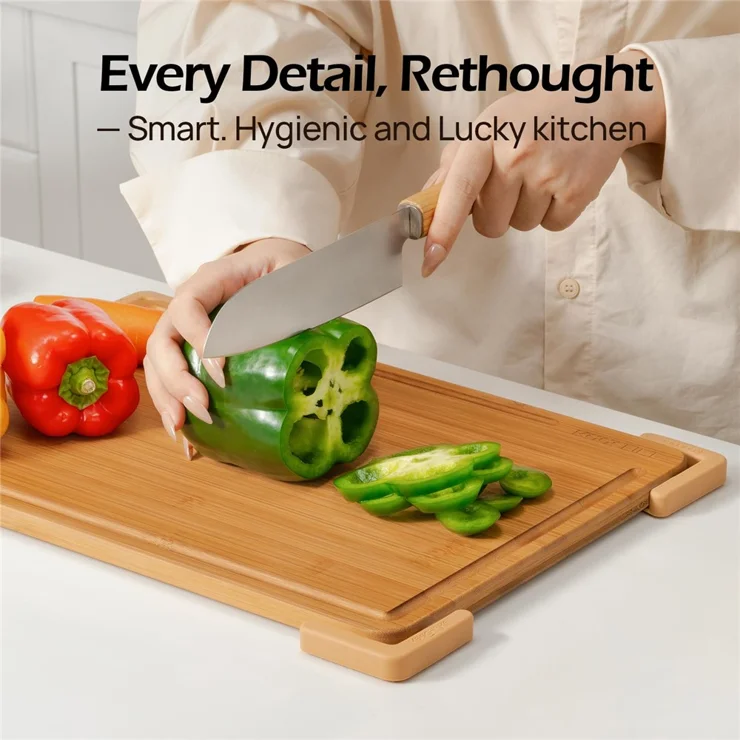
Rubber feet or pads stick to the bottom of the cutting board. They create friction between the board and the surface. This stops the board from moving.
- Easy to attach and replace
- Protects surfaces from scratches
- Works on most types of counters
- Available in different sizes and thicknesses
Silicone Mats
Silicone mats are soft and flexible. Place one under the cutting board for grip. The mat holds the board in place during cutting.
| Feature | Benefit |
|---|---|
| Non-slip surface | Prevents sliding |
| Heat resistant | Safe near hot pots |
| Easy to clean | Reusable and hygienic |
| Flexible | Fits different board sizes |
Damp Towels
Place a damp towel under the cutting board. The wet towel grips the surface and stops the board from moving. This is a quick and easy trick.
Use these tips with damp towels:
- Wet a clean kitchen towel with water
- Wring out extra water so it is damp, not dripping
- Lay the towel flat under the cutting board
- Replace the towel if it dries out during use
Design Features For Safety
Cutting boards need to stay steady during use. Stability helps prevent accidents and injuries.
Design features improve safety by keeping the board in place. These features make cutting easier and safer.
Grooved Edges
Grooved edges help stop the cutting board from slipping. The grooves catch on the countertop surface.
This feature also catches juices from foods. It keeps the workspace cleaner and safer.
Weighted Boards
Weighted boards have extra mass to keep them steady. The weight stops the board from moving during cutting.
Heavier boards work well on smooth or wet surfaces. They reduce the risk of slipping accidents.
Textured Surfaces
Textured surfaces add friction between the board and the countertop. This grip helps keep the board stable.
Some boards also have rubber feet under them. These feet increase grip and prevent sliding.
Proper Placement Techniques
Stabilizing a cutting board is important for safety and efficiency. Proper placement helps prevent slipping and accidents in the kitchen.
This guide explains how to choose the right surface and position your board to keep it steady during use.
Choosing A Stable Surface
Select a flat and sturdy surface to place your cutting board. Avoid uneven or slippery countertops to reduce movement.
- Use a clean countertop free of water or grease
- Pick a surface that does not wobble or shake
- Avoid glass or polished stone if they are slick
- Consider a wooden or textured surface for better grip
Positioning The Board Correctly
Place the cutting board so it feels secure under your hands. The right position prevents slipping and helps with control.
| Placement Tip | Description |
| Use a damp cloth | Place a wet towel under the board for extra grip |
| Check board edges | Make sure edges lie flat on the surface |
| Keep close to the edge | Position near the countertop edge for better leverage |
| Apply light pressure | Hold the board with one hand while cutting |
Maintenance Tips For Stability
A cutting board stays stable when it does not slide on the countertop. Proper care helps keep it steady and safe to use.
Simple maintenance can make your cutting board last longer and prevent accidents in the kitchen.
Cleaning Without Slipping
Cleaning a cutting board properly helps keep its grip strong. Avoid using too much water, which can make the board slippery.
Wipe the board with a damp cloth and mild soap. Dry it fully before using it again to stop slipping on wet surfaces.
Replacing Worn Pads
Many cutting boards have rubber or silicone pads underneath. These pads stop the board from moving while cutting.
If the pads wear out or fall off, replace them quickly. New pads will keep the board steady and safe.
- Check the pads every few months
- Use pads made for kitchen use
- Clean the area under the board before placing new pads
- Stick the new pads firmly for best grip
Credit: www.tvcmall.com
Frequently Asked Questions
What Does Stabilizing A Cutting Board Mean?
Stabilizing a cutting board means treating the wood to prevent warping or cracking. This process involves impregnating the wood with resins or oils. It enhances durability and extends the board’s lifespan. Stabilized boards are resistant to moisture, bacteria, and daily wear and tear, ensuring safe and long-lasting use.
Why Is A Stabilized Cutting Board Better?
A stabilized cutting board offers enhanced durability and resistance to moisture. The stabilization process prevents warping and cracking, ensuring longevity. It also reduces bacterial growth, making it more hygienic. Overall, a stabilized board provides a safer, more reliable surface for food preparation, benefiting both professional chefs and home cooks.
How Do You Stabilize A Cutting Board?
Stabilizing a cutting board involves treating it with oils or resins. First, clean and dry the board thoroughly. Then, apply a generous layer of mineral oil or beeswax. Let it absorb for several hours before wiping off excess. Repeat the process regularly to maintain the board’s stability and longevity.
Can All Types Of Wood Be Stabilized?
Not all wood types are suitable for stabilization. Generally, hardwoods like maple, walnut, and cherry are ideal. They have tight grains that hold stabilizing agents well. Softwoods or porous woods may not stabilize effectively. Always choose a dense, high-quality wood for the best stabilization results and a durable cutting board.
Conclusion
Stabilizing a cutting board makes your kitchen work safer and easier. Small steps, like using rubber feet or a damp towel, help a lot. A steady board keeps your knife steady too. This stops accidents and makes cutting smoother. Choose the method that fits your board and kitchen.
Safe cutting means better meals and less worry. Keep these tips in mind next time you cook. Your hands will thank you.