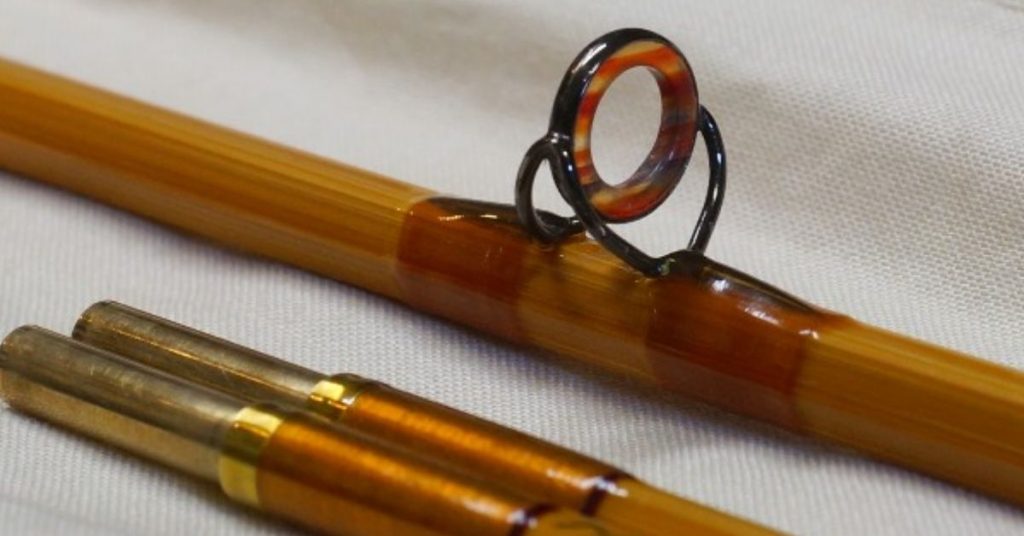
Have you ever wondered what goes into making your fishing rod? It’s more than just a stick with a line.
Every part is carefully crafted to help you catch the biggest fish. Understanding how a fishing rod is made can change the way you see your gear—and even improve your fishing experience. Ready to discover the secrets behind your fishing rod?
Keep reading, and you’ll learn exactly how this essential tool comes to life.
Materials Used In Rod Making
Fishing rods are made with different materials that affect their strength and flexibility. Each part of the rod uses special materials to work well together.
Knowing the materials helps you understand how rods perform and last during fishing.
Types Of Rod Blanks
Rod blanks are the main body of the fishing rod. They are usually made from graphite, fiberglass, or composite materials.
Graphite blanks are light and sensitive, while fiberglass blanks are strong and flexible. Composite blanks mix both materials for balanced performance.
- Graphite: Lightweight and sensitive
- Fiberglass: Durable and flexible
- Composite: Balanced strength and sensitivity
Selection Of Guides And Tips
Guides and tips help control the fishing line and protect the rod. They are often made from metal or ceramic materials.
Metal guides are strong but heavier. Ceramic guides reduce line friction and last longer.
- Metal guides: Strong and durable
- Ceramic guides: Smooth and wear-resistant
- Tips: Usually reinforced for extra strength
Handle Materials
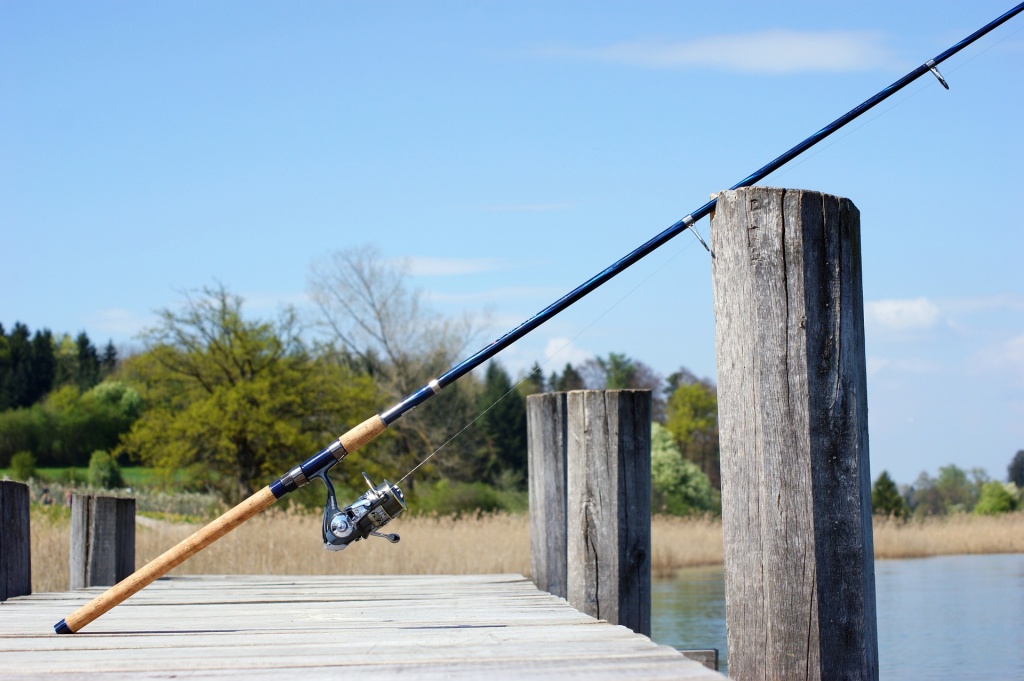
The handle gives you a comfortable grip and control. Common materials include cork, EVA foam, and wood.
Cork handles feel soft and light. EVA foam is durable and water-resistant. Wood handles offer a classic look but need care.
- Cork: Lightweight and comfortable
- EVA foam: Tough and water-resistant
- Wood: Traditional and attractive
Credit: petroleumservicecompany.com
Designing The Rod
Designing a fishing rod starts with careful planning. Every choice affects how the rod will perform on the water.
This section covers key points about rod length, power, and the balance between sensitivity and strength.
Determining Rod Length And Action
The length of a rod influences casting distance and control. Action describes how much the rod bends when pressure is applied.
- Short rods offer better control and are easier to handle in tight spaces.
- Long rods allow longer casts but can be harder to manage.
- Fast action rods bend mostly near the tip for quick hook sets.
- Slow action rods bend throughout the length for smooth casting.
Choosing The Rod Power
Rod power is the strength needed to bend the rod. It matches the type of fish targeted and fishing conditions.
| Power | Description | Typical Use |
| Ultra Light | Very flexible | Small fish, light lures |
| Light | Flexible | Trout, panfish |
| Medium | Moderate strength | Bass, walleye |
| Heavy | Strong | Large fish, heavy lures |
| Extra Heavy | Very strong | Big game fishing |
Balancing Sensitivity And Strength
Sensitivity lets anglers feel bites. Strength helps fight fish and avoid rod damage. Both are important.
Key factors to balance sensitivity and strength:
- Material choice: graphite offers high sensitivity; fiberglass adds strength.
- Rod thickness: thinner rods are more sensitive but less strong.
- Layering and construction techniques improve both qualities.
Crafting The Blank
Creating a fishing rod starts with crafting the blank. The blank is the rod’s main body. It’s made from materials like fiberglass or graphite.
This process ensures the rod’s strength and flexibility. Let’s explore how the blank takes shape.
Shaping And Tapering
The blank is shaped by rolling materials around a steel mandrel. This creates the rod’s core shape. Shaping defines the rod’s length and action.
Tapering is crucial for a smooth cast. It adjusts the rod’s thickness from butt to tip. This balance helps in catching different fish sizes.
Applying Resin And Wrapping
Resin is applied to strengthen the blank. It binds the layers together. Resin also adds durability to the rod.
Once resin is applied, the blank is wrapped. Wrapping involves winding threads around the blank. This secures the layers tightly.
- Resin improves the rod’s toughness
- Wrapping ensures the layers stay intact
- Proper wrapping avoids blank damage
Curing Process
After wrapping, the blank undergoes curing. Curing hardens the resin. It ensures the rod maintains its shape.
This process often takes place in an oven. Heat helps the resin to set properly. Curing gives the rod its final strength.
Installing Guides And Reel Seat
Installing guides and the reel seat is a key step in making a fishing rod. These parts control the line and hold the reel securely. Proper installation ensures smooth casting and good rod performance.
This section explains how to place guides, secure them, and attach the reel seat with care and precision.
Guide Placement Techniques
Placing the guides correctly helps the fishing line flow smoothly. You must space them evenly along the rod blank. The first guide near the reel is the largest, and guides get smaller toward the tip.
- Measure the rod blank length.
- Mark guide positions starting from the reel end.
- Place the largest guide closest to the reel seat.
- Space other guides evenly, reducing size as you go.
- Ensure the tip-top guide aligns perfectly with the rod tip.
Securing The Guides
After placing the guides, you must secure them firmly. Wrapping thread tightly around the guide feet keeps them in place. Then apply epoxy to protect the wraps and provide strength.
| Step | Action | Purpose |
| 1 | Place guide on marked spot | Ensure correct position |
| 2 | Wrap thread around guide foot | Hold guide tightly |
| 3 | Coat wraps with epoxy | Protect thread and add durability |
| 4 | Let epoxy dry completely | Secure the guide firmly |
Attaching The Reel Seat
The reel seat holds the reel in place on the rod handle. It must fit tightly and align with the guides. Use strong adhesive to fix it securely to the handle.
Key points for attaching the reel seat:
- Clean the handle surface before attaching.
- Test fit the reel seat to confirm position.
- Apply epoxy or strong glue inside the reel seat.
- Press the reel seat firmly onto the handle.
- Wipe excess glue and let it cure fully.
Handle Construction
The handle is a key part of a fishing rod. It gives the angler control and comfort. Making the handle needs care and skill.
Handle construction affects how easy it is to hold the rod for long times. It also helps in casting and reeling.
Cutting And Shaping The Handle
The first step is cutting the handle material to the right length. The blank shape is then formed by sanding or carving.
Shaping focuses on grip size and comfort. The handle must fit well in the hand and allow good control.
- Cut material to length
- Sand or carve to shape
- Test grip size for comfort
- Smooth rough edges
Foam Vs Cork Handles
Foam and cork are common materials for fishing rod handles. Each has strengths and feels different in hand.
Foam handles are light and soft. They work well in wet conditions and resist damage. Cork handles look classic and feel warm.
- Foam:Lightweight, soft, water-resistant
- Cork:Traditional look, warm feel, natural grip
- Choice depends on fishing style and personal comfort
Finishing Touches
After shaping, the handle gets final sanding to make it smooth. Then, a protective coating is applied to last longer.
Some rods have extra features like non-slip coatings or decorative wraps. These add grip and style to the handle.
- Smooth sanding for comfort
- Apply protective sealant
- Add non-slip coatings if needed
- Decorate with wraps or designs
Credit: www.youtube.com
Quality Checks And Testing
Making a fishing rod requires careful quality checks and testing. These steps ensure the rod is strong and works well. Testing helps catch any problems before the rod reaches anglers.
Each fishing rod goes through several checks. They test how strong and flexible the rod is. They also check the balance and weight. The final inspections confirm the rod is ready for use.
Strength And Flexibility Tests
Strength and flexibility tests check if the rod can handle heavy fish and rough use. The rod bends without breaking. It should return to its original shape after bending.
- Apply pressure to the rod tip to test bending
- Check for cracks or weak spots
- Measure how much the rod flexes under stress
- Ensure the rod recovers its shape quickly
Balance And Weight Assessment
The rod must feel comfortable in hand. Balance and weight tests make sure the rod is easy to handle. A well-balanced rod reduces fatigue during fishing.
| Test | Purpose | Criteria |
| Weight Measurement | Check rod’s heaviness | Within design limits |
| Balance Point | Find rod’s center of gravity | Near handle |
| Handling Test | Assess comfort and control | Easy to maneuver |
Final Inspections
Final inspections review every part of the rod. Inspectors look for defects and ensure all parts fit well. They also verify the rod’s finish and branding.
- Check guides and reel seat for secure attachment
- Inspect rod blank for surface flaws
- Verify handle grip quality and fit
- Confirm correct logos and labels
- Package rod safely for shipping
Customizing And Personalizing
Fishing rods can be made unique by customizing and personalizing them. This makes each rod special for the user.
People enjoy adding personal touches to their fishing rods. These touches make the rod more attractive and meaningful.
Adding Decorative Elements
Decorative elements like wraps, thread patterns, and charms add style to fishing rods. They show off the owner’s personality.
These decorations come in many colors and designs. They can be simple or detailed, depending on what the angler wants.
- Colorful thread wraps around the rod handle
- Charms or beads near the reel seat
- Custom handle shapes or materials
- Decorative rod tip covers
Custom Paint And Coatings
Painting and coating fishing rods protect them from weather and wear. They also give rods a unique look.
Custom paint jobs can include patterns, colors, and finishes. Clear coatings add shine and strength to the paint.
- Matte, glossy, or metallic paint finishes
- Camouflage or bright color schemes
- Protective clear coats for durability
- UV-resistant layers to prevent fading
Engraving And Branding
Engraving adds names, logos, or designs to the rod. It gives a personal touch or shows a favorite brand.
Branding can be done with laser engraving or heat stamping. These methods make permanent marks on the rod’s surface.
- Owner’s name or initials
- Custom logos or symbols
- Important dates or messages
- Brand marks for identification

Credit: www.youtube.com
Frequently Asked Questions
How Are Fishing Rods Constructed?
Fishing rods are made by combining materials like graphite, fiberglass, or composite fibers. The blank is shaped and reinforced with guides, handles, and reel seats. Each component is carefully assembled to ensure strength, flexibility, and durability for optimal fishing performance.
What Materials Are Used In Fishing Rods?
Fishing rods commonly use graphite for lightness and sensitivity, fiberglass for durability, or composites for balance. Handles are made from cork or EVA foam, providing comfort and grip. Quality materials affect rod strength, flexibility, and responsiveness during fishing.
How Long Does Fishing Rod Manufacturing Take?
Manufacturing a fishing rod typically takes several hours to a few days. The process involves shaping the blank, attaching guides, handles, and reel seats, then finishing with coatings. Time varies by rod type, materials, and production methods.
Why Are Guides Important On Fishing Rods?
Guides control the fishing line and distribute stress evenly along the rod. They reduce friction, improve casting distance, and protect the line from damage. Properly placed guides enhance rod performance and durability during fishing.
Conclusion
Making a fishing rod takes skill and careful work. Each part plays a role in how it performs. From choosing materials to shaping the rod, every step matters. Knowing how rods are made helps you appreciate your gear more. Next time you fish, think about the craft behind your rod.
It’s more than just a tool—it’s a product of many small, important steps. Craftsmanship and design come together to make fishing enjoyable.