
Wondering how large an air conditioner you really need? Choosing the right size can make all the difference between a cool, comfortable home and skyrocketing energy bills.
If your AC is too small, it won’t keep your space cool. Too big, and you’ll waste money and face constant on-off cycles. You’ll discover simple ways to find the perfect fit for your home, so you stay comfortable without breaking the bank.
Keep reading to make sure your next air conditioner is just right for you.
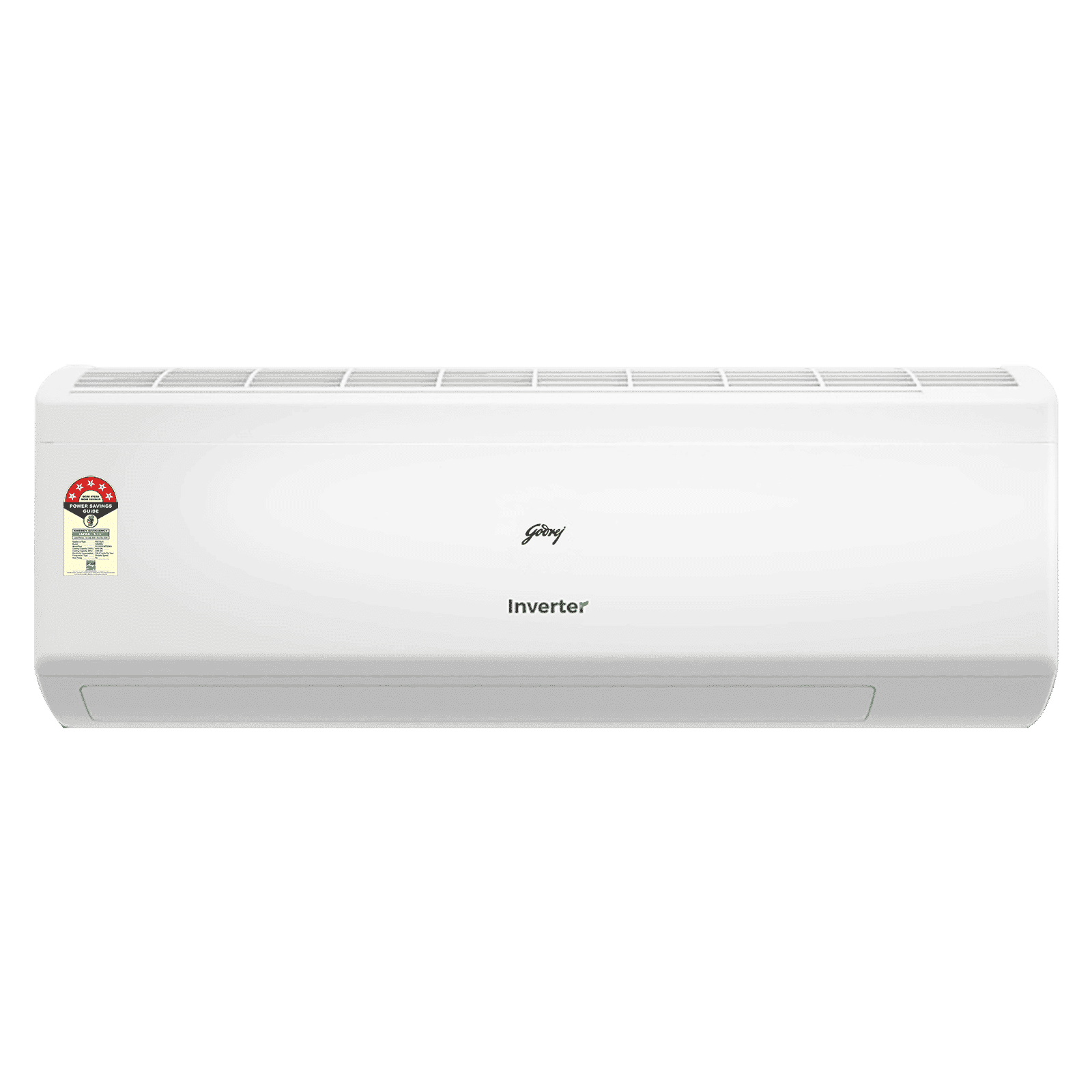
Credit: www.tataneu.com
Factors Affecting Ac Size
Choosing the right size air conditioner is important for comfort and efficiency. Many factors affect how large your AC should be.
Understanding these factors helps you pick a unit that cools well without wasting energy.
Room Dimensions
The size of your room is the main factor in deciding AC size. Larger rooms need more cooling power.
Measure the length and width of the room to find the square footage. This helps estimate the cooling capacity needed.
Ceiling Height
Higher ceilings increase the room’s volume. This means more air space to cool.
Rooms with tall ceilings need bigger AC units to cool the space properly.
Insulation Quality
Good insulation keeps cool air inside and hot air outside. Poor insulation lets heat in and cold air out.
If your room has weak insulation, you will need a larger AC to maintain comfort.
Window Exposure
Windows let in heat from the sun. The number and size of windows affect how much heat enters the room.
Rooms with many or large windows need more cooling power because of extra heat gain.
- South or west-facing windows bring in more heat
- Shaded or north-facing windows bring in less heat
- Double-pane windows reduce heat better than single-pane
Occupant Number
People produce body heat that raises room temperature. More occupants mean more heat inside.
Rooms used by many people will need a larger air conditioner to stay cool.
Appliance Heat Output
Appliances like computers and ovens release heat when running. This adds to the room’s heat load.
Rooms with many heat-producing devices require bigger AC units to handle the extra heat.
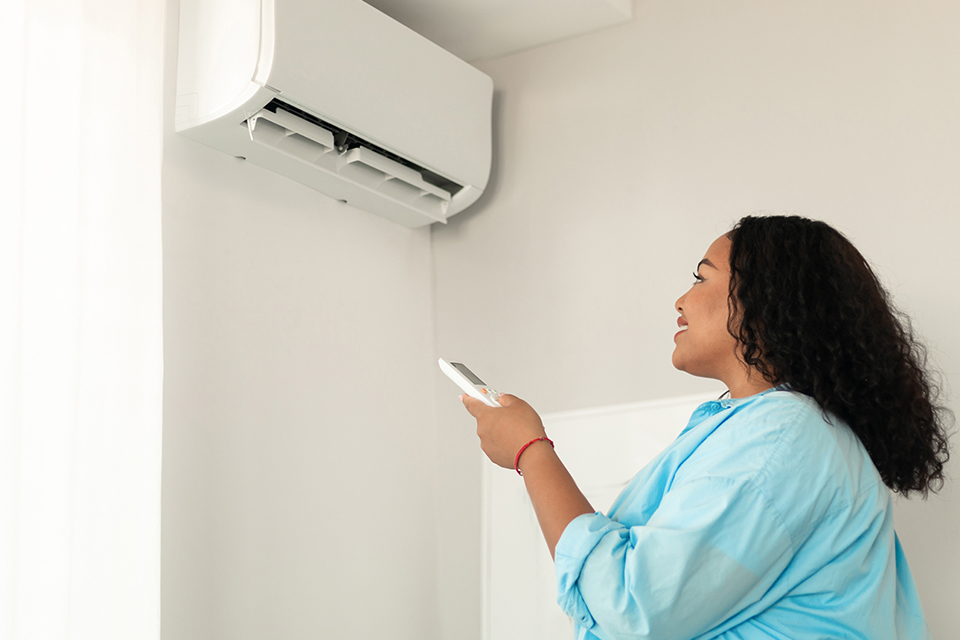
Credit: simplyair.com.au
Measuring Cooling Capacity
Choosing the right air conditioner size is important. It helps cool your room efficiently.
Cooling capacity is measured in BTUs. This tells you how much heat the unit can remove.
What Is Btu
BTU stands for British Thermal Unit. It measures energy needed to raise or lower temperature.
In air conditioners, BTU shows how much heat the unit can remove in one hour.
How Btu Relates To Room Size
The bigger the room, the more BTUs you need. Small rooms need fewer BTUs than large rooms.
- Rooms up to 150 sq ft need about 5,000 BTUs
- Rooms 150–250 sq ft need about 6,000 BTUs
- Rooms 250–350 sq ft need about 8,000 BTUs
- Rooms 350–450 sq ft need about 10,000 BTUs
- Rooms 450–550 sq ft need about 12,000 BTUs
Common Btu Ratings
| BTU Rating | Room Size (sq ft) |
| 5,000 | Up to 150 |
| 6,000 | 150 to 250 |
| 8,000 | 250 to 350 |
| 10,000 | 350 to 450 |
| 12,000 | 450 to 550 |
Calculating Your Ac Size
Choosing the right size for your air conditioner is important. A unit that is too small will not cool well. A unit that is too large wastes energy and money.
This guide helps you find the correct AC size by explaining how to calculate it. You will also learn how to use online tools and adjust for your climate.
Step-by-step Calculation
Start by measuring the area you want to cool in square feet. Then, multiply this number by the recommended cooling power per square foot.
- Measure the length and width of the room.
- Calculate the area by multiplying length and width.
- Multiply the area by 20 BTU (British Thermal Units) per square foot.
- Adjust the BTU number if the room has high ceilings or many windows.
Using Online Calculators
Many websites offer free AC size calculators. These tools ask for details like room size, ceiling height, and sun exposure.
- Enter the room dimensions and other details.
- Provide information about insulation and number of occupants.
- Review the suggested AC size in BTUs.
- Compare results from different calculators for accuracy.
Adjusting For Climate
Climate affects how much cooling power you need. Hotter areas require bigger units than cooler areas for the same room size.
| Climate Type | BTU Adjustment |
|---|---|
| Cool Climate | Reduce BTU by 10% |
| Moderate Climate | Use calculated BTU |
| Hot Climate | Increase BTU by 10-20% |
Types Of Air Conditioners
Choosing the right air conditioner size depends on the type you select. Different types fit different rooms and needs. Understanding these types helps you pick the right size.
Air conditioners come in many forms. Each has benefits for cooling spaces efficiently. Below are the main types of air conditioners to consider.
Window Units
Window units are compact and fit into a window frame. They cool one room well and are easy to install. These units are great for small spaces.
They come in different sizes based on room size. A larger room needs a more powerful window unit. They are affordable and use less energy for small areas.
Split Systems
Split systems have two parts: an indoor unit and an outdoor unit. The indoor unit cools the room, and the outdoor unit releases heat. They are quiet and efficient.
Split systems work well for cooling multiple rooms. You can control each indoor unit separately. They come in various sizes for different room needs.
Central Air
Central air conditioners cool the whole house through ducts. They are good for large homes. Central air gives even cooling in every room.
These systems need professional installation. They come in many sizes. Bigger homes require larger central air systems to cool well.
Portable Units
Portable air conditioners can move from room to room. They are easy to use and need no permanent installation. These units work best for small spaces.
Portable units come in different sizes. A bigger room needs a unit with more cooling power. They are less efficient than other types but flexible.
Consequences Of Wrong Sizing
Choosing the right size for your air conditioner is very important. A wrong size can cause many problems.
Both too big and too small units can make your home uncomfortable and waste energy.
Oversized Ac Issues
An oversized AC cools the room too fast. It turns off before removing humidity.
This leaves the air feeling damp and uncomfortable. It can also cause frequent on/off cycles.
- Short cooling cycles
- Poor humidity control
- More wear and tear
- Higher repair costs
Undersized Ac Issues
An undersized AC runs too long but cannot reach the desired temperature. It works hard all day.
This can cause the system to break down early and leave your home too warm on hot days.
- Long running time
- Inadequate cooling
- Increased system stress
- Higher chances of breakdown
Energy Efficiency Impact
Wrong AC size wastes energy and raises your electricity bills. It lowers system efficiency.
Properly sized AC units run smoothly and save energy while keeping your home comfortable.
- Oversized units cycle on and off more
- Undersized units run continuously
- Both increase energy use
- Right size improves efficiency
Energy Efficiency Tips
Choosing the right air conditioner size saves energy and cuts costs. Using efficient models and smart settings helps keep your home comfortable.
Follow these tips to improve your air conditioner’s energy use and extend its life.
Choosing Energy Star Models
Energy Star air conditioners use less power than standard units. They cool your home while saving electricity and reducing bills.
- Look for the Energy Star label before buying
- Choose a model with a high SEER rating for better efficiency
- Select the right size for your room to avoid wasting energy
- Check for features like variable speed compressors
Proper Maintenance
Regular care keeps your air conditioner running efficiently. Clean parts and timely repairs reduce energy waste and extend the unit’s life.
| Maintenance Task | How Often | Benefits |
| Clean or replace filters | Monthly or as needed | Improves airflow and efficiency |
| Check refrigerant levels | Yearly | Ensures proper cooling |
| Inspect and clean coils | Yearly | Prevents overheating and energy loss |
| Clear debris around unit | Monthly | Allows good air circulation |
Smart Thermostat Use
Smart thermostats adjust cooling to your schedule. They save energy by reducing cooling when you are away or asleep.
- Set higher temperatures when no one is home
- Use programmable schedules for daily routines
- Control the thermostat remotely with your phone
- Use sensors to detect room occupancy

Credit: www.geappliancesairandwater.com
Frequently Asked Questions
How Do I Calculate The Right Ac Size For My Room?
To calculate the right AC size, measure your room’s square footage. Multiply length by width, then use BTU guidelines per square foot to find the ideal capacity.
What Factors Affect The Size Of Air Conditioner Needed?
Room size, ceiling height, insulation, windows, and sun exposure impact AC size. These factors determine the cooling load and proper unit capacity for comfort.
Why Is Choosing The Correct Ac Size Important?
Choosing the right AC size ensures efficient cooling and energy use. An undersized unit won’t cool properly, while oversized units waste energy and cause humidity issues.
Can A Small Ac Cool A Large Room Effectively?
A small AC cannot cool a large room efficiently. It will run constantly, increase energy costs, and fail to maintain comfortable temperatures consistently.
Conclusion
Choosing the right air conditioner size matters a lot. Too small, and it won’t cool well. Too big, and it wastes energy and money. Measure your room’s space carefully. Think about sunlight, windows, and insulation too. A proper size keeps your home comfortable and saves costs.
Take time to calculate before buying. Your home will thank you with cool, fresh air. Simple steps lead to better comfort all year round.