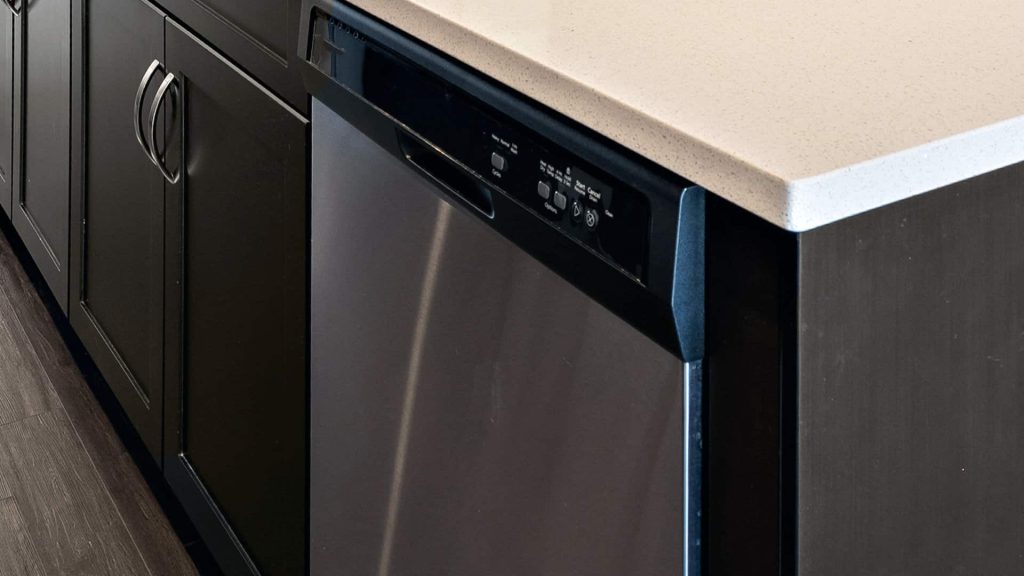
Have you ever found yourself wondering just how long your dishwasher is supposed to last? It’s a common question many homeowners face.
After all, dishwashers are essential appliances in our daily lives, saving us time and effort. You rely on yours to tackle those stacks of dirty dishes, so it’s only natural to be curious about its lifespan. Knowing how long your dishwasher should last can help you plan for future expenses and avoid unexpected breakdowns.
Plus, understanding the factors that influence your dishwasher’s longevity could save you money and frustration. Stick around as we uncover the secrets to extending the life of your dishwasher and how to know when it’s time for an upgrade. Your kitchen’s efficiency and your peace of mind could depend on it!
Average Dishwasher Lifespan
Understanding the average lifespan of your dishwasher helps you plan for maintenance and replacement. Knowing how long a dishwasher typically lasts can save you from unexpected breakdowns and costly repairs. Let’s look at what you can expect from your appliance over the years.
Typical Years Of Use
Most dishwashers last between 7 and 12 years. Some models, especially high-end ones, can run smoothly for up to 15 years with proper care. On the other hand, budget models might start showing problems as early as 5 years.
Have you noticed your dishwasher taking longer to clean or making strange noises? These are signs that it might be nearing the end of its lifespan. Keeping track of your dishwasher’s age helps you decide whether to fix or replace it.
Factors Affecting Longevity
Your dishwasher’s lifespan depends on several factors beyond just its brand or model. How often you use it plays a big role—daily use means more wear and tear than occasional use.
- Maintenance:Regular cleaning of filters and spray arms can extend its life.
- Water Quality:Hard water can cause mineral buildup, reducing efficiency and causing damage.
- Usage Habits:Overloading or using harsh detergents can wear down parts faster.
Think about your routine: do you run your dishwasher every day? Do you check for clogs or clean it often? Small actions like these can add years to your dishwasher’s service.

Credit: enthrallinggumption.com
Signs Of Dishwasher Wear
Recognizing the signs of dishwasher wear early can save you from costly repairs or a sudden breakdown. Your dishwasher, like any appliance, shows clear indicators when it’s nearing the end of its reliable lifespan. Paying attention to these signs helps you decide when to fix or replace your machine.
Common Mechanical Issues
Mechanical problems often signal that your dishwasher is struggling. You might notice that the door latch doesn’t close properly, causing leaks or incomplete cycles. Another frequent issue is the spray arm getting stuck or clogged, which affects water distribution and cleaning efficiency.
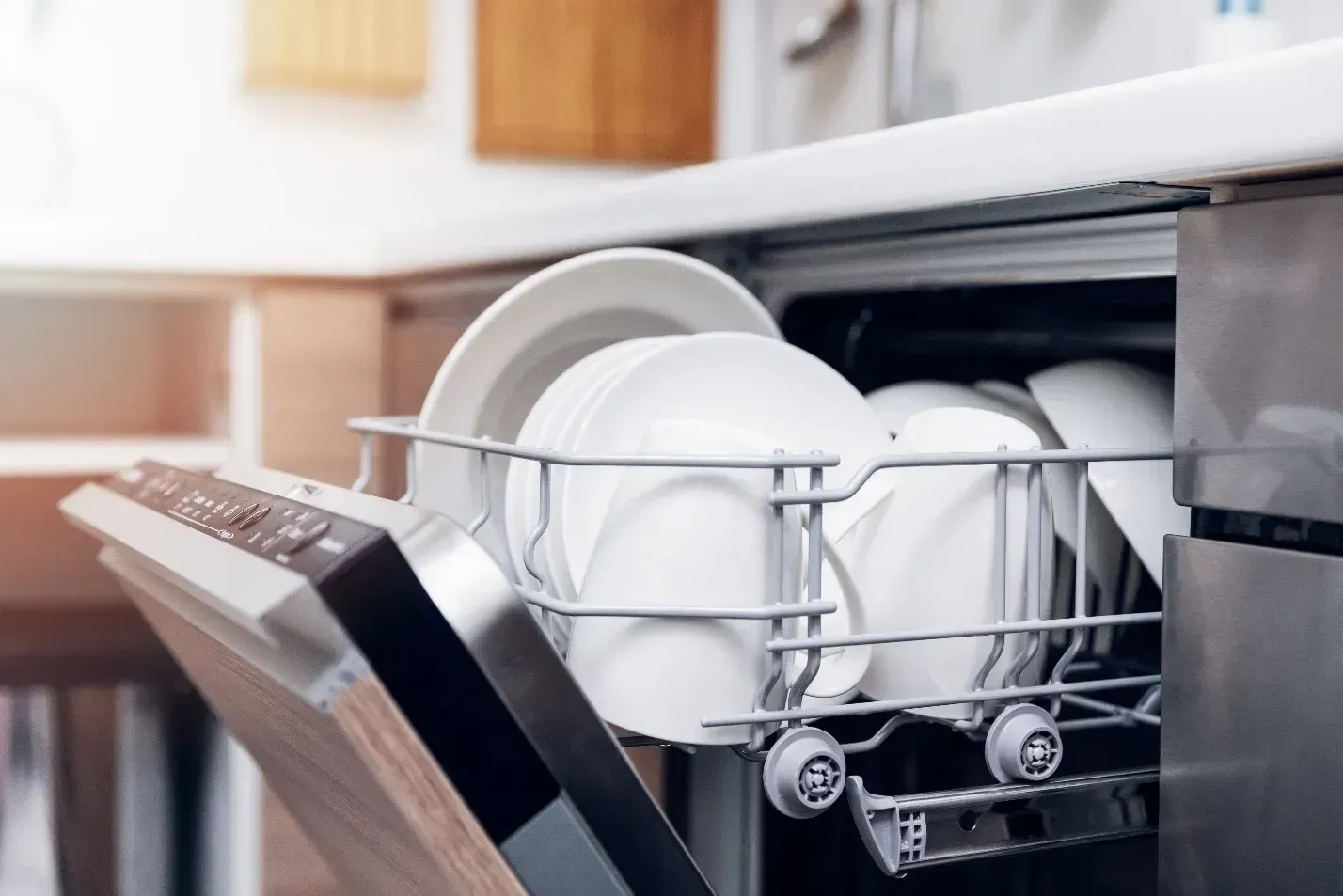
Sometimes, the dishwasher might make unusual noises like grinding or squealing. These sounds often point to worn-out motor bearings or a failing pump. If the racks don’t slide smoothly anymore, it could mean the wheels are broken or rusty, adding to daily frustration.
Performance Decline Indicators
Is your dishwasher leaving spots, film, or food residue on your dishes? This decline in cleaning performance is a clear warning. It might be due to clogged filters or a malfunctioning heating element that fails to dry dishes properly.
Another sign is longer cycle times or incomplete washing cycles. Your dishwasher may start to take more time than usual or stop mid-cycle, which can indicate electrical or sensor issues. Also, if you notice an increase in water pooling at the bottom, it’s time to check for drainage problems.
Have you ever wondered if these small annoyances could mean your dishwasher is nearing the end? Listening closely to your appliance’s behavior can help you avoid a full replacement surprise and maintain kitchen harmony.
Maintenance Tips To Extend Life
Keeping your dishwasher running efficiently for years means treating it with a bit of care and attention. Simple maintenance steps can make a huge difference in how long your appliance lasts. You don’t need to be a technician to do this—just a few mindful actions can help you avoid costly repairs and replacements.
Regular Cleaning Practices
Cleaning your dishwasher regularly prevents buildup that can clog the system and reduce performance. Start by wiping down the door seals and edges to remove food particles and grime. These small areas often get overlooked but can cause leaks if neglected.
Don’t forget to clean the filter at the bottom of the dishwasher. A blocked filter can stop water from draining properly, leading to unpleasant odors and poor cleaning results. Running an empty cycle with a dishwasher cleaner once a month can also help break down grease and limescale.
Have you checked the spray arms lately? They can get clogged with debris, which affects water flow. You can remove and rinse them under the tap or use a toothpick to clear out tiny holes.
Routine Checks And Repairs
Regularly inspecting your dishwasher can catch small issues before they turn into big problems. Check hoses for cracks or leaks and tighten any loose connections. A leaking hose is often the first sign that your dishwasher needs attention.
Listen for unusual noises during operation. Grinding or squeaking sounds can indicate worn-out parts that need replacement. Acting on these signs early can save you from more expensive repairs down the line.
Also, test the door latch to make sure it closes securely every time. If the door doesn’t seal properly, water might leak out or the dishwasher may not start at all. Simple fixes like adjusting the latch or replacing the seal can keep everything running smoothly.
When To Repair Vs Replace
Deciding whether to repair or replace your dishwasher can feel tricky. You want to avoid spending too much on repairs for an old machine, but replacing too soon can be wasteful. Understanding the signs and costs involved helps you make the right choice for your situation.
Cost Analysis Of Repairs
Look closely at the repair estimate before deciding. If the repair costs more than 50% of a new dishwasher’s price, replacing might be smarter.
Think about the specific repair too. Fixing a small part like a door latch is usually worth it. But major issues like a broken motor can be expensive and less reliable after repair.
Keep in mind labor costs, which can add up fast. Sometimes, the total expense surprises you more than the part itself.
Evaluating Efficiency Loss
Older dishwashers often use more water and electricity. This inefficiency adds up on your utility bills over time.
Ask yourself: Is your dishwasher cleaning as well as it used to? If you notice leftover food or longer drying times, it might be struggling.
Newer models often offer better energy ratings and features that save money in the long run. Weigh the ongoing cost of running an inefficient machine against investing in a modern one.
Impact Of Dishwasher Brands
The brand of a dishwasher can greatly affect how long it lasts. Different brands use various materials and designs. These differences impact durability and performance over time. Choosing a reliable brand can save money and hassle. It also influences repair frequency and parts availability.
Durability Comparisons
Some brands build dishwashers with strong metals and quality parts. Others may use cheaper materials to cut costs. Durable dishwashers resist rust and mechanical failures better. They stay efficient for many years. Brands with high durability often score better in customer reviews.
- Premium brands tend to use stainless steel tubs.
- Lower-cost brands may use plastic tubs that wear faster.
- High-end models often include robust motors and pumps.
- Entry-level models might have simpler, less durable components.
Choosing a brand known for durability means fewer repairs and longer use.
Warranty And Support
Warranty length varies greatly among dishwasher brands. Some offer longer warranties covering parts and labor. Good customer support helps fix issues faster. Brands with solid warranties show confidence in their product quality. Warranty coverage can reduce repair costs significantly.
- Top brands often provide 2-3 year full warranties.
- Some brands include lifetime warranties on key parts.
- Customer service quality differs by brand and region.
- Easy access to replacement parts speeds up repairs.
A strong warranty and support system improves overall dishwasher lifespan.

Credit: menumoments.com
Energy Efficiency And Lifespan
Energy efficiency plays a crucial role in the lifespan of your dishwasher. Machines designed to save water and electricity often use advanced technology that can impact how long they last. Understanding this balance helps you make smart choices about your next dishwasher purchase and maintenance routine.
Modern Features Affecting Durability
New dishwashers come packed with features like soil sensors, variable spray jets, and eco-friendly wash cycles. These smart functions reduce resource use but add complexity to the machine’s mechanics. More parts mean more potential points of failure, which can shorten the lifespan if not properly maintained.
For example, the soil sensor adjusts water usage based on how dirty your dishes are. While this saves energy, the sensor’s sensitivity can wear out over time. If you’ve experienced your dishwasher suddenly using too much water or failing to clean properly, this could be why.
Balancing Efficiency With Longevity
Can you have a dishwasher that is both energy efficient and long-lasting? Yes, but it requires regular care and smart use. Running your dishwasher only when full, using recommended detergents, and cleaning filters can keep efficiency features working well longer.
Consider choosing models with simple designs if durability is your priority. Sometimes, less complex machines last longer because there are fewer parts that can break. Ask yourself: do you prefer cutting down your utility bills or having a dishwasher that might need fewer repairs over time?
Credit: www.kellyshomecenter.com
Frequently Asked Questions
How Long Do Dishwashers Typically Last?
Dishwashers usually last between 9 to 12 years with proper care. Regular maintenance and correct usage can extend their lifespan effectively.
What Factors Affect Dishwasher Lifespan?
Factors include frequency of use, maintenance, water quality, and brand quality. Proper cleaning and timely repairs help maximize dishwasher longevity.
When Should I Replace My Dishwasher?
Replace your dishwasher if it frequently breaks down or cleans poorly. Energy inefficiency and outdated models are also reasons for replacement.
How Can I Extend My Dishwasher’s Life?
Clean filters regularly, avoid overloading, and use recommended detergents. Scheduling professional maintenance annually also helps keep your dishwasher running longer.
Conclusion
Dishwashers usually last about 9 to 12 years. Proper care can help them work longer. Regular cleaning keeps parts running smoothly. Watch for signs of wear or leaks. Fix small problems before they get worse. Choosing a good model matters too.
Remember, a well-maintained dishwasher saves time and effort. Keep an eye on its performance yearly. This way, you avoid sudden breakdowns at home. Take simple steps, and your dishwasher serves you well.