Have you ever wondered how long your motorcycle tires really last? Knowing when to replace them isn’t just about getting the best ride—it’s about your safety on the road.
Worn-out tires can lead to poor grip, longer stopping distances, and even dangerous accidents. But how can you tell if your tires are still good or if it’s time to change them? You’ll discover the key signs to watch for, how tire age affects performance, and simple tips to keep your motorcycle running smoothly.
Keep reading to make sure your tires—and you—stay safe every time you hit the road.

Credit: www.motorcyclistonline.com
Tire Lifespan Basics
Motorcycle tires wear down over time and use. Knowing how long tires last helps keep you safe. Tires that are too old or worn can cause accidents.
Many things change how long tires stay good. It is important to check tires often and replace them when needed.
Factors Affecting Tire Life
Several factors change how long motorcycle tires last. Riding style, road type, and weather all play a role. Proper tire care also affects tire life.
- Riding Style:Hard braking or fast cornering wears tires faster.
- Road Conditions:Rough or gravel roads cause more wear than smooth pavement.
- Weather:Hot weather can soften tires and speed up wear.
- Tire Maintenance:Proper inflation and regular checks help tires last longer.
- Storage:Tires kept in shade and cool places age slower.
Average Mileage Expectancy
Most motorcycle tires last between 3,000 and 15,000 miles. The exact mileage depends on tire type and use. Sport tires usually wear out faster than touring tires.
Check your tire’s sidewall for mileage ratings. Always replace tires if tread is low or tires are over five years old, even if miles are low.
| Tire Type | Average Mileage |
|---|---|
| Sport Tires | 3,000 – 5,000 miles |
| Standard Tires | 5,000 – 10,000 miles |
| Touring Tires | 10,000 – 15,000 miles |
Signs Of Tire Wear
Motorcycle tires wear out over time and need to be checked often. Worn tires affect safety and performance.
Look closely for signs that show your tires need replacement. These signs help you avoid accidents and improve riding comfort.
Tread Depth Indicators
Tread depth tells how much life is left in your tire. Tires have small bars called tread wear indicators inside grooves.
- If the tread touches the indicator bars, the tire is worn out.
- Low tread means less grip on wet or slippery roads.
- Use a tread depth gauge to measure tread; below 2/32 inch is unsafe.
Cracks And Dry Rot
Cracks on the tire sidewall or tread show dry rot or aging. This happens when rubber dries out from sun and air.
| Type of Damage | What to Look For | Risk Level |
| Small Cracks | Fine lines on sidewall or tread | Medium |
| Deep Cracks | Wide, deep lines breaking rubber | High |
| Dry Rot | Hard, brittle tire surface | High |
Uneven Wear Patterns
Uneven wear means tire tread is not wearing the same across the tire. This shows a problem with the bike or tire.
- Center wear: Usually from overinflation.
- Edge wear: Caused by underinflation or aggressive cornering.
- Patchy wear: Could be from poor suspension or alignment.
- Feathered edges: Often from misaligned wheels.
Storage And Maintenance Tips
Motorcycle tires last longer with proper care. Storing and maintaining tires helps keep them safe and usable.
This guide covers storage conditions, inspections, and pressure maintenance to extend tire life.
Proper Storage Conditions
Store tires in a cool, dry place away from sunlight. Heat and UV rays can cause rubber to crack and weaken.
- Avoid damp areas to prevent mold and corrosion.
- Keep tires off the ground using shelves or racks.
- Store tires in airtight bags to reduce exposure to oxygen.
- Do not store near chemicals or solvents.
Regular Tire Inspections
Check tires often for damage and wear. Early detection helps prevent accidents and costly repairs.
| Inspection Area | What to Look For | Action Needed |
| Tread Depth | Less than 2mm depth | Replace tire |
| Sidewalls | Cracks or bulges | Do not ride; replace tire |
| Valve Stem | Leaks or damage | Fix or replace valve |
Maintaining Optimal Pressure
Keep tire pressure at the level recommended by the manufacturer. Proper pressure improves safety and tire life.
- Check pressure when tires are cold.
- Use a reliable tire pressure gauge.
- Adjust pressure to the recommended PSI.
- Repeat checks monthly or before long rides.
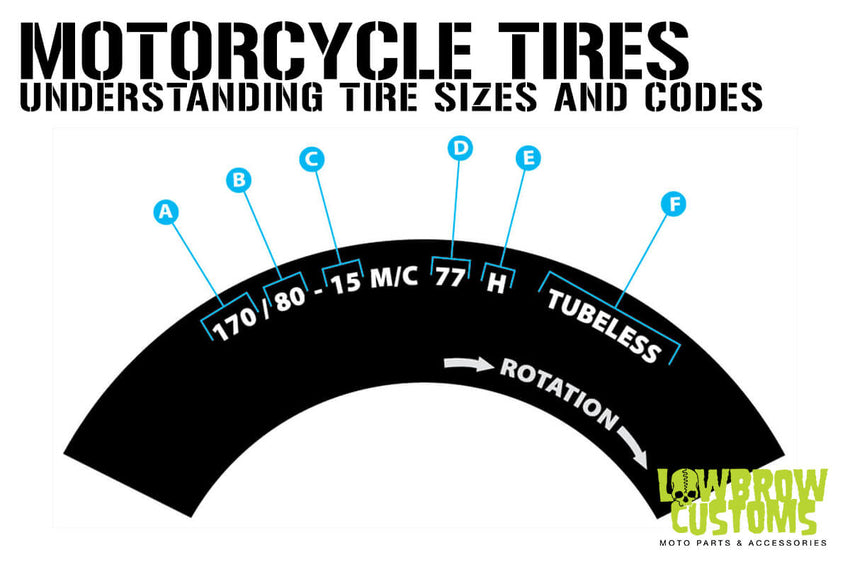
Credit: www.lowbrowcustoms.com
Impact Of Riding Style
The way you ride your motorcycle affects how long the tires last. Different styles cause different wear rates. Understanding this helps you keep your tires safe and in good shape.
Riding style changes the pressure and heat on tires. These factors speed up or slow down tire wear. Let’s look at how aggressive and casual riding affect tire life. We will also see how terrain plays a role.
Aggressive Vs. Casual Riding
Aggressive riding means fast acceleration, hard braking, and sharp turns. This style puts more stress on tires. Casual riding is smooth and steady. It causes less tire wear.
- Aggressive Riding:Tires wear out faster due to heat and friction.
- Casual Riding:Tires last longer with less pressure and heat buildup.
- Frequent Hard Turns:Cause uneven tire wear, especially on the edges.
- Rapid Acceleration and Braking:Increase tread wear on certain tire parts.
Terrain Influence
Terrain affects tire durability. Rough or off-road surfaces wear tires faster. Smooth roads cause less damage. Matching tires to terrain helps improve life span.
| Terrain Type | Effect on Tires | Recommended Action |
|---|---|---|
| Smooth Asphalt | Minimal wear, even tread use | Regular tire maintenance |
| Gravel or Dirt | Increased puncture risk, faster tread wear | Use off-road or dual-sport tires |
| Wet or Slippery Roads | Potential for sliding, uneven wear | Check tire tread depth often |
| Urban Streets with Potholes | Sidewall damage, uneven wear | Avoid potholes, inspect tires regularly |
When To Replace Motorcycle Tires
Motorcycle tires wear out over time and use. Knowing when to replace them keeps you safe on the road. Old or worn tires can cause accidents.
Check your tires regularly. Look for signs of aging or damage. Replace tires before they become dangerous.
Age Guidelines
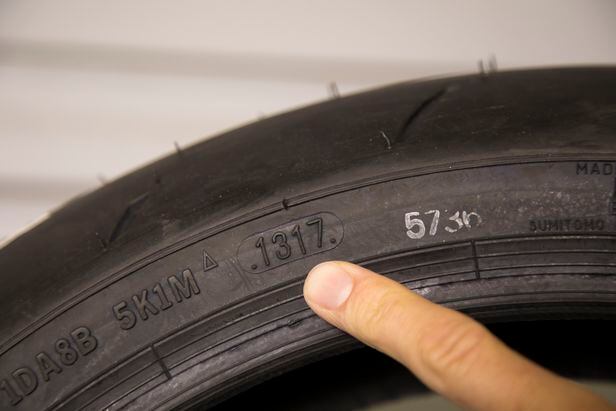
Tires get weaker as they get older, even if you ride little. Most experts say replace tires after 5 years. Some say 6 years is the limit.
Check the tire’s manufacture date on the sidewall. It shows the week and year the tire was made. Do not use tires older than 6 years.
- Tire age over 5 years needs close inspection
- Replace tires after 6 years no matter the condition
- Store tires properly to slow aging
Performance Decline Signs
Watch for signs your tires are losing grip or strength. Worn tires reduce control and increase crash risk. Replace tires if you see these signs.
- Tread depth below 2/32 inch (1.6 mm)
- Visible cracks or dry rot on the sidewall
- Bulges, blisters, or deformities
- Frequent air pressure loss
- Uneven wear or flat spots
Replace tires immediately if you find any damage. Do not wait for a flat tire or accident. Regular checks keep your ride safe.

Credit: www.motorcyclistonline.com
Choosing The Right Replacement Tires
Replacing motorcycle tires is important for safety and performance. Choosing the right tires depends on your bike and riding style. This guide helps you pick tires that fit your needs well.
Understanding tire types and matching them to your riding helps extend tire life and improve control. Let’s explore the main tire types and how to match them to your riding habits.
Tire Types And Suitability
Motorcycle tires come in several types. Each type suits different road conditions and riding styles. Picking the right type improves grip and tire life.
- Sport Tires:Designed for fast riding on smooth roads. They offer strong grip but wear out faster.
- Touring Tires:Built for long rides and comfort. These tires last longer and handle wet roads well.
- Off-road Tires:Made for dirt and rough terrain. They have deep treads for better traction on soft surfaces.
- Dual-sport Tires:Good for both on-road and off-road riding. They balance grip and durability.
Matching Tires To Riding Needs
Choosing tires also means matching them to how and where you ride. Consider these factors to pick the right tire type for you.
| Riding Style | Recommended Tire Type |
| City commuting | Touring Tires |
| Sport riding on highways | Sport Tires |
| Off-road adventures | Off-road Tires |
| Mixed road and trail use | Dual-sport Tires |
Frequently Asked Questions
How Often Should Motorcycle Tires Be Replaced?
Motorcycle tires should be replaced every 5-6 years, regardless of tread wear. Regular checks for signs of aging, such as cracks or hardening, are essential. Riding style, tire type, and road conditions can also impact tire lifespan. Always follow manufacturer guidelines and consult a professional for advice.
What Factors Affect Motorcycle Tire Lifespan?
Several factors affect tire lifespan, including riding habits, road conditions, and maintenance. Aggressive riding and poor roads can shorten tire life. Regularly checking tire pressure and alignment is crucial. Keeping tires clean and storing them properly can also extend their lifespan, ensuring safe rides.
How Can I Tell If My Motorcycle Tires Are Worn Out?
Look for signs like reduced tread depth, cracks, or uneven wear. Feel for vibrations while riding, which may indicate wear. Check the tire’s manufacturing date; tires older than 6 years should be replaced. Regular inspections can help spot issues early, ensuring safety on the road.
Can Weather Conditions Impact Tire Durability?
Yes, weather significantly impacts tire durability. Extreme temperatures and UV exposure can cause tire cracking or hardening. Cold weather may reduce tire flexibility, while rain increases wear. Using season-appropriate tires and storing them in a cool, dry place can help maintain their condition.
Conclusion
Motorcycle tires wear out faster than many expect. Check tire tread and age regularly. Old or worn tires reduce grip and safety. Replace tires every five years or sooner if damaged. Proper tire care helps avoid accidents and saves money.
Riding with good tires keeps your bike steady and secure. Always inspect tires before long rides. Stay safe, ride smart, and maintain your tires well.