Have you ever found a forgotten pack of ribs in the back of your freezer and wondered if they’re still good to eat? You’re not alone.
Many of us stock up during sales or prepare for future barbecues, only to lose track of time. But knowing how long ribs can last in the freezer is crucial for both taste and safety. Imagine the disappointment of craving a juicy, tender rib dinner, only to discover they’re not fit for consumption.
Don’t let that happen to you! Stick with us as we unravel the mystery of freezer storage times for ribs, ensuring your meals are always delicious and safe.
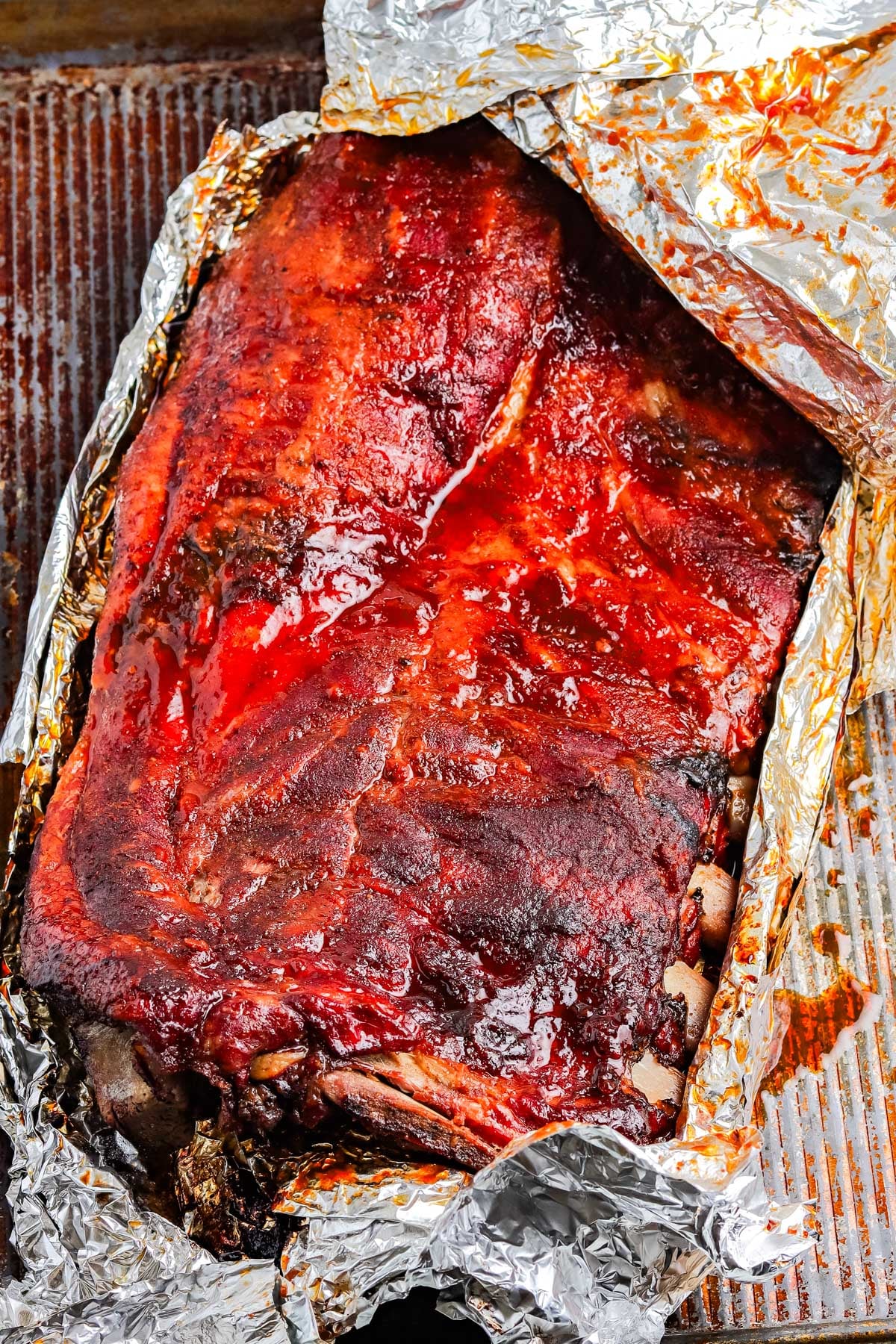
Credit: foodfolksandfun.net
Freezer Storage Basics
Storing ribs in the freezer helps keep them fresh and tasty for longer. Knowing the basics of freezer storage is important. Proper freezing preserves flavor and texture. It also prevents freezer burn and spoilage. Understanding key points can help you enjoy ribs anytime.
Ideal Freezer Temperature
Keep the freezer at 0°F (-18°C) or below. This temperature stops bacteria growth. It also keeps ribs safe to eat for months. Avoid temperature changes by keeping the door closed. A steady temperature preserves quality and taste.
Packaging Tips
Wrap ribs tightly to block air and moisture. Use heavy-duty aluminum foil or freezer paper. Vacuum-sealed bags work best to prevent freezer burn. Label packages with the date before freezing. This helps track storage time and freshness.
Types Of Ribs For Freezing
Spare ribs, baby back ribs, and St. Louis style ribs freeze well. Raw ribs freeze better than cooked for longer storage. Cooked ribs can freeze but keep them only a few months. Proper packaging and freezing extend rib shelf life.
Shelf Life Of Ribs
Understanding the shelf life of ribs in your freezer is key to enjoying that perfect taste every time. How long you keep ribs frozen directly affects their flavor, texture, and safety. Let’s break down how long raw and cooked ribs last and what difference packaging makes.
Raw Ribs Storage Time
Raw ribs stay good in the freezer for about 4 to 6 months. Beyond this, they might still be safe but can lose flavor and texture. I once froze raw ribs for nearly 8 months and noticed they weren’t as juicy when cooked.
To keep the best quality, label your ribs with the freezing date. This simple step helps you avoid surprises and wasted food.
Cooked Ribs Storage Time
Cooked ribs generally last 2 to 3 months in the freezer. This shorter time is because cooking breaks down the meat fibers, making them more vulnerable to freezer burn. If you freeze cooked ribs longer, they might become dry or tough.
If you love meal prepping, freezing cooked ribs in meal-sized portions can save time and keep your meals tasty.
Vacuum-sealed Vs. Regular Packaging
Vacuum-sealed ribs can last significantly longer, up to 2 to 3 years, because the air is removed, which slows down spoilage. Regular packaging, like plastic wrap or foil, allows some air in, reducing shelf life to the months mentioned earlier.
- Vacuum sealing prevents freezer burn and keeps ribs fresher.
- Regular wrapping needs to be tight and combined with freezer bags to help preserve quality.
Have you tried vacuum sealing your ribs? It’s a game-changer for long-term storage and flavor preservation.
Signs Of Spoiled Ribs
Knowing the signs of spoiled ribs can save you from an unpleasant meal and potential health risks. Frozen ribs can last a long time, but they don’t stay fresh forever. Paying attention to changes in appearance, texture, and smell helps you decide if your ribs are still safe to eat or if it’s time to toss them out.
Visual Changes
Look closely at the ribs before cooking. Spoiled ribs often develop a dull or grayish color instead of their usual pink or reddish hue.
Watch out for white or greenish mold spots, which are clear signs of spoilage. Ice crystals or freezer burn might make the ribs look dry or leathery, indicating they’ve been frozen too long.
Texture Differences
Fresh ribs should feel firm and slightly moist. If the ribs feel slimy or sticky, it’s a sign that bacteria have started to grow.
Freezing can sometimes change texture, but a slippery surface is different from natural moisture. If the meat falls apart easily or feels mushy, it’s better not to risk eating it.
Unpleasant Odors
Smell your ribs before cooking. Fresh ribs have a neutral or mild meaty scent.
If you detect sour, rancid, or ammonia-like odors, the ribs have gone bad. Trust your nose—if it smells off, it probably is.
Thawing Ribs Safely
Thawing ribs safely is important to keep them fresh and tasty. Improper thawing can cause bacteria growth. This makes the ribs unsafe to eat. Choosing the right thawing method keeps your ribs juicy and flavorful. Here are three safe ways to thaw ribs at home.
Refrigerator Thawing
Place frozen ribs in the refrigerator to thaw slowly. Keep them in their original packaging or on a plate. This method takes time, usually 24 hours for a full rack. It keeps ribs at a safe, cold temperature. The slow thaw helps keep the meat tender and juicy.
Cold Water Method
Seal ribs in a leak-proof plastic bag. Submerge the bag in cold water. Change the water every 30 minutes to keep it cold. This method thaws ribs faster than the fridge, about 2 to 3 hours. Cook ribs immediately after thawing with this method.
Microwave Thawing
Use the microwave’s defrost setting to thaw ribs quickly. Remove any packaging and place ribs in a microwave-safe dish. Check and turn ribs often to avoid cooking edges. Cook ribs immediately after microwave thawing. This method can start cooking the meat, so act fast.
Tips To Maintain Rib Quality
Maintaining the quality of ribs in the freezer ensures they stay tasty and safe to eat. Proper care helps keep the flavor, texture, and juiciness intact. Follow simple tips to protect your ribs and enjoy them later without losing quality.
Avoiding Freezer Burn
Freezer burn makes ribs dry and tough. Wrap ribs tightly in plastic wrap or aluminum foil. Use airtight freezer bags or containers to block air exposure. Remove as much air as possible before sealing. Freeze ribs quickly to keep moisture locked inside.
Proper Portioning
Divide ribs into smaller portions before freezing. This allows you to thaw only what you need. It prevents repeated freezing and thawing, which damages quality. Use freezer-safe bags or containers sized for single meals. Label each portion clearly for easy use.
Labeling And Dating
Always label ribs with the freezing date and type of meat. Use a permanent marker on freezer bags or containers. This helps track storage time and avoid spoilage. Ribs usually stay good for 4 to 6 months in the freezer. Eat them within this time for best taste.
Credit: www.simplylakita.com
Cooking Frozen Ribs
Cooking frozen ribs can be a real time-saver when you’re craving a hearty meal but forgot to thaw your meat in advance. It’s completely doable and can still yield delicious results if you handle the process correctly. Let’s talk about how you can cook ribs straight from the freezer and still enjoy great flavor and tenderness.
Direct Cooking From Frozen
You can cook ribs directly from the freezer without thawing, but you need to adjust your approach. Start by placing the frozen ribs on a baking sheet or grill, ensuring they cook evenly. Avoid cooking on high heat initially; instead, use low and slow methods to allow the ribs to defrost and cook through without drying out.
Have you ever tried grilling frozen ribs? It can be tricky because the outside might char before the inside cooks. That’s why using indirect heat or an oven is often better for direct cooking.
Adjusting Cooking Times
Frozen ribs require more time to cook than thawed ones—usually about 50% longer. If your recipe says to cook ribs for 2 hours, expect to add an additional hour for frozen ribs. Keep a meat thermometer handy; ribs are safe to eat at an internal temperature of 145°F, but most prefer cooking them to around 190°F for tenderness.
Check the ribs periodically to avoid overcooking or drying out the meat. This extra time might feel inconvenient, but it’s necessary to ensure juicy, tender ribs.
Flavor Preservation Techniques
Freezing can dull some of the natural flavors in ribs, so it’s important to boost them during cooking. Marinate your ribs before freezing, or apply a fresh rub right before cooking to add depth. Using sauces, glazes, or basting during the cooking process helps keep the ribs moist and flavorful.
Have you considered wrapping ribs in foil with a splash of apple juice or broth? This simple trick locks in moisture and enhances flavor while cooking frozen ribs.

Credit: getinspiredeveryday.com
Frequently Asked Questions
How Long Can Ribs Stay Frozen Safely?
Ribs can stay frozen safely for up to 6 months. Beyond this, quality may decline but they remain safe if properly stored.
Does Freezing Affect Rib Taste Or Texture?
Freezing ribs may slightly change texture, making meat less tender. Proper wrapping minimizes taste and texture loss.
How Should Ribs Be Stored In The Freezer?
Wrap ribs tightly in plastic wrap or aluminum foil. Place them in airtight freezer bags to prevent freezer burn.
Can Frozen Ribs Be Refrozen After Thawing?
Avoid refreezing thawed ribs to prevent quality loss and bacterial growth. Cook thawed ribs before freezing again.
Conclusion
Ribs stay fresh in the freezer for about 4 to 6 months. Keeping them wrapped well stops freezer burn. Always label your packages with the date before freezing. Thaw ribs slowly in the fridge for best taste. Eating ribs within this time keeps them safe and tasty.
Proper storage helps keep their flavor and texture. Remember, frozen ribs last longer but don’t keep them forever. Check ribs for any strange smell or color before cooking. Enjoy your ribs while they are at their best!