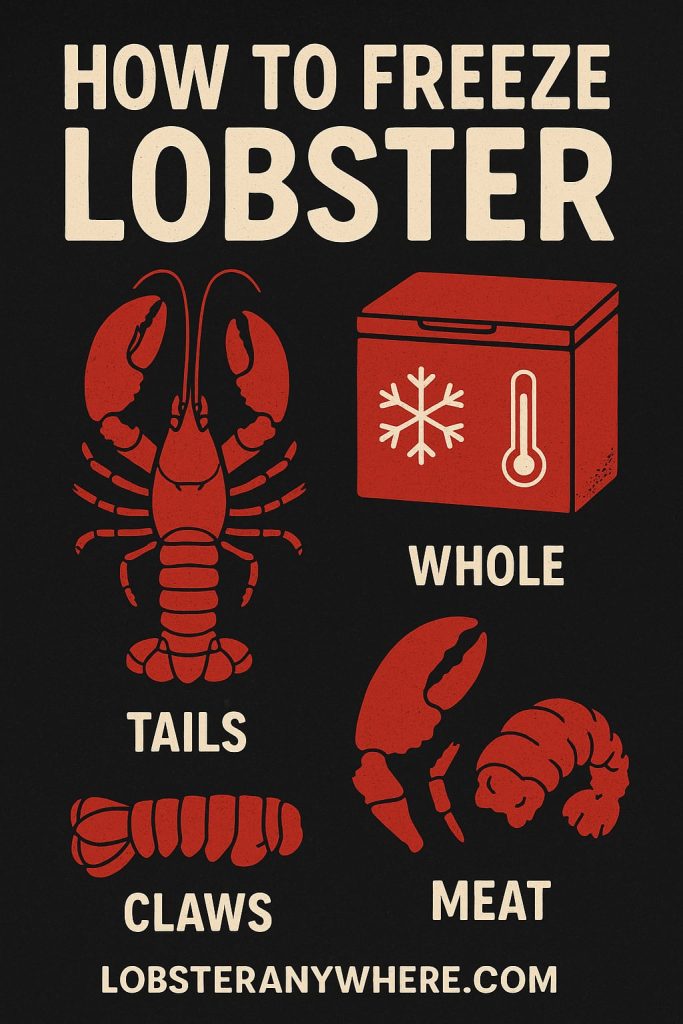
Have you ever found yourself with extra lobster tails after a delightful seafood feast, wondering how long they can stay in your freezer? You’re not alone.
Freezing lobster tails can be a game-changer, allowing you to savor their rich taste long after your initial purchase. But how long is too long to keep them frozen? You might be surprised by the answer. Understanding the right time frames not only ensures the best taste and texture but also keeps your meals safe and delicious.
Stick around as we dive into the details that will help you enjoy your lobster tails to the fullest whenever the craving strikes.

Credit: www.northcoastseafoods.com
Freezing Basics For Lobster Tails
Freezing lobster tails is a smart way to extend their shelf life and enjoy their rich flavor whenever you want. Understanding the basics of freezing will help you maintain their texture and taste. Let’s look at how to set your freezer, what types of lobster tails freeze best, and how to prepare them before freezing.
Ideal Freezer Temperatures
Keeping lobster tails at the right temperature is crucial. Your freezer should be set at 0°F (-18°C) or lower to ensure the tails stay fresh and safe to eat for months.
Temperatures above 0°F can cause the lobster meat to lose moisture and develop freezer burn. Do you check your freezer’s temperature regularly to make sure it’s consistent?
Types Of Lobster Tails To Freeze
You can freeze both raw and cooked lobster tails, but the quality varies depending on which you choose. Raw tails freeze best if you plan to cook them later, preserving their natural flavor.
Cooked tails freeze well too, but they might become a bit rubbery after thawing. Frozen lobster tails bought from the store often come pre-cooked, so check the packaging before freezing again.
Pre-freezing Preparation Tips
Proper preparation is key to freezing lobster tails successfully. Start by rinsing the tails under cold water to remove any surface impurities.
Pat them dry with paper towels to avoid ice crystals forming. Wrap each tail tightly in plastic wrap or aluminum foil, then place them in a freezer-safe bag or airtight container.
Removing as much air as possible helps prevent freezer burn. Have you tried vacuum sealing? It’s a great way to lock in freshness if you freeze lobster tails often.
Optimal Freezing Duration
Freezing lobster tails preserves their rich flavor and texture. Knowing the optimal freezing duration helps keep them fresh and tasty. Proper freezing prevents spoilage and maintains quality for your meals.
Fresh Vs Cooked Lobster Tails
Fresh lobster tails freeze better than cooked ones. Raw tails keep their natural flavor longer. Cooked lobster tails lose moisture and texture faster. Freeze fresh tails quickly for best results. Cooked tails should be eaten sooner after freezing.
Maximum Storage Times
- Raw lobster tails last up to 6 months in the freezer.
- Cooked lobster tails stay good for about 2 to 3 months.
- Store at 0°F (-18°C) or lower for safety.
- Label packages with the date to track storage time.
Signs Of Freezer Burn
Freezer burn appears as dry, white patches on the lobster tail. It causes a tough texture and off-flavors. A strong freezer smell can also indicate damage. Always wrap lobster tails tightly to avoid air exposure. Discard tails with severe freezer burn for best taste.
Packaging Methods
Proper packaging is key to freezing lobster tails safely and keeping their quality. The right method stops freezer burn and preserves flavor. It also helps maintain texture and freshness over time.
Choosing the best packaging depends on your tools and how long you plan to freeze the lobster tails. Using airtight materials creates a barrier against moisture and air, which cause spoilage.
Vacuum Sealing Benefits
Vacuum sealing removes air around the lobster tails before freezing. This reduces ice crystals and prevents freezer burn. It keeps the lobster fresh longer, maintaining taste and texture.
Vacuum sealing also saves space in the freezer. It creates a tight, compact package that stacks easily. This method is ideal for long-term storage.
Using Freezer Bags And Wraps
If you don’t have a vacuum sealer, freezer bags and wraps work well. Use heavy-duty freezer bags to protect against moisture. Squeeze out as much air as possible before sealing.
Wrapping lobster tails tightly in plastic wrap or aluminum foil adds an extra layer of protection. Combine wrapping with a freezer bag for best results. This reduces air exposure and keeps tails fresh.
Labeling And Dating Tips
Labeling packages helps you track storage time and avoid forgetting frozen items. Write the freezing date clearly on each package using a permanent marker.
Use simple labels with the date and contents. This helps identify lobster tails quickly. Rotate your frozen stock by using the oldest first to keep quality high.
Thawing Lobster Tails Safely
Thawing lobster tails safely is essential for great taste and food safety. Proper thawing keeps the meat tender and fresh. It also prevents harmful bacteria from growing. There are simple ways to thaw lobster tails that protect their quality. Choose a method that fits your schedule and ensures safety.
Refrigerator Thawing
Place frozen lobster tails in the refrigerator. Keep them in a sealed bag or container. Let them thaw slowly for 12 to 24 hours. This method keeps the temperature steady and safe. It helps maintain the lobster’s texture and flavor. Plan ahead to allow enough thawing time in the fridge.
Cold Water Method
Seal lobster tails in a watertight bag. Submerge the bag in cold water. Change the water every 30 minutes to keep it cold. Lobster tails thaw in about 1 to 2 hours using this method. It is faster than refrigerator thawing but still safe. Avoid using warm or hot water to prevent bacteria growth.
Avoiding Unsafe Practices
- Do not thaw lobster tails at room temperature.
- Avoid using hot water or microwaving to thaw.
- Do not refreeze lobster tails after thawing.
- Handle thawed lobster with clean hands and utensils.
Following safe thawing methods keeps lobster tails delicious and safe to eat. Avoid shortcuts that risk food safety or quality.
Cooking After Freezing
Cooking lobster tails after freezing requires care to keep their quality. Proper handling helps keep the meat tender and full of flavor. Thawing and cooking steps impact the final taste and texture. Follow these tips to enjoy lobster tails like fresh ones.
Maintaining Texture And Flavor
Thaw lobster tails slowly in the refrigerator. This prevents tough or rubbery meat. Avoid thawing at room temperature to stop bacteria growth. Pat dry before cooking to remove excess moisture. This helps the seasoning stick and improves texture.
Freezing can dull natural flavors. Use fresh herbs and spices to boost taste. Avoid heavy sauces that mask the lobster’s delicate flavor. Light seasoning works best to keep the natural sweetness.
Recommended Cooking Techniques
Steaming and boiling keep lobster tails moist and tender. Baking at moderate heat preserves flavor without drying out the meat. Grilling adds a smoky taste but needs careful watch to avoid burning.
- Steam for 5–7 minutes after thawing
- Boil in salted water for 3–4 minutes
- Bake at 350°F (175°C) for 12–15 minutes
- Grill on medium heat for 5–6 minutes per side
Avoiding Overcooking
Overcooking makes lobster tough and dry. Check the meat for a firm, opaque look. Remove from heat as soon as it turns white and firm. Use a timer to prevent cooking too long. Rest lobster tails briefly before serving to keep juices locked in.
Common Freezing Mistakes
Freezing lobster tails seems straightforward, but many people make avoidable mistakes that affect taste and texture. These errors can leave you with a disappointing meal instead of a delicious seafood treat. Understanding what not to do helps you preserve lobster tails at their best, so every bite feels fresh and flavorful.
Freezing Lobster Tails Too Long
Keeping lobster tails in the freezer for too long causes ice crystals to form inside the meat. This breaks down the texture, making it mushy when cooked. You might think freezer time doesn’t matter, but even after a month or two, quality drops noticeably.
Ask yourself: how often do you check the age of your frozen seafood? Setting a clear freeze-by date on the package can save you from a poor dining experience.
Improper Packaging Issues
Air exposure is the enemy of frozen lobster tails. Without airtight packaging, freezer burn can occur, drying out the meat and altering the flavor. Using plastic wrap alone won’t cut it—vacuum sealing or double-wrapping with heavy-duty foil and a freezer bag works better.
Think about how you store other frozen foods. Would you leave them loosely wrapped? Probably not. Treat your lobster tails with the same care to keep them juicy and tasty.
Refreezing Consequences
Refreezing lobster tails after thawing is tempting, especially if you don’t use them all at once. However, every freeze-thaw cycle damages cell structure and accelerates spoilage. This results in a rubbery texture and bland taste.
If you find yourself refreezing often, try thawing smaller portions or cooking leftovers immediately. How can you plan portions better to avoid this pitfall?
Tips For Buying Lobster Tails To Freeze
Freezing lobster tails is a great way to enjoy seafood later. Buying the right lobster tails ensures they stay fresh and tasty after freezing. Focus on freshness, size, and quality for the best results. Understand the difference between fresh and frozen options for smart choices.
Selecting Freshness Indicators
Choose lobster tails with a firm shell and moist meat. Avoid any tails that look dry or have a strong fishy smell. Bright, clear shells usually mean the lobster is fresh. Check for a natural ocean scent, not sour or ammonia-like odors. Fresh tails will feel heavy for their size.
Choosing Size And Quality
Pick lobster tails that match your recipe needs. Larger tails have more meat but may cost more. Medium-sized tails offer a good balance between price and flavor. Look for tails with intact shells and no cracks. Avoid tails with black spots or discoloration on the meat.
Buying Frozen Vs Fresh
Frozen lobster tails are often flash-frozen to lock in freshness. They can last longer in your freezer without losing quality. Fresh tails taste best if used quickly and stored properly. Frozen options can be more convenient and sometimes less expensive. Always check the packaging date and storage instructions.
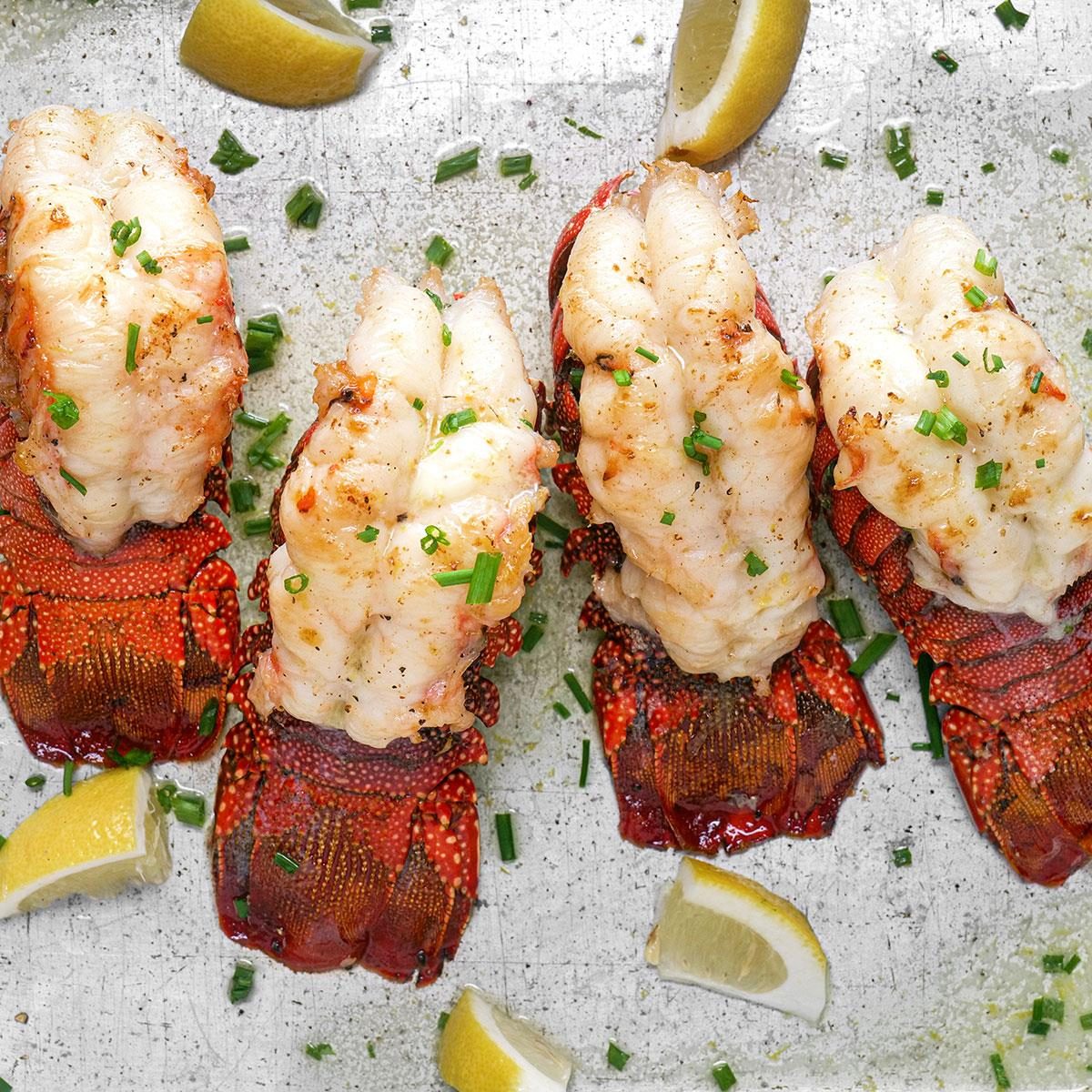
Credit: www.tasteofhome.com
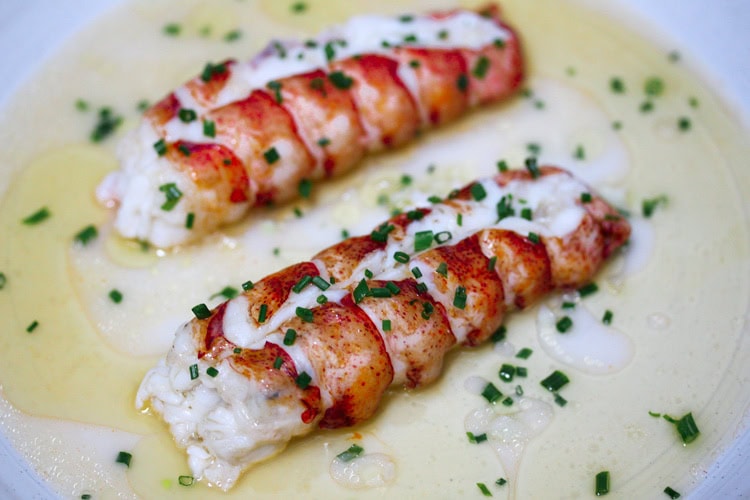
Credit: sousvideways.com
Frequently Asked Questions
How Long Can Lobster Tails Stay Frozen Safely?
Lobster tails can be safely frozen for up to 6 months. Beyond this, quality and texture may decline. Always store them in airtight packaging to prevent freezer burn and maintain freshness.
Can Frozen Lobster Tails Be Refrozen After Thawing?
It is not recommended to refreeze thawed lobster tails. Refreezing can cause loss of moisture, affecting taste and texture. Use thawed lobster tails promptly to ensure the best quality and safety.
What’s The Best Way To Freeze Lobster Tails?
To freeze lobster tails, wrap them tightly in plastic wrap and place in a sealed freezer bag. Remove excess air to prevent freezer burn. Label with the date to track storage time easily.
How Do I Thaw Frozen Lobster Tails Safely?
Thaw frozen lobster tails in the refrigerator overnight. This gradual thawing keeps them at a safe temperature. Avoid thawing at room temperature to prevent bacterial growth and maintain quality.
Conclusion
Freezing lobster tails keeps them fresh for several months. Store them properly in airtight bags or containers. Avoid freezer burn by removing excess air before sealing. Use frozen lobster tails within six to twelve months for best taste. Thaw them slowly in the fridge to keep texture and flavor.
Cook lobster tails soon after thawing to enjoy their best quality. With simple care, frozen lobster tails stay delicious and safe to eat. Keep these tips in mind for tasty seafood meals anytime.