Imagine this: You’ve just discovered that your child has lice, and you’re scrambling to find a foolproof solution. You might have heard that freezing temperatures can kill these pesky bugs, but you’re left wondering how effective this method truly is.
How long do lice actually survive in such cold conditions? The answer could be the game-changer you’ve been looking for. We’ll dive deep into the science behind lice survival in freezing temperatures. You’ll discover whether your freezer can be your new best friend in battling lice, or if it’s just a myth that wastes your time.
Stay with us as we uncover all the facts and get you one step closer to being lice-free!

Credit: hightownpharmacy.co.uk
Lice Survival Basics
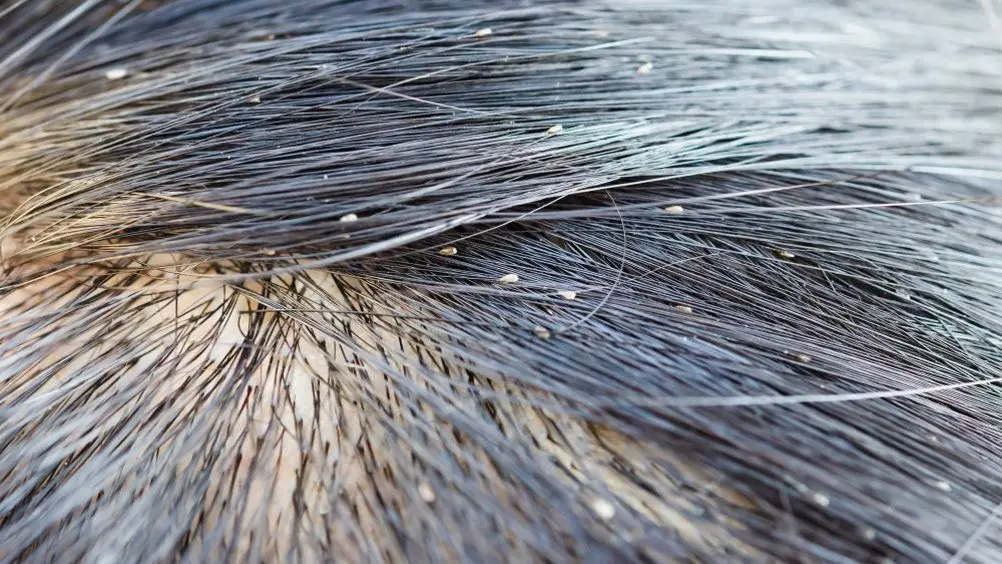
Lice are tiny insects that live on the human scalp. They need warmth and food to survive. Understanding their survival basics helps control and prevent infestations. These pests have a specific life cycle and clear environmental needs. Knowing these facts shows how long lice can live in freezing temperatures.
Lice Life Cycle
Lice go through three main stages:
- Eggs (Nits):Laid on hair shafts, close to the scalp.
- Nymphs:Young lice that hatch from eggs after about 7-10 days.
- Adults:Fully grown lice that live about 30 days on a host.
Each stage depends on a warm environment. Without it, lice cannot grow or survive long.
Environmental Needs
Lice need a host to feed on blood. They cannot survive long away from it. Their survival depends on:
- Warmth from the human scalp.
- Humidity to keep them alive.
- Food supply, which is human blood.
In freezing temperatures, lice struggle to live. Cold environments dry them out and stop feeding. Most lice die within 1-2 days without warmth and food.

Credit: www.cleanandgreenpest.com.au
Effects Of Cold On Lice
Cold temperatures affect lice differently than warm ones. Understanding how cold impacts lice helps control their spread. Lice survive by staying close to the human scalp, where it stays warm. Outside the body, cold can harm or kill them.
Impact Of Freezing Temperatures
Freezing temperatures cause lice to slow down and lose energy. They cannot move well or feed, making survival hard. Lice left in freezing conditions without a host usually die within hours. Their eggs, called nits, are tougher but also face damage from cold. Prolonged freezing can kill nits, stopping new lice from hatching.
Tolerance Levels
Lice tolerate cold better than extreme heat but only to a point. They survive best between 70°F and 90°F near the scalp. Temperatures below 32°F (0°C) start to harm them quickly. Some lice may survive brief exposure to freezing but not long periods. Nits are more resistant but still vulnerable to freezing over time.
Lice Survival Time In Cold
Lice are tiny parasites that live on human hair and feed on blood. Their survival depends on temperature and environment. Cold conditions slow down their activity. Understanding how long lice can live in freezing temperatures helps in managing infestations better.
Duration At Freezing Points
Lice cannot survive long in freezing temperatures. At 32°F (0°C), lice usually die within a few hours. Their bodies freeze and stop functioning. Nits (lice eggs) are more resistant but also die if exposed to freezing for several days.
Here is a simple overview:
- Adult lice: survive less than 24 hours at freezing temperatures
- Nits: can survive up to 7 days in freezing conditions
Comparison With Other Conditions
Lice live longer in warm, humid places. At room temperature, they survive 1–2 days off the host. In dry or cold conditions, their survival time decreases sharply. Freezing is more effective in killing lice than just cold or dry air.
| Condition | Survival Time for Adult Lice | Survival Time for Nits |
|---|---|---|
| Freezing (0°C / 32°F) | Less than 24 hours | Up to 7 days |
| Room Temperature (20-25°C / 68-77°F) | 1-2 days | Up to 10 days |
| Dry Conditions | Less than 12 hours | Less than 5 days |
Credit: emeraldanimal.com
Factors Influencing Lice Longevity
Lice are tiny insects that survive by feeding on human blood. Their ability to live in freezing temperatures depends on several factors. Understanding these factors helps explain how long lice can survive outside a host during cold weather. Two key elements that influence lice longevity are humidity and shelter, and host availability.
Humidity And Shelter
Lice need moisture to survive. Dry air causes them to dry out quickly and die. High humidity helps lice stay alive longer, even in cold conditions. Shelter is also important. Lice hide in hair or clothing folds. These places protect them from harsh weather. Without shelter, lice are exposed to freezing air and lose moisture fast. This exposure shortens their lifespan.
Host Availability
Lice rely on human hosts for food and warmth. Without a host, they cannot survive more than a few days. In freezing temperatures, lice find it harder to survive without a body to keep them warm. When a host is nearby, lice remain close and live longer. If a host is absent for too long, lice die from starvation and cold.
Preventing Lice Spread In Cold Weather
Cold weather does not stop lice from spreading. These tiny pests survive well even in low temperatures. Preventing lice spread during winter takes awareness and action. Understanding how lice behave in cold helps control their movement.
Sharing hats, scarves, and coats can spread lice easily. Close contact in schools and homes increases risk. Keeping personal items separate and clean reduces chances of lice spreading. Regular hair checks catch lice early before they multiply.
Effective Treatment Methods
Use lice shampoos or lotions designed to kill lice and nits. Follow instructions carefully for best results. Combing hair with a fine-tooth comb removes lice and eggs. Repeat treatment after a week to catch missed lice.
- Wash clothes, hats, and beddings in hot water.
- Dry items on high heat to kill lice.
- Seal non-washable items in plastic bags for two weeks.
- Avoid sharing hairbrushes and accessories.
Early treatment stops lice from spreading to others. Consistent cleaning and checking help keep lice away in cold months.
Cold Weather Myths
Cold weather does not kill lice instantly. Lice can survive off the head for up to 48 hours. Freezing temperatures alone do not guarantee lice death. Lice prefer human warmth but can resist cold for some time.
Myth: Lice will die if you leave clothes outside in winter. Reality: Lice survive short cold exposure and stay hidden. Myth: Winter means no lice problems. Reality: Lice spread all year round, unaffected by seasons.
Understanding true lice behavior avoids false security. Use proven methods to prevent and treat lice effectively.
Frequently Asked Questions
How Long Do Lice Survive In Freezing Temperatures?
Lice can survive only a few hours in freezing temperatures. Extreme cold damages their body and disrupts their lifecycle. Prolonged exposure below 32°F (0°C) is lethal to lice and their eggs.
Can Lice Eggs Hatch After Freezing Cold?
Lice eggs, or nits, are less resilient to freezing than adult lice. Freezing temperatures typically prevent eggs from hatching. However, short cold exposure may not kill all eggs, so treatment is still necessary.
Does Freezing Kill Lice On Clothes Or Bedding?
Yes, freezing clothes or bedding for at least 24 hours can kill lice. Cold temperatures disrupt lice’s survival mechanisms. This method helps prevent lice reinfestation from contaminated fabrics.
What Is The Best Way To Kill Lice In Winter?
Using medicated lice treatments is best, even in winter. Freezing helps but may not eliminate all lice and eggs. Combine freezing with thorough combing and cleaning for complete lice removal.
Conclusion
Lice do not survive long in freezing temperatures. Cold can kill them quickly. But their eggs, called nits, are tougher and last longer. Freezing alone may not remove all lice or nits from clothes or hair. Clean clothes and proper treatments work best.
Knowing how cold affects lice helps control their spread. Stay informed to keep lice away effectively.