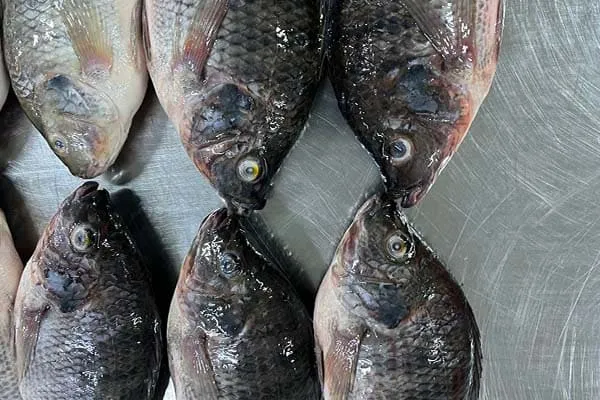
Have you ever found yourself wondering just how long that package of tilapia can safely sit in your freezer? It’s a common dilemma, especially if you’re someone who loves to stock up on this versatile and nutritious fish.
Getting it right ensures you enjoy flavorful meals without worrying about safety or quality. The good news is, you’re not alone in this query, and we’re here to guide you through it. By the end of this article, you’ll know exactly how long tilapia can be stored in your freezer without compromising its taste or safety.
So, if you want to make the most out of your freezer stash and never second-guess your culinary choices again, keep reading. Your next delicious dish awaits!
Tilapia Shelf Life In Freezer
Keeping tilapia fresh in your freezer can save you time and reduce food waste. But how long can you really store it without losing quality? Understanding the shelf life of tilapia in the freezer helps you plan meals better and avoid unpleasant surprises.
Raw Tilapia Duration
Raw tilapia can stay fresh in the freezer for about 6 to 8 months. Make sure you wrap it tightly in freezer-safe packaging or use vacuum sealing to prevent freezer burn. Have you noticed how freezer burn affects the texture and flavor? Proper packaging is key to keeping your fish tasting great.
Label your packages with the date you froze them. This simple step helps you track freshness easily. If you find tilapia that’s been in the freezer longer than 8 months, it’s safer to discard it or use it in dishes where texture is less important, like fish stews.
Cooked Tilapia Duration
Cooked tilapia lasts less time in the freezer—generally about 2 to 3 months. Cooked fish tends to lose moisture faster, affecting taste and texture. If you freeze leftovers, store them in airtight containers or heavy-duty freezer bags to lock in flavor.
When reheating, check for any off smells or changes in texture. Have you ever reheated frozen fish that tasted bland or rubbery? That’s a sign it’s past its prime. Using cooked tilapia within this timeframe ensures you enjoy it at its best quality.
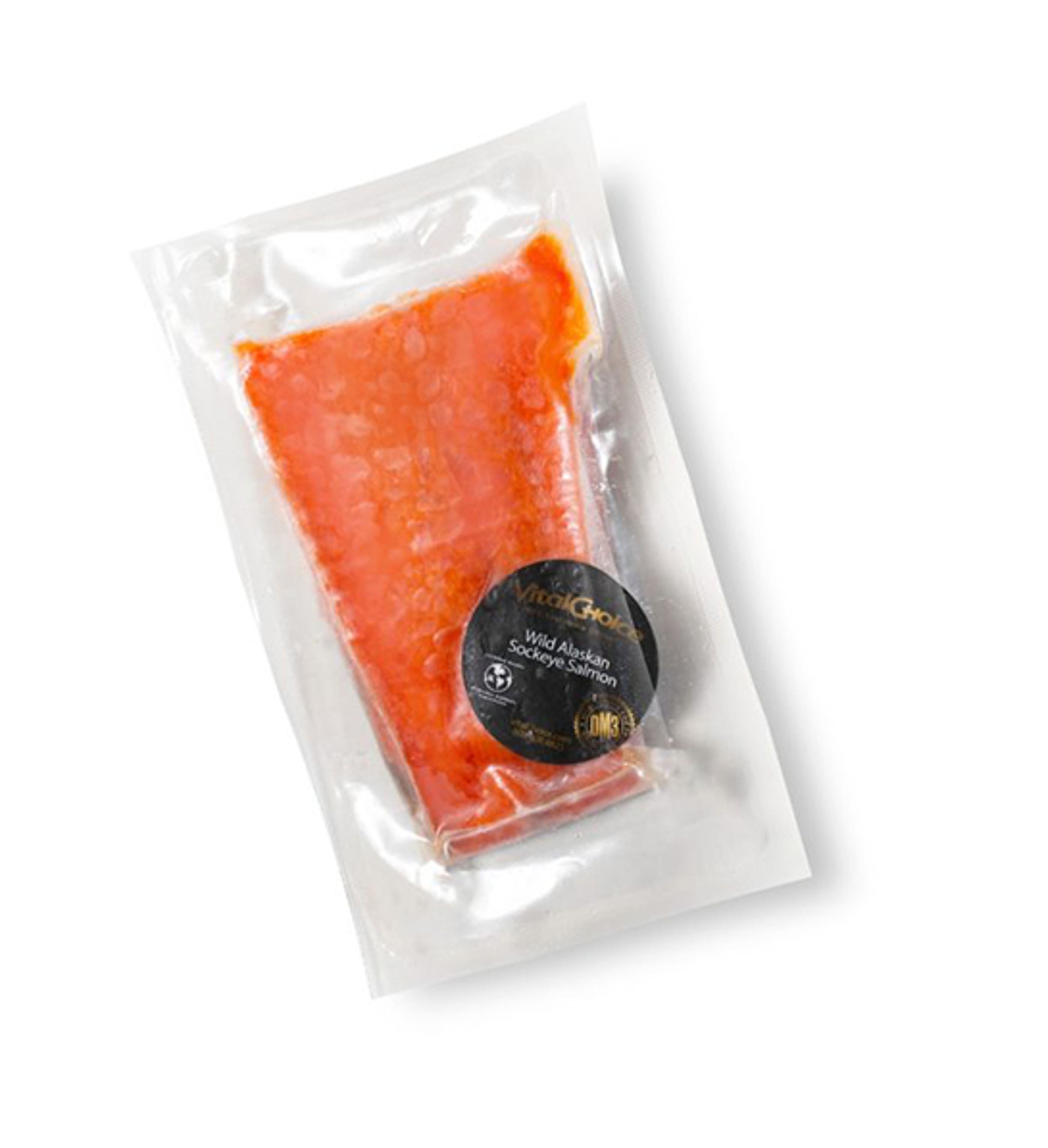
Credit: www.vitalchoice.com
Freezing Methods For Tilapia
Freezing tilapia properly helps keep its flavor and texture fresh. Choosing the right freezing method protects the fish from freezer burn and spoilage. Proper storage extends tilapia’s shelf life, making it safe to eat later. Simple steps in freezing can save money and reduce waste.
Packaging Tips
Use airtight packaging to prevent air exposure. Wrap tilapia in plastic wrap or aluminum foil first. Place wrapped fish in a freezer bag or vacuum-seal it. Remove as much air as possible before sealing. Label packages with the date to track storage time. Smaller portions freeze faster and thaw evenly.
Freezer Temperature Settings
Set the freezer to 0°F (-18°C) or lower for best results. Maintain a constant temperature to avoid thawing cycles. Avoid placing tilapia near the freezer door where temperature fluctuates. Check freezer temperature regularly to ensure it stays cold. Proper temperature keeps fish safe and maintains quality.
Signs Of Frozen Tilapia Spoilage
Knowing the signs of frozen tilapia spoilage can save you from an unpleasant meal and potential health risks. Even when frozen, fish can lose its freshness if stored too long or improperly. By learning what to look for, you can decide whether your tilapia is still good or if it’s time to toss it out.
Texture Changes
Fresh frozen tilapia should feel firm to the touch. If your tilapia becomes mushy or slimy after thawing, it’s a strong indicator that spoilage has set in.
Have you ever noticed your fish falling apart or feeling overly soft? That’s a clear sign the texture has deteriorated and the quality is compromised.
Off Smells
Tilapia should smell clean and mild, almost like the ocean. If you detect sour, ammonia-like, or overly fishy odors, it’s a red flag that the fish has gone bad.
Trust your nose here—if the smell makes you hesitate, it’s better not to take the risk.
Color Shifts
Good frozen tilapia usually has a consistent, pale pink or white color. Watch out for any yellowing, dark spots, or an overall dull appearance.
Discoloration often points to freezer burn or spoilage, which can affect taste and safety.

Credit: www.reddit.com
Thawing Frozen Tilapia
Thawing frozen tilapia properly is key to preserving its texture and flavor. Doing it right also keeps you safe from any harmful bacteria that can grow if the fish is left out too long. Let’s look at how you can thaw your tilapia safely and avoid common mistakes.
Safe Thawing Techniques
Thaw tilapia in the refrigerator whenever possible. This slow thaw keeps the fish at a safe temperature, usually around 40°F (4°C), which minimizes bacterial growth.
If you’re short on time, place the sealed tilapia in a bowl of cold water. Change the water every 30 minutes until it’s thawed. This method is quicker but still safe if done carefully.
Microwaving can be tempting, but it often starts to cook the edges of the fish unevenly. Use this only if you plan to cook the tilapia immediately after thawing.
Avoiding Bacterial Growth
Never leave frozen tilapia out on the counter to thaw. Room temperature encourages bacteria to multiply rapidly, which can cause food poisoning.
Once thawed, keep the fish refrigerated and cook it within 1-2 days. If you notice any off smell or slimy texture, discard it right away.
Do you usually thaw your fish on the counter? Try switching to the refrigerator method next time and see the difference in freshness and safety.
Tips To Extend Tilapia Freshness
Keeping your tilapia fresh in the freezer is more than just tossing it in and closing the door. How you store it can make a huge difference in flavor, texture, and safety. Let’s talk about simple tips that help your tilapia stay fresh longer and taste just as good as the day you bought it.
Vacuum Sealing Benefits
Vacuum sealing removes air from the packaging, which slows down the freezer burn process. Without air, your tilapia won’t dry out or develop off-flavors as quickly. This method locks in freshness and nutrients, preserving the fish’s natural taste.
Think about the last time you found freezer-burned fish—did it taste as good? Vacuum sealing helps avoid that problem completely. Plus, it saves space in your freezer by compressing the package tightly.
Proper Storage Containers
The right container can be a game-changer. Use airtight, freezer-safe containers or heavy-duty freezer bags to keep moisture and odors out. Avoid thin plastic wraps that tear easily or allow air to seep in.
Label your containers with the date to keep track of how long your tilapia has been frozen. This simple step helps you use the oldest fish first and reduces waste. Have you ever found mystery packages in your freezer? Clear labeling stops that confusion.
Common Freezing Mistakes To Avoid
Freezing tilapia is a smart way to keep it fresh longer. But common freezing mistakes can spoil your fish’s taste and texture. Avoiding these errors saves money and reduces waste. Let’s explore key freezing mistakes and how to prevent them.
Refreezing Risks
Refreezing tilapia after thawing harms its quality. Each freeze-thaw cycle breaks down fish fibers. This leads to a mushy texture and loss of flavor. Also, refreezing can increase bacteria growth. Always thaw only the amount you will cook. Never refreeze tilapia that has been left out too long.
Inadequate Sealing
Poor sealing exposes tilapia to air, causing freezer burn. Freezer burn dries out the fish and changes its taste. Use airtight containers or vacuum-sealed bags for storage. Remove as much air as possible before sealing. Label packages with dates to track freshness. Proper sealing keeps tilapia fresh and tasty longer.
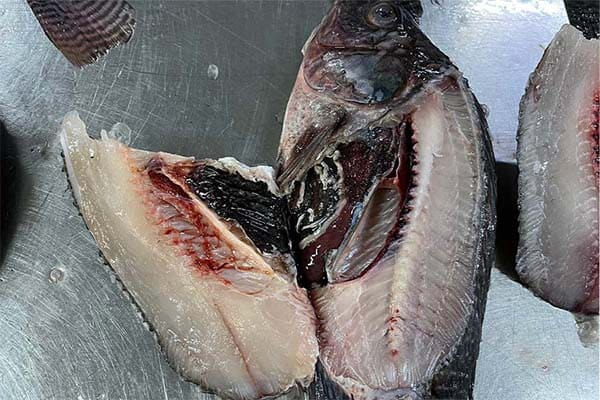
Credit: yanghuafishery.com
Frequently Asked Questions
How Long Can Tilapia Stay In The Freezer Safely?
Tilapia can stay in the freezer for up to 6 months. Proper packaging and consistent freezing temperature maintain its freshness and quality.
Does Freezing Tilapia Affect Its Taste Or Texture?
Freezing tilapia can slightly alter texture but preserves taste if stored correctly. Thawing slowly helps maintain its original quality.
What Is The Best Way To Freeze Tilapia?
Wrap tilapia tightly in plastic wrap or foil, then place in an airtight container or freezer bag to prevent freezer burn.
Can Frozen Tilapia Be Refrozen After Thawing?
It is not recommended to refreeze thawed tilapia as it risks bacterial growth and reduces flavor and texture quality.
Conclusion
Tilapia stays fresh in the freezer for about six months. Keep it wrapped tightly to avoid freezer burn. Label the package with the date to track storage time. Use frozen tilapia within this period for best taste and safety. Thaw it slowly in the fridge before cooking.
Proper storage helps keep flavor and texture intact. Enjoy your tilapia with confidence anytime you want. Simple steps make a big difference in food quality.