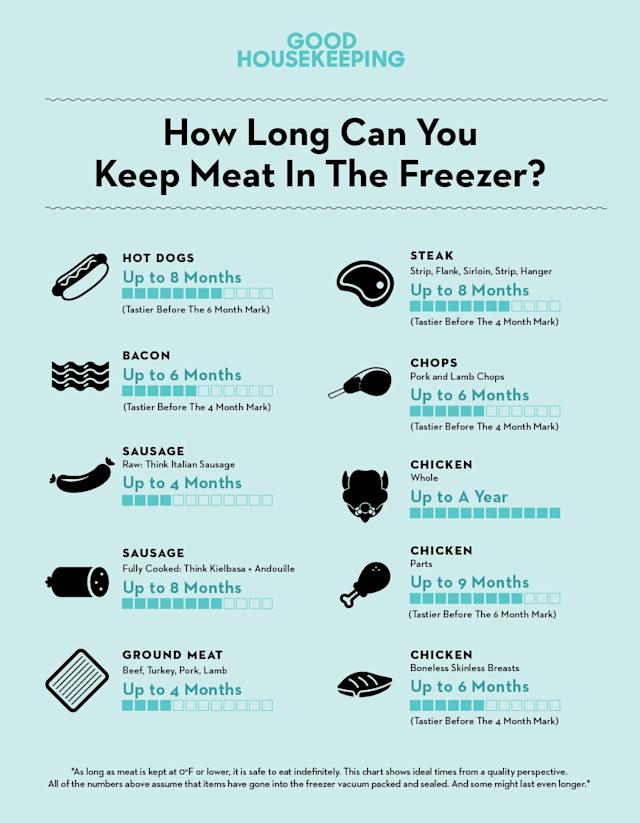
When you stash your meat in the freezer, you might wonder how long it will last without losing its quality. Vacuum sealing meat is a game-changer, but how long does it actually extend the shelf life?
This question is on the minds of many who aim to keep their food fresh and their meals delicious. Imagine never having to worry about freezer burn or wasted food again. The answer could save you time, money, and quite a few headaches in the kitchen.
You’re about to discover the secrets of vacuum-sealed meat storage, and what you learn could transform your approach to meal prepping and grocery shopping. Stay with us, and find out exactly how long your vacuum-sealed meats can safely stay in the freezer, ensuring your meals are always as tasty as the day you sealed them.
Vacuum Sealing Basics
Vacuum sealing is a simple yet powerful technique that can dramatically extend the freezer life of your meat. By removing air and sealing the meat tightly, it slows down spoilage and freezer burn. Understanding the basics of vacuum sealing will help you store your meat smarter and save money.
What Is Vacuum Sealing
Vacuum sealing is a process where air is removed from a plastic bag or container before sealing it tightly around the food. This creates an airtight environment that protects the meat from exposure to oxygen and moisture. You’ve probably seen vacuum-sealed packages at grocery stores—this is the same idea, but you can do it at home with a vacuum sealer.
Think about how your leftovers get dry and freezer-burned after a few weeks. Vacuum sealing stops this by cutting off air circulation. It’s like putting a protective barrier around your meat, keeping it fresh longer.
How Vacuum Sealing Preserves Meat
The key to preserving meat with vacuum sealing lies in reducing oxidation. Oxygen causes meat to spoil faster by promoting bacterial growth and freezer burn. When you vacuum seal, you remove almost all the air, which slows down these harmful processes.
Another benefit is moisture retention. Vacuum-sealed meat keeps its juices locked in, which preserves flavor and texture better than traditional plastic wrap. This means your steak or chicken stays tender and tasty even after months in the freezer.
Have you ever wondered why vacuum-sealed steaks taste fresher after freezing? This technique minimizes freezer burn, which happens when air dries out the meat’s surface. By preventing this, vacuum sealing maintains the quality of your meat far beyond what you might expect.

Credit: www.carnivoresociety.com.au
Freezer Storage Times
Freezer storage times for vacuum sealed meat vary by type and conditions. Proper sealing removes air, slowing spoilage and freezer burn. This helps meat keep its taste, texture, and nutrients longer. Knowing how long different meats last in the freezer keeps food safe and fresh. Understanding factors that affect storage helps prevent waste and saves money.
Shelf Life Of Different Meats
| Type of Meat | Vacuum Sealed Storage Time (Months) |
|---|---|
| Beef (steaks, roasts) | 12 |
| Pork (chops, roasts) | 8 |
| Chicken (whole or pieces) | 9 |
| Fish (fatty, like salmon) | 6 |
| Fish (lean, like cod) | 8 |
| Ground meat (beef, pork, chicken) | 3 to 4 |
Factors Affecting Longevity
- Freezer temperature must stay at 0°F (-18°C) or below.
- Vacuum seal quality affects air removal and protection.
- Initial meat freshness influences how long it lasts.
- Meat type and fat content impact freezer life.
- Opening the vacuum seal lets air in, reducing shelf life.
- Packaging material thickness can prevent freezer burn better.
Quality And Safety
Keeping vacuum sealed meat in your freezer can extend its shelf life significantly, but maintaining its quality and safety is crucial. Meat stored too long or improperly sealed can lose flavor, texture, and even become unsafe to eat. Knowing how to spot spoilage and prevent freezer burn will help you enjoy your meat at its best.
Signs Of Spoiled Meat
Even vacuum sealed, meat can spoil if stored for too long or if the seal is broken. Look for these signs before cooking:
- Off smell:A sour or rancid odor is a clear warning.
- Color changes:Brown, gray, or green hues indicate spoilage.
- Slimy texture:Sticky or slippery meat is unsafe.
- Ice crystals inside the package:While some frost is normal, large crystals can mean thawing and refreezing, risking spoilage.
If you notice any of these, it’s safer to discard the meat.
Preventing Freezer Burn
Freezer burn happens when air reaches the meat, drying it out and creating tough patches. It’s a quality issue more than a safety concern, but it affects taste and texture.
- Ensure a tight seal:Double-check your vacuum sealing for any leaks or weak spots.
- Use proper packaging:Use high-quality vacuum bags designed for freezing to keep air out.
- Freeze quickly:The faster meat freezes, the smaller the ice crystals that form, reducing damage.
- Maintain consistent freezer temperature:Keep your freezer at 0°F (-18°C) or below for the best preservation.
Have you ever opened a vacuum sealed package only to find dry, tough edges? That’s freezer burn sneaking in. Taking these steps can save you from that disappointment.
Best Practices For Freezing Meat
Freezing meat properly helps keep it fresh and tasty for longer periods. Vacuum sealing removes air, reducing freezer burn and preserving flavor. Following best practices ensures meat stays safe and delicious during storage.
Preparing Meat For Vacuum Sealing
Start by trimming excess fat and removing any bones. Cut large pieces into smaller portions for easier storage. Pat the meat dry with paper towels to remove moisture. Moisture can cause ice crystals, affecting texture. Place meat in vacuum seal bags without overcrowding. Leave some space at the top for sealing. Double-check the seal to avoid air leaks.
Freezer Temperature Tips
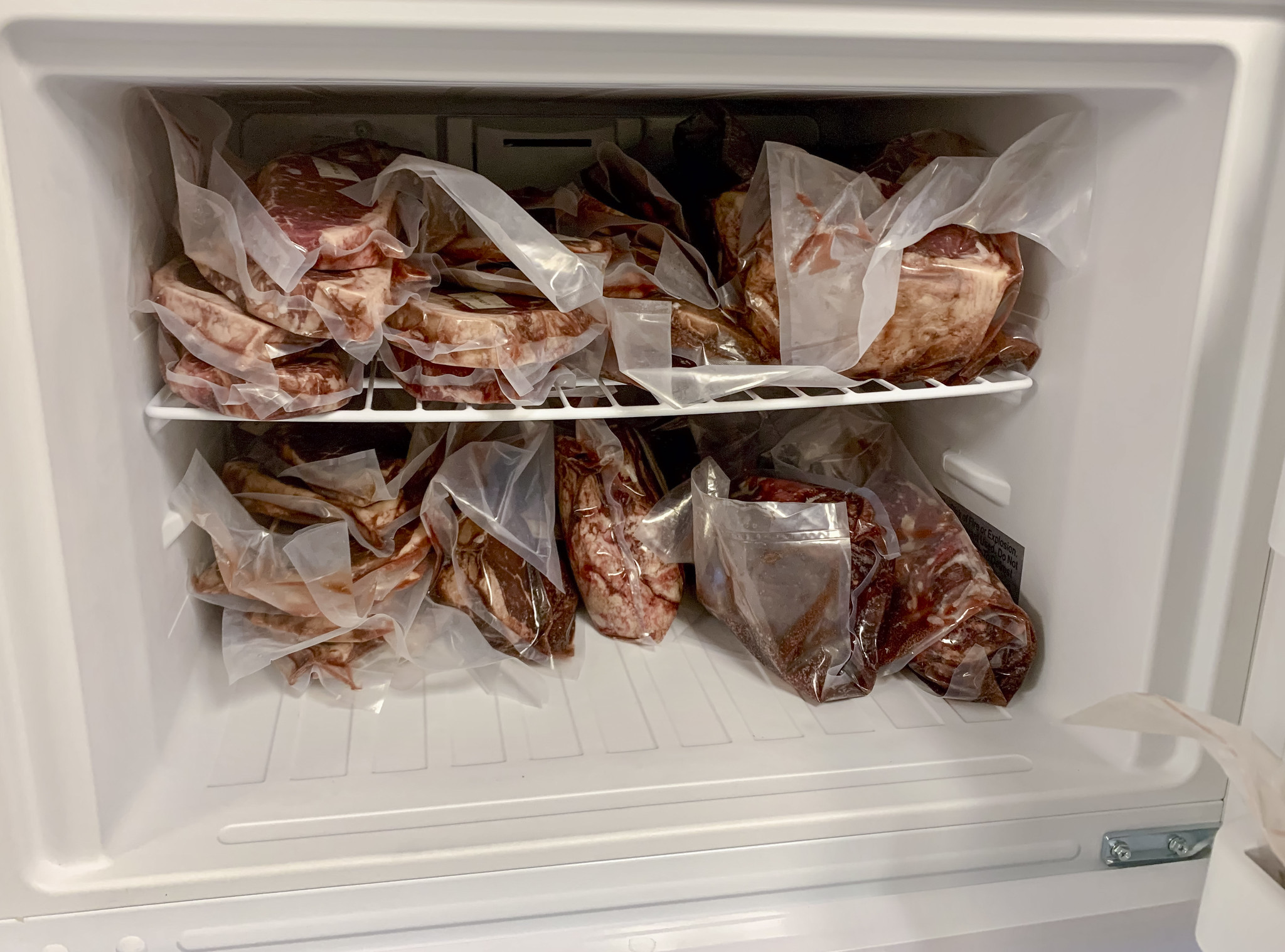
Keep your freezer at or below 0°F (-18°C) for optimal preservation. Use a freezer thermometer to monitor the temperature regularly. Avoid frequent opening of the freezer to maintain steady cold. Store vacuum sealed meat away from the freezer door. Fluctuating temperatures can reduce meat quality. Label packages with dates to track storage time easily.
Thawing Vacuum Sealed Meat
Thawing vacuum sealed meat properly is key to keeping it safe and tasty. The vacuum seal helps protect the meat from freezer burn and bacteria, but thawing must be done carefully. Using the right methods prevents harmful bacteria growth and keeps the texture and flavor intact. This section explains safe thawing ways and tips to maintain quality after thawing.
Safe Thawing Methods
- Place vacuum sealed meat in the fridge for slow, even thawing. This keeps the meat at a safe temperature.
- Submerge the sealed package in cold water. Change water every 30 minutes to keep it cold and speed up thawing.
- Use the microwave’s defrost setting if you need meat thawed quickly. Cook immediately after thawing to avoid bacteria growth.
Maintaining Quality After Thawing
Keep vacuum sealed meat in its packaging until ready to cook. Avoid refreezing thawed meat to prevent texture loss.
Cook thawed meat within 1 to 2 days to enjoy the best flavor and safety. Handle gently to keep juices inside the meat.
Credit: hpj.com
Common Myths About Vacuum Sealed Meat
Vacuum sealing meat has become popular for extending freezer life, but many myths still confuse how long it truly lasts. Some believe vacuum sealed meat can last indefinitely, while others think it’s no better than traditional storage. Sorting fact from fiction helps you make smarter choices and avoid wasting food or risking safety.
Misconceptions On Storage Time
One common myth is that vacuum sealed meat lasts forever in the freezer. While vacuum sealing slows down freezer burn and spoilage, it doesn’t stop time. Typically, vacuum sealed meat can last 2 to 3 years frozen, but quality may decline after 12 to 18 months.
Another misconception is that sealing alone guarantees safety. The initial freshness and proper freezing temperature matter just as much. If you freeze meat that was already close to spoiling, vacuum sealing won’t fix that.
Have you ever kept vacuum sealed meat for months only to find it dry or freezer burnt? That’s often due to fluctuating freezer temperatures, not the sealing method. So, consistent freezing is key alongside vacuum sealing.
Vacuum Sealing Vs Other Methods
Vacuum sealing is often compared to using ziplock bags or wrapping meat in plastic wrap and foil. Unlike these, vacuum sealing removes almost all air, significantly slowing oxidation and freezer burn.
However, vacuum sealing doesn’t replace proper freezing. Meat sealed in regular bags but frozen quickly and kept at a constant temperature can sometimes last nearly as long. The difference lies mostly in preserving quality rather than extending safety.
- Ziplock bags:Easy and cheap but allow some air in, increasing freezer burn risk.
- Plastic wrap and foil:Provides multiple layers but air pockets remain, leading to faster spoilage.
- Vacuum sealing:Removes air for better moisture retention and texture over time.
Think about your freezing habits. Are you sealing fresh cuts quickly and maintaining stable freezer temperatures? If not, vacuum sealing alone won’t save your meat from losing taste or texture.

Credit: angusmeatsdirect.com
Frequently Asked Questions
How Long Does Vacuum Sealed Meat Last In The Freezer?
Vacuum sealed meat lasts 2 to 3 years in the freezer. This extends freshness by preventing air exposure and freezer burn. Always check for signs of spoilage before use.
Can Vacuum Sealing Extend Meat’s Freezer Shelf Life?
Yes, vacuum sealing significantly extends meat’s freezer shelf life. It removes air, slowing bacterial growth and oxidation. This preserves flavor, texture, and nutritional value longer than traditional packaging.
Does Vacuum Sealing Prevent Freezer Burn On Meat?
Vacuum sealing helps prevent freezer burn by eliminating air around the meat. Without air, ice crystals don’t form on the surface, keeping the meat moist and fresh during freezing.
Is It Safe To Eat Vacuum Sealed Frozen Meat After A Year?
Generally, vacuum sealed frozen meat remains safe after a year if kept at 0°F (-18°C). Quality may decline, so inspect for off smells or texture before cooking.
Conclusion
Vacuum sealing helps keep meat fresh longer in the freezer. It stops air and moisture from spoiling the meat. Most vacuum-sealed meats last between 1 to 3 years frozen. Always check for signs of freezer burn or bad smell before cooking.
Proper sealing and freezing at the right temperature matter a lot. This method saves money and reduces food waste. Store meat in small portions for easy use later. Safe and fresh meat means better meals and less worry. Keep your freezer organized and label packages with dates.
Simple steps make a big difference in meat storage.