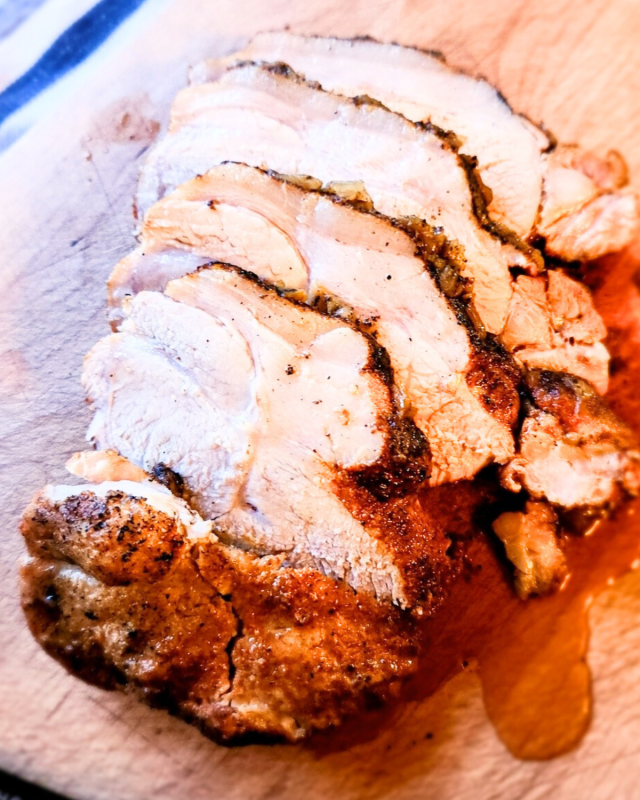
Are you wondering how long you can freeze a pork tenderloin without losing its flavor and quality? Freezing meat is a great way to save time and money, but if you keep it frozen too long, it might not taste as good as you expect.
Knowing the right freezing time can help you enjoy juicy, tender pork every time you cook. Keep reading to find out exactly how long your pork tenderloin can stay in the freezer and tips to keep it fresh and delicious!
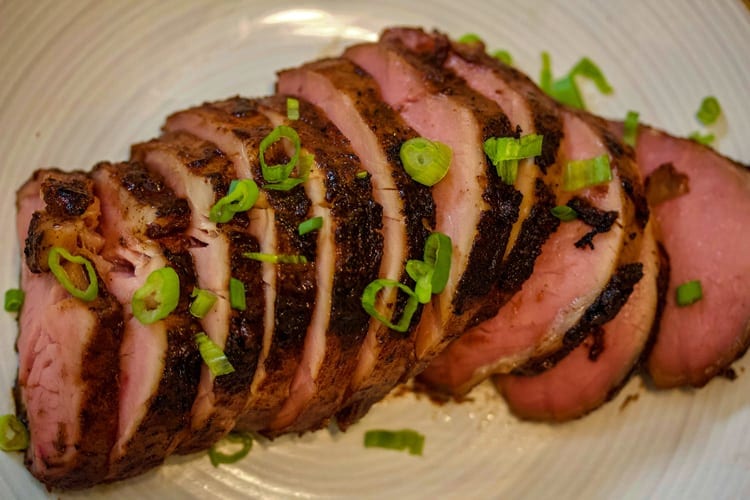
Credit: sousvideways.com
Freezing Basics For Pork Tenderloin
Freezing pork tenderloin is a smart way to keep this lean cut fresh and ready for your next meal. Understanding the basics helps you maintain its flavor and texture, so you enjoy it as if it were freshly bought. Let’s look at the key points that make freezing pork tenderloin effective and safe.
Ideal Freezing Temperatures
Keeping your freezer at the right temperature is crucial. The USDA recommends freezing meat at 0°F (-18°C) or below to halt bacterial growth and preserve quality.
Temperatures above this can cause the pork to lose moisture and develop off-flavors. Do you know what temperature your freezer actually maintains? It’s worth checking with a freezer thermometer to be sure.
Preparing Pork Tenderloin For Freezing
Before freezing, trim any excess fat or silver skin from the tenderloin. This not only improves texture but also prevents rancidity during storage.
If you plan to freeze a marinated pork tenderloin, do so before cooking for better flavor absorption. Raw tenderloin freezes better than cooked, as freezing cooked meat can change the texture and moisture content.
Packaging Tips To Prevent Freezer Burn
Freezer burn occurs when air reaches the meat’s surface, drying it out and affecting taste. Proper packaging blocks air and locks in moisture.
- Wrap the tenderloin tightly in plastic wrap or aluminum foil.
- Place the wrapped meat in a heavy-duty freezer bag, squeezing out as much air as possible.
- Consider using a vacuum sealer for the best protection and longer freezer life.
Have you ever noticed dry, gray patches on frozen meat? That’s freezer burn—easy to avoid with the right packaging. Taking these simple steps keeps your pork tenderloin juicy and flavorful after freezing.
Recommended Freezing Durations
Knowing the recommended freezing durations for pork tenderloin helps you maintain its flavor and texture. Freezing preserves meat but only for a certain period before quality starts to fade. Understanding these time frames lets you plan your meals better and avoid wasting food.
Short-term Storage Guidelines
For the best taste and texture, freeze pork tenderloin for up to 3 months. At this stage, the meat stays juicy and tender when cooked. Make sure to wrap it tightly in plastic wrap or vacuum seal it to prevent freezer burn.
If you plan to cook the pork within a few weeks, freezing it for 1 to 2 months is ideal. This keeps the meat fresh enough for quick thawing and cooking without losing moisture. Have you ever noticed how quickly pork loses juiciness after a long freeze? That’s why short-term storage works best.
Long-term Storage Limits
You can freeze pork tenderloin for up to 6 months, but expect some quality loss. Beyond 3 months, the texture may become a bit dry or tough after cooking. The flavor also weakens, so seasoning might need a boost.
Freezing beyond 6 months is possible but not recommended. The meat might still be safe, but taste and texture degrade significantly. Do you really want to risk serving pork that feels rubbery or bland?
Signs Of Quality Loss Over Time
Look for freezer burn, which appears as dry, grayish spots on the meat’s surface. This happens when air reaches the pork and causes dehydration. Freezer-burned areas can taste off and feel tough after cooking.
Another sign is an unpleasant smell once thawed—this means the meat’s freshness has declined. If your pork tenderloin feels slimy or sticky, it’s best to discard it. Always trust your senses when judging frozen meat quality.
Thawing Pork Tenderloin Safely
Thawing pork tenderloin safely is key to keeping it fresh and tasty. Thawing at the right temperature stops harmful bacteria from growing. It also keeps the meat’s texture and flavor intact. Use proper thawing methods to make sure your pork stays safe to eat and delicious.
Refrigerator Thawing Method
Place the pork tenderloin on a plate or tray. Keep it in the refrigerator to thaw slowly. This method takes about 24 hours for every 4 to 5 pounds of meat. It keeps the pork at a safe temperature below 40°F (4°C). Plan ahead because this method needs time. The pork stays fresh and ready to cook after thawing.
Cold Water Thawing
Put the pork tenderloin in a leak-proof plastic bag. Submerge the bag in cold water. Change the water every 30 minutes to keep it cold. This method takes a few hours depending on the size. Cook the pork immediately after thawing. Cold water thawing is faster than the refrigerator but requires more attention.
Microwave Thawing Precautions
Use the microwave’s defrost setting to thaw pork tenderloin. Check and turn the meat often for even thawing. Be careful; some parts may start cooking during this process. Cook the pork immediately after thawing in the microwave. This method is quick but can affect texture if not done carefully.
Cooking After Freezing
Cooking pork tenderloin after freezing it requires a bit of attention to detail. The freezing process affects the meat’s moisture and texture, so you need to adjust your cooking approach. With the right techniques, your pork can taste just as delicious as fresh.
Adjusting Cooking Times
Frozen pork tenderloin takes longer to cook than fresh. If you cook it straight from the freezer, expect to add about 50% more time to your usual cooking duration. For example, if a fresh tenderloin takes 20 minutes to roast, a frozen one might need around 30 minutes.
Thawing the tenderloin in the fridge overnight is a better option. It helps you cook it evenly and prevents the outside from overcooking while the inside remains cold. Always use a meat thermometer to check for an internal temperature of 145°F (63°C) for safe consumption.
Maintaining Flavor And Texture
Freezing can sometimes dry out pork, so keeping the flavor and texture intact is a challenge. Marinating the tenderloin before freezing locks in moisture and adds taste. If you forgot to marinate beforehand, try a quick glaze or sauce during cooking to boost flavor.
Using methods like searing before roasting or slow cooking after thawing can improve texture. These techniques help keep the meat juicy and tender. Have you noticed how a quick sear creates a nice crust that keeps moisture inside? It really makes a difference.
Avoiding Common Mistakes
- Don’t refreeze thawed pork tenderloin. This can ruin texture and increase the risk of bacteria.
- Avoid cooking frozen pork at very high heat. It can burn the outside while leaving the inside undercooked.
- Skip skipping the resting time after cooking. Let the meat rest for 5-10 minutes to allow juices to redistribute.
Have you ever rushed to slice meat right off the heat and ended up with dry pork? Waiting a few minutes makes your efforts worthwhile.
Tips For Extending Storage Life
Extending the storage life of your pork tenderloin in the freezer depends heavily on how you prepare and store it. Proper techniques can keep your meat fresher for longer and prevent freezer burn. Let’s look at some practical ways to protect your pork and maintain its quality.
Vacuum Sealing Advantages
Vacuum sealing removes air from the packaging, which slows down oxidation and freezer burn. This method preserves the meat’s flavor and texture better than regular plastic wrap or bags. If you’ve ever noticed freezer burn on your pork, vacuum sealing is a game-changer.
It also allows you to store pork tenderloin for up to 2-3 years without significant quality loss. You might wonder if investing in a vacuum sealer is worth it—consider how much food waste you can avoid with this approach.
Using Freezer-safe Containers
Choosing the right container can make a big difference. Look for airtight, freezer-safe containers that prevent moisture loss. Glass or heavy-duty plastic containers with tight lids work well to keep your pork tenderloin fresh.
They’re also easier to stack and organize in your freezer, saving space. Plus, these containers prevent the meat from absorbing odors from other foods, which can affect taste.
Labeling And Rotation Practices
Labeling your pork tenderloin with the date of freezing is a simple yet powerful tip. It helps you keep track and ensures you use the oldest items first, reducing waste. Have you ever found mystery packages in your freezer? Clear labels can save you from that.
Practice the “first in, first out” rule by arranging your freezer so older items are in front. This keeps your pork tenderloin fresh and avoids the disappointment of thawing meat that’s past its prime.
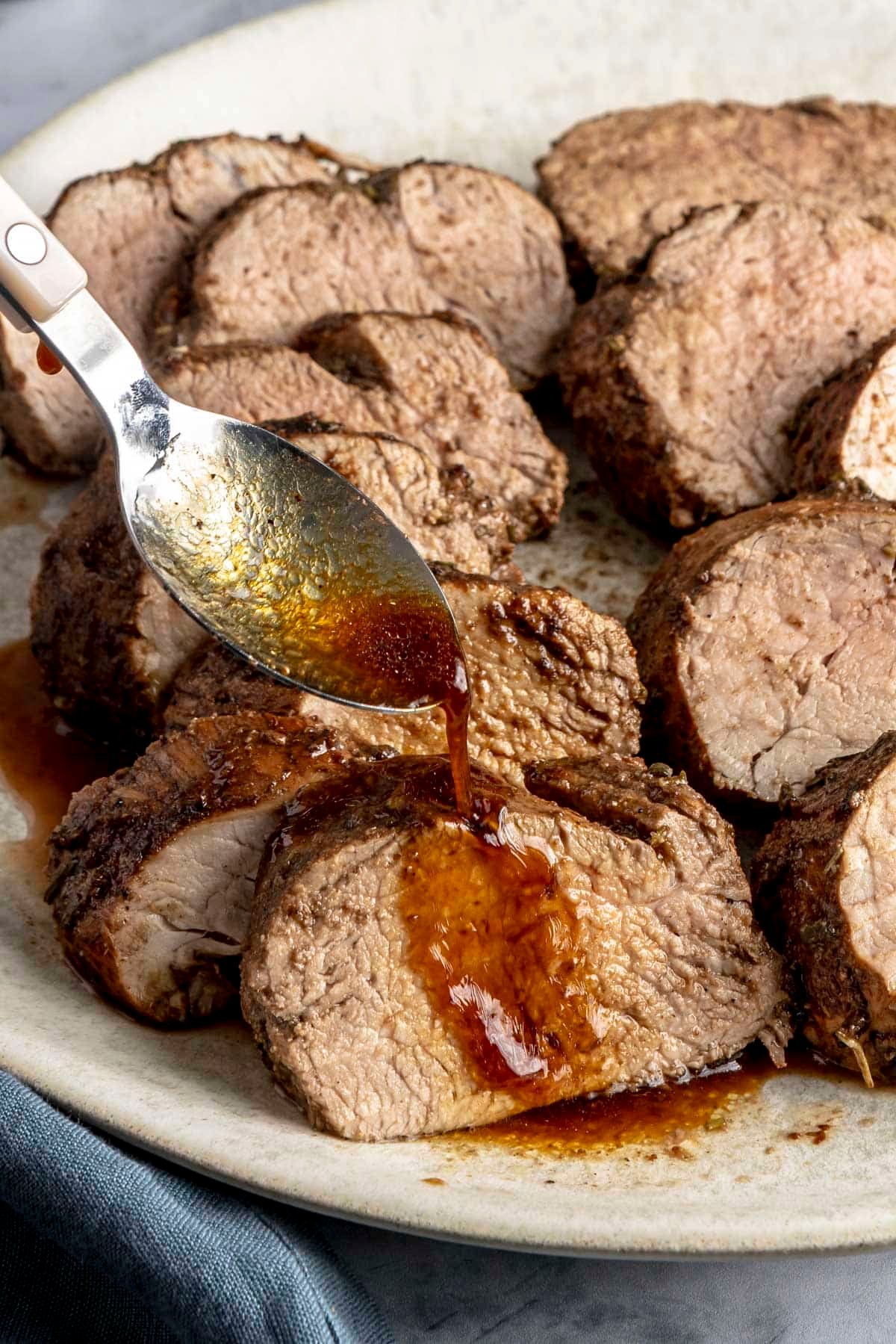
Credit: fedandfit.com
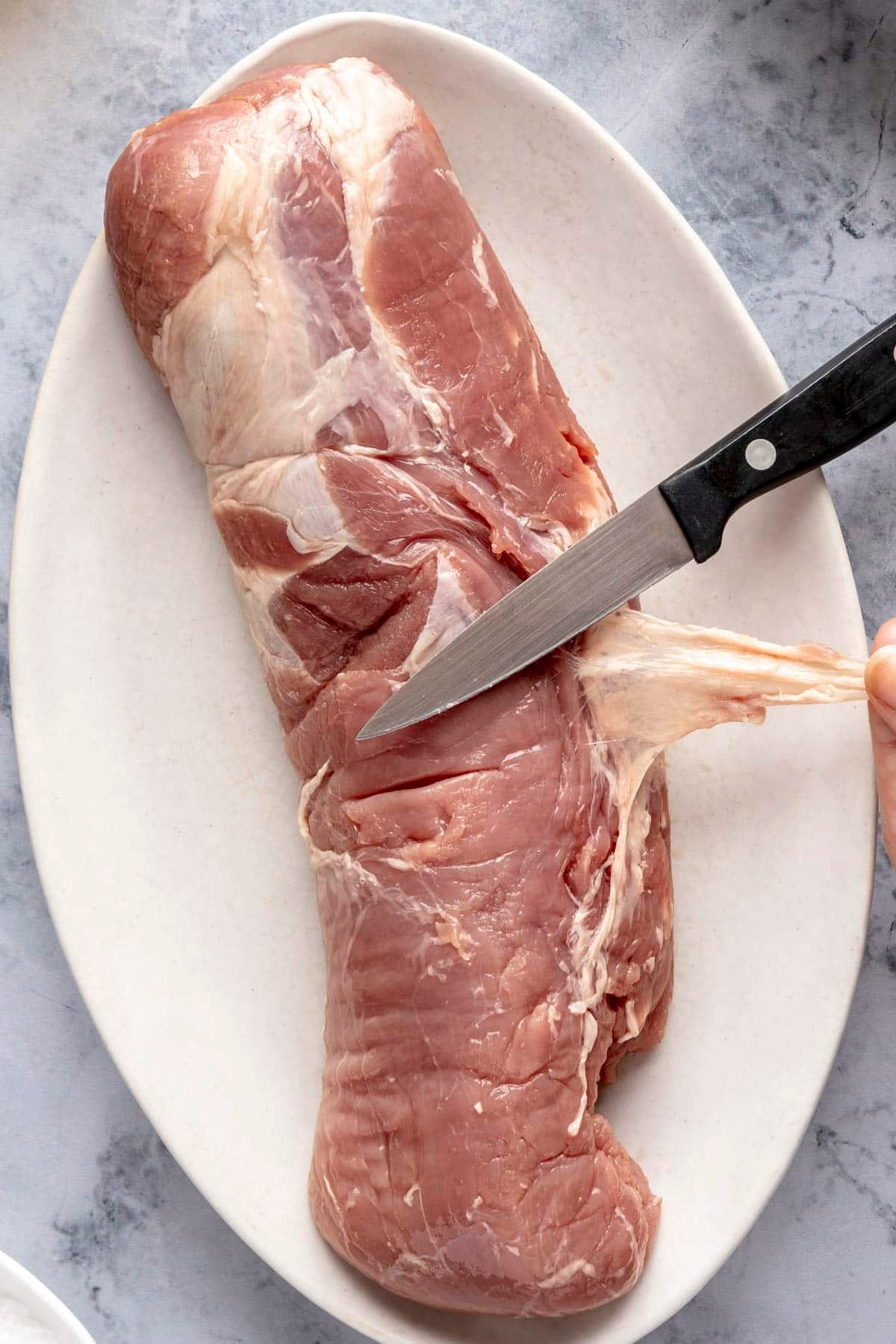
Credit: fedandfit.com
Frequently Asked Questions
How Long Can You Freeze Pork Tenderloin Safely?
You can freeze pork tenderloin for up to 6 months safely. Beyond this, quality and flavor may decline, but it remains safe if continuously frozen at 0°F (-18°C).
Does Freezing Affect Pork Tenderloin Taste Or Texture?
Freezing may slightly alter pork tenderloin’s texture, making it less tender. Proper wrapping and thawing help maintain flavor and juiciness for better taste.
How Should You Wrap Pork Tenderloin For Freezing?
Wrap pork tenderloin tightly in plastic wrap or aluminum foil. Then, place it in an airtight freezer bag to prevent freezer burn and preserve quality.
Can You Refreeze Thawed Pork Tenderloin?
Refreezing thawed pork tenderloin is not recommended. Thaw only what you need to maintain safety and avoid bacterial growth.
Conclusion
Freezing pork tenderloin extends its shelf life greatly. Generally, it remains safe for up to 12 months. Ensure it’s wrapped tightly to avoid freezer burn. Proper labeling helps track storage time. Thaw it in the fridge for best results. This method keeps flavors intact.
Enjoy tasty dishes anytime. Prepared meals bring convenience to your busy life. Remember, freshness impacts taste and texture. So, keep tabs on storage time. Enjoy cooking and savor every bite. Knowing storage tips helps reduce waste. Your meals will always be delicious and safe.