Have you ever found yourself with a surplus of fresh oysters and wondered how best to preserve their delicate flavor? Freezing might be the solution you’re looking for.
But just how long can you freeze oysters before they lose their taste and texture? Navigating the world of seafood preservation can feel daunting, but understanding the ins and outs of freezing oysters can save you time, money, and disappointment.
Discover the secrets to keeping your oysters as delicious as the day you bought them, and unlock the full potential of your seafood dishes. Dive into this guide to ensure your oysters stay fresh and flavorful for as long as possible. Curious to learn more? Keep reading to find out!

Credit: www.reluctantgourmet.com
Oyster Freshness Basics
Understanding oyster freshness is key before freezing them. Fresh oysters have a delicate flavor and texture that can change over time. Knowing how to spot fresh oysters helps keep your meals safe and tasty. Proper handling preserves their quality and prevents spoilage.
Signs Of Fresh Oysters
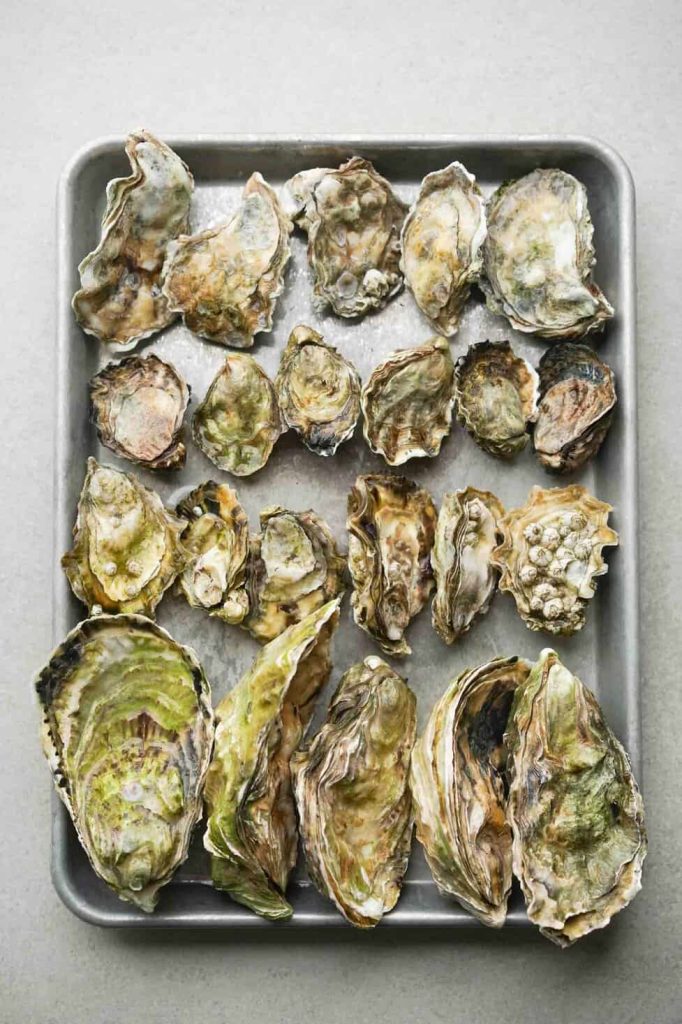
- The shell should be tightly closed or close when tapped.
- Oysters must smell like the ocean, fresh and clean.
- The meat inside should look plump and moist.
- A dry or cracked shell indicates the oyster is old.
- Discard any oysters with a strong, unpleasant odor.
Why Freshness Matters
Fresh oysters carry less risk of foodborne illness. Their taste is sweeter and texture more tender. Freezing fresh oysters keeps their best qualities intact. Old or spoiled oysters can taste bitter and be unsafe. Always start with fresh oysters for freezing or eating raw.
Credit: umamigirl.com
Freezing Oysters Safely
Freezing oysters can extend their shelf life and keep them fresh for months, but it’s crucial to freeze them properly to maintain their taste and safety. Improper freezing can damage the texture and lead to spoilage. Let’s look at how you can prepare and freeze oysters safely so you can enjoy them later without any worries.
Preparing Oysters For Freezing
Start by selecting fresh, live oysters. Check that their shells are tightly closed—this means they’re still alive and safe to freeze.
Rinse the oysters under cold water to remove any dirt or debris. Avoid using soap or chemicals.
If you prefer, shuck the oysters before freezing. Save the oyster meat along with its natural juice for better flavor and texture after thawing.
Best Freezing Methods
You can freeze oysters either in their shells or shucked. Each method has its own benefits.
- Freezing in Shell:Place oysters in a single layer on a baking sheet and freeze until solid. Then transfer them to an airtight container or freezer bag. This helps protect the oysters but can take more freezer space.
- Freezing Shucked Oysters:Put the oyster meat and juice into a freezer-safe container. Leave some room for expansion. This method saves space and makes it easier to use the oysters later.
Whichever way you choose, make sure your packaging is airtight. Exposure to air causes freezer burn and loss of flavor.
Did you know that freezing oysters for more than three months can affect their taste and texture? Keep track of your freezing date to enjoy them at their best.
Freezing Duration Limits
Freezing oysters helps extend their shelf life and keeps them safe to eat. Knowing the right freezing duration limits is key to maintaining quality and flavor. Freezing oysters too long can cause texture changes and reduce taste. It is important to store them properly and consume within the recommended time frame for the best experience.
How Long Oysters Last In Freezer
Fresh oysters can last up to three months in the freezer. Shucked oysters should be used within two to three months. Keeping oysters longer than this can lead to freezer burn and loss of flavor. Always freeze oysters as soon as possible after purchase or harvest.
Factors Affecting Freezing Time
- Packaging: Airtight containers or vacuum-sealed bags prevent freezer burn.
- Freezer temperature: A constant temperature of 0°F (-18°C) or lower is ideal.
- Oyster condition: Fresh, healthy oysters freeze better and last longer.
- Freezing method: Flash freezing helps preserve texture and taste.

Credit: www.reluctantgourmet.com
Thawing And Using Frozen Oysters
Thawing and using frozen oysters requires care to maintain their delicate flavor and texture. How you thaw them affects both safety and taste. Let’s look at the best ways to bring frozen oysters back to life and how to cook them for the best results.
Safe Thawing Techniques
Thaw oysters slowly to keep them fresh and safe. The best way is to move them from the freezer to the refrigerator and let them thaw overnight. This gentle thaw prevents bacteria growth and keeps the oysters firm.
If you’re in a hurry, place the sealed oysters in a bowl of cold water for about 20 to 30 minutes. Change the water every 10 minutes to keep it cold. Avoid thawing oysters at room temperature—it can lead to spoilage and foodborne illness.
Once thawed, use the oysters within 24 hours. Do not refreeze them, as this will ruin their texture and increase the risk of contamination.
Cooking Tips After Freezing
Frozen oysters are best cooked rather than eaten raw. Cooking helps restore some of the texture lost during freezing. Try steaming, baking, or frying them for a delicious meal.
When cooking, add oysters at the end of your recipe to avoid overcooking. Overcooked oysters become rubbery and lose their natural sweetness. For example, add them to soups or stews just before serving.
Have you experimented with oyster recipes after freezing? You might find that frozen oysters work wonderfully in dishes like oyster stuffing or seafood pasta. Their slightly firmer texture can hold up well in cooked dishes, giving you a tasty twist on fresh oysters.
Common Freezing Mistakes
Freezing oysters might seem straightforward, but many people make common mistakes that ruin their texture and flavor. These errors often come from rushing the process or not preparing the oysters properly. Understanding what to avoid can help you keep your oysters fresh and tasty after freezing.
Avoiding Texture Changes
One major mistake is freezing oysters without removing excess water. Ice crystals form inside the oyster, breaking down its delicate structure and making it rubbery when thawed. Always drain and pat dry oysters before freezing to keep their texture intact.
Another error is freezing oysters too slowly. Slow freezing causes larger ice crystals, which damage the oyster’s cells. Freeze oysters quickly by placing them in the coldest part of your freezer to maintain a better texture.
Preventing Flavor Loss
Many people freeze oysters in open containers or loosely wrapped packages. This exposes them to freezer burn and odors from other foods, which dulls their natural briny flavor. Use airtight containers or vacuum-sealed bags to protect the oysters’ taste.
Using plain water instead of oyster liquor or a saltwater solution for freezing can also lead to flavor loss. Keeping oysters in their own liquid or a salty brine before freezing helps preserve their unique ocean taste. Have you ever noticed your frozen oysters tasting bland? This simple step might be why.
Storing Alternatives To Freezing
Freezing is not the only way to store oysters. Alternatives can keep oysters fresh longer without losing taste or texture. These methods help maintain quality and prevent spoilage. Proper storage extends enjoyment beyond just freezing.
Refrigeration Tips
Keep oysters in the coldest part of the fridge. Store them at 34°F to 40°F (1°C to 4°C). Place oysters in a bowl or container. Cover them with a damp cloth or paper towel. Avoid sealing them airtight. Oysters need air to stay alive. Check oysters daily and remove any open or cracked shells. Use within 7 days for best freshness.
Vacuum Sealing Benefits
Vacuum sealing removes air around oysters. This slows down bacterial growth and spoilage. It helps keep oysters fresh longer in the fridge. Vacuum-sealed oysters last up to 10 days refrigerated. Avoid freezing vacuum-sealed oysters for long periods. Always check for freshness before use. Vacuum sealing also saves space and reduces odors in storage.
Health And Safety Considerations
Freezing oysters is a convenient way to extend their shelf life, but it’s crucial to keep health and safety in mind. Oysters are highly perishable, and improper freezing or storage can lead to foodborne illnesses. Understanding how to recognize spoiled oysters and following strict food safety rules can protect you and your loved ones from risks.
Signs Of Spoiled Oysters
You should always check oysters carefully before eating or cooking. Spoiled oysters often have an unpleasant smell—think sour or rotten, unlike the fresh, briny scent you expect. If the oyster’s shell is cracked or open and doesn’t close when tapped, it’s a red flag.
Texture and color also matter. Slimy or discolored oysters should be discarded immediately. If you notice any off-putting changes, don’t taste to test; it’s not worth the risk.
Food Safety Guidelines
Keeping oysters safe starts with proper freezing and storage. Freeze oysters as soon as possible after purchase to maintain their freshness. Use airtight containers or vacuum-sealed bags to prevent freezer burn and contamination.
Label your oysters with the freezing date, and aim to use them within 3 months for the best quality. Always thaw oysters in the refrigerator, not at room temperature, to slow bacterial growth. Never refreeze oysters once they’ve thawed.
Have you ever wondered if freezing kills harmful bacteria in oysters? It doesn’t; freezing only slows their growth. This means you must rely on proper handling and cooking to keep your meals safe.
Frequently Asked Questions
How Long Can Oysters Be Frozen Safely?
Oysters can be safely frozen for up to 3 months. Beyond this, their texture and flavor may deteriorate. Proper storage in an airtight container helps maintain quality during freezing.
Can Frozen Oysters Be Eaten Raw?
Frozen oysters are best cooked before eating. Freezing can affect their texture, making raw consumption less enjoyable and potentially unsafe. Always thaw and cook frozen oysters thoroughly.
How Should Oysters Be Stored Before Freezing?
Store fresh oysters in the refrigerator at 35-40°F before freezing. Keep them in a breathable container covered with a damp cloth. Avoid airtight seals until ready to freeze.
Do Frozen Oysters Lose Nutritional Value?
Freezing oysters preserves most of their nutrients. However, slight changes in texture and flavor may occur. Proper freezing methods help retain their nutritional benefits effectively.
Conclusion
Freezing oysters keeps them safe to eat for up to three months. Store them in an airtight container or freezer bag. Always check for any off smells before cooking. Use frozen oysters soon after thawing for best taste. Proper freezing stops bacteria from growing.
This helps keep oysters fresh and tasty. Remember, fresh oysters last only a few days in the fridge. Freezing is a good way to save extra oysters. Enjoy your seafood without worry by following these simple tips.