Have you ever found yourself staring at a package of pork ribs in your freezer, wondering just how long they can stay there before they lose their flavor and quality? You’re not alone.
Many people stash away their favorite cuts of meat, thinking they’ll use them soon, only to forget about them until much later. If you’re concerned about food waste or simply want to make sure your meals taste as fresh as possible, understanding how long you can freeze pork ribs is essential.
We’ll uncover the secrets to maintaining the deliciousness of your pork ribs and ensure that every bite is as satisfying as the first. Keep reading to discover how to make the most of your frozen pork ribs and never let a good meal go to waste again!
Freezing Time Limits
Knowing how long you can freeze pork ribs is essential to keep them safe and tasty. Freezing time limits vary depending on whether the ribs are fresh or cooked, and how well they are wrapped or sealed. Understanding these differences helps you avoid freezer burn and loss of flavor.
Fresh Pork Ribs
Fresh pork ribs can last in the freezer for about 4 to 6 months without losing quality. Beyond this period, the meat might start to dry out or develop freezer burn, which affects taste and texture. If you freeze ribs shortly after buying them, you can enjoy near-fresh flavor even after several months.
Cooked Pork Ribs
Cooked pork ribs usually keep well for 2 to 3 months in the freezer. Since cooking changes the meat’s moisture and fat content, ribs stored longer may become tough or less juicy. Freezing cooked ribs quickly after cooling helps maintain their tenderness and flavor.
Vacuum-sealed Vs Wrapped
Vacuum-sealed ribs can last significantly longer in the freezer—up to 12 months for fresh and about 4 to 6 months for cooked ribs. Removing air slows down freezer burn and keeps the meat fresher. On the other hand, ribs wrapped tightly in plastic wrap and aluminum foil usually stay good for the shorter times mentioned above.
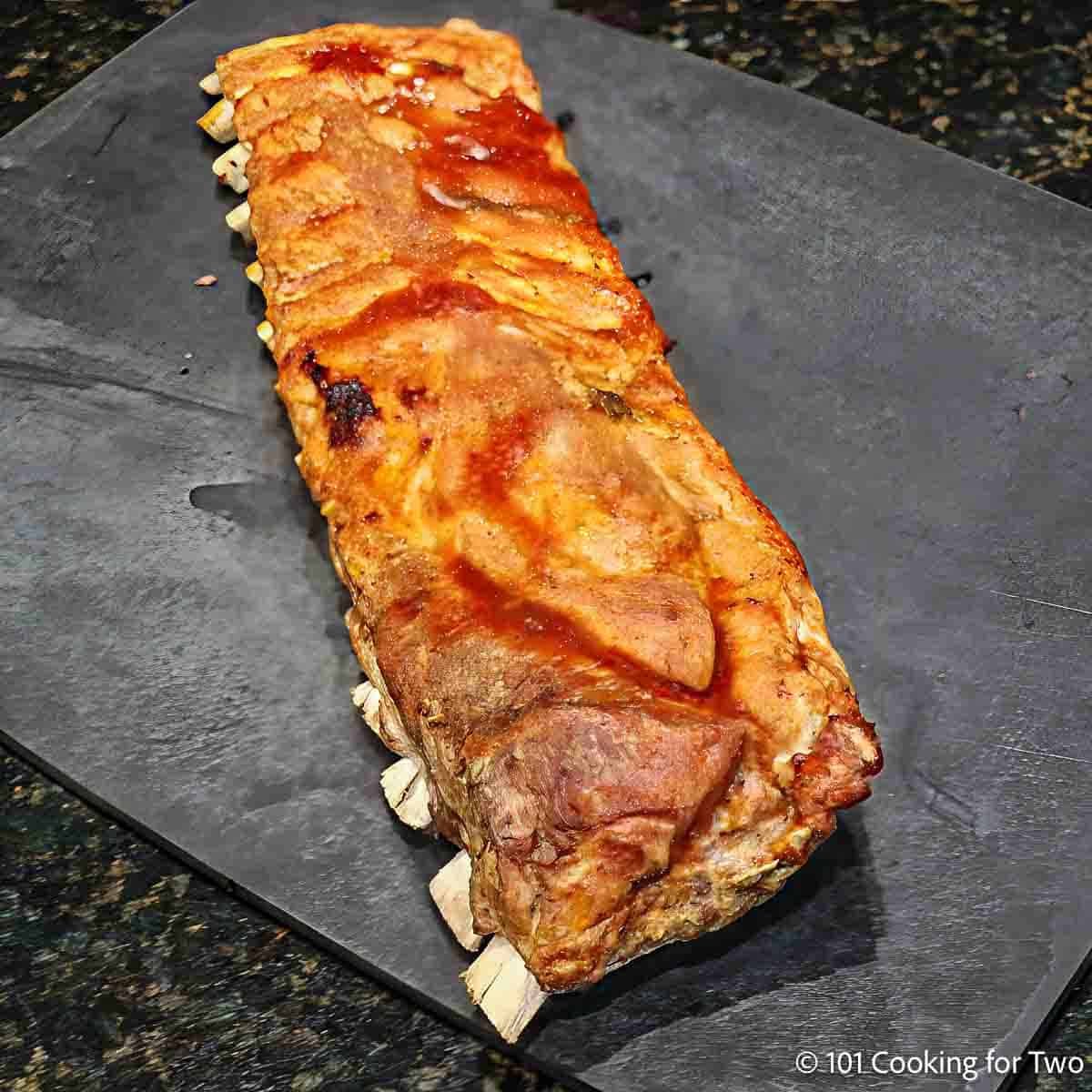
Credit: www.101cookingfortwo.com
Best Freezing Practices
Freezing pork ribs properly keeps their flavor and texture intact. Following best freezing practices prevents freezer burn and preserves quality. Using the right materials and techniques helps maintain freshness. Organizing frozen ribs ensures easy access and reduces waste. Here are key tips for freezing pork ribs efficiently.
Proper Wrapping Techniques
Wrap pork ribs tightly to block air and moisture. Use plastic wrap first, pressing it close to the meat. Then cover with aluminum foil for extra protection. This double layer stops freezer burn and preserves taste. Avoid leaving gaps or loose ends in the wrapping. Make sure the ribs are fully sealed before freezing.
Using Freezer Bags And Containers
Choose freezer bags or airtight containers to store ribs. Heavy-duty freezer bags reduce air exposure better than regular bags. Squeeze out excess air before sealing to prevent freezer burn. Rigid containers protect ribs from being crushed. Use containers that fit the ribs without extra space. This keeps the ribs fresh and easy to stack.
Labeling And Dating Tips
Label each package clearly with the date and contents. Use a permanent marker for durability in cold temperatures. Write the freezing date on the bag or container. This helps track how long ribs have been frozen. Rotate older packages to the front for quick use. Proper labeling reduces food waste and confusion.
Thawing Pork Ribs
Thawing pork ribs properly is just as important as freezing them. The way you thaw ribs affects their texture, flavor, and safety. Thawing incorrectly can lead to uneven cooking or even foodborne illness.
Safe Thawing Methods
The safest way to thaw pork ribs is in the refrigerator. Place the ribs on a plate or tray to catch any drips, and allow 24 hours for every 5 pounds of meat. This slow thaw keeps the ribs at a safe temperature and preserves their quality.
If you’re planning ahead, this method is your best bet. You avoid the risk of bacteria growth that happens when meat sits at room temperature. Have you ever noticed a slimy texture after thawing? That’s often from improper thawing.
Quick Thawing Options
Sometimes you need ribs thawed faster. You can use cold water to speed up the process. Seal the ribs in a leak-proof plastic bag and submerge them in cold water, changing the water every 30 minutes.
This method usually takes a few hours depending on the size of the ribs. Another quick option is using the microwave’s defrost setting, but be careful—uneven heating can start cooking parts of the meat. If you try this, cook the ribs immediately after thawing.
Avoiding Common Mistakes
- Never thaw ribs on the kitchen counter. Leaving meat out at room temperature allows bacteria to multiply rapidly.
- Don’t refreeze ribs that were thawed using the cold water or microwave methods without cooking first.
- Avoid rushing the thawing process by using hot water—it can start cooking the meat’s edges and lead to uneven texture.
Have you faced issues with dry or tough ribs after thawing? Most likely, the problem started with thawing mistakes. Thaw your ribs carefully to keep them juicy and delicious every time.

Credit: www.fifteenspatulas.com
Quality After Freezing
Freezing pork ribs is a great way to keep them fresh for longer periods. Yet, freezing affects the ribs’ quality in some ways. Understanding these changes helps maintain the best taste and texture after thawing. Knowing what to expect ensures you enjoy your ribs just as much as when fresh.
Texture Changes
Freezing can change the ribs’ texture. Ice crystals form inside the meat fibers during freezing. These crystals can break down the muscle structure. After thawing, ribs may feel a bit softer or less firm. The texture might not be as juicy as fresh ribs. Proper packaging reduces these effects.
Flavor Preservation
Freezing helps keep the flavor of pork ribs for a long time. The cold temperature slows down enzyme activity and bacterial growth. This preserves the natural taste and aroma. Using airtight packaging stops the ribs from absorbing other freezer smells. The flavor stays closer to fresh ribs if stored correctly.
Signs Of Freezer Burn
Freezer burn happens when air reaches the meat surface. It causes dry spots and color changes on pork ribs. You might see grayish or white patches on the meat. Freezer burn affects taste and texture, making ribs dry and tough. Proper wrapping and quick freezing prevent freezer burn.
Freezing Cooked Vs Raw Ribs
Freezing pork ribs preserves them for future meals. Raw and cooked ribs freeze differently. Each type needs specific care to keep quality. Knowing how freezing affects them helps you store ribs safely.
Differences In Storage Time
Raw pork ribs last longer in the freezer than cooked ribs. You can freeze raw ribs for up to six months. Cooked ribs usually keep well for three to four months. Freezing longer than these times may reduce quality. Proper wrapping and airtight containers help prevent freezer burn.
Impact On Taste And Texture
Raw ribs maintain their natural texture better after freezing. Cooking ribs after thawing keeps them juicy and tender. Cooked ribs may lose some moisture and become drier. Reheating cooked ribs can make them less flavorful. Freezing raw ribs before cooking gives the best taste results.
Extended Storage Tips
Keeping your pork ribs fresh and tasty during extended storage requires more than just popping them into the freezer. Small details can make a big difference in preserving flavor and texture. Here are some essential tips to help you manage your freezer space effectively and keep your ribs at their best.
Using Freezer Thermometers
Freezer thermometers are a simple tool that can save your ribs from spoilage. They help you monitor the exact temperature inside your freezer, ensuring it stays consistently at or below 0°F (-18°C). If your freezer drifts above this temperature, the quality of your ribs can start to degrade without you noticing.
I once had ribs that tasted off after freezing, only to find out my freezer’s temperature fluctuated because the door wasn’t closing properly. A thermometer alerted me to the problem, and I was able to fix it before losing more food. Would you want to risk the taste of your carefully prepared ribs over a simple temperature slip?
Avoiding Temperature Fluctuations
Temperature swings in the freezer can cause ice crystals to form on your pork ribs, leading to freezer burn and dry meat. To avoid this, try not to open the freezer door frequently or for long periods. Every time you open the door, warm air enters, causing the temperature to rise temporarily.
Organize your freezer so you can quickly grab what you need without searching. Group your ribs with other similar items to minimize door opening time. Keeping your freezer full but not overcrowded also helps stabilize the temperature, creating a more consistent environment for your ribs to stay fresh longer.

Credit: getinspiredeveryday.com
Frequently Asked Questions
How Long Can Pork Ribs Stay Frozen Safely?
Pork ribs can be frozen safely for up to 4 to 6 months. Beyond this, quality may decline, but ribs remain safe if kept frozen continuously.
Does Freezing Affect Pork Ribs’ Taste And Texture?
Freezing may slightly alter pork ribs’ texture and flavor over time. Proper packaging reduces freezer burn, preserving taste and tenderness.
How To Freeze Pork Ribs Properly For Best Quality?
Wrap pork ribs tightly in plastic wrap, then foil or airtight bags. Label with the date before freezing to maintain freshness.
Can You Freeze Cooked Pork Ribs Longer Than Raw?
Cooked pork ribs can be frozen for 2 to 3 months. Raw ribs generally last longer, up to 6 months in the freezer.
Conclusion
Freezing pork ribs keeps them safe and tasty for months. Store ribs properly in airtight packaging to avoid freezer burn. Use frozen ribs within four to six months for best flavor. Thaw ribs slowly in the fridge before cooking. Remember, good storage helps maintain quality and taste.
Enjoy your ribs without worry by following these simple tips. Safe freezing means delicious meals anytime.