Have you ever caught a fish and wondered how long you can keep it in the freezer without gutting it first? You’re not alone.
Many people store their catch without knowing the best practices, potentially risking both flavor and safety. The good news is, you can freeze ungutted fish, but there are crucial things you need to know to do it right. Imagine savoring fresh-tasting fish months after your catch, knowing it’s still safe and delicious.
In this guide, you’ll uncover the secrets to preserving your ungutted fish effectively, ensuring that each bite is as delightful as the day you caught it. Ready to discover the best-kept secrets of fish storage? Let’s dive in!

Credit: www.wildfish.nz
Freezing Basics For Ungutted Fish
Freezing ungutted fish is a common practice for preserving freshness and extending shelf life. Understanding the basics helps maintain the best quality and safety. Proper freezing slows down bacterial growth and enzyme activity in the fish. It also locks in moisture and flavor, keeping the fish tasty after thawing. Handling ungutted fish carefully before freezing is key to good results.
Why Freeze Ungutted Fish
Freezing ungutted fish saves time and effort in preparation. It allows storing fish without immediate cleaning. Some people prefer freezing fish whole to keep it fresh longer. The fish’s natural enzymes stay active, which can improve flavor during thawing. Freezing ungutted fish also reduces waste and helps with meal planning.
Impact On Quality And Safety
Freezing ungutted fish affects both quality and safety. The fish’s guts contain bacteria that can spoil the fish faster. Proper freezing temperature is crucial to slow bacterial growth. If frozen too slowly, ice crystals can damage fish texture. Thawing should be done carefully to avoid bacteria growth. Always freeze fish at 0°F (-18°C) or lower for best safety.
Optimal Freezing Duration
Knowing how long you can freeze ungutted fish is key to preserving its freshness and flavor. Freezing fish immediately after catching can lock in its quality, but timing matters. The optimal freezing duration ensures you enjoy the fish without risking spoilage or a decline in taste.
Recommended Storage Times
Ungutted fish generally lasts longer in the freezer compared to gutted fish because the internal organs, which spoil faster, are still intact but protected by the fish’s body.
- Whole ungutted fish:You can freeze it for up to 3 to 6 months without a significant loss in quality.
- Large species:Fish like salmon or cod may maintain good texture closer to 6 months.
- Smaller fish:Typically, they are best consumed within 3 to 4 months.
Always freeze fish as soon as possible after catching to maximize these storage times. Have you ever found your fish tasting different after a long freeze? That’s often due to exceeding these recommended durations.
Signs Of Spoilage
Even frozen, fish can show signs of spoilage if kept too long or stored improperly. Be alert to these warning signs before cooking.
- Off smell:A strong, sour, or ammonia-like odor means the fish has gone bad.
- Discoloration:Look for dull, grayish, or brownish patches on the flesh.
- Texture changes:If the flesh feels mushy, slimy, or unusually dry, it’s a red flag.
- Freezer burn:White or grayish spots caused by dehydration can affect taste and texture.
If you notice any of these, it’s safer to discard the fish. How often do you check your frozen fish before cooking? A quick inspection can save you from unpleasant meals and health risks.
Preparation Before Freezing
Freezing ungutted fish requires careful preparation to keep the fish fresh and tasty. Proper steps before freezing can stop bad smells and freezer burn. This helps the fish keep its quality for a longer time.
Cleaning And Handling Tips
Start by rinsing the fish in cold water to remove dirt and slime. Handle fish gently to avoid bruising or damaging the flesh. Keep the fish cold during cleaning to slow bacteria growth. Use clean knives and cutting boards to keep the fish safe. Avoid washing fish with warm water as it can spoil the flesh faster.
Packaging Methods
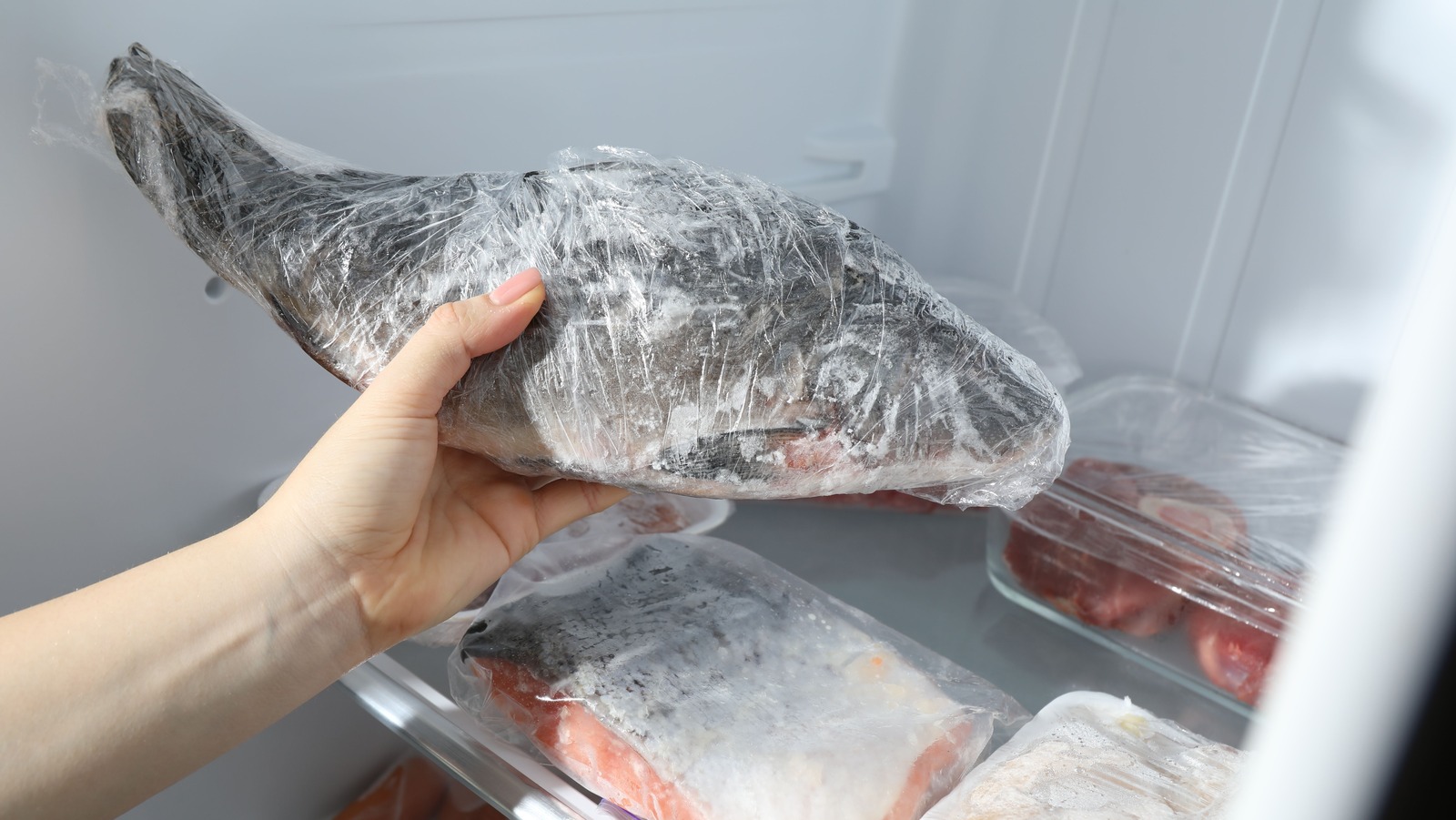
Wrap the fish tightly to prevent air exposure and freezer burn. Use plastic wrap, freezer paper, or vacuum-sealed bags for best results. Remove as much air as possible before sealing. Label the package with the date to track how long it stays frozen. Store the fish in the coldest part of the freezer for better preservation.
Credit: www.thetakeout.com
Freezing Techniques And Tips
Freezing ungutted fish correctly can make a big difference in how fresh it tastes when you finally cook it. The right techniques help maintain the fish’s texture and flavor, so it doesn’t end up dry or freezer-burned. Let’s look at some practical tips you can use to freeze your fish like a pro.
Ideal Freezer Settings
Set your freezer temperature to 0°F (-18°C) or lower. This keeps the fish frozen solid and slows down the growth of bacteria and enzyme activity that cause spoilage.
If your freezer has a quick-freeze or deep-freeze option, use it for the first 24 hours. Rapid freezing forms smaller ice crystals, which protect the fish’s cell structure and prevent mushy texture.
Keep your freezer organized and avoid overcrowding. Good air circulation helps maintain a consistent temperature, so each piece of fish freezes evenly.
Avoiding Freezer Burn
Freezer burn happens when air reaches the fish’s surface, drying it out and causing off-flavors. To prevent this, wrap the fish tightly in plastic wrap or aluminum foil first.
Next, place the wrapped fish in an airtight container or a heavy-duty freezer bag. Squeeze out as much air as possible before sealing to reduce exposure to moisture and oxygen.
Label your packages with the date you froze them. This simple step helps you use the oldest fish first and avoid keeping any frozen too long, which increases the risk of freezer burn.
Thawing Ungutted Fish Safely
Thawing ungutted fish safely is key to preserving its flavor and texture. Since the fish still contains internal organs, improper thawing can accelerate spoilage or cause uneven thawing. Handling this step carefully ensures your fish stays fresh and safe to eat.
Best Thawing Practices
Thaw your ungutted fish slowly to avoid bacterial growth. The safest way is to place it in the refrigerator for 12 to 24 hours depending on the size. This gradual thawing keeps the fish at a safe temperature while allowing even defrosting.
If you’re in a hurry, use cold water to thaw the fish. Keep the fish sealed in a waterproof bag and submerge it in cold water, changing the water every 30 minutes. Avoid warm or hot water—it can partially cook the fish and create unsafe conditions.
Never thaw ungutted fish at room temperature. The outer layers will warm quickly, creating a breeding ground for bacteria, while the inside remains frozen. This uneven thawing can ruin the quality and safety of your fish.
Maintaining Freshness Post-thaw
Once thawed, cook the fish promptly—ideally within 24 hours. The ungutted fish’s internal organs can spoil faster than gutted fish, so don’t let it sit out. If you notice any off smells or discoloration, it’s best to discard the fish.
Keep the fish chilled until you’re ready to cook. Store it on a plate or shallow pan in the fridge, uncovered or loosely wrapped to allow air circulation. This helps keep the skin firm and prevents moisture buildup, which can lead to a mushy texture.
Have you ever noticed how thawed fish sometimes tastes different? This often happens because of poor thawing or storage after thawing. Paying attention to these details can make a big difference in your cooking results.
Expert Advice And Common Mistakes
Freezing ungutted fish might seem like a straightforward way to preserve freshness, but there’s more to it than just tossing it in the freezer. Expert advice highlights key steps that ensure your fish stays safe and tasty for longer. At the same time, common mistakes can ruin your catch before you even get to enjoy it.
Tips From Seafood Professionals
Seafood professionals emphasize freezing ungutted fish as soon as possible after catching or buying it. The slower you delay, the higher the chance bacteria will grow inside the fish. Always keep your fish chilled on ice until ready to freeze—it’s crucial for preserving quality.
They also recommend wrapping the fish tightly in moisture-proof packaging. This prevents freezer burn and helps maintain the fish’s natural flavor. Vacuum sealing is ideal, but if you don’t have the equipment, use heavy-duty freezer bags and squeeze out all the air.
Another insider tip: label your packages with the date you froze the fish. This simple habit helps you keep track of storage time and avoid eating fish that has been frozen too long. How often do you check your freezer dates?
Avoiding Common Freezing Errors
One of the biggest mistakes is freezing ungutted fish for too long. While gutting can extend freezer life, ungutted fish generally stays good for about 2-3 months. Beyond that, fat oxidation inside the fish can cause off-flavors and spoilage.
Many people also freeze fish at temperatures that are too warm. Your freezer should be set at 0°F (-18°C) or lower to keep the fish safe. Temperatures above this allow ice crystals to grow, damaging the flesh and texture.
Another error is not thawing fish properly. Thaw your ungutted fish slowly in the fridge rather than at room temperature. Rapid thawing can cause bacterial growth and uneven texture. Have you ever noticed a fish that smells off after thawing? This might be why.

Credit: www.wikihow.com
Frequently Asked Questions
How Long Can You Freeze Ungutted Fish Safely?
Ungutted fish can be frozen safely for up to 2 months. Beyond this, quality and taste may decline. Always wrap the fish tightly to prevent freezer burn and preserve freshness.
Does Freezing Ungutted Fish Affect Its Quality?
Yes, freezing ungutted fish can affect texture and flavor. The gut can release enzymes and bacteria, causing faster spoilage. Gutting before freezing helps maintain better quality and taste.
Should You Gut Fish Before Freezing?
It is recommended to gut fish before freezing. Removing guts reduces bacterial growth and enzyme activity. This practice extends the fish’s freezer life and preserves taste and texture better.
How To Store Ungutted Fish For Freezing?
Wrap ungutted fish tightly in plastic wrap and place in a sealed freezer bag. Store at 0°F (-18°C) or below. Proper packaging reduces freezer burn and maintains fish freshness.
Conclusion
Freezing ungutted fish can keep it fresh for several months. Proper storage and temperature control matter most. Always freeze fish quickly to lock in quality. Avoid thawing and refreezing to prevent spoilage. Check for signs of freezer burn or odor before use.
Fresh fish tastes best when handled with care. Use airtight packaging to protect fish in the freezer. Remember, frozen fish lasts longer but quality fades over time. Store fish wisely to enjoy safe, tasty meals later. Keep these tips in mind for the best results.