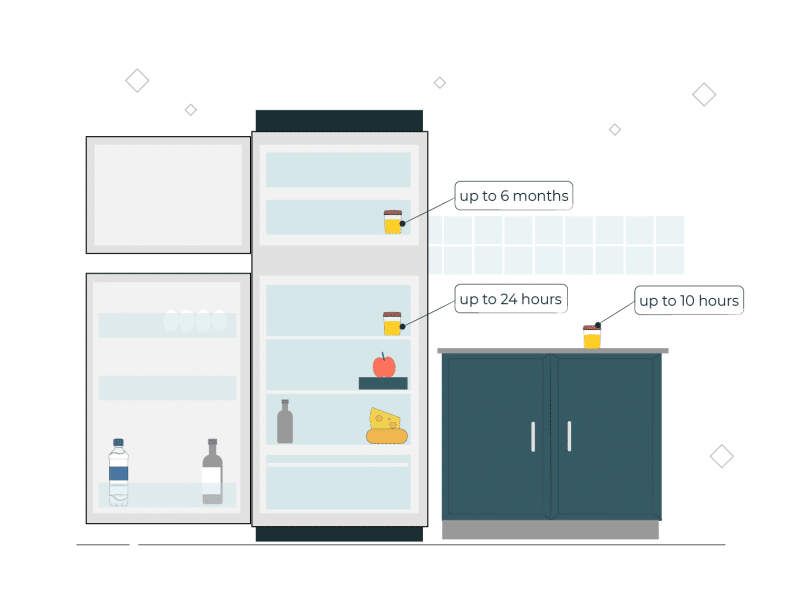
Have you ever found yourself needing to store a urine sample for an extended period and wondered if the freezer is a viable option? You’re not alone.
Whether it’s for medical reasons, research purposes, or a home experiment, knowing how to properly preserve a urine sample can be crucial. But before you place that sample next to your frozen veggies, there are important things you should know.
Understanding the science behind freezing urine, the potential risks, and the best practices for storage can make all the difference. Stick around, and you’ll discover not only how long you can keep a urine sample in the freezer but also how to ensure it remains viable for your needs. This knowledge could be more valuable than you think.
Ideal Storage Time
Knowing the ideal storage time for a urine sample in the freezer is crucial for maintaining its accuracy and reliability. Storing it too long or under improper conditions can change its composition, leading to misleading test results. Let’s break down how long you can realistically keep a urine sample frozen without compromising its quality.
Short-term Storage Limits
For most routine urine tests, storing the sample in the freezer for up to 24 to 48 hours is generally safe. During this short period, the chemical and cellular components remain mostly stable, ensuring reliable analysis.
If you freeze it longer than two days, some bacteria or crystals might break down, affecting test outcomes. So, if you’re collecting a sample at home before a lab visit, aim to deliver it within this window.
Long-term Preservation
Freezing urine samples for extended periods, such as weeks or months, requires ultra-low temperatures, typically around -80°C. At these temperatures, most compounds and cells remain preserved, which is why research labs use deep freezers.
However, standard home freezers usually operate around -18°C to -20°C. Samples stored here beyond a week may degrade, especially if you plan to test for sensitive markers like proteins or hormones.
Have you ever stored a urine sample longer than recommended? You might notice unexpected test results or samples that look cloudy or discolored. These are signs that the ideal storage time was exceeded, impacting the sample’s integrity.
Credit: drgarycohen.com
Freezing Conditions
Freezing urine samples properly is crucial to preserve their integrity for accurate testing. The conditions under which you freeze your sample can affect the chemical composition and overall quality. Understanding the right temperature and container choice will help you keep the sample viable for longer periods.
Optimal Temperature
Keeping your urine sample at the right temperature is essential. Ideally, you should freeze it at or below -20°C (-4°F). This temperature slows down bacterial growth and chemical changes that can spoil the sample.
Freezers set just below 0°C may not preserve the sample well enough, leading to degradation. If you have access to a medical or laboratory-grade freezer, using it can extend the sample’s usability. Ask yourself: how accurate does your test need to be? The colder, the better for preserving the sample’s original state.
Container Selection
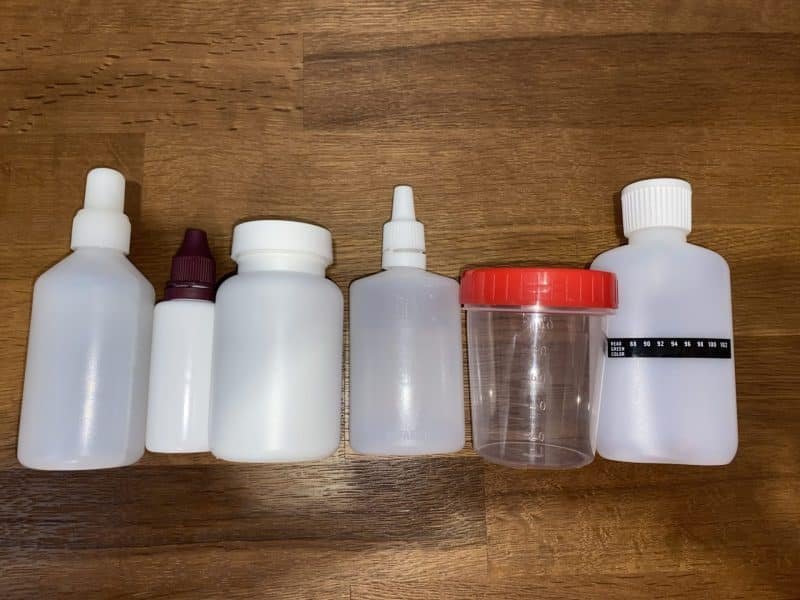
Choosing the right container is just as important as freezing temperature. Use a clean, airtight container made of plastic or glass that won’t react with the urine. Containers with secure lids prevent contamination and leaks during freezing and thawing.
Avoid containers that are too large for your sample volume; excess air inside can cause freezer burn. Label your container clearly with the date and time of collection to keep track. Have you checked if your container is freezer-safe? This simple step saves you from sample loss and frustration.
Effects Of Freezing On Sample Quality
Freezing urine samples can preserve them for later testing. Yet, freezing affects the quality of the sample. Changes happen at both the chemical and microbial level. Understanding these effects helps maintain accurate test results.
Chemical Changes
Freezing can alter some chemicals in urine. Certain compounds may break down or change form. This can affect test accuracy. For example, proteins might degrade during freezing. Electrolytes could also shift in concentration. Repeated freeze-thaw cycles worsen these changes. Proper storage at consistent freezing temperatures helps reduce damage.
Microbial Growth
Freezing slows down microbial growth but does not kill all bacteria. Some microbes survive and become active once thawed. This can change the sample’s composition. Bacterial growth may produce waste that affects test results. Using sterile containers lowers contamination risks. Testing samples soon after thawing ensures better reliability.
Credit: drgarycohen.com
Thawing And Handling Tips
Proper thawing and handling of a frozen urine sample is essential for accurate test results. Mishandling can alter the sample’s composition. This section shares simple tips to keep your sample safe and reliable after freezing. Follow these guidelines to avoid damage and contamination.
Safe Thawing Methods
Thaw the urine sample slowly to protect its quality. Place it in the refrigerator for several hours. Avoid thawing at room temperature quickly, as it may cause bacteria growth.
Use these safe thawing steps:
- Move the sample from freezer to fridge overnight.
- Let the sample reach a liquid state before testing.
- Mix the sample gently by swirling, not shaking.
Do not use a microwave or hot water to thaw. These methods can damage the sample’s components.
Avoiding Contamination
Keep the sample clean to ensure accurate results. Use sterile containers and tools when handling.
- Wash hands thoroughly before touching the sample.
- Work on a clean surface to avoid dirt or germs.
- Seal the container tightly after use to prevent spills.
- Do not reuse containers or lids without sterilizing.
Label the sample with the date and time of collection. Avoid touching the inside of the container or lid.
Common Testing Requirements
Urine samples serve many purposes in labs and clinics. Different tests require different handling and storage times. Knowing the right storage duration helps keep samples useful and accurate. Proper freezing can preserve urine for hours, days, or even weeks.
Common testing needs depend on the type of analysis. Some tests demand fresh samples, while others allow longer storage. Understanding these needs guides how long you can keep urine in the freezer.
Clinical Analysis
Clinical labs often analyze urine for infections, kidney function, or drug screening. Samples must stay fresh to avoid changes in chemicals and cells.
- Most clinical tests require urine to be frozen within 2 hours.
- Freezing at -20°C can preserve samples for up to 7 days.
- For longer storage, -80°C is preferred, extending preservation to months.
- Repeated thawing can damage the sample and affect results.
Clear labeling with collection time and freezing date is important. Labs follow strict rules to keep samples reliable for diagnosis.
Research Use
Research studies often need urine samples for biomarker discovery or toxicology tests. These tests may tolerate longer storage but require careful handling.
- Samples are usually frozen at -80°C for long-term storage.
- Urine can remain viable for months or even years in research settings.
- Researchers avoid freeze-thaw cycles to maintain sample quality.
- Proper aliquoting into small tubes helps prevent repeated thawing.
Storage time varies with the research goal and the analytes studied. Clear documentation of storage conditions supports accurate data analysis.
Alternatives To Freezing
Freezing urine samples is a common way to preserve them for later testing, but it’s not your only option. Sometimes, freezing isn’t practical, or you might want to keep the sample viable for a shorter period without compromising its quality. Let’s look at some alternatives that can help you store urine samples effectively without a freezer.
Refrigeration
Keeping your urine sample in the refrigerator can slow down bacterial growth and chemical changes. Ideally, store the sample at around 4°C (39°F) to maintain its integrity.
Refrigeration works well if you plan to use the sample within 24 to 48 hours. Beyond that, the risk of contamination and degradation increases. Have you noticed a change in the sample’s color or smell after a day in the fridge? That’s a clear sign it’s no longer suitable for testing.
Preservative Use
Adding preservatives to your urine sample can extend its shelf life without freezing. Common preservatives include boric acid or thymol, which inhibit bacterial growth and chemical breakdown.
These substances help keep the sample stable for several days, depending on the preservative type and concentration. Always check with your lab about which preservative is recommended, as improper use can interfere with test results.
Have you ever tried using a preservative in a sample? It can save you time and hassle, especially if refrigeration isn’t an option or if transport to a lab takes longer than expected.
Storage Best Practices
Proper storage of urine samples in the freezer is crucial to keep them safe and usable. Following best practices helps maintain sample quality and prevents mix-ups. Clear labeling and regular checks ensure the sample stays reliable for testing.
Labeling And Documentation
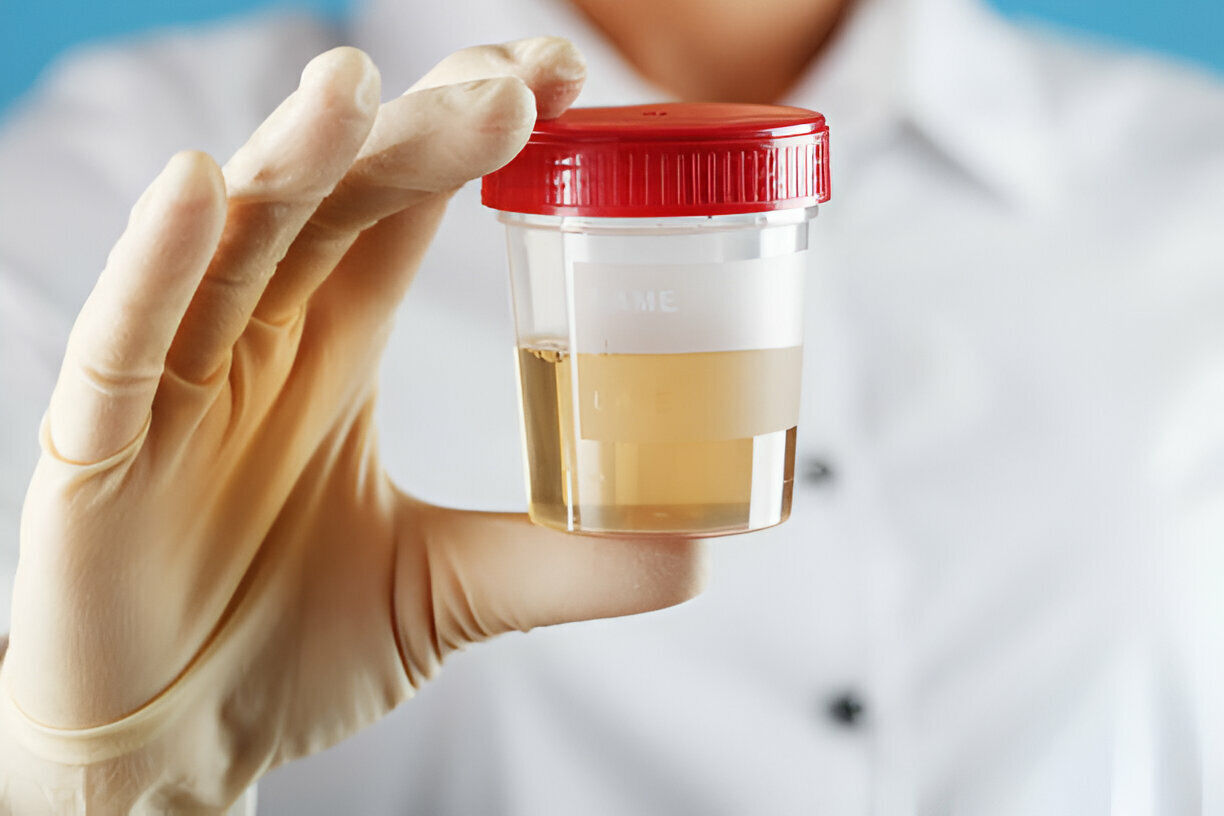
Always label the container clearly. Include the date, time, and patient or sample ID. Use waterproof markers or printed labels that won’t fade in the freezer. Keep a written or digital record of each sample’s details. This helps track storage duration and sample purpose. Proper documentation avoids confusion and errors.
Regular Monitoring
Check the freezer temperature regularly. The ideal storage temperature is usually -20°C or lower. Keep a log of temperature readings to spot any fluctuations. Inspect samples for cracks or leaks before storage. Remove any damaged containers immediately. Regular monitoring ensures the sample stays frozen and uncontaminated. It also prevents loss of valuable test materials.
Credit: deptfordmedicalcenter.com
Frequently Asked Questions
How Long Can Urine Samples Be Stored In A Freezer?
Urine samples can typically be stored in a freezer for up to 3 months. Proper sealing is essential to prevent contamination and evaporation. Freezing preserves the sample’s chemical and cellular composition for accurate testing later.
Does Freezing Affect Urine Sample Test Results?
Freezing urine samples generally does not affect most test results. However, some components like crystals may change. It is best to follow lab guidelines to ensure sample integrity and accurate diagnosis.
What Is The Best Temperature To Freeze Urine Samples?
The ideal freezer temperature for storing urine samples is -20°C (-4°F) or lower. This temperature helps maintain sample stability and prevents bacterial growth, ensuring reliable test outcomes.
Can Urine Samples Be Refrozen After Thawing?
Refreezing urine samples is not recommended as it can degrade sample quality. Thawing and refreezing may alter chemical properties, leading to inaccurate test results. Always collect a fresh sample if needed.
Conclusion
Storing urine samples in the freezer helps keep them fresh for testing. Usually, samples stay good for up to 24 hours when frozen. Always use a clean, sealed container to avoid contamination. Thaw samples slowly before use to keep accuracy.
Remember, proper storage affects test results a lot. Follow guidelines carefully to ensure reliable outcomes. This simple step saves time and effort in medical tests. Keep samples cold but avoid freezing too long. Clear, fresh samples lead to better health checks.