Ever wonder how long you can actually store your clothes in vacuum bags? You’re not alone.
Many people are turning to vacuum bags for their space-saving magic. They seem like a perfect solution, right? But before you seal those bags shut, there are some important things you need to know. How long is it really safe to store your precious garments this way?
Could there be hidden downsides you haven’t considered yet? Understanding these aspects might just save your favorite sweater from an unexpected fate. Stay with us as we delve into the ins and outs of storing clothes in vacuum bags. Your wardrobe will thank you.

Credit: www.amazon.ca
Benefits Of Vacuum Bags
Vacuum bags offer more than just a neat way to store your clothes. They bring practical benefits that can protect your garments and make your storage smarter. Understanding these advantages can help you decide how long to keep your clothes stored without worry.
Space Saving Advantages
Vacuum bags compress your clothes by removing air, shrinking bulky items into compact bundles. This means you can fit more into your closet, suitcase, or storage box without clutter.
Imagine packing your winter coats in a vacuum bag and suddenly having room for extra shoes or accessories. This space-saving trick is especially useful if you live in a small apartment or travel often.
Protection From Moisture And Dust
Vacuum-sealing locks out moisture and dust that can damage fabrics over time. This keeps your clothes fresh and clean, even if you store them for months or years.
Have you ever found a favorite sweater smelling musty after storage? Vacuum bags prevent that by creating an airtight barrier, so your clothes stay ready to wear without extra washing.
Pest And Mold Prevention
Stored clothes can attract pests like moths or develop mold in humid environments. Vacuum bags cut off oxygen, which pests and mold need to survive.
This means your delicate silk scarves or wool sweaters stay safe from holes and stains. Using vacuum bags can save you from the frustration and expense of ruined garments.
Ideal Storage Duration
Vacuum bags help save space and protect clothes from dust and moisture. Knowing the ideal storage duration keeps your clothes fresh and wearable. Storing clothes too long, even in vacuum bags, can cause damage. Timing the storage right preserves fabric quality and color.
Short-term Storage Tips
For short-term storage, keep clothes in vacuum bags for up to six months. This period prevents wrinkles and fabric breakdown. Store bags in a cool, dry place away from direct sunlight. Avoid overpacking bags to maintain proper compression without damaging fibers. Check bags occasionally to ensure no air leaks or moisture build-up.
Long-term Storage Limits
Long-term storage in vacuum bags lasts around 1 to 2 years. Beyond this, fabrics may weaken and colors fade. Natural fibers like cotton and wool need extra care over time. Synthetic fibers hold up better but still need periodic airing. Rotate stored clothes every year to keep them in good shape. Use breathable covers for very long storage to prevent mold and mildew.
Factors Affecting Storage Time
- Fabric type: Delicate fabrics last less time in vacuum bags.
- Cleanliness: Dirty clothes attract pests and odors.
- Storage environment: Humidity and temperature affect fabric condition.
- Vacuum seal quality: Poor seals let air and moisture in.
- Handling: Rough handling can cause wrinkles and tears.
Choosing The Right Clothes
Choosing the right clothes to store in vacuum bags can make a big difference in how well they hold up over time. Not all fabrics react the same way to being compressed, and some items might even get damaged. Knowing which clothes to pack and how to prepare them ensures they stay fresh and wearable when you unpack them.
Materials That Store Well
Natural fibers like cotton, wool, and linen generally do well in vacuum bags. These materials breathe better, reducing the chance of moisture buildup inside the bag. Synthetic fabrics such as polyester and nylon also hold up nicely because they resist wrinkles and don’t absorb moisture easily.
Thick sweaters and denim jeans maintain their shape and texture after being vacuum sealed, making them great candidates for long-term storage. You can feel confident packing seasonal clothes like winter coats or summer T-shirts made from these fabrics.
Items To Avoid Vacuum Sealing
Delicate fabrics such as silk, lace, and some types of leather don’t do well in vacuum bags. The compression can crush fibers, causing permanent damage or wrinkles that are hard to remove.
Also, avoid sealing clothes with embellishments like beads, sequins, or glued-on decorations. These can get crushed or fall off during compression. If you have shoes, hats, or other bulky accessories, vacuum bags may not be the best option as they can lose their shape.
Preparing Clothes For Packing
Make sure your clothes are clean and completely dry before placing them in vacuum bags. Any dirt or moisture can cause mold or unpleasant odors during storage.
Fold items neatly to maximize space and reduce creases. Rolling clothes can work too, but avoid overstuffing the bag, which might damage the fabric or the vacuum seal.
Adding a small sachet of silica gel or a dryer sheet inside the bag can help keep your clothes fresh and smelling good. Would you rather risk a wrinkled shirt or a musty one when you open your vacuum-sealed clothes?

Credit: www.amazon.ca
Proper Vacuum Sealing Techniques
Proper vacuum sealing techniques play a crucial role in extending the life of your stored clothes. If done correctly, vacuum bags can protect fabrics from moisture, dust, and pests for months or even years. But a poor seal or low-quality bag can ruin your efforts, leaving your clothes vulnerable.
Selecting Quality Vacuum Bags
Choosing the right vacuum bag sets the foundation for effective storage. Look for bags made from thick, durable plastic that resists punctures and tears. Double-sealed edges add extra protection and prevent air from sneaking back in.
Some bags come with built-in valves designed for easy air removal. These valves can save time and ensure a tighter seal compared to bags that require manual vacuum pumps. Have you ever had a bag lose suction because the valve was faulty? Avoid that by investing in trusted brands with good reviews.
Removing Air Effectively
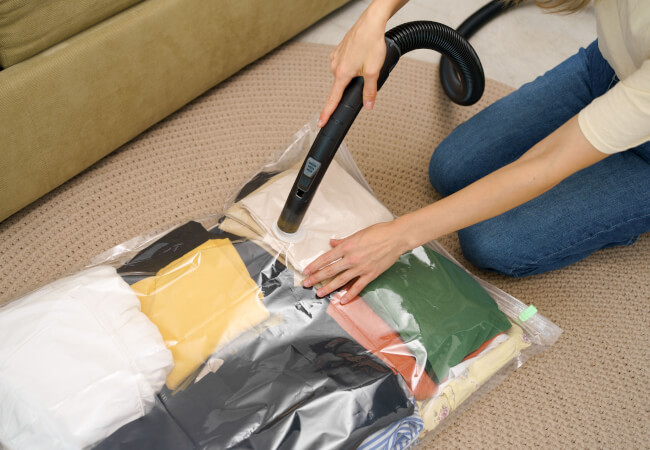
Removing as much air as possible is key to maximizing storage space and protecting your clothes. Use a vacuum cleaner with a hose attachment or a hand pump to suck out air slowly and steadily.
Press the bag flat as you remove the air to prevent wrinkles and creases in your clothes. It helps to seal the bag immediately after air removal to maintain the vacuum. If air leaks back in, your clothes won’t stay compressed or protected.
Sealing Tips For Maximum Longevity
- Ensure the sealing strip is clean and dry before closing the bag.
- Run your fingers or a flat object along the seal to press it firmly and evenly.
- Double-check the seal by gently pressing the bag to see if any air escapes.
- Store vacuum-sealed bags in a cool, dry place away from sharp objects.
Sealing your bag properly can make the difference between clothes that stay fresh and those that develop musty odors. Have you ever found your stored sweaters smelling off? That usually means air or moisture got in through a weak seal.
Storage Environment Impact
How you store your vacuum-sealed clothes plays a huge role in how long they stay fresh and wearable. Even the best vacuum bags won’t protect your garments if the environment isn’t right. Let’s look at key factors like temperature, humidity, and light, so you can keep your clothes in top shape for months or even years.
Temperature And Humidity Control
Extreme temperatures can damage fabrics over time. High heat can weaken fibers, while freezing conditions might make some materials brittle. Aim to store vacuum bags in a place where the temperature stays steady, ideally between 50°F and 70°F (10°C to 21°C).
Humidity is just as important. Excess moisture can cause mold and mildew inside the bags, ruining your clothes. Even with vacuum sealing, tiny leaks or imperfections can let in moisture. Using a dehumidifier or moisture absorbers nearby can make a big difference.
Avoiding Direct Sunlight
Sunlight might seem harmless, but ultraviolet (UV) rays can fade colors and weaken fabric fibers over time. Even vacuum-sealed clothes aren’t immune if stored in a sunny spot. You might not notice damage right away, but after a few months, those bright colors could dull.
Keep your bags away from windows or any place with direct light exposure. A dark closet or storage chest offers much better protection. If you only have a sunny room available, consider wrapping the bags in a cloth cover to block the light.
Best Places To Store Vacuum Bags
- Closets:Ideal if they’re cool, dry, and dark. Avoid closets near bathrooms or kitchens where humidity spikes.
- Under the Bed:A great spot if the area is clean and you regularly check for dust or pests.
- Storage Bins:Plastic bins add an extra layer of protection. Just ensure bins are kept off damp floors like basements.
- Garage or Attic:Usually not recommended unless these spaces are climate-controlled. Temperature swings and moisture can sneak in easily.
Have you ever found a vacuum bag with your favorite sweater inside, only to notice a musty smell or color change? That’s a clear sign the storage environment wasn’t right. Choosing the right spot can save you from that disappointment and keep your clothes fresh for your next wear.
Signs Of Wear After Storage
Storing clothes in vacuum bags can save space and protect garments. Yet, long storage may cause wear signs. Recognizing these signs helps maintain fabric quality and avoid damage. Check clothes carefully after storage to keep your wardrobe fresh and wearable.
Detecting Fabric Damage
Look closely at the fabric surface. Signs include:
- Thinning or holes in the material
- Fraying edges or loose threads
- Color fading or uneven patches
- Stiffness or loss of softness
Feel the fabric to spot weak spots or rough areas. Press lightly to notice any changes in texture. Fabric damage may happen if moisture or pressure affected the clothes inside the bag.
Odor And Mildew Indicators
Smell the clothes for any strange or musty odors. Mildew can develop if moisture gets trapped during storage. Signs include:
- A damp or sour smell
- Visible mold spots or discoloration
- Sticky or slimy patches on fabric
Odors suggest poor ventilation or humidity inside the vacuum bag. Removing clothes quickly helps prevent lasting smells and fabric decay.
How To Refresh Stored Clothes
Air out clothes as soon as you take them from vacuum bags. Hang them in a well-ventilated space for several hours. Use gentle fabric sprays to neutralize odors.
For mild wrinkles, steam the garments lightly. Washing clothes before storage reduces dirt and odor build-up. Store fully dry clothes to avoid mildew and damage.
Vacuum Bags Vs Other Storage Methods
Vacuum bags offer a unique way to store clothes by removing air and reducing space. This method differs greatly from other storage options. Understanding these differences helps choose the best storage for your needs. Let’s compare vacuum bags with traditional storage and plastic bins to see their strengths and weaknesses.
Comparing With Traditional Storage
Traditional storage often means folding clothes and placing them in drawers or closets. Clothes stay exposed to air and moisture. This can cause wrinkles, dust buildup, and even mold over time. Clothes take up more room because air stays trapped inside the fabric. Vacuum bags compress clothes tightly, saving significant space. They also protect clothes from dust and moisture better than traditional methods.
Using Plastic Bins And Boxes
Plastic bins offer solid protection against pests and dirt. They are stackable and easy to organize. However, they do not reduce the volume of clothes. Clothes inside bins may still absorb moisture and develop mildew if not sealed well. Vacuum bags remove air and prevent moisture from reaching clothes. They are lighter and more flexible for storage in small spaces. Plastic bins provide better protection against crushing but take more room.
Pros And Cons Summary
| Storage Type | Space Saving | Protection | Durability | Ease of Use |
|---|---|---|---|---|
| Vacuum Bags | High – compress clothes tightly | Good – blocks dust and moisture | Moderate – can puncture or leak | Moderate – needs vacuum or pump |
| Traditional Storage | Low – clothes keep full volume | Low – exposed to dust and moisture | High – no special handling needed | High – simple and quick |
| Plastic Bins and Boxes | Low – no compression | High – solid barrier against pests | High – sturdy and reusable | High – easy to pack and stack |
Credit: www.temu.com
Tips For Extending Storage Life
Extending the storage life of clothes in vacuum bags requires simple care and attention. Proper handling keeps fabrics fresh and prevents damage. Small habits can make a big difference.
Regular Inspection Routine
Check vacuum bags every few months. Look for any tears or air leaks. Feeling for soft spots helps find lost vacuum pressure. Early detection stops mold and odor buildup. Remove any moisture or dirt found during checks.
Repacking And Maintenance
Repack clothes if bags lose suction. Avoid overfilling bags to keep seals tight. Fold clothes neatly to save space and reduce wrinkles. Clean clothes before packing to prevent stains and pests. Use fresh vacuum bags if the old ones show wear.
Avoiding Common Storage Mistakes
Do not store vacuum bags in direct sunlight or damp places. Keep bags away from sharp objects or rough surfaces. Avoid storing bulky items that can crush delicate fabrics. Never vacuum seal wet or damp clothes as it causes mold. Store bags in cool, dry areas for best results.
Frequently Asked Questions
How Long Can Clothes Stay In Vacuum Bags Safely?
Clothes can be safely stored in vacuum bags for 1 to 2 years. Proper sealing and a cool, dry environment extend freshness and prevent damage. Beyond two years, fabric quality may degrade, so regular checks are advised.
Do Vacuum Bags Prevent Mold And Mildew On Clothes?
Yes, vacuum bags reduce air and moisture, limiting mold and mildew growth. However, clothes must be clean and dry before storage. Proper sealing and storage in a dry place are crucial to prevent any moisture buildup.
Can Delicate Fabrics Be Stored In Vacuum Bags?
Delicate fabrics can be stored in vacuum bags if handled carefully. Use gentle suction to avoid crushing fibers. Always clean and dry clothes before sealing to maintain fabric integrity and prevent damage over time.
Are Vacuum Bags Suitable For Long-term Clothes Storage?
Vacuum bags are suitable for long-term storage up to 2 years. They protect clothes from dust, insects, and moisture. However, natural fibers may lose softness, so airing clothes occasionally is recommended for preservation.
Conclusion
Vacuum bags can keep clothes fresh for months or even years. The key is to store them in a cool, dry place. Avoid exposure to sunlight and sharp objects that can damage the bags. Check your clothes regularly to ensure they stay in good shape.
Remember, natural fabrics may last shorter than synthetic ones in vacuum storage. Proper use of vacuum bags helps save space and protect clothes. Store smart, and your clothes will stay ready for your next wear. Simple care goes a long way.