
Have you ever wondered how long your air conditioner’s capacitor lasts? This small but crucial part keeps your AC running smoothly.
When it fails, your unit might stop working suddenly, leaving you hot and uncomfortable. Knowing the lifespan of your capacitor can save you time, money, and stress. You’ll discover how long these components usually last and how to spot signs of trouble before it’s too late.
Keep reading to protect your comfort and avoid unexpected breakdowns.

Credit: www.reddit.com
Ac Capacitor Basics
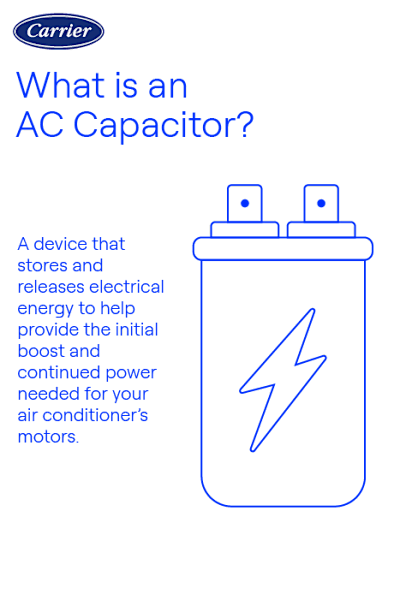
An air conditioner capacitor stores electrical energy to help start and run the motor. It acts like a battery that gives a quick burst of power. Without a working capacitor, the AC unit may not run correctly or start at all.
Capacitors come in different types and sizes. They are important for the compressor and fan motors in an air conditioner. Knowing how long they last helps you plan for maintenance and avoid breakdowns.
What Does An Ac Capacitor Do?
The capacitor gives an extra boost of electricity to the AC motors during startup. It keeps the motors running smoothly by regulating voltage. The capacitor helps the compressor and fan motors work efficiently.
Without the capacitor, the motors may struggle to start or stop working. This can cause the air conditioner to fail or use more energy.
Types Of Ac Capacitors
There are two main types of capacitors in air conditioners: start capacitors and run capacitors. Start capacitors give a quick power boost only at startup. Run capacitors keep the motors running steadily after they start.
- Start Capacitor: Short burst to start motors
- Run Capacitor: Continuous power during operation
Some AC units use a dual run capacitor that supports both the compressor and fan motors at the same time.
How Long Do Ac Capacitors Last?
AC capacitors usually last between 10 and 20 years. Their life depends on usage, weather, and electrical conditions. High heat and frequent power surges can shorten their lifespan.
Signs of a failing capacitor include slow motor start, humming sounds, or the AC not working at all. Regular checks help find problems before the capacitor fails completely.
How To Care For Your Ac Capacitor
Keep your air conditioner clean and dry to protect the capacitor. Avoid power surges by using surge protectors. Schedule regular maintenance to check the capacitor and other parts.
- Clean the AC unit regularly
- Use surge protectors for electrical safety
- Have a technician inspect the capacitor yearly
Factors Affecting Lifespan
Air conditioner capacitors are small but vital parts. They help the AC start and run smoothly. Knowing what affects their lifespan helps you keep your AC working longer.
Several factors can change how long a capacitor lasts. These include the quality, the environment, how often you use the AC, and how well you maintain it.
Quality Of Capacitor
The quality of the capacitor you buy affects how long it lasts. High-quality capacitors use better materials and have a longer life. Cheap capacitors may fail early and cause problems.
Always choose capacitors from trusted brands. Look for those with good reviews and warranties. This can save money on repairs and replacements later.
Operating Environment
The place where your AC works affects the capacitor’s life. Heat, dust, and moisture can damage capacitors faster. A clean and cool environment helps them last longer.
| Environmental Factor | Effect on Capacitor |
| High Temperature | Shortens lifespan |
| Dust and Dirt | Causes damage and failure |
| Humidity | Leads to corrosion |
| Stable Temperature | Extends lifespan |
Usage Frequency
How often you use your air conditioner affects the capacitor. Frequent use means the capacitor works more and may wear out sooner. Less use can help it last longer.
- Daily use in hot climates wears capacitors faster
- Seasonal use reduces stress on parts
- Turning AC on and off many times can cause extra wear
Maintenance Practices
Good maintenance keeps capacitors healthy. Cleaning the AC unit, checking connections, and replacing parts on time help capacitors last longer.
| Maintenance Practice | Benefit |
|---|---|
| Regular cleaning | Prevents dust buildup |
| Checking electrical connections | Reduces risk of damage |
| Timely replacement | Prevents sudden failure |
| Professional inspection | Detects issues early |
Signs Of A Failing Capacitor
Air conditioner capacitors help start and run the compressor and fan motors. Over time, capacitors can wear out and fail. It is important to spot the signs early to avoid further damage to the AC unit.
Below are some common signs that indicate a failing air conditioner capacitor. Watch for these signs to keep your AC running smoothly.
Unusual Noises
A failing capacitor can cause strange noises from your air conditioner. You might hear buzzing, humming, or clicking sounds. These noises happen because the motor struggles to start or run properly.
Ac Performance Issues
If the capacitor is weak, your AC may not cool well. The compressor or fan may stop working, or the unit might turn on and off frequently. These problems show that the capacitor is not supplying enough power.
- AC blows warm air instead of cold
- Unit cycles on and off too often
- Fan or compressor fails to start
- AC runs but shuts down suddenly
Increased Energy Bills
A failing capacitor makes your AC work harder. This extra effort uses more electricity. As a result, your energy bills may rise without any change in usage.
| Symptom | Cause | Effect |
|---|---|---|
| Buzzing or humming noises | Motor struggles to start | Possible motor damage |
| AC not cooling properly | Weak capacitor power | Reduced comfort |
| Higher electricity bills | AC works harder | Increased costs |
Average Lifespan Expectancy
Air conditioner capacitors are small parts that help start and run the motor. Knowing how long they last helps with maintenance and avoiding sudden breakdowns.
The lifespan of a capacitor depends on use, weather, and quality. Most capacitors last several years but may need replacement over time.
Typical Duration
On average, air conditioner capacitors last between 7 and 12 years. This range depends on the following factors:
- Frequency of use and running hours
- Exposure to heat and humidity
- Electrical surges and voltage spikes
- Quality and brand of the capacitor
- Proper installation and maintenance
Capacitors may fail sooner if they face harsh conditions or poor electrical supply. Checking them every few years can help catch issues early.
Comparison With Other Components
Capacitors often wear out faster than some other parts of an air conditioner. Here is a simple table comparing their average lifespans:
| Component | Average Lifespan (Years) |
| Capacitor | 7 – 12 |
| Compressor | 10 – 15 |
| Fan Motor | 10 – 15 |
| Thermostat | 10 – 20 |
Replacing capacitors on time helps protect other parts. A failing capacitor can cause the motor to stop working or overheat.
Extending Capacitor Life
Air conditioner capacitors help start and run the system. They can last 10 to 20 years but need care.
Taking steps to extend capacitor life saves money and keeps your AC working well.
Regular Maintenance
Regular checks find small issues before they cause capacitor failure. Clean and inspect parts often.
- Turn off power before inspecting the capacitor.
- Look for bulges or leaks on the capacitor’s body.
- Check for loose or corroded wires and terminals.
- Use a multimeter to test the capacitor’s microfarad rating.
- Clean dust and debris from the AC unit regularly.
Optimal Usage Tips
Proper use reduces stress on the capacitor. Avoid overworking your air conditioner.
| Tip | Reason |
| Set thermostat at a steady temperature | Prevents frequent starts and stops |
| Keep outdoor unit shaded | Reduces heat stress on parts |
| Do not block airflow near the unit | Ensures efficient cooling and less strain |
| Schedule professional tune-ups annually | Maintains system health and capacitor function |
Credit: www.carrier.com
When To Replace A Capacitor
Air conditioner capacitors help start the motor and keep it running. Over time, they wear out and need replacement. Knowing the right time to replace a capacitor saves you from bigger AC problems.
Capacitors usually last 10 to 20 years, but some fail earlier. Watch for signs that show your capacitor may be bad and needs checking.
Warning Indicators
There are clear signs that your air conditioner’s capacitor may be failing. These warning indicators include:
- AC takes longer to start or does not start at all
- Unit makes humming or buzzing noises
- AC turns on and off frequently
- Reduced cooling performance
- Visible bulges or leaks on the capacitor
Professional Assessment
A trained technician uses special tools to check the capacitor’s health. They measure the capacitance and compare it to the rated value. Here is a simple table showing what these test results mean:
| Test Result | Meaning |
| Within 10% of Rated Value | Capacitor is good |
| 10% to 20% Below Rated Value | Capacitor is weak, consider replacement |
| More than 20% Below Rated Value | Capacitor is bad, replace immediately |
| Open or Short Circuit | Capacitor is failed, replace immediately |
Cost Implications
Air conditioner capacitors wear out over time. Knowing how long they last helps you plan expenses.
Replacing a capacitor impacts your repair bills and energy costs. Understanding these helps you save money.
Replacement Costs
Capacitor replacement usually costs less than fixing bigger AC problems. The part itself is affordable.
Labor costs vary by location and technician experience. Prompt replacement avoids extra repair fees.
- Capacitor parts cost between $10 and $30
- Labor fees range from $75 to $150
- Ignoring capacitor issues can cause compressor damage
Long-term Savings
Replacing capacitors on time keeps your AC running efficiently. This lowers electricity bills over years.
Good maintenance extends your air conditioner’s life, reducing the need for costly replacements.
- Improved energy efficiency saves money monthly
- Less frequent repairs reduce unexpected expenses
- Longer AC lifespan means delayed replacement costs
Credit: www.georgiaairrepair.com
Frequently Asked Questions
How Long Do Air Conditioner Capacitors Typically Last?
Air conditioner capacitors usually last between 10 to 20 years. Lifespan depends on usage, climate, and maintenance quality. Regular inspections can extend their life. Replacing a failing capacitor promptly prevents further system damage.
What Signs Indicate A Failing Ac Capacitor?
Common signs include AC not cooling properly, humming noises, or failure to start. The fan may run slowly or stop. If your unit cycles frequently or trips breakers, the capacitor might be faulty. Timely diagnosis avoids costly repairs.
Can I Replace An Air Conditioner Capacitor Myself?
Replacing a capacitor requires electrical knowledge and safety precautions. If you lack experience, hire a professional technician. Incorrect replacement can cause damage or injury. Always disconnect power before attempting any repairs.
Does Weather Affect Air Conditioner Capacitor Lifespan?
Yes, extreme heat and humidity can reduce capacitor life. Frequent power surges and voltage fluctuations also cause early failure. Proper unit shielding and surge protectors help improve longevity.
Conclusion
Air conditioner capacitors usually last between 10 and 20 years. Heat and frequent use can shorten their life. Watch for signs like slow cooling or strange noises. Regular checks help catch problems early. Replacing a bad capacitor saves your AC from bigger damage.
Keep your system running smoothly and stay comfortable all year. Simple care makes a big difference in how long your AC lasts. Don’t ignore small issues—they can turn into costly repairs. Stay alert and maintain your unit for the best performance.