
Have you ever wondered how long your air conditioner’s capacitor lasts before it needs to be replaced? If your AC suddenly stops cooling or makes strange noises, the capacitor might be the culprit.
Knowing the lifespan of this small but vital part can save you from unexpected breakdowns and costly repairs. You’ll discover exactly how long air conditioner capacitors typically last and what signs to watch for when yours is wearing out. Keep reading to protect your comfort and avoid surprises during the hottest days.
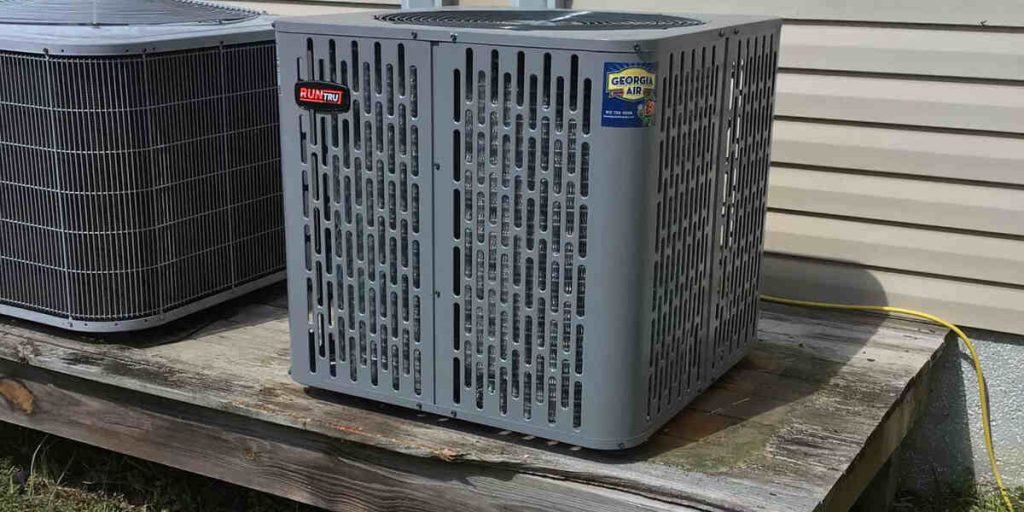
Credit: www.georgiaairrepair.com
Air Conditioner Capacitor Basics
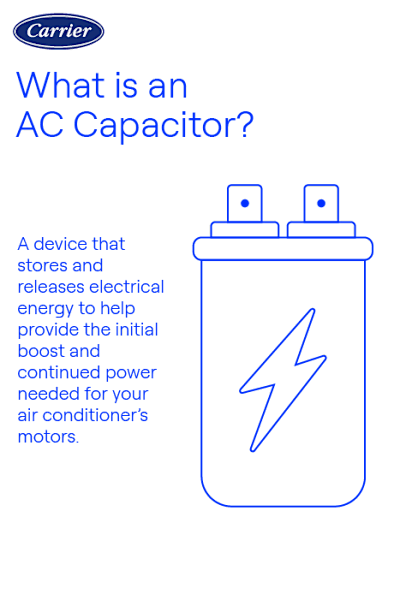
Capacitorsstore and release electrical energy. They help start and run the fan motor and compressor in air conditioners. Without capacitors, the AC unit cannot work properly.
There are mainly two types of capacitors in AC units:
- Start Capacitors:Give extra power to start the motor quickly.
- Run Capacitors:Help the motor run smoothly and use less energy.
Both types are important for the AC to work well and keep your home cool.
Factors Affecting Capacitor Lifespan
Heat and environmental stresscan make capacitors wear out faster. High temperatures cause the parts inside to dry up. Dust and moisture also harm the capacitor’s life. Keeping the air conditioner in a cool, dry place helps it last longer.
Electrical surges and voltagespikes can damage the capacitor quickly. Sudden power changes make it work too hard. Using a surge protector can protect the capacitor from these shocks.
Quality and brand differencesaffect how long a capacitor lasts. Better brands use higher quality materials. Cheaper capacitors may fail sooner and need replacing more often. Choosing a trusted brand saves money over time.
Typical Lifespan Of Ac Capacitors
The average lifespanof an air conditioner capacitor is around 10 to 15 years. This depends on usage, climate, and maintenance. Higher temperatures can shorten its life.
Capacitors store energy and help the AC start and run smoothly. Over time, they wear out and lose efficiency.
| Type of Capacitor | Average Lifespan (Years) |
|---|---|
| Run Capacitor | 10 – 15 |
| Start Capacitor | 8 – 12 |
- Signs of aging capacitorsinclude slow AC starts or failure to start.
- Buzzing noises or a burning smell can mean capacitor trouble.
- Visible bulging or leaking fluid shows the capacitor needs replacement.
- Frequent AC trips or performance drops also signal capacitor issues.
Credit: www.carrier.com
Symptoms Of A Failing Capacitor
Unusual noiseslike buzzing or humming can mean a bad capacitor. These sounds come from the motor struggling to start or run. The noises may get louder over time.
Reduced cooling efficiencyhappens when the capacitor fails to power the compressor or fan properly. The air conditioner may not cool the room well. It may take longer to reach the desired temperature.
Frequent AC cyclingmeans the unit turns on and off more often than usual. This can strain the system and increase energy bills. The capacitor may be weak and unable to keep the AC running smoothly.
Testing And Replacing Capacitors
Testing a capacitor requires a multimeter with a capacitance setting. First, turn off power to the air conditioner. Discharge the capacitor by touching its terminals with a screwdriver. Remove the capacitor and connect the multimeter leads to the terminals. A good capacitor shows a reading close to its rated value. If the reading is very low or zero, the capacitor is faulty.
Replace the capacitor if the air conditioner struggles to start or runs poorly. A bulging or leaking capacitor needs replacement. Capacitors usually last 10 to 20 years but can fail sooner from heat or wear.
| Cost | DIY | Professional Help |
|---|---|---|
| $10 – $40 | Save money, must know safety steps | Higher cost, safer, ensures proper installation |

Credit: www.amazon.ca
Maintenance Tips To Extend Lifespan
Keeping the air conditioner capacitor clean helps it last longer. Dirt and dust can cause it to work harder and fail early. Use a soft brush or cloth to gently remove debris from the unit.
Power surges can damage the capacitor quickly. Use a surge protector to guard the air conditioner from sudden voltage spikes. This simple step can prevent costly repairs and extend the capacitor’s life.
Professional inspections catch small problems before they grow. Schedule routine check-ups with an HVAC technician to ensure all parts, including the capacitor, work well. Early fixes keep your system running smoothly and prevent breakdowns.
Frequently Asked Questions
How Long Do Ac Capacitors Typically Last?
AC capacitors typically last about 10 to 20 years. However, their lifespan can be affected by several factors. These include frequent use, exposure to high temperatures, and poor maintenance. Regular inspection and servicing can help extend their life. Always consult a professional for accurate diagnosis and replacement.
What Causes Ac Capacitors To Fail?
Several factors can cause AC capacitors to fail. Common causes include electrical surges, overheating, and age. Poor maintenance and frequent cycling can also contribute. Routine checks and timely replacements can help prevent failures. It’s crucial to address any issues promptly to avoid further damage.
How Can I Tell If My Ac Capacitor Is Bad?
Signs of a bad AC capacitor include a non-functional AC unit, strange noises, and frequent cycling. The unit might also take longer to start. If you notice these issues, consult a professional for a thorough inspection. Prompt replacement can prevent further damage to your system.
Can I Replace An Ac Capacitor Myself?
Replacing an AC capacitor yourself is not recommended. It involves handling electrical components that can be dangerous. A professional technician has the expertise and tools necessary for safe replacement. Always prioritize safety and efficiency by consulting a qualified professional for this task.
Conclusion
Air conditioner capacitors usually last between 10 to 20 years. Their lifespan depends on usage, weather, and maintenance. Signs of a failing capacitor include strange noises and poor cooling. Regular checks help catch problems early and save money. Replacing a bad capacitor keeps your AC running smoothly.
Stay alert to your AC’s performance to avoid surprises. Proper care extends the life of your system parts. Small actions can prevent big repairs later. Keep your home cool and comfortable year-round.