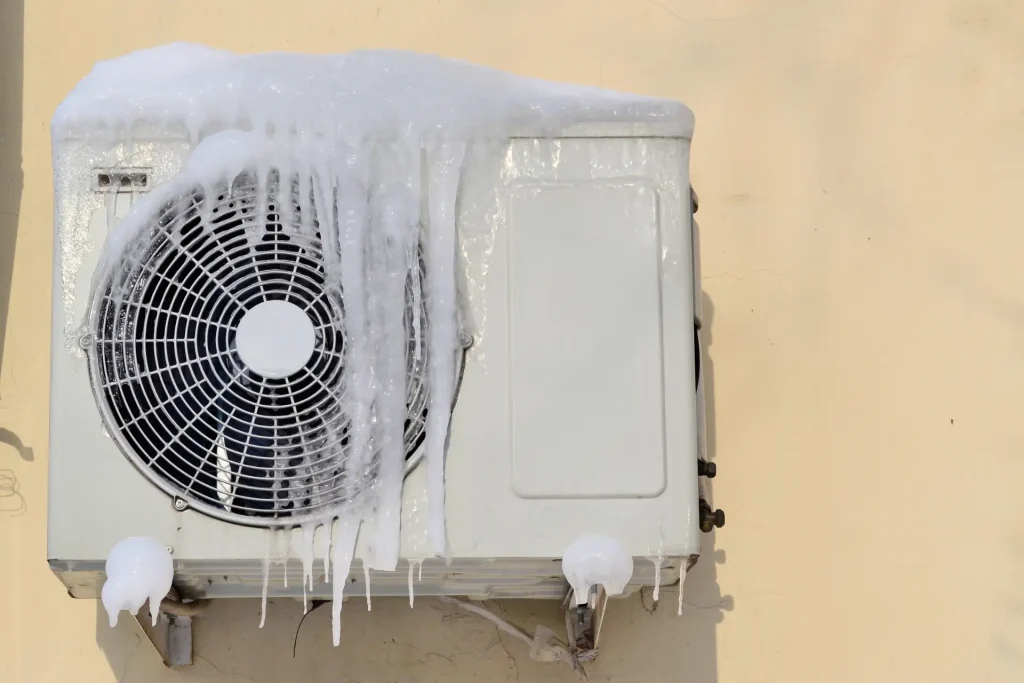
Wondering how long your air conditioner will keep you cool? You rely on it every hot day, but when should you start thinking about a replacement?
Knowing the lifespan of your AC can save you from unexpected breakdowns and costly repairs. You’ll discover the typical lifespan of air conditioners, key signs your unit is aging, and simple tips to extend its life. Keep reading to make sure your home stays comfortable without any surprises.

Credit: havells.com
Typical Air Conditioner Lifespan
Air conditioners are important for keeping homes cool. Knowing how long they last helps with planning and maintenance.
The lifespan of an air conditioner depends on many things. Some last longer than others based on use and care.
Average Years Of Operation
Most air conditioners work well for about 10 to 15 years. Some can last up to 20 years with good care.
After this time, they may need more repairs and may use more energy. Replacing older units can save money.
Factors Influencing Longevity
Several factors affect how long an air conditioner lasts. Taking care of these can extend its life.
- Regular maintenance keeps parts working well
- Proper installation prevents early damage
- How often the unit is used changes wear and tear
- Climate affects how hard the system works
- Quality of the air conditioner model matters
Types Of Air Conditioners And Their Durability
Air conditioners come in different types, and each type lasts for a different time. Knowing how long your air conditioner can last helps you plan for repairs or replacements.
This guide explains the main types of air conditioners and their typical durability. You will learn how long each type usually works well.
Central Air Conditioners
Central air conditioners cool entire homes through ducts. They are common in big houses and buildings. These systems usually last a long time with good care.
On average, central air conditioners last about 15 to 20 years. Regular maintenance can help them run longer and save energy.
- Typical lifespan: 15-20 years
- Needs regular filter and coil cleaning
- Professional checkups increase durability
Window Units
Window air conditioners are small units that fit into a window frame. They cool single rooms and are easy to install. These units usually last less than central systems.
Most window units last around 8 to 10 years. Using them properly and cleaning filters often helps them stay efficient.
- Typical lifespan: 8-10 years
- Easy to clean and maintain
- Best for cooling small spaces
Portable Air Conditioners
Portable air conditioners can be moved from room to room. They do not need permanent installation. These units are convenient but tend to last shorter than window units.
Portable air conditioners usually work well for 5 to 8 years. Regular filter cleaning helps keep them running smoothly.
- Typical lifespan: 5-8 years
- Requires frequent filter cleaning
- Good for temporary cooling needs
Ductless Mini-splits
Ductless mini-splits cool rooms without ducts. They have an outdoor compressor and indoor air handlers. These systems are efficient and last a long time.
Mini-splits can last between 15 and 20 years. Proper service and filter cleaning keep them working well for many years.
- Typical lifespan: 15-20 years
- Needs regular maintenance and cleaning
- Good for homes without ductwork
Impact Of Maintenance On Ac Lifespan
Air conditioners last longer when you take good care of them. Regular maintenance helps avoid breakdowns. It keeps the system running smoothly.
Without maintenance, parts wear out faster. This shortens the AC’s life. Spending time on upkeep saves money in the long run.
Regular Cleaning And Filter Replacement
Cleaning your AC and changing filters often is very important. Dust and dirt block airflow. This makes the AC work harder.
Dirty filters reduce cooling power and increase energy use. Clean filters help the AC last longer and cool better.
- Change filters every 1 to 3 months
- Clean coils and fins to remove dirt
- Keep the area around the AC clear
Professional Inspections
Experts can find problems before they get big. They check parts like refrigerant levels and electrical connections. This keeps the AC safe and efficient.
Getting a professional check once a year helps the AC last longer. They clean hard-to-reach parts and fix small issues early.
- Schedule yearly inspections
- Ask for system performance checks
- Have refrigerant levels tested
Common Maintenance Mistakes
Many people skip regular cleaning or ignore small problems. This causes damage and reduces AC life. Using wrong parts or skipping inspections also hurts the system.
Do not forget to change filters or clean the unit. Avoid trying repairs without knowledge. These mistakes lead to costly repairs or early replacement.
- Ignoring dirty filters and coils
- Not scheduling professional service
- Using incorrect replacement parts
- Trying DIY repairs without experience
Signs Your Air Conditioner Is Nearing End Of Life
Air conditioners do not last forever. Over time, parts wear out and performance drops. It is important to know the signs that your AC is nearing the end of its life.
Recognizing these signs early can help you plan for repair or replacement. This guide covers key indicators to watch for.
Decreased Cooling Efficiency
Your air conditioner may not cool as well as it used to. It might take longer to reach the desired temperature. You may feel less cold air coming out of the vents.
- Longer cooling cycles
- Uneven room temperatures
- Warm air blowing instead of cold
- Increased humidity indoors
Frequent Repairs
If you call a technician often, your AC may be failing. Small fixes add up to big costs. This is a clear sign the system is wearing out.
| Common Repair Issues | What It Means |
| Refrigerant leaks | Loss of cooling power |
| Compressor failure | System stops working |
| Electrical problems | Inconsistent operation |
| Fan motor issues | Reduced airflow |
Rising Energy Bills
Your energy bills may rise without changes in use. Older AC units work harder and use more power. This leads to higher costs.
Signs of rising energy use:
- Bill increases each month
- Unit runs constantly
- Cooling feels weaker
- Thermostat settings unchanged
Extending Your Air Conditioner’s Life
Air conditioners can last many years if you take good care of them. Proper maintenance helps avoid costly repairs. Simple habits can keep your AC running smoothly.
This guide shares tips on how to use your AC well, upgrade parts, and pick the right installation. Follow these to get the best life from your system.
Proper Usage Tips
Using your air conditioner correctly reduces wear and tear. Set your thermostat to a comfortable but not too low temperature. Avoid turning the AC on and off often.
- Keep doors and windows closed while the AC runs
- Clean or replace air filters every 1-3 months
- Use ceiling fans to help cool rooms faster
- Limit heat sources near the thermostat
- Schedule regular professional tune-ups
Upgrading Components
Replacing old parts can improve your AC’s performance and lifespan. Focus on key components that wear out most often.
| Component | Upgrade Benefit | Recommended Frequency |
|---|---|---|
| Air Filters | Better air quality and airflow | Every 1-3 months |
| Thermostat | More accurate temperature control | Every 5-10 years |
| Fan Motor | Quieter operation and energy savings | As needed |
| Refrigerant | Improved cooling efficiency | Check annually |
Choosing Quality Installation
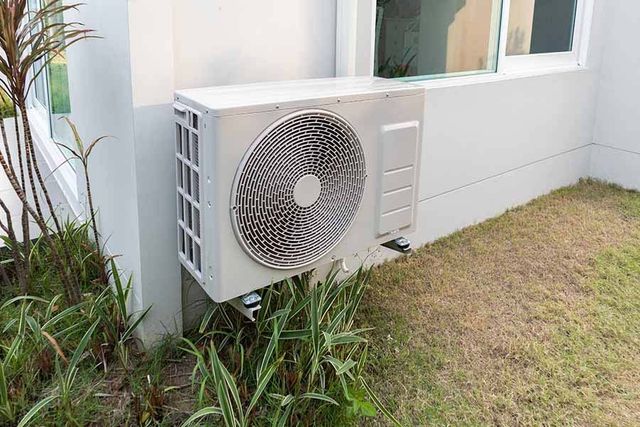
Proper installation is key to a long-lasting air conditioner. Poor work can cause leaks and reduce efficiency. Choose a skilled technician for the job.
- Correct unit size for your home
- Proper placement away from sun and debris
- Secure electrical connections
- Sealed ductwork to prevent air loss
- Clear drainage to avoid water damage
Credit: www.premiersystemsmt.com
When To Repair Vs. Replace Your Ac
Air conditioners are a big part of home comfort. Knowing when to fix or replace your AC saves money. This guide helps you decide what to do.
Look at costs, age, and energy use. These factors help you choose repair or replacement.
Cost Considerations
Fixing an AC can be cheaper than buying new. But repair costs add up if problems repeat. Check if repair price is close to a new unit’s cost.
- Compare repair cost to replacement cost
- Consider how long repairs will last
- Think about parts availability
- Check for warranty coverage
Age And Condition Assessment
Most AC units last 10 to 15 years. Older units may need more repairs. Newer units usually run better and use less energy.
| AC Age | Repair Advice | Replace Advice |
| Less than 10 years | Repair if cost is reasonable | Replace if frequent breakdowns |
| 10 to 15 years | Consider repair carefully | Replace if efficiency drops |
| More than 15 years | Repair only for minor fixes | Usually better to replace |
Energy Efficiency Factors
Newer AC models use less power. Old units cost more to run. Upgrading can lower energy bills. Check the SEER rating before deciding.
Signs to replace for efficiency:
- Your AC has a SEER rating below 13
- Energy bills keep rising without reason
- Repairs do not improve cooling well
- Unit uses outdated refrigerant types
Environmental And Financial Benefits Of New Ac Units
New air conditioners use less energy and work better than old ones. This helps save money on bills.
Replacing an old AC also helps protect the environment by cutting down pollution.
Energy Savings
Modern AC units use smart technology to cool your home with less power. This means lower electricity bills.
New models meet strict energy rules, so they waste less energy while running.
- Advanced compressors use less electricity
- Better insulation keeps cool air inside
- Energy-efficient fans reduce power use
Reduced Carbon Footprint
Using a new AC lowers greenhouse gas emissions. This helps fight climate change.
Old air conditioners often use harmful refrigerants. New units use safer, eco-friendly options.
- Less energy use means fewer emissions from power plants
- New refrigerants reduce damage to the ozone layer
- Improved design cuts waste and pollution
Rebates And Incentives
Many governments and companies offer rebates for buying energy-efficient AC units. These help lower the purchase cost.
Incentives encourage people to upgrade old units, which saves energy and money in the long run.
- Cash rebates from utility companies
- Tax credits for energy-saving products
- Special financing options for new AC systems

Credit: www.callfastair.com
Frequently Asked Questions
How Many Years Does An Ac Typically Last?
Most air conditioners last between 15 to 20 years. Regular maintenance can extend its life. Factors like usage, brand, and environment play a role. Proper care ensures optimal performance. Replace filters and clean coils regularly. Consider professional inspections to catch issues early.
What Are Signs My Ac Needs Replacement?
Frequent breakdowns and costly repairs are key signs. Inefficient cooling and rising energy bills also indicate issues. Unusual noises or leaks may suggest a failing system. If your unit is over 15 years old, consider replacing it. Newer models offer better efficiency and savings.
How Can I Extend My Ac’s Lifespan?
Regular maintenance is crucial for longevity. Clean or replace filters monthly. Schedule annual professional inspections. Keep outdoor units free from debris. Ensure proper airflow by clearing vents. Use a programmable thermostat to reduce strain. Address minor issues promptly to prevent major problems.
Does Ac Brand Affect Its Lifespan?
Yes, brand quality influences longevity. Reputable brands often offer more reliable and durable units. Check reviews and compare warranties before purchasing. Installation quality also impacts lifespan. Choose experienced professionals for installation. Regular maintenance can mitigate differences between brands.
Conclusion
Air conditioners usually last between 10 to 15 years. Regular maintenance helps them work longer and better. Clean filters and checkups keep your unit running smoothly. Old ACs can use more energy and cost more to fix. Knowing when to replace your AC saves money and stress.
A well-kept air conditioner keeps your home cool and comfortable. Remember, taking care of your AC now helps avoid big problems later. Simple steps make a big difference in how long it lasts.