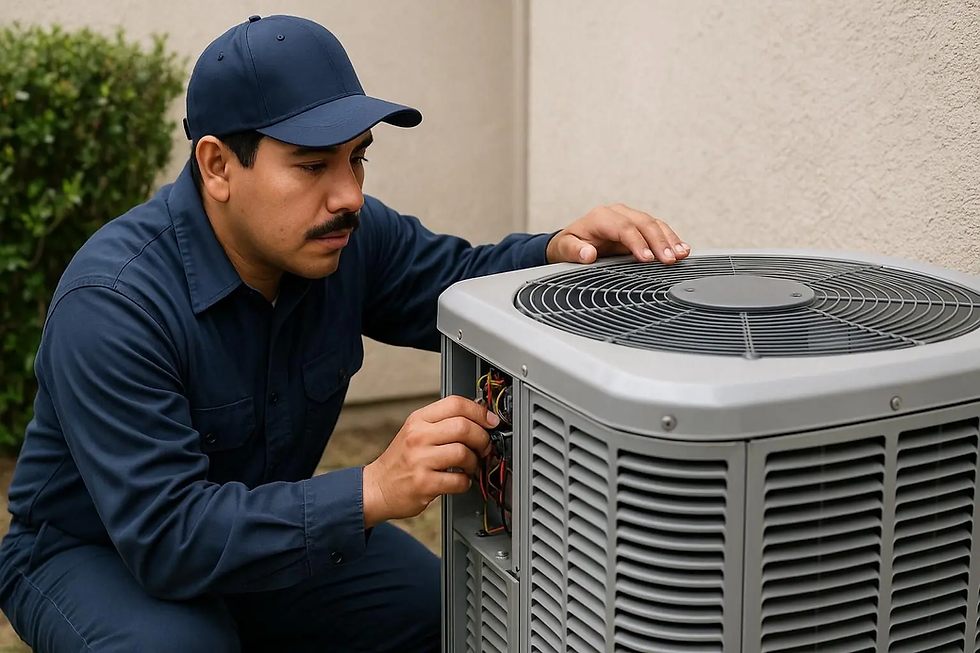
If you live in Florida, you know how important your air conditioner is. It keeps your home cool and comfortable through hot, humid days.
But have you ever wondered how long your air conditioner will actually last in Florida’s tough climate? Knowing this can help you plan your budget and avoid sudden breakdowns. You’ll discover the real lifespan of air conditioners in Florida and learn simple tips to make yours last longer.
Keep reading to protect your comfort and your wallet.
Air Conditioner Lifespan Basics
Air conditioners are essential in Florida due to the hot climate. Knowing how long they last helps in planning maintenance and replacements.
The lifespan of an air conditioner depends on several factors. This guide explains the average lifespan and what affects it in Florida.
Average Lifespan In Florida
In Florida, air conditioners usually last between 10 and 15 years. The warm and humid weather can shorten their life compared to cooler states.
| Type of AC Unit | Average Lifespan (Years) |
| Central Air Conditioner | 12 – 15 |
| Window Unit | 8 – 10 |
| Split System | 10 – 15 |
Factors Affecting Longevity
Several elements affect how long an air conditioner lasts. Taking care of these factors can extend the unit’s life.
- Regular maintenance keeps the system clean and efficient.
- Proper installation prevents early wear and damage.
- Quality of parts influences durability and performance.
- Usage frequency impacts how fast parts wear out.
- Florida’s salty air can cause rust and corrosion.
- Extreme heat increases stress on the system.
Credit: premiercoolingllc.com
Climate Impact On Ac Durability
Air conditioners in Florida face tough conditions that affect how long they last. The hot, humid climate puts extra strain on these units.
Understanding the effects of humidity, salt air, and heat can help you maintain your AC better. These factors wear down parts faster than usual.
Humidity Effects
Florida’s high humidity makes air conditioners work harder. Moist air forces the system to remove more water from the air. This constant work can cause parts to wear out sooner.
Humidity can also lead to mold and rust inside the unit. This can block airflow and reduce efficiency. Regular cleaning helps reduce these problems.
Salt Air And Corrosion
Coastal areas of Florida have salt in the air. Salt speeds up corrosion on metal parts. This damages the AC unit’s coils and casing. Corrosion lowers the unit’s cooling ability.
- Metal parts rust faster near the ocean
- Coils can clog with salt deposits
- Electrical components may corrode
- Protective coatings wear down quickly
Heat Exposure Challenges
Florida’s strong sun raises outdoor temperatures. High heat makes the AC unit run longer to cool your home. This extra work stresses the compressor and fan.
| Heat Factor | Impact on AC |
| Daily High Temps Above 90°F | Increases compressor wear |
| Prolonged Sun Exposure | Fades unit paint and weakens plastic parts |
| Heat Spikes in Summer | Raises failure risk of electrical parts |
Maintenance Tips To Extend Life
Air conditioners in Florida face heavy use due to the hot climate. Proper maintenance helps them last longer.
Simple care routines can keep your system working well and prevent costly breakdowns.
Regular Cleaning And Filters
Cleaning your air conditioner and changing filters often improves airflow and efficiency. Dirty filters make the system work harder.
- Replace or clean filters every 1 to 3 months
- Remove debris and dust from vents and coils
- Keep outdoor units free from leaves and dirt
Professional Inspections
Have a technician check your air conditioner once a year. They inspect parts you cannot see or reach easily.
| Inspection Item | Purpose |
| Refrigerant Levels | Ensure cooling efficiency |
| Electrical Connections | Prevent shorts or failures |
| Thermostat Operation | Maintain correct temperature |
| Drainage System | Prevent water damage |
Timely Repairs
Fix small problems quickly to avoid bigger damage. Delays make repairs costly and shorten the unit’s life.
Signs you need repairs:
- Strange noises
- Weak airflow
- Unusual smells
- Higher energy bills

Credit: www.callfastair.com
Signs Your Ac Needs Replacement
Air conditioners in Florida face tough conditions. Hot weather and humidity make AC units work hard. Over time, this wear and tear can reduce their performance.
Knowing when your AC needs replacement saves money and keeps you cool. Watch for these common signs to decide if it is time for a new unit.
Decreased Cooling Efficiency
Your AC should cool your home evenly and quickly. If it feels warm or takes longer to cool, the system may be failing.
Old parts and worn-out compressors cause less cold air. Airflow problems also make the unit work harder but cool less.
- Rooms stay warmer than usual
- AC runs longer but cools less
- Uneven temperatures in the house
Rising Energy Bills
If your electric bills rise suddenly, your AC might be losing efficiency. Older units use more power to cool the same space.
Worn parts and leaks make your system work harder. This extra work increases energy use and costs more money.
- Higher monthly electricity bills
- Longer run times for the AC
- Frequent cycling on and off
Frequent Breakdowns
Older AC units may break down often. Constant repairs mean the system is near the end of its life.
Parts become harder to find, and repair costs go up. A new AC saves money and avoids sudden failures.
- Regular need for repairs
- Strange noises or smells
- Water leaks or ice buildup
Choosing A Durable Ac Unit
Living in Florida means hot and humid weather most of the year. Picking an air conditioner that lasts long is very important. A durable AC unit keeps your home cool and lowers repair costs.
This guide helps you choose a strong and reliable air conditioner. Focus on energy ratings, brand trust, and warranty details.
Energy Efficiency Ratings
Energy efficiency shows how well an AC uses electricity. Higher ratings mean lower energy bills and less stress on the unit.
Look for units with a high SEER (Seasonal Energy Efficiency Ratio) number. A SEER of 16 or above works well in Florida’s climate.
- Higher SEER saves money on electric bills
- Efficient units run cooler and last longer
- Check the Energy Star label for trusted models
Brand Reliability
Choose brands known for quality and durability. Some brands have better parts and last longer in Florida’s heat.
Read reviews and ask for advice from local HVAC experts. Reliable brands often offer good service and easy repairs.
- Trusted brands use strong materials
- Local service centers help with repairs
- Good brands keep their parts available
Warranty Considerations
A good warranty protects your investment. It covers parts and sometimes labor for a set time after purchase.
Look for warranties that last at least 10 years on the compressor and parts. Read the fine print for what is included.
- Longer warranties show manufacturer confidence
- Check if labor costs are covered
- Register your unit to activate the warranty

Credit: www.dreamden.ai
Cost Implications Over Time
Air conditioners in Florida face unique challenges due to heat and humidity. Understanding the cost over time helps homeowners make smart choices.
Costs include repairs, energy use, and possible upgrades. Each affects your budget differently as the unit ages.
Repair Vs Replacement Costs
Repairing an old air conditioner can be cheaper short term. But frequent repairs add up fast. Replacement costs more at once but may save money later.
- Repair costs rise as the system ages
- Replacing avoids repeated repair bills
- New units come with warranties
- Older units lose efficiency and need more fixes
Long-term Energy Savings
Newer air conditioners use less energy. This lowers electric bills over time. Older units can waste a lot of power.
| Unit Age | Energy Efficiency | Monthly Energy Cost |
| 1-5 years | High | Low |
| 6-10 years | Moderate | Moderate |
| 11+ years | Low | High |
Investment In Upgrades
Upgrading parts can improve efficiency and comfort. Some upgrades cost less than full replacement.
- Installing a programmable thermostat
- Adding better insulation to ducts
- Cleaning or replacing filters regularly
- Using energy-efficient refrigerants
Frequently Asked Questions
How Often Should Ac Units Be Replaced In Florida?
In Florida, air conditioners typically last 10 to 15 years. Factors like humidity and usage can affect lifespan. Regular maintenance can help extend the unit’s life. It’s advisable to consult a professional to assess your AC’s condition.
What Affects Ac Lifespan In Florida?
Florida’s high humidity and frequent use can shorten AC lifespan. Salt air in coastal regions can cause corrosion. Regular maintenance and timely repairs can mitigate these effects. Choosing the right unit size and efficiency can also improve longevity.
How Can I Extend My Ac’s Lifespan In Florida?
Regular maintenance is key to extending your AC’s lifespan. Clean or replace filters monthly and schedule annual professional check-ups. Ensure proper insulation and seal leaks to reduce strain. Keep the outdoor unit free from debris and ensure proper airflow.
Does Florida’s Climate Impact Ac Efficiency?
Yes, Florida’s hot and humid climate impacts AC efficiency. High humidity makes units work harder, reducing efficiency. Regular maintenance and proper insulation can help. Using a dehumidifier can also reduce strain on your AC system.
Conclusion
Air conditioners in Florida usually last about 10 to 15 years. Regular care helps them work longer and better. Extreme heat and humidity can shorten their life. Clean filters and yearly check-ups keep your unit healthy. Planning for replacement before major breakdowns saves stress and money.
Knowing how long your AC lasts helps you prepare smartly. Stay cool and comfortable all year with good maintenance. A working AC makes Florida’s heat much easier to handle.