Have you ever wondered how long your air conditioner can keep you cool without breaking down? Knowing the lifespan of your AC is key to planning repairs, replacements, and keeping your home comfortable all year round.
You’ll discover the typical lifespan of air conditioners, signs your unit may be nearing the end, and simple tips to extend its life. Keep reading to make sure your AC stays reliable when you need it most.

Credit: www.carrier.com
Average Lifespan Of Air Conditioners
Central AC units usually last 12 to 15 years. With good care, some can work up to 20 years. These systems are built to cool large spaces efficiently.
Window and portable ACs have a shorter life. They often last around 8 to 10 years. These units are easier to move but less durable.
| Factor | Effect on AC Lifespan |
|---|---|
| Maintenance | Regular cleaning and servicing extend lifespan |
| Usage | Frequent use may shorten lifespan |
| Climate | Hot, humid areas can wear out units faster |
| Quality | Higher quality units last longer |
Credit: www.carrier.com
Signs Of Aging Air Conditioners
Reduced cooling efficiencyshows your air conditioner is aging. The unit may take longer to cool rooms. It might not reach the set temperature. This means the system uses more energy and costs more to run.
Unusual noises and smellsare warning signs. Loud rattling, buzzing, or grinding sounds are not normal. Strange odors can mean mold or electrical issues inside the unit. These issues need quick attention to avoid bigger problems.
Frequent repairs and breakdownsindicate wear and tear. If you call a technician often, the AC might be near the end of its life. Constant fixes can become costly and may not solve all problems.
Maintenance Tips To Extend Life
Regular filter replacementkeeps air clean and helps the AC run well. Dirty filters block airflow and make the system work harder. Change filters every 1 to 3 months to avoid dust buildup. This saves energy and extends the AC’s life.
Cleaning coils and componentsprevents dirt buildup that reduces cooling power. Use a soft brush or cloth to clean the evaporator and condenser coils. Clear debris from the fan and other parts. Clean parts help the AC work smoothly and last longer.
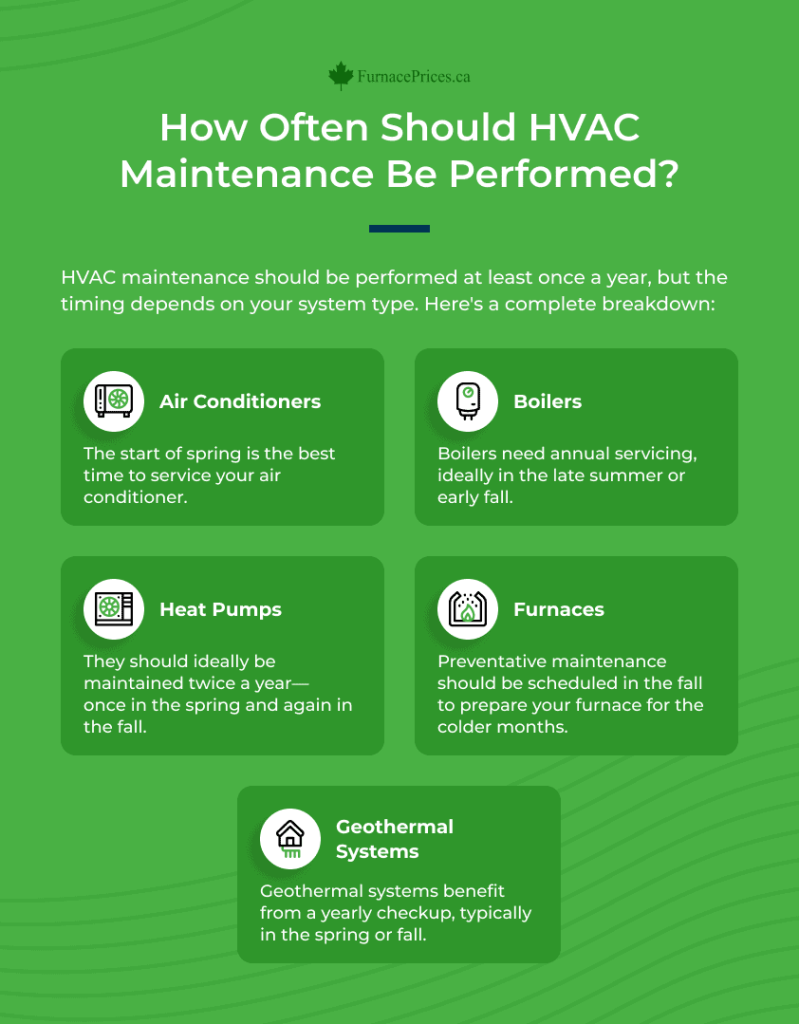
Professional inspections and tune-upscatch small problems early. A technician checks refrigerant levels, electrical connections, and moving parts. Regular tune-ups improve efficiency and prevent breakdowns. Plan inspections once a year, especially before summer.
When To Replace Your Air Conditioner
Repair costscan add up quickly. Sometimes, a new unit costs less than fixing an old one.
Older air conditioners often use more electricity. This leads to higher energy bills.
Modern systems are more efficientand can cool your home better. They use less power and save money.
Upgrading means fewer repairs and better comfort. New models also work quietly and last longer.
| Factor | Old AC | New AC |
|---|---|---|
| Energy Use | High | Low |
| Repair Frequency | Often | Rare |
| Cooling Power | Lower | Better |
| Noise Level | Loud | Quiet |
Impact Of Usage And Environment
Climate and weathergreatly affect how long an air conditioner lasts. Hot, humid places make AC units work harder. This can shorten their life. Dry and mild climates are easier on the system. Dust and salty air can also cause damage over time.
Frequency and duration of usematter a lot. Running an AC all day, every day, wears it out faster. Using it only when needed can help it last longer. Regular breaks reduce stress on parts and save energy.
Installation quality and locationimpact performance and lifespan. Poor installation can cause leaks or block airflow. Placing the unit in direct sunlight or near heat sources forces it to work harder. A shaded, clean spot helps keep it cool and efficient.

Credit: www.reddit.com
Frequently Asked Questions
How Long Do Central Air Conditioners Last?
Central air conditioners typically last 12 to 15 years with proper maintenance. Regular cleaning and timely repairs can extend their lifespan.
What Factors Affect Air Conditioner Lifespan?
Usage frequency, maintenance quality, and installation impact AC lifespan. Harsh climates and poor upkeep can shorten the unit’s durability.
How Often Should I Service My Air Conditioner?
It’s best to service your air conditioner annually. Regular servicing ensures efficiency, prevents breakdowns, and prolongs the unit’s life.
When Should I Replace My Air Conditioner?
Replace your AC if it’s over 15 years old and inefficient. Frequent repairs and high energy bills also indicate replacement time.
Conclusion
Air conditioners usually last about 10 to 15 years. Regular care helps them run longer and better. Clean filters and checkups keep your unit healthy. Old ACs may use more energy and cost more. Knowing the lifespan helps plan repairs or replacements.
Choose quality brands and maintain them well. Stay cool without surprises by caring for your AC.