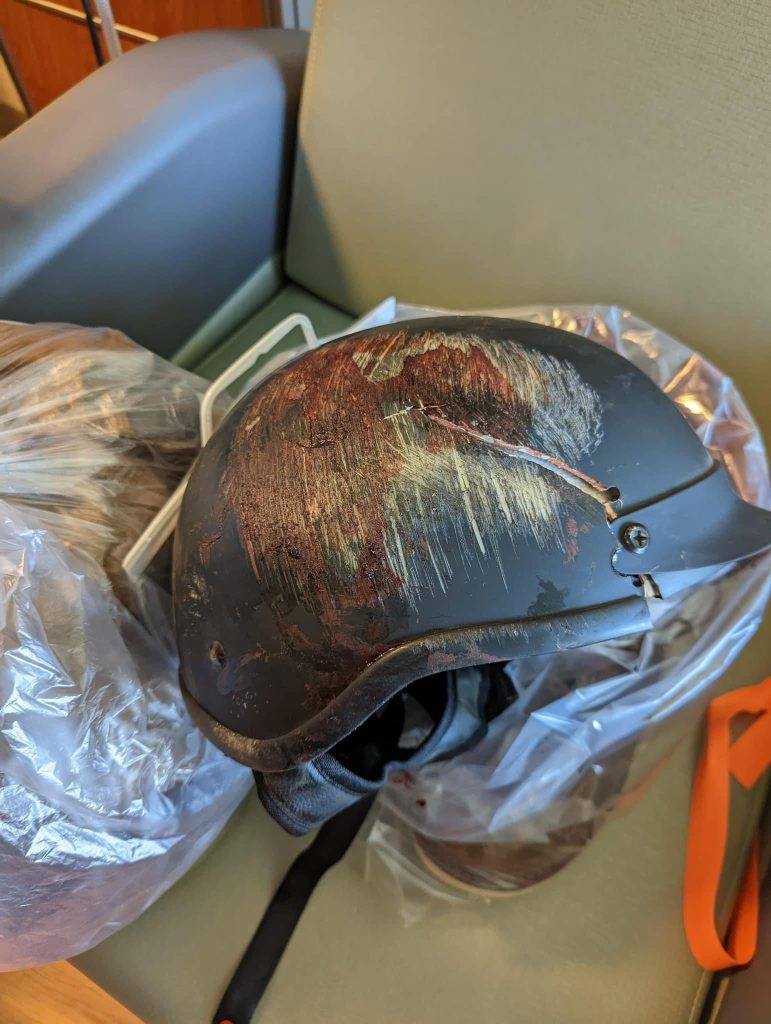
You rely on your bike helmet to keep you safe every time you ride. But have you ever stopped to wonder how long your helmet actually lasts?
Using an old or damaged helmet could put you at risk, even if it looks fine on the outside. Understanding the lifespan of your bike helmet is crucial to protecting yourself and making smart choices. Keep reading to discover how long your helmet can really keep you safe and when it’s time to replace it.
Your safety depends on it.
Helmet Lifespan Basics
Bike helmets protect your head during accidents. Over time, helmets can lose their strength. Knowing how long a helmet lasts is important for safety.
Helmets do not last forever. They wear out from use, age, and damage. It is smart to check your helmet regularly and replace it when needed.
Material Wear And Tear
Helmet materials like foam and plastic break down over time. Sweat, sunlight, and weather can weaken these parts. Even without crashes, helmets lose their protective power.
- Foam inside can become soft or cracked
- Plastic shell may get scratched or brittle
- Straps and buckles can wear out or stretch
Manufacturer Recommendations
Helmet makers give advice on how long to use their helmets. Most suggest replacing a helmet after 3 to 5 years. This is even if you have not had a crash.
Check the label or manual for your helmet’s lifespan. Follow the instructions to stay safe. Some helmets have different lifespans based on materials.
- 3 to 5 years is typical lifespan
- Replace after any crash or impact
- Store helmet away from heat and sunlight
Signs Your Helmet Needs Replacement
Look for damage or wear to know if your helmet should be replaced. Small cracks or dents can make it unsafe. Straps that do not hold well are a warning sign.
- Visible cracks or dents on the shell or foam
- Straps that are frayed or broken
- Helmet feels loose or does not fit right
- Foam inside is compressed or crumbles
- Helmet is older than 5 years
Impact And Damage Effects
Bicycle helmets protect your head during accidents. They absorb impact to reduce injury. Understanding how damage affects helmets is important.
Helmets are designed to take one major hit. After a crash, they might not protect you again. Here’s what you need to know about helmet damage.
How Crashes Affect Helmet Integrity
A crash can crack or compress a helmet. This damage reduces its ability to protect you. Even if it looks fine, the inner foam might be crushed.
Helmets are not made to handle multiple impacts. Once they are hit hard, their structure weakens. This makes them less effective in future crashes.
Invisible Damage Risks
Some damage isn’t visible from the outside. The foam inside can break without showing signs. This hidden damage is dangerous because it affects safety.
Inspect your helmet regularly. Look for dents and feel for soft spots. These can be clues that your helmet is no longer safe to use.
When To Replace After An Accident
Replace your helmet after any significant impact. Even small bumps can cause damage you cannot see. It’s better to be safe and get a new helmet.
Helmets are a key safety tool. If you crash, check your helmet for damage. If you’re unsure, it’s best to replace it right away.
- Look for cracks or dents
- Feel for soft spots in the foam
- Consider replacing if over 5 years old
Environmental Factors
Bike helmets face many environmental challenges that affect how long they last. These factors can weaken the materials and reduce safety over time.
Understanding these factors helps you take better care of your helmet and know when to replace it.
Sunlight And Uv Exposure
Sunlight can damage bike helmets. The UV rays break down the plastic and foam inside the helmet.
Long exposure to sunlight makes the helmet brittle and weak. This lowers its ability to protect your head during impacts.
Temperature And Humidity Impact
High temperatures can soften helmet materials. This changes the shape and reduces strength.
Humidity causes moisture buildup inside the helmet. Moisture can degrade foam and cause unpleasant odors.
- Heat can warp helmet shells
- Cold temperatures may make plastics brittle
- Moisture damages inner padding
Storage Tips To Extend Helmet Life
Store your helmet in a cool, dry place away from direct sunlight. Avoid leaving it in hot cars or damp areas.
Use a helmet bag or cover to protect it from dust and scratches. Proper storage keeps the helmet strong and clean.
- Keep helmet indoors when not in use
- Use soft bags for dust and damage protection
- Avoid stacking heavy objects on the helmet

Credit: lazersport.ca
Types Of Helmets And Durability
Bicycle helmets protect your head during falls or crashes. Different types suit different riding styles. Knowing how long helmets last helps keep you safe.
Helmets wear out over time. Materials break down from use, sweat, and sunlight. Replacing old helmets is important.
Road Bike Helmets
Road bike helmets are lightweight and well-ventilated. They have a hard outer shell with foam inside for impact absorption.
Most road helmets last about 3 to 5 years. Sweat and sun can weaken the foam and straps. Replace helmets after a crash even if no damage shows.
- Made for speed and ventilation
- Lightweight materials
- Replace every 3-5 years
- Replace after impact
Mountain Bike Helmets
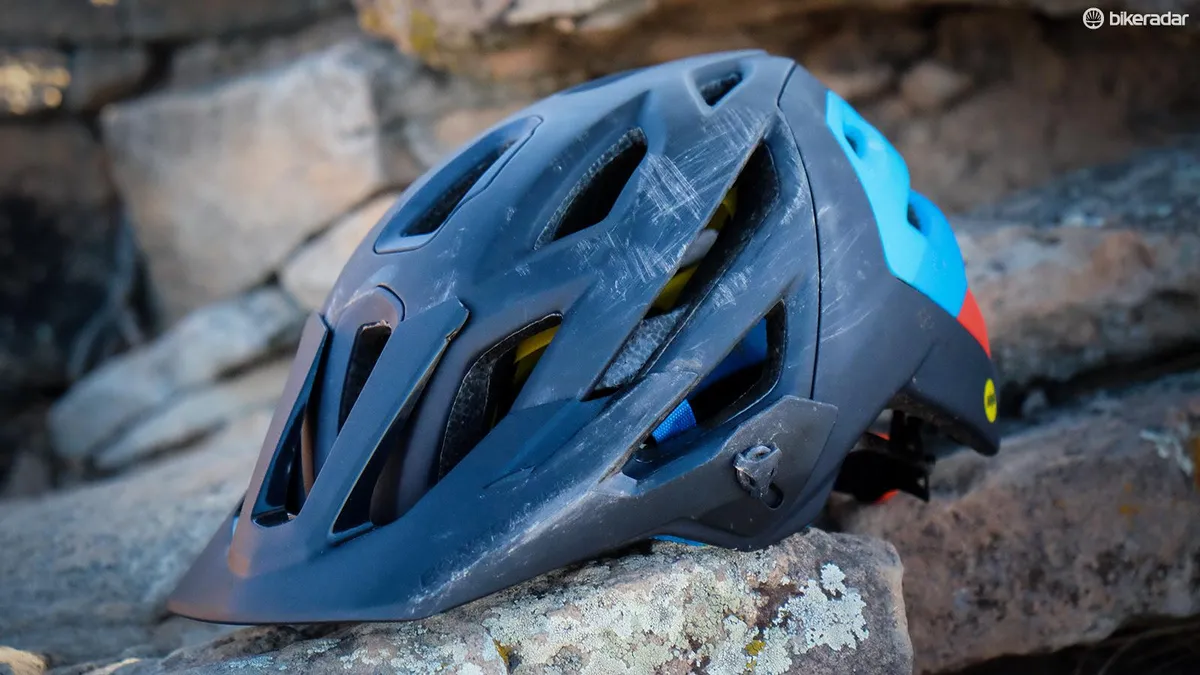
Mountain bike helmets offer extra coverage on the back and sides. They often have visors to block sun and branches.
These helmets also last around 3 to 5 years. Dirt and mud can wear down the padding and straps faster. Check for cracks or damage regularly.
- Extra head coverage
- Often with visors
- Durability affected by dirt and mud
- Replace every 3-5 years or after crash
Commuter And Urban Helmets
Commuter helmets focus on comfort and style. They may have fewer vents but often include reflective parts for safety.
The lifespan is similar to other helmets, about 3 to 5 years. Daily use in city conditions may cause faster wear on straps and padding.
- Designed for comfort and visibility
- Less ventilation than road helmets
- Replace every 3-5 years
- Inspect straps and padding often
Maintenance And Care
Bike helmets protect your head and need proper care to work well. Taking care of your helmet helps it last longer and stay safe.
Regular checks and cleaning keep your helmet in good shape. Learn how to clean it, check straps, and know when to repair it.
Cleaning Guidelines
Clean your helmet with mild soap and water. Avoid using strong chemicals that can weaken the materials.
Remove the padding before cleaning. Let the helmet air dry away from direct sunlight or heat.
- Use a soft cloth or sponge
- Do not soak the helmet in water
- Clean the inside padding separately
- Dry fully before using again
Strap And Buckle Checks
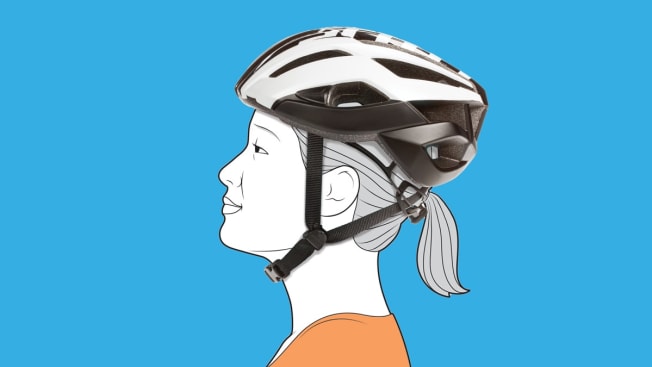
Check the straps and buckles often to keep your helmet secure. Look for signs of wear or damage.
Make sure the buckles fasten firmly and the straps are not frayed. Replace any parts that look weak or broken.
- Test buckle snaps for a tight hold
- Inspect straps for tears or stretching
- Adjust straps to fit snugly but comfortably
- Replace damaged parts promptly
When Repairs Are Possible
Small fixes like replacing straps or padding can extend helmet life. Use parts made for your helmet model.
Do not repair cracks or dents in the helmet shell. These weaken protection and mean you need a new helmet.
- Replace worn padding for comfort
- Swap out broken buckles or straps
- Never fix cracks in the hard shell
- Buy a new helmet if damage is severe
Credit: www.consumerreports.org
Choosing A New Helmet
Choosing a new bike helmet is important for your safety. A good helmet protects your head in crashes. It also needs to be comfortable to wear on rides.
There are many helmets available. Knowing what to look for helps you pick the right one. Focus on fit, safety, and new features.
Assessing Fit And Comfort
A helmet must fit snugly but not feel too tight. It should not move when you shake your head. Padding inside the helmet adds comfort.
- Measure your head size before buying.
- Try the helmet on and adjust the straps.
- Check for pressure points or gaps.
- Wear it for a few minutes to test comfort.
Safety Certifications To Look For
Safety certifications show the helmet meets rules for protection. Different regions have different standards. Look for these common marks.
| Certification | Region | What It Means |
| CPSC | USA | Meets impact and strap tests |
| CE EN 1078 | Europe | Tests for shock absorption |
| AS/NZS 2063 | Australia/New Zealand | Quality and safety checks |
Latest Helmet Technologies
New helmets use technology to improve safety and comfort. Some reduce impact better. Others add features for convenience.
- MIPS:Reduces rotational forces during crashes.
- In-mold construction:Makes helmets lighter and stronger.
- Adjustable vents:Help keep your head cool.
- Built-in lights:Increase visibility in low light.
Credit: www.bikeradar.com
Frequently Asked Questions
How Long Do Bike Helmets Stay Effective?
Bike helmets typically remain effective for 3 to 5 years. Over time, materials degrade, reducing protection. Regularly inspect for damage or wear to ensure safety.
Can A Helmet Protect After A Crash?
No, helmets should be replaced immediately after any crash. Impact can cause unseen damage, compromising future protection.
How Do I Know When To Replace My Helmet?
Replace your helmet if it’s over 5 years old or shows cracks, dents, or damaged straps. Regular checks ensure optimal safety.
Does Helmet Material Affect Its Lifespan?
Yes, materials like EPS foam degrade over time. Exposure to sunlight and sweat can accelerate wear, shortening helmet lifespan.
Conclusion
Bike helmets protect your head and save lives. They usually last about five years. After this time, the materials weaken and may not protect well. Crashes or damage can also shorten helmet life. Check your helmet regularly for cracks or dents.
Replace it if you notice any damage or if it is old. Wearing a good helmet means safer rides. Keep your helmet clean and store it in a cool place. Remember, a strong helmet can prevent serious injuries. Stay safe and enjoy biking with the right helmet.