You probably already know that wearing a bike helmet is crucial for your safety. But have you ever stopped to wonder how long your helmet actually lasts?
Using an old or damaged helmet might put you at risk without you even realizing it. You’ll discover exactly how long bike helmets stay effective and what signs to watch for when it’s time to get a new one. Keep reading to protect yourself and make sure your helmet is doing its job every time you ride.
Credit: bernhelmets.com
Helmet Lifespan Basics
Bike helmets protect your head during accidents. They lose strength over time. Knowing how long helmets last keeps you safe.
Helmets wear down from use and weather. Replacing them at the right time avoids injury risks.
Material Durability
Most bike helmets use foam and plastic. Foam cushions impacts but breaks down after years. Plastic outer shells can crack or weaken.
Sunlight, sweat, and dirt speed damage. A helmet can last 3 to 5 years if kept clean and dry.
- Foam becomes less effective after 5 years
- Plastic shells may crack from drops or heat
- Store helmets away from direct sunlight
Manufacturer Guidelines
Helmet makers give advice on how long to use helmets. They base this on tests and materials used. Always follow their rules to stay safe.
Guidelines include replacing helmets after crashes or after a set number of years. Some brands print expiry dates inside the helmet.
- Replace helmet after any crash, even small ones
- Check for expiration date or manufacture year
- Follow instructions in the user manual
Credit: gearjunkie.com
Signs To Replace Your Helmet
Bike helmets protect your head during accidents. They wear out over time. Knowing when to replace your helmet keeps you safe.
Look for clear signs that show your helmet is no longer reliable. These signs include damage, past impacts, and worn straps.
Visible Damage
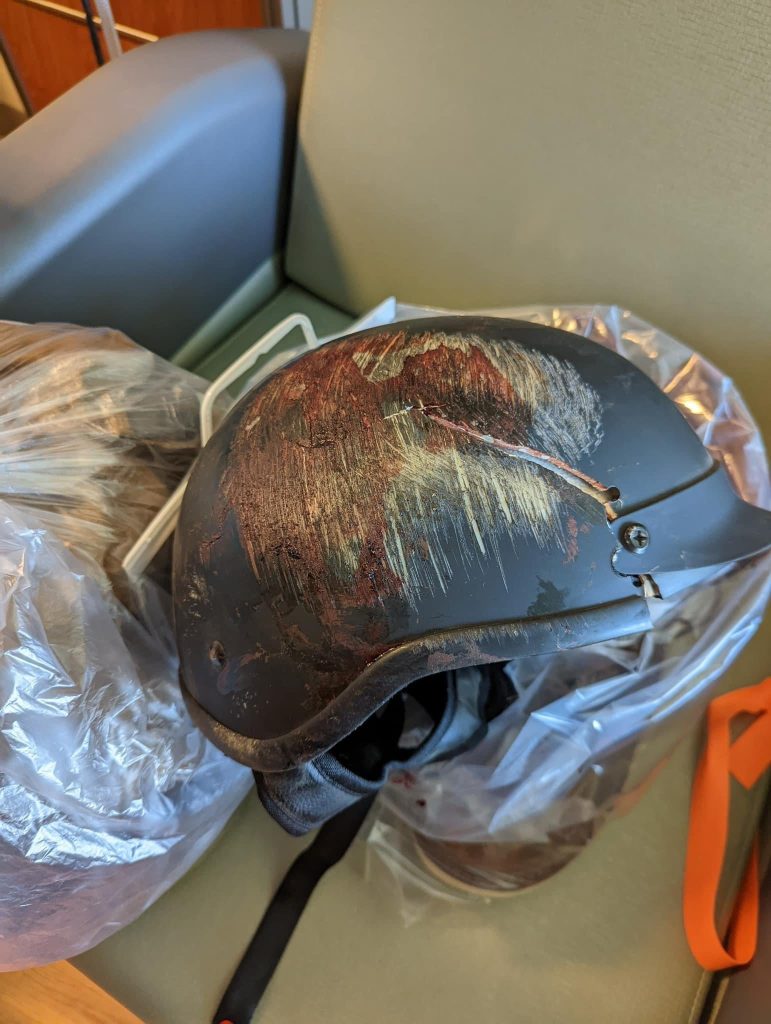
Cracks, dents, or deep scratches on the helmet shell mean it is unsafe. Even small damage can weaken protection. Check the outer shell carefully.
- Look for cracks or dents
- Check for loose foam inside
- Notice any crushed or warped areas
- Inspect paint that is peeling or bubbling
Impact History
A helmet that has hit the ground or been involved in a crash must be replaced. The inside foam absorbs impacts and may not be visible damaged.
| Condition | Action |
| No known impacts | Use helmet if undamaged |
| One impact or crash | Replace helmet immediately |
| Multiple impacts | Replace helmet without delay |
| Unknown impact history | Consider replacing for safety |
Strap And Buckle Wear
Straps keep the helmet secure on your head. If they are frayed or the buckle breaks, the helmet can fail in a crash.
Check the straps and buckle for these issues:
- Frayed or torn straps
- Loose stitching
- Broken or hard-to-use buckles
- Straps that do not hold tight
Replace the helmet if you find any of these problems.
Storage And Care Tips
Bike helmets protect your head and must be well cared for. Proper storage and cleaning can extend their life.
Follow simple tips to keep your helmet safe and in good shape for years.
Avoiding Sun Damage
Direct sunlight can weaken the helmet materials. UV rays break down the foam and plastic over time.
Keep your helmet out of the sun when not in use to maintain its strength and safety.
Proper Cleaning Methods
Clean your helmet regularly to remove dirt and sweat. Use mild soap and water only.
- Use a soft cloth or sponge to wipe the helmet’s surface.
- Do not use harsh chemicals or solvents.
- Remove and wash the inner padding by hand.
- Let the helmet air dry naturally, away from heat sources.
Safe Storage Practices
| Storage Tip | Reason |
|---|---|
| Store in a cool, dry place | Prevents mold and material damage |
| Avoid placing heavy objects on helmet | Stops deformation of the shell |
| Keep helmet in a protective bag | Protects from dust and scratches |
Factors Affecting Helmet Longevity
Bike helmets protect your head during accidents. They do not last forever. Several factors affect how long a helmet stays safe to use.
Understanding these factors helps you know when to replace your helmet. This keeps you safe on every ride.
Frequency Of Use
The more you use your helmet, the faster it can wear out. Daily riders need to check their helmets often. Infrequent riders may have helmets that last longer.
Regular use can cause small cracks or dents. These damages reduce the helmet’s ability to protect your head.
Environmental Exposure
Sunlight, rain, and heat can damage a helmet. UV rays make the helmet materials weak and brittle. Water can soak into padding and cause mold.
Store your helmet in a cool, dry place. Avoid leaving it in direct sunlight or rain for long times.
- UV rays break down the helmet shell
- Heat warps helmet shape and fit
- Moisture damages padding and straps
Quality Of Helmet
High-quality helmets use better materials and construction. They often last longer and offer more protection. Cheaper helmets may wear out faster.
Look for helmets that meet safety standards. These helmets have been tested for durability and impact resistance.
When To Upgrade Your Helmet
Bike helmets do not last forever. You should know when to replace them to stay safe.
Upgrading your helmet can improve safety and comfort. New helmets have better features.
Advances In Safety Technology
Helmet safety improves with new technology. Older helmets may lack these features.
- Multi-directional Impact Protection System (MIPS) reduces rotational forces.
- Improved foam materials absorb shocks better.
- Stronger shell designs increase impact resistance.
- Better ventilation helps keep the head cooler.
Comfort And Fit Improvements
Comfort affects how well you wear your helmet. New models fit better and feel lighter.
| Feature | Old Helmet | New Helmet |
|---|---|---|
| Weight | Heavier | Lighter materials |
| Adjustability | Limited straps | Easy dial-fit systems |
| Padding | Basic foam | Soft, removable pads |
| Ventilation | Few vents | Multiple airflow vents |
Credit: www.cyclingnews.com
Recycling And Disposal Options
Bike helmets protect your head but do not last forever. After a few years, they lose their safety features. Knowing how to recycle or dispose of old helmets keeps the environment safe.
Many people do not know where to take used helmets. This guide shows safe ways to recycle or throw them away responsibly.
Helmet Recycling Programs
Some companies and organizations run helmet recycling programs. These programs collect old helmets and reuse parts or recycle materials.
- Check with local bike shops for recycling options.
- Look for community recycling events that accept helmets.
- Some manufacturers offer take-back programs.
- Helmets can be broken down into plastic, foam, and metal parts.
- Recycled materials help make new products like playground equipment.
Safe Disposal Methods
When recycling is not possible, helmets must be disposed of safely. This prevents others from using old helmets that no longer protect well.
| Disposal Method | Description |
| Cut the Straps | Make the helmet unusable to avoid reuse. |
| Remove the Foam | Separate foam from the shell before disposal. |
| Trash Disposal | Dispose of helmet parts in regular garbage if no recycling is available. |
| Hazardous Waste Centers | Some places accept helmets as special waste. |
Frequently Asked Questions
How Long Do Bike Helmets Remain Safe To Use?
Bike helmets typically last about 3 to 5 years. Over time, materials degrade and lose impact protection. Replace helmets after any crash or visible damage, even if within the recommended time frame. Regularly check for wear and tear to ensure safety.
Can Exposure To Sun Affect Bike Helmet Lifespan?
Yes, prolonged sun exposure can weaken helmet materials. UV rays degrade the foam and plastic, reducing protection. Store helmets in cool, shaded places to extend their lifespan. Avoid leaving helmets in direct sunlight for long periods.
Should I Replace My Bike Helmet After A Crash?
Always replace your helmet after a crash. Even if no damage is visible, internal foam may be compromised. A damaged helmet cannot properly absorb impacts in future accidents. Safety experts recommend immediate replacement post-impact.
How Do I Know When To Replace My Bike Helmet?
Replace your helmet if it’s over 5 years old or shows cracks and dents. Signs of wear include crushed foam or broken straps. Regularly inspect your helmet for damage. Following manufacturer guidelines ensures optimal protection.
Conclusion
Bike helmets usually last about five years. Cracks or damage can shorten this time. Protect your head by replacing helmets after crashes. Store helmets away from heat and sunlight. Check your helmet regularly for signs of wear. A good helmet keeps you safer on every ride.
Don’t wait too long to get a new one. Stay safe, ride smart, and use a fresh helmet.