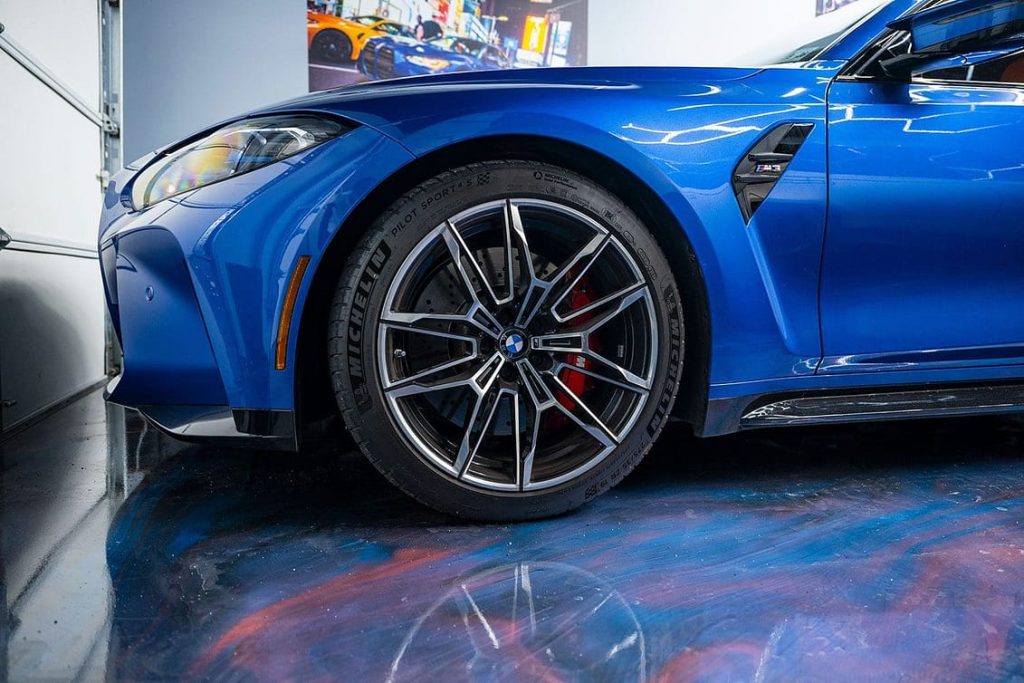
If you drive a BMW, you probably wonder how long your tires will last before needing a replacement. Tires are one of the most important parts of your car, affecting safety, performance, and comfort.
But the truth is, there’s no simple answer. Your BMW tires’ lifespan depends on many factors like your driving habits, road conditions, and tire maintenance. Keep reading to discover the key signs that show when it’s time for new tires, how you can make your current ones last longer, and what to expect from different types of BMW tires.
Understanding this will save you money and keep your ride smooth and safe.

Credit: machineswithsouls.com
Bmw Tire Lifespan
Your BMW’s tires are more than just rubber—they directly affect your car’s performance, safety, and ride quality. Understanding the typical lifespan of BMW tires helps you plan replacements before wear compromises your driving experience. Let’s dive into what you can expect from your tires and what impacts their durability.
Average Mileage Expectancy
BMW tires generally last between 25,000 and 50,000 miles. This range varies based on the tire model and driving style. Sportier tires often wear out faster, while touring tires tend to last longer.
For example, if you drive mostly on highways with smooth roads, your tires might reach or even exceed the upper mileage limit. On the other hand, city driving with frequent stops and sharp turns can cut tire life short.
Factors Affecting Tire Life
Several factors influence how long your BMW tires last. Here are key elements you should consider:
- Driving Habits:Aggressive acceleration, hard braking, and fast cornering wear tires quickly.
- Road Conditions:Rough or uneven roads cause more tire damage than smooth surfaces.
- Maintenance:Regular tire rotations, proper inflation, and wheel alignments extend tire life.
- Weather:Extreme heat or cold can affect tire rubber and tread longevity.
Think about your own driving routine—are you accelerating hard or frequently driving on potholes? Adjusting your habits could add thousands of miles to your tire’s life.

Credit: machineswithsouls.com
Types Of Bmw Tires
BMW offers different types of tires to fit various driving needs and conditions. Each type serves a specific purpose, affecting performance and tire life. Knowing these types helps choose the right tires for your BMW.
All-season Tires
All-season tires provide good performance in many weather conditions. They handle dry roads, light rain, and mild snow well. These tires offer a balanced grip and longer tread life. Ideal for daily driving and moderate climates.
Performance Tires
Performance tires focus on speed and handling. They have softer rubber for better grip on dry and wet roads. These tires improve cornering and braking but wear faster than all-season tires. Best for sporty driving and warm weather.
Run-flat Tires
Run-flat tires allow driving after a puncture. They have reinforced sidewalls to support the car without air. This feature adds safety and convenience by reducing the need for immediate tire changes. Run-flat tires may have a stiffer ride and shorter lifespan.
Driving Habits Impact
Your driving habits play a crucial role in determining how long your BMW tires last. Every action behind the wheel affects tire wear, sometimes in ways you might not expect. Understanding these impacts can help you extend the life of your tires and maintain better control of your vehicle.
Speed And Acceleration
Driving at high speeds generates more heat in your tires, which can cause the rubber to wear out faster. Aggressive acceleration, especially in a powerful BMW, puts extra stress on the tires’ grip and treads. Have you noticed how quickly your tires wear down after a few track days or spirited drives? Slowing down and easing into acceleration can make a noticeable difference in tire longevity.
Braking Patterns
Sudden or harsh braking wears down your tires unevenly and more quickly. If you tend to brake late or slam on the brakes in city traffic, your tires will suffer more stress. Instead, anticipate stops and brake smoothly to preserve tread life. Try changing your braking style and see if your tires last longer—it’s a simple habit that pays off.
Road Conditions
Driving on rough or uneven roads can cause small cuts and punctures to your tires that add up over time. Potholes, gravel, and debris put more strain on your tires than smooth highways. If you often drive on challenging surfaces, inspect your tires regularly for damage. Have you ever noticed how your tires feel after a bumpy road trip? Being mindful of road quality helps you avoid premature tire replacement.

Credit: machineswithsouls.com
Maintenance Tips
Proper maintenance extends the life of BMW tires and ensures safe driving. Simple daily and monthly checks prevent uneven wear and damage. Regular care keeps tires in peak condition and improves performance.
Proper Tire Inflation
Check tire pressure regularly using a reliable gauge. Maintain the pressure recommended in the BMW owner’s manual. Underinflated tires cause faster wear and reduce fuel efficiency. Overinflated tires can lead to uneven tread wear and a harsh ride. Adjust tire pressure when tires are cold for accurate readings.
Regular Tire Rotation
Rotate tires every 5,000 to 7,000 miles to promote even tread wear. Front and rear tires wear differently due to driving dynamics. Rotating tires balances the wear, extending their lifespan. Follow the rotation pattern suggested by BMW for best results. Record rotation dates to stay on schedule.
Wheel Alignment
Keep wheels aligned to avoid uneven tire wear and pulling to one side. Misalignment stresses tires and suspension components. Check alignment annually or after hitting potholes or curbs. Proper alignment improves handling and fuel economy. Use a professional service with BMW-specific alignment tools.
Balancing Tires
Balance tires to eliminate vibrations and uneven tread wear. Unbalanced tires cause steering wheel shake at high speeds. Have tires balanced during every rotation or new tire installation. Proper balancing protects suspension and improves ride comfort. Confirm balancing weights are securely attached to rims.
Signs To Replace Bmw Tires
Recognizing the signs to replace BMW tires is crucial for safe driving. Tires wear out over time and lose their grip on the road. Paying attention to visible damage and wear patterns helps avoid accidents. Regular checks keep your vehicle running smoothly and protect your investment.
Tread Wear Indicators
Tread wear indicators are small bars molded between the tire grooves. When the tread wears down to the level of these bars, it means the tire needs replacement. Low tread depth reduces traction, especially in wet conditions. Checking tread depth regularly ensures your BMW tires remain safe.
Cracks And Bulges
Cracks on the sidewalls or tread show signs of tire aging or damage. Bulges or bubbles indicate internal damage and can cause sudden tire failure. Both cracks and bulges are clear warnings to replace the tire immediately. Ignoring these signs increases the risk of blowouts.
Uneven Wear Patterns
Uneven tire wear can result from misalignment, improper inflation, or suspension issues. Look for patches worn more on one side or center of the tire. Uneven wear reduces tire life and affects vehicle handling. Replacing tires with uneven wear keeps driving safe and comfortable.
Maximizing Tire Mileage
Maximizing the mileage of your BMW tires isn’t just about saving money—it’s about safety and performance too. Tires that last longer maintain better grip and handling, which is crucial for a high-performance vehicle. Paying attention to how you care for your tires can extend their life significantly.
Seasonal Tire Changes
Switching between summer and winter tires is essential if you live in a region with changing seasons. Summer tires provide better traction on dry roads, while winter tires grip better on snow and ice. Using the right tires for the season prevents excessive wear and tear.
Think about how your driving changes with the seasons. Are you using all-season tires year-round? That might be convenient but can cause your tires to wear out faster. Changing tires seasonally can protect your investment and improve your car’s handling.
Storage Tips
Proper storage can extend the life of your tires when you’re not using them. Store tires in a cool, dry place away from direct sunlight and heat sources. This helps prevent cracking and rubber degradation.
Keep tires off the ground by stacking them or using tire racks. If you’ve removed tires for the season, clean them thoroughly before storing to remove dirt and brake dust. This small step can keep your tires in great shape for the next use.
Using Quality Tires
Choosing high-quality tires designed for your BMW’s specifications matters more than you might think. Premium tires often offer better materials, improved tread designs, and longer warranties.
Don’t just settle for the cheapest option. Investing in tires that match your driving habits and vehicle can save you money in the long run. Have you noticed how a better tire feels more responsive and lasts longer on your drive?
Bmw Tire Warranty And Costs
BMW offers a tire warranty that covers specific issues related to manufacturing defects and tread wear. Understanding this warranty helps you know what repairs or replacements might be free. The costs of BMW tires vary based on the model and tire type. Knowing warranty coverage can save money and avoid unexpected expenses.
Warranty Coverage
BMW tire warranties typically cover defects in materials and workmanship. This means tires with manufacturing faults may be replaced or repaired at no charge. The warranty usually lasts for a set number of miles or years, whichever comes first. Some warranties also include treadwear guarantees. This protects against premature tire wear under normal driving conditions.
- Coverage period varies by tire model and region
- Includes free repair or replacement for defects
- May offer treadwear guarantees
- Excludes damage from road hazards or improper use
Replacing Vs Repairing Tires
Choosing between replacing and repairing tires depends on the damage type and depth. Small punctures in the tread can often be repaired safely. Sidewall damage or large cuts usually require tire replacement. BMW tires can be costly, so repair might save money if possible. Always check warranty terms before deciding. Professional inspection is important to confirm tire safety.
- Small tread punctures: repair possible
- Sidewall or large damage: replace needed
- Warranty may cover some repairs or replacements
- Professional advice ensures safe driving
Frequently Asked Questions
How Often Should Bmw Tires Be Replaced?
BMW tires should typically be replaced every 25,000 to 50,000 miles. This depends on driving habits and tire maintenance. Regularly check tire tread and look for signs of wear. Proper inflation and alignment can extend tire life. Always consult the vehicle manual for specific recommendations.
What Affects The Lifespan Of Bmw Tires?
Several factors influence BMW tire lifespan, including driving style, road conditions, and maintenance. Aggressive driving wears tires faster. Regular rotation and alignment help prolong tire life. Maintaining proper inflation is crucial. Check for damage or irregular wear regularly to ensure longevity.
Do Bmw Tires Wear Out Faster?
BMW tires can wear out faster if not properly maintained. Performance-oriented tires may have shorter lifespans. Regular checks and proper alignment are essential for longevity. Driving habits significantly impact wear. Ensure tires are inflated correctly to avoid premature wear and maximize tire life.
How Can I Extend Bmw Tire Life?
To extend BMW tire life, maintain proper tire pressure and alignment. Rotate tires regularly and avoid aggressive driving. Inspect tires for damage and uneven wear periodically. Follow the manufacturer’s maintenance schedule. Proper care can significantly enhance tire longevity and performance.
Conclusion
BMW tires usually last between 25,000 and 50,000 miles. Many factors affect tire life, like driving habits and road conditions. Regular tire checks help spot wear early. Proper tire maintenance improves safety and saves money. Remember to rotate and balance tires often.
Replace tires once tread depth is low. Good tires keep your BMW running smoothly. Stay aware of tire health for better rides.