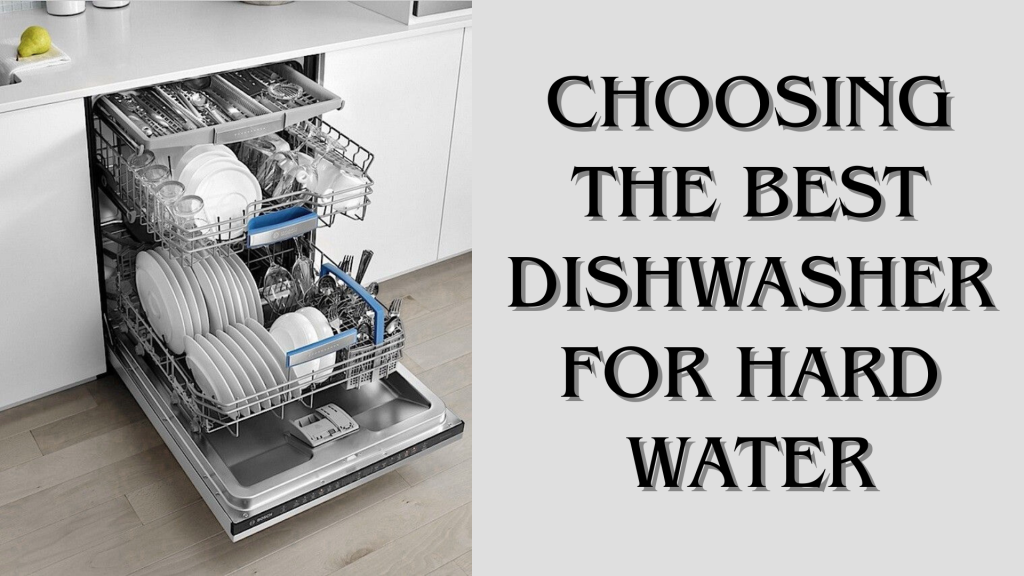
Dealing with hard water in your home can be a real headache, especially when it comes to your dishwasher. You might find yourself wondering, “How long do dishwashers last with hard water?”
This is a crucial question because hard water can significantly impact the lifespan and efficiency of your appliance. Imagine saving time and money by understanding how to maintain your dishwasher in these challenging conditions. You deserve appliances that last, and this guide will reveal the secrets to extending the life of your dishwasher, ensuring it performs at its best for years to come.
Ready to unlock the potential longevity of your dishwasher? Keep reading to discover tips and tricks that could change the way you think about hard water and dishwashing forever.
Impact Of Hard Water On Dishwashers
Hard water can quietly shorten the lifespan of your dishwasher without you even realizing it. The minerals in hard water create challenges that affect the appliance’s performance and durability. Understanding these impacts helps you take better care of your dishwasher and avoid costly repairs or replacements.
Mineral Buildup Effects
Hard water contains high levels of calcium and magnesium, which leave behind mineral deposits inside your dishwasher. These deposits can clog spray nozzles and block water flow, leading to uneven cleaning. Over time, the buildup also reduces the efficiency of heating elements, causing longer wash cycles and higher energy use.
Have you noticed white spots on your dishes or a decrease in cleaning quality? This is often a clear sign of mineral buildup affecting your machine’s performance.
Corrosion And Wear
Mineral deposits don’t just clog; they can also cause corrosion on metal parts. The harsh minerals react with the dishwasher’s internal components, wearing down seals, pipes, and racks. This corrosion leads to leaks and mechanical failures, cutting your dishwasher’s working life short.
Imagine having to replace your dishwasher’s pump or racks much earlier than expected—hard water is frequently the hidden culprit behind these issues.
Reduced Cleaning Efficiency
When minerals coat the interior surfaces and spray arms, water cannot reach your dishes properly. This means detergent is less effective, and food particles may remain after a cycle. Your dishwasher ends up working harder, but the results are disappointing.
Ask yourself: are your dishes coming out spotless, or do you find yourself rewashing more often? Hard water could be the reason your dishwasher isn’t cleaning as well as it once did.
Credit: www.rd.com
Average Dishwasher Lifespan
Understanding the average lifespan of a dishwasher helps plan for maintenance and replacement. The durability depends on water quality, usage, and brand. Hard water can affect how long a dishwasher lasts.
Typical Lifespan Without Hard Water
Most dishwashers last between 9 and 12 years with soft or treated water. Clean water causes less wear and tear on internal parts. Proper use and regular cleaning also extend the lifespan. Without hard water, appliances tend to perform better and need fewer repairs.
Lifespan Variations With Hard Water
Hard water reduces dishwasher life by 1 to 3 years on average. Mineral deposits build up inside, especially on heating elements and spray arms. These deposits cause clogs and reduce efficiency. Over time, hard water leads to more frequent breakdowns and higher energy use.
Regular descaling and using water softeners can slow damage. However, hard water always shortens the appliance’s overall lifespan compared to soft water.
Signs Of Aging Appliances
- Longer wash cycles
- Poor cleaning results
- Water spots on dishes
- Strange noises during operation
- Frequent leaks or drips
- Higher energy and water bills
Noticing these signs means the dishwasher may need repair or replacement soon. Early detection helps avoid sudden failure and costly damage.
Common Problems Caused By Hard Water
Hard water causes several problems in dishwashers. The minerals in hard water build up inside the machine. This buildup affects dishwasher parts and cleaning performance. Over time, these issues reduce the dishwasher’s lifespan.
Clogged Spray Arms
Hard water deposits block spray arm holes. This reduces water flow during washing. Poor water circulation means dishes stay dirty. Clogged spray arms force the dishwasher to work harder. This can cause pump strain and eventual failure.
Damaged Heating Elements
Mineral buildup covers heating elements with a crusty layer. This insulation stops the element from heating properly. The dishwasher takes longer to heat water. This wastes energy and stresses the heating part. Over time, the heating element may break down.
Soap Scum And Residue
Hard water reacts with soap to form scum. This residue sticks to dishes and dishwasher walls. Soap scum blocks filters and drains. It causes unpleasant odors and poor cleaning results. Regular cleaning cannot remove tough soap scum easily.
Maintenance Tips To Extend Lifespan
Hard water can be tough on your dishwasher, causing mineral buildup that shortens its lifespan. However, with the right maintenance, you can keep your appliance running smoothly for years. Let’s look at simple, effective ways to protect your dishwasher and get the most out of it despite hard water challenges.
Regular Cleaning Routines
Mineral deposits from hard water can clog your dishwasher’s spray arms and filters. Cleaning these parts regularly helps maintain water flow and cleaning power. Try running an empty cycle with a dishwasher cleaner or vinegar once a month to dissolve buildup.
Don’t forget to wipe down the door seals and edges to prevent mold and grime. A clean dishwasher not only works better but also lasts longer. Have you checked your dishwasher’s filter lately?
Using Water Softeners
Water softeners reduce the hardness of your water by removing calcium and magnesium. Installing a water softener system can dramatically cut down on mineral deposits inside your dishwasher. This step can feel like an investment, but it often saves money by preventing repairs and replacements.
If a whole-house system isn’t an option, consider a dishwasher-specific water softening additive. These products help balance water hardness directly inside your appliance. How much could you save by preventing damage rather than fixing it?
Choosing The Right Detergents
Not all detergents are created equal, especially when dealing with hard water. Look for detergents formulated to tackle mineral buildup and improve cleaning performance. Some brands include built-in water softening agents that help protect your dishwasher.
Using too much detergent can leave residue, while too little may not clean effectively. Follow the manufacturer’s recommendations and adjust based on your water hardness. Have you noticed better results after switching detergents?
Repair Vs. Replacement Decisions
Deciding between repairing or replacing a dishwasher affected by hard water is challenging. Hard water causes mineral buildup, which can reduce the appliance’s lifespan. This buildup may lead to frequent breakdowns and decreased performance. Understanding repair costs, replacement timing, and energy use helps make the right choice.
Cost Of Repairs
Repair costs depend on the damage caused by hard water. Common problems include clogged spray arms and damaged heating elements. Fixing these issues can be costly if mineral deposits are severe. Sometimes, multiple repairs are needed over a short time. Compare repair costs with the price of a new dishwasher before deciding.
When To Replace Your Dishwasher
Replace the dishwasher if repairs exceed half its value. Also, consider replacement if it breaks down often. Dishwashers over 10 years old usually cost more to fix. Signs to replace include poor cleaning and bad odors. New models also offer better features and warranties.
Energy Efficiency Considerations
New dishwashers use less water and energy than old ones. Hard water can increase energy use by making the appliance work harder. Modern machines have improved filters and anti-scale systems. These features reduce mineral buildup and save money on utility bills. Investing in an energy-efficient dishwasher benefits the environment and your wallet.
Credit: kitchpulse.com
Best Dishwashers For Hard Water Areas
Hard water can shorten the life of dishwashers. Minerals like calcium and magnesium build up inside machines. This buildup causes clogs and damages parts. Choosing a dishwasher made for hard water is smart. These models handle mineral deposits better and last longer.
Features To Look For
- Built-in water softeners:Help reduce mineral buildup.
- Self-cleaning filters:Prevent debris and scale from clogging.
- Stainless steel interiors:Resist corrosion from hard water.
- Adjustable wash cycles:Offer options for heavy mineral deposits.
- High water pressure tolerance:Ensures proper cleaning despite deposits.
Top Brands And Models
| Brand | Model | Key Feature | Price Range |
|---|---|---|---|
| Bosch | 800 Series | Built-in water softener, stainless steel tub | High |
| GE | Profile | Self-cleaning filter, adjustable cycles | Mid |
| Whirlpool | WDT970SAHZ | Hard water setting, durable interior | Mid |
| Samsung | DW80R9950UG | Powerful jets, stainless steel tub | High |
User Reviews And Feedback
Users praise dishwashers with water softeners. They report fewer clogs and longer machine life. Many appreciate adjustable cycles for tough stains. Some mention filters need regular cleaning to work well. Stainless steel tubs get high marks for durability. Overall, these models handle hard water better.

Credit: www.consumerreports.org
Frequently Asked Questions
How Does Hard Water Affect Dishwasher Lifespan?
Hard water causes mineral buildup inside dishwashers. This buildup clogs pipes and damages heating elements. Over time, it reduces efficiency and shortens the appliance’s lifespan. Regular cleaning and water softening can help protect your dishwasher from hard water damage.
Can Hard Water Cause Dishwasher Breakdowns?
Yes, hard water can cause dishwasher breakdowns. Mineral deposits lead to clogged spray arms and filters. These blockages reduce cleaning power and strain components. Without proper maintenance, hard water increases repair frequency and costs.
How Often Should I Descale My Dishwasher?
It is best to descale your dishwasher every 3 to 6 months. Frequent descaling removes mineral deposits caused by hard water. This maintenance keeps your dishwasher running efficiently and extends its lifespan. Use a dishwasher cleaner or vinegar for best results.
Does A Water Softener Improve Dishwasher Durability?
A water softener reduces hardness minerals in water. This prevents scale buildup inside the dishwasher’s pipes and heating elements. Using softened water improves cleaning performance and extends your dishwasher’s life. Installing a softener is a smart investment in hard water areas.
Conclusion
Hard water can shorten your dishwasher’s life if not managed. Regular cleaning and using water softeners help protect the machine. Small steps prevent buildup and keep parts working well. Choosing the right dishwasher for hard water also matters. Taking care of your dishwasher saves money and hassle over time.
Keep it running smoothly with simple maintenance habits. Your dishwasher will last longer with good water care. It’s worth the effort for clean dishes and a longer lifespan.