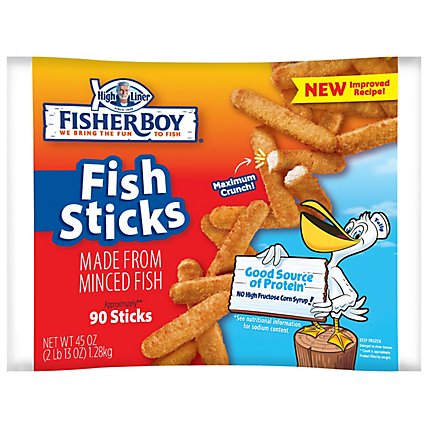
Ever found yourself standing in front of your freezer, wondering about those fish sticks you tossed in there ages ago? You’re not alone.
Frozen fish sticks are a convenient meal option, perfect for those nights when you want something quick and tasty. But how long do they really last in the freezer? You might be surprised at the answer. Understanding the shelf life of your frozen fish sticks not only helps in planning your meals better but also ensures you’re serving safe and delicious food.
Stick around as we dive into the details, so you can enjoy your fish sticks without a worry in the world.
Shelf Life Of Frozen Fish Sticks
Understanding the shelf life of frozen fish sticks helps you avoid waste and enjoy the best taste and texture. Knowing how long they last in the freezer ensures you can plan meals without worrying about spoilage. Let’s break down the typical storage duration and what affects how long your fish sticks stay fresh.
Typical Storage Duration
Frozen fish sticks usually stay good for about 6 to 12 months in the freezer. This range depends on the packaging and the freezer’s temperature. If stored properly at 0°F (-18°C) or below, fish sticks maintain their quality and safety within this timeframe.
Have you ever found fish sticks in your freezer that tasted off or had freezer burn? That’s a sign they’ve been stored too long or not sealed well.
Factors Affecting Longevity
Several factors can shorten or extend the shelf life of frozen fish sticks. The packaging plays a big role—vacuum-sealed or airtight packaging helps prevent freezer burn and moisture loss. On the other hand, damaged or poorly sealed packaging allows air in, which reduces quality faster.
Freezer temperature stability matters too. Frequent temperature changes or partial thawing can cause the fish sticks to degrade quicker. Think about how often you open your freezer door—does it stay cold consistently?
- Packaging type:Vacuum-sealed is best; original packaging is okay if unopened
- Freezer temperature:Should be constant at or below 0°F (-18°C)
- Storage duration:Don’t push beyond 12 months for best quality
- Handling:Avoid thawing and refreezing fish sticks
Proper Freezing Techniques
Proper freezing techniques keep fish sticks fresh longer in the freezer. They prevent freezer burn and maintain flavor and texture. Following these simple steps helps preserve quality and safety.
Packaging Tips
Use airtight packaging to stop moisture loss. Wrap fish sticks tightly in plastic wrap or aluminum foil. Place wrapped sticks in a resealable freezer bag. Remove as much air as possible before sealing. Label the package with the date of freezing. This helps track storage time and avoid spoilage.
Freezer Temperature Settings
Set the freezer temperature at 0°F (-18°C) or lower. This stops bacterial growth and keeps fish sticks safe. Avoid frequent door openings to keep the temperature stable. Use a freezer thermometer to check the exact temperature regularly. Proper cold storage ensures fish sticks last longer without losing quality.
Signs Of Spoiled Fish Sticks
Knowing the signs of spoiled fish sticks helps avoid food poisoning. Spoiled fish sticks show clear changes in look, smell, and feel. These signs appear even if the fish sticks were frozen for a long time. Detecting spoilage early keeps your meals safe and tasty.
Visual Indicators
- Frost or ice crystals on the packaging signal freezer burn.
- Discoloration such as gray, brown, or white spots shows spoilage.
- Sticky or slimy coating on the fish sticks means bacteria growth.
- Package swelling or leaks may indicate spoilage or damage.
Odor And Texture Changes
- Sour or fishy smell is a strong sign of spoiled fish sticks.
- A strong ammonia-like odor means the fish sticks are bad.
- Soft or mushy texture after thawing shows spoilage.
- Dry, tough, or crumbly texture means the fish sticks are old.

Credit: parade.com
Safe Thawing Methods
Thawing frozen fish sticks safely is key to enjoying their best taste and texture while keeping your kitchen safe from harmful bacteria. Using the right thawing method helps maintain the quality of the fish sticks and prevents foodborne illnesses. Let’s look at practical ways you can thaw your fish sticks without risk.
Refrigerator Thawing
Thawing fish sticks in the refrigerator is the safest method. It keeps the temperature consistent and prevents bacteria growth. Simply place the frozen fish sticks on a plate or tray and let them thaw overnight or for several hours.
This method requires planning ahead, but it preserves the texture and flavor better than other ways. Have you ever noticed how fish sticks thawed in the fridge stay firm and cook evenly? That’s the advantage here.
Cold Water Thawing
If you need to thaw fish sticks faster, cold water thawing works well. Seal the fish sticks in a watertight plastic bag and submerge them in cold water. Change the water every 30 minutes to keep it cold and speed up thawing.
This method usually takes about 1 hour depending on the amount of fish sticks. It’s quicker than the fridge but requires more attention. Have you tried this before and wondered why the fish sticks cook unevenly? Keeping the water cold is the key.
Microwave Thawing
Microwave thawing is the fastest way but needs caution. Use the defrost setting and check the fish sticks every 30 seconds to avoid partial cooking. Uneven thawing can affect texture and taste, so don’t leave them too long in the microwave.
This method is great if you’re in a hurry, but it’s easy to overdo it. Ask yourself: Are you ready to watch closely and stop the microwave at the right moment? That attention makes all the difference.
Cooking Frozen Fish Sticks
Cooking frozen fish sticks is straightforward, but the method you choose can affect their texture and flavor. Each cooking style offers a different experience, whether you want crispy edges or a soft, tender bite. Let’s look at some popular ways to prepare them and how you can get the best results.
Oven Baking
Baking fish sticks in the oven is a simple way to get them evenly cooked without extra oil. Preheat your oven to around 425°F (220°C) for the best crispiness. Place the fish sticks on a baking sheet lined with parchment paper or a lightly greased rack to allow hot air to circulate.
Bake for 15-20 minutes, flipping halfway through to ensure both sides get golden brown. This method gives you a crunchy outside with a moist inside, perfect for a quick and less greasy meal. Have you noticed how baking keeps fish sticks from getting soggy compared to other methods?
Pan Frying
Pan frying fish sticks adds a rich, crispy texture due to the direct contact with hot oil. Heat a few tablespoons of vegetable or canola oil in a skillet over medium heat. Arrange the fish sticks in a single layer and fry for about 3-4 minutes per side until they turn golden brown.
This technique requires a bit more attention since you need to flip them carefully to avoid breaking the coating. The result is a nicely browned crust that’s hard to resist. Do you prefer that extra crunch from frying, even if it means a bit more cleanup?
Air Frying
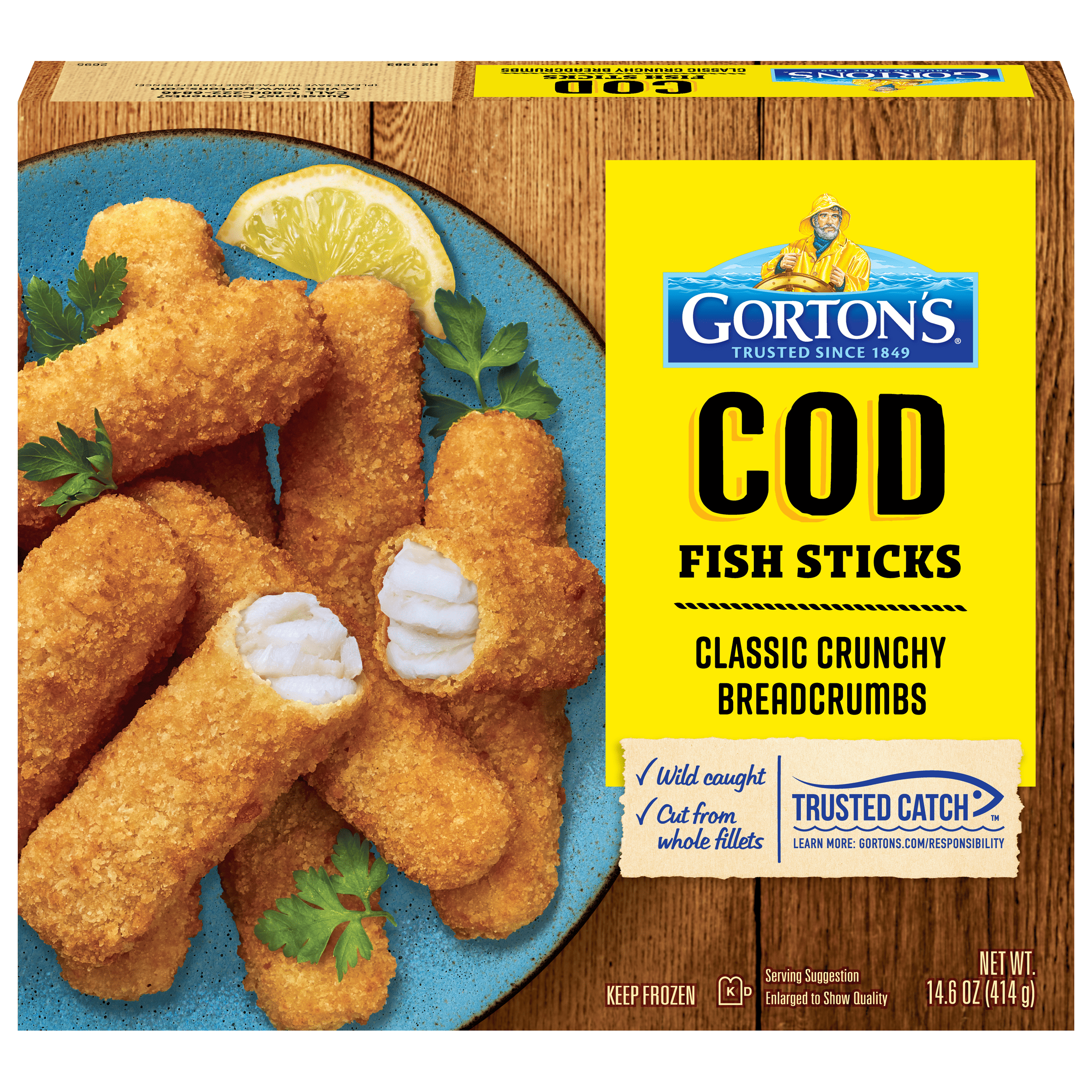
Air frying is a fantastic option if you want crispy fish sticks with less oil. Preheat your air fryer to 400°F (200°C) and arrange the fish sticks in a single layer, leaving space between them. Cook for 8-10 minutes, shaking the basket halfway through for even cooking.
This method combines convenience and health benefits, delivering a texture close to deep frying without the grease. If you haven’t tried air frying yet, it might change how you cook frozen snacks forever. What’s stopping you from giving it a go?
Credit: www.gortons.com
Storage After Cooking
After cooking frozen fish sticks, proper storage helps keep them fresh and safe to eat. Cooling them quickly prevents bacteria growth. Storing cooked fish sticks the right way also preserves taste and texture.
Refrigeration Tips
- Let fish sticks cool to room temperature before refrigerating.
- Place them in an airtight container or wrap tightly with foil or plastic wrap.
- Store in the refrigerator at or below 40°F (4°C).
- Eat cooked fish sticks within 3 to 4 days for best quality.
- Avoid leaving cooked fish sticks out for more than 2 hours.
Reheating Safely
- Reheat fish sticks to an internal temperature of 165°F (74°C).
- Use an oven, toaster oven, or air fryer for best crispiness.
- Avoid microwaving as it can make fish sticks soggy.
- Reheat only the portion you plan to eat to prevent repeated heating.
- Discard any reheated fish sticks if they smell off or look strange.

Credit: eatwellwithlex.com
Frequently Asked Questions
How Long Can Fish Sticks Stay Frozen Safely?
Frozen fish sticks can last 6 to 12 months in the freezer. Proper packaging prevents freezer burn and maintains quality. Always check expiration dates and store at 0°F (-18°C) for best results.
Do Frozen Fish Sticks Lose Quality Over Time?
Yes, frozen fish sticks may lose texture and flavor after 12 months. Freezer burn can affect taste and appearance. Consume them within the recommended time for optimal quality.
Can You Refreeze Thawed Fish Sticks?
It is not recommended to refreeze thawed fish sticks. Refreezing can degrade taste and texture. Only refreeze if they were thawed in the refrigerator and kept cold.
How To Tell If Frozen Fish Sticks Are Bad?
Look for freezer burn, off smells, or discoloration. Slimy texture after cooking indicates spoilage. When in doubt, it’s safer to discard fish sticks.
Conclusion
Frozen fish sticks stay good in the freezer for up to six months. Always check the package for any specific dates. Keep them sealed tightly to avoid freezer burn. Use them within this time for the best taste and texture.
Proper storage helps keep them fresh and safe. Enjoy your fish sticks without worry when stored correctly. Quick and easy meals are ready anytime. Remember, freshness matters for great flavor every time.