Have you ever grabbed an ice pack, only to find it still soft and slushy when you need it most? Knowing exactly how long ice packs take to freeze can save you time and frustration.
Whether you’re treating an injury or keeping your lunch cool, understanding the freezing process helps you be ready when it counts. You’ll discover simple tips to freeze your ice packs faster and get the cold relief you need—right when you need it.
Keep reading to never be caught waiting again!
Factors Affecting Freezing Time
Freezing time for ice packs varies widely. Several factors influence how fast an ice pack becomes solid. Understanding these helps to plan better and avoid waiting too long. Four key elements determine the freezing speed of ice packs.
Type Of Ice Pack Material
Ice packs come in different materials like gel, water, or chemical solutions. Gel packs usually take longer to freeze because gel holds heat. Water-based packs freeze faster but may not stay cold as long. Chemical packs have unique freezing points and can freeze quicker or slower.
Freezer Temperature Settings
Freezer temperature directly affects freezing time. Lower temperatures freeze ice packs faster. Most home freezers are set between 0°F and 10°F (-18°C to -12°C). Setting the freezer to a colder temperature speeds up freezing but uses more energy.
Size And Thickness
Large or thick ice packs take more time to freeze. The cold has to reach the center, which slows the process. Smaller or thinner packs freeze quicker because cold reaches all areas faster. Choosing the right size can save freezing time.
Initial Temperature
Starting temperature matters. Ice packs stored at room temperature take longer to freeze. If an ice pack is already cool, freezing time reduces. For best results, keep ice packs in a cool place before freezing.

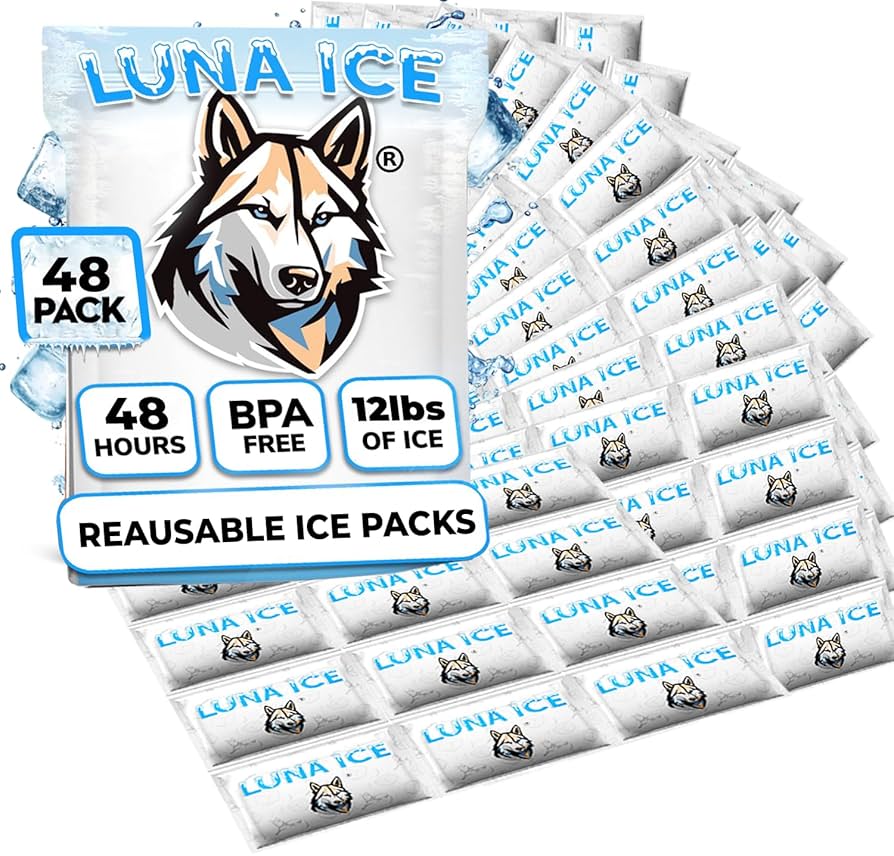
Credit: www.amazon.ca
Average Freezing Times
Freezing times for ice packs vary by type and material. Knowing average times helps plan ahead for injuries or cooling needs. Some packs freeze quickly, while others take longer to reach the right temperature.
Standard Gel Packs
Standard gel packs usually need 2 to 4 hours in the freezer. The gel inside thickens as it cools, staying cold longer. Keep them flat in the freezer for even freezing. Avoid stacking heavy items on top to maintain shape and effectiveness.
Instant Cold Packs
Instant cold packs do not require freezing. They activate by squeezing or shaking. A chemical reaction produces cold immediately. These are great for sudden injuries but last only about 20 minutes. They are single-use and must be replaced after use.
Homemade Ice Packs
Homemade ice packs, like plastic bags with water or rubbing alcohol, freeze in 1 to 3 hours. Alcohol lowers the freezing point, making the pack flexible when frozen. Use a thin towel to prevent frostbite. Homemade packs are easy and cost-effective but may not last as long as gel packs.
Tips To Freeze Ice Packs Faster
Freezing ice packs quickly can be a game-changer, especially when you need them last minute. The good news is that a few simple adjustments to your freezing routine can cut down the waiting time significantly. Let’s dive into some practical tips that will get your ice packs solid and ready to use faster than ever.
Use A Cold Freezer
Setting your freezer to a colder temperature speeds up the freezing process. Most home freezers operate around 0°F (-18°C), but lowering it a bit can help. Just be careful not to freeze other items too hard or risk damaging them.
Ever noticed how some freezers feel colder near the back? Placing your ice packs there can help them freeze faster. Positioning matters more than you might think.
Flatten Ice Packs Before Freezing
Flattened ice packs freeze more evenly and quickly than thick, bulky ones. When the gel inside spreads out thinly, it has more surface area exposed to the cold air. Try pressing the pack flat before placing it in the freezer.
This trick worked wonders for me when I needed an ice pack in under an hour. It’s a simple step that makes a big difference.
Pre-chill The Packs
Before putting your ice packs in the freezer, chill them in the fridge first. This lowers their temperature closer to freezing and reduces the overall time needed. It’s like giving them a head start.
Think about how you cool a drink faster by placing it in the fridge before ice – the same idea applies here. Pre-chilling saves time and energy.
Avoid Overcrowding The Freezer
Freezers work best with good airflow. Overcrowding blocks cold air circulation, slowing down freezing times. Make sure your ice packs have enough space around them to freeze efficiently.
Try arranging ice packs flat and separate from other items. You’ll notice they freeze faster when the cold air can move freely all around them.
Storage And Maintenance
Storing and maintaining your ice packs properly can make a huge difference in how quickly they freeze and how long they last. Ignoring simple storage tips might leave you frustrated with slow freezing times or damaged packs. Let’s look at some practical ways to keep your ice packs in top shape.
Proper Placement In Freezer
Where you place your ice pack in the freezer matters more than you might think. Avoid putting it near the door where temperatures fluctuate often. Instead, tuck it in the coldest spots, usually at the back or bottom shelves, where the temperature remains steady.
Also, make sure there’s enough space around the pack for cold air to circulate. Crowding it between other frozen items can slow down the freezing process significantly. Have you ever noticed how some spots freeze items faster than others? That’s the secret to quick freezing.
Regular Freezer Defrosting
Ice buildup inside your freezer can reduce its efficiency, meaning your ice packs will take longer to freeze. Check if there’s frost forming on the walls or shelves and defrost your freezer regularly. This simple habit keeps the cold air flowing freely.
Defrosting doesn’t have to be a chore—set a reminder every few months or when you spot thick ice layers. Maintaining a frost-free freezer ensures consistent freezing times for all your frozen goods, including your ice packs.
Handling After Freezing
Once your ice pack is frozen, handle it carefully to avoid punctures or leaks. Rough handling can damage the pack’s outer layer, causing leaks that ruin its effectiveness. Store frozen packs flat or upright, but avoid stacking heavy items on top of them.
Consider wrapping your ice pack in a thin cloth or placing it inside a freezer-safe bag to protect it further. This small step can extend its life and keep it ready for your next use. How often do you check your packs for wear and tear?
Common Mistakes To Avoid
Freezing ice packs seems straightforward, but small mistakes can stretch the freezing time or ruin the pack’s effectiveness. Avoiding common errors can save you time and ensure your ice pack is ready when you need it most. Let’s look at some pitfalls that often trip people up.
Freezing Packs Too Thick
Thick ice packs take much longer to freeze because the cold needs to reach the center. If you place a bulky pack in the freezer, the inside might stay soft for hours or even days. Try splitting large packs into smaller portions or use thinner ones to speed up freezing.
I once left a jumbo gel pack in the freezer overnight, expecting it to be solid by morning. It was still partially soft, which ruined my plan for cooling down after a workout. Have you ever been frustrated waiting for a pack that just won’t freeze solid?
Using Warm Packs Immediately
Putting a warm or room-temperature pack directly into the freezer can increase the freezer’s internal temperature. This slows down the overall freezing process not only for your pack but for other items inside. Always chill the pack in the fridge first or use a cooler pack to speed things up.
This mistake is common when you’re in a rush. But rushing actually backfires by extending freeze time. What’s your strategy to prepare packs faster without compromising freezer efficiency?
Ignoring Freezer Temperature
Not all freezers are set to the ideal temperature. If your freezer is above 0°F (-18°C), ice packs can take much longer to freeze. Check your freezer settings regularly to ensure it’s cold enough for quick freezing.
- Use a freezer thermometer to monitor the temperature.
- Keep the freezer door closed as much as possible.
- Avoid overcrowding to allow air circulation around the packs.
Ignoring these factors can delay freezing without you realizing why. Have you checked your freezer’s temperature lately?

Credit: www.amazon.ca

Credit: www.amazon.ca
Frequently Asked Questions
How Long Does A Typical Ice Pack Take To Freeze?
A typical ice pack usually takes 2 to 4 hours to freeze fully. Freezing time depends on the freezer temperature and pack size. Smaller packs freeze faster, while larger ones need more time. For best results, place the pack flat in the freezer.
Can Freezing Time Vary By Ice Pack Type?
Yes, freezing time varies by ice pack type. Gel packs freeze slower than water-based packs due to gel consistency. Some packs contain special cooling agents that affect freezing speed. Always check manufacturer instructions for accurate freezing time.
How Does Freezer Temperature Affect Ice Pack Freezing?
Freezer temperature directly impacts ice pack freezing speed. Lower temperatures freeze packs faster. Most home freezers are set around 0°F (-18°C), ideal for quick freezing. Higher temperatures slow the process, so keep the freezer cold for best results.
Is It Safe To Refreeze Partially Frozen Ice Packs?
Yes, it is safe to refreeze partially frozen ice packs. However, repeated thawing and refreezing may reduce their effectiveness. Always let the pack freeze completely before use for optimal cooling performance and longevity.
Conclusion
Ice packs usually need 4 to 12 hours to freeze. Factors like size and freezer temperature affect freezing time. Smaller packs freeze faster. A colder freezer speeds up the process. Remember to plan and freeze packs ahead of time. This ensures they are ready when needed.
Proper storage extends their lifespan. For best results, lay packs flat in the freezer. This helps them freeze evenly. Knowing these tips helps make ice packs more effective. Perfect for your cooling needs.