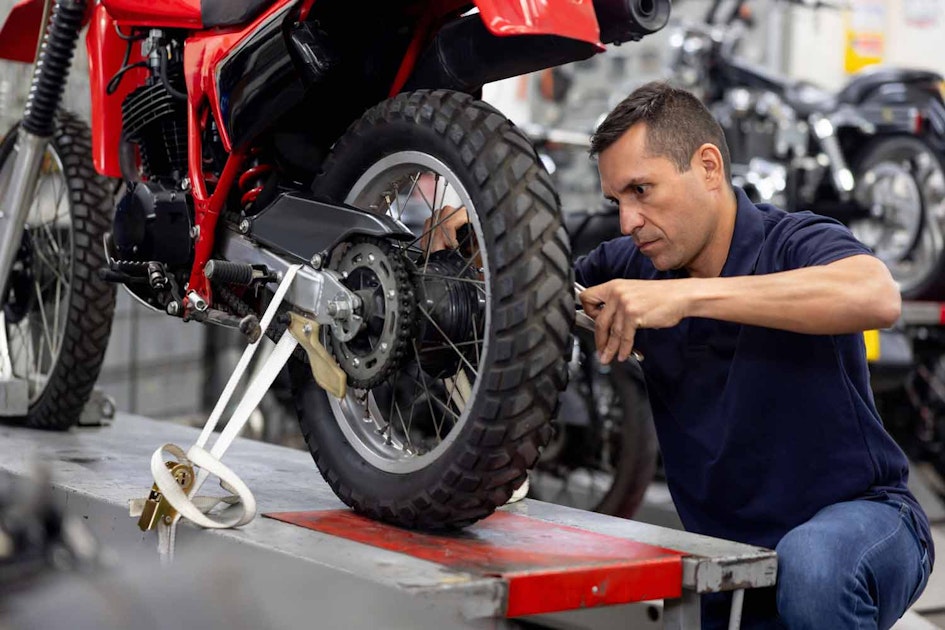
Have you ever wondered how long your motorcycle tires should really last? Knowing this can save you money, keep you safe, and improve your riding experience.
Tires wear down over time, but the exact lifespan depends on many factors—like your riding style, road conditions, and tire type. If you want to avoid unexpected flats or slips, it’s crucial to understand when it’s time for new tires.
Keep reading, and you’ll discover simple signs and expert tips to help you get the most out of your motorcycle tires without risking your safety.
Credit: www.motorcyclistonline.com
Tire Lifespan Factors
Motorcycle tires do not last forever. Several factors affect how long they stay safe and strong.
Understanding these factors helps you know when to replace your tires and stay safe on the road.
Tire Type And Compound
Tires come in different types and rubber compounds. Sport tires use soft compounds for better grip. They wear out faster. Touring tires use harder compounds. They last longer but have less grip.
- Soft compound: better grip, shorter life
- Hard compound: longer life, less grip
- Slick tires: fastest wear on street use
- Dual-sport tires: balanced for on and off-road
Riding Style Impact
How you ride changes tire wear. Aggressive riding with fast turns and braking wears tires faster. Smooth, steady riding helps tires last longer. Racing or track riding drastically reduces tire life.
Road Conditions
Road surfaces affect tire life. Rough, gravel, or uneven roads cause faster wear. Smooth asphalt helps tires last longer. Potholes and debris can damage tires quickly.
| Road Type | Effect on Tire Life |
| Smooth Asphalt | Longest lifespan |
| Gravel Roads | Faster wear and tear |
| Potholes | Possible tire damage |
| Wet Roads | Increased slipping risk |
Climate Effects
Weather impacts tire durability. Hot climates soften tires, causing faster wear. Cold climates make rubber brittle and prone to cracks. Humid areas can cause slow tire aging.
Tips to protect tires from climate:
- Store bike in shaded or covered area
- Check tire pressure regularly
- Avoid long exposure to sun
- Use tires suited for your climate
Signs Of Tire Wear
Motorcycle tires wear out over time and need checking. Worn tires can cause unsafe rides.
Look for clear signs of tire wear to know when to replace them. This keeps you safe on the road.
Tread Depth Indicators
Tires have tread depth indicators built into the grooves. These small bars show when tread is low.
If the tread wears down to these bars, the tire needs replacement. Low tread reduces grip on wet roads.
- Check tread depth regularly with a gauge or by eye
- Replace tires if tread is at or below the indicators
- Good tread improves traction and safety
Uneven Wear Patterns
Uneven tire wear means parts of the tire wear faster than others. This can cause handling issues.
Look for wear on one side or in patches. This could signal problems like bad alignment or improper pressure.
- Wear on one edge: may mean low tire pressure
- Center wear: often from over-inflation
- Patchy wear: could be wheel or suspension issues
Sidewall Damage
Check the tire sidewalls for cracks, cuts, or bulges. Damage here can cause tire failure.
Sidewall damage is dangerous because it weakens the tire structure. Replace tires with visible damage.
- Look closely for cracks or dry rot on the sidewall
- Bulges or bubbles mean internal damage
- Avoid riding on tires with sidewall damage
Vibration And Handling Changes
If your motorcycle vibrates more than usual, the tires might be worn or damaged. Handling may feel loose.
Changes in steering or stability often mean tires need inspection. Worn tires can cause uneven road contact.
- Notice increased vibration while riding
- Feeling loose or pulling to one side
- Check tires for wear or damage if handling changes
Maintenance Tips
Taking care of your motorcycle tires helps them last longer. Good maintenance keeps you safe on the road.
Follow these tips to keep your tires in top shape and improve their lifespan.
Proper Tire Pressure
Check your tire pressure before every ride. Correct pressure prevents uneven wear and improves fuel efficiency.
Use a reliable pressure gauge and follow the pressure recommended by your motorcycle’s manual.
- Low pressure causes tire damage and poor handling
- High pressure reduces tire grip and comfort
- Adjust pressure when carrying extra weight
Regular Inspections
Look over your tires weekly for cuts, cracks, or objects stuck in the tread. Early detection helps avoid accidents.
Also, check the tread depth. Replace tires if the tread is too low to keep good traction.
- Inspect sidewalls for bulges or damage
- Remove stones or nails from tread
- Check for uneven wear patterns
Balancing And Alignment
Balanced tires reduce vibrations and prevent uneven wear. Get your tires balanced when you install new ones.
Proper wheel alignment keeps your bike stable. Misalignment causes tires to wear quickly on one side.
- Balance tires after repair or replacement
- Check alignment if the bike pulls to one side
- Visit a professional for precise adjustments
Tire Rotation Practices
Motorcycle tires usually do not need rotation like car tires. But some bikes with dual front or rear tires benefit from it.
If your bike allows rotation, switch tires front to back to even out wear and extend tire life.
- Check your owner’s manual for rotation guidelines
- Rotate tires every 5,000 to 7,000 miles if allowed
- Always inspect tires during rotation for damage

Credit: www.motorcyclistonline.com
Storage And Usage Habits
Motorcycle tires last longer when stored and used properly. Good habits help keep tires safe and durable.
Understanding how to store tires and ride safely can prevent early wear and damage. This guide covers key points.
Optimal Storage Conditions
Store motorcycle tires in a cool, dry place away from sunlight. Heat and moisture can cause the rubber to degrade.
- Keep tires off the ground using a rack or pallet
- Avoid exposure to ozone sources like electric motors
- Store tires upright to prevent flat spots
- Cover tires with a breathable cloth to block dust
Avoiding Prolonged Inactivity
Leaving a motorcycle unused for long periods can harm tires. Tires can develop flat spots and dry rot.
| Inactivity Duration | Recommended Action |
| Less than 1 month | No special action needed |
| 1 to 3 months | Move bike weekly to change tire contact points |
| More than 3 months | Use tire supports or remove tires for storage |
Safe Riding Techniques
How you ride affects tire life. Smooth, controlled riding reduces tire wear and damage.
- Avoid sudden acceleration and hard braking
- Do not lean too sharply in corners
- Maintain proper tire pressure for your bike
- Inspect tires regularly for cuts or punctures
Choosing The Right Tires
Motorcycle tires wear out over time. Choosing the right tires helps you ride safely and longer.
Select tires that fit your riding style and conditions. This keeps your bike balanced and stable.
Matching Tires To Riding Needs
Different tires work best for different types of riding. Choose tires based on where and how you ride.
Sport tires suit fast riding on smooth roads. Touring tires last longer and handle rough roads well.
- Sport tires: better grip, shorter life
- Touring tires: durable, good for long rides
- Off-road tires: designed for dirt and mud
- All-season tires: balanced for mixed conditions
Brand And Quality Considerations
Choose tires from brands known for quality and safety. Good brands use better materials and testing.
Cheap tires may wear out fast or fail in tough conditions. Spending more on quality tires protects you.
- Look for trusted motorcycle tire brands
- Check tire reviews and ratings
- Buy tires with good warranty and support
Reading Tire Specifications
Tire specs tell you about size, speed rating, and load capacity. Always match specs to your bike.
Check the numbers on the tire sidewall. They show important details for safe and proper use.
| Spec | Meaning |
|---|---|
| Width | How wide the tire is (in mm) |
| Aspect Ratio | Height of sidewall as percent of width |
| Rim Diameter | Size of the wheel (in inches) |
| Speed Rating | Maximum safe speed |
| Load Index | Maximum weight the tire can carry |

Credit: woowind.store
Frequently Asked Questions
How Often Should I Replace Motorcycle Tires?
Motorcycle tires typically last between 3,000 to 15,000 miles. The lifespan depends on riding style, tire type, and road conditions. Regularly inspect your tires for wear and damage. It’s crucial to replace them when they reach the tread wear indicator or show signs of aging, like cracks or bulges.
What Affects Motorcycle Tire Longevity?
Several factors influence tire longevity, including riding habits, road conditions, and maintenance. Aggressive riding, like frequent braking and acceleration, reduces tire life. Regularly check tire pressure and alignment to maximize longevity. Keeping tires clean and free from debris also helps extend their lifespan significantly.
How Do I Know If My Motorcycle Tires Are Worn Out?
Check the tire tread depth regularly. If it’s below the manufacturer’s recommended limit, replace them. Look for visible signs of damage like cracks, punctures, or uneven wear. Also, if you notice a decrease in handling or grip, it’s a sign your tires might be worn out.
Can Motorcycle Tires Expire?
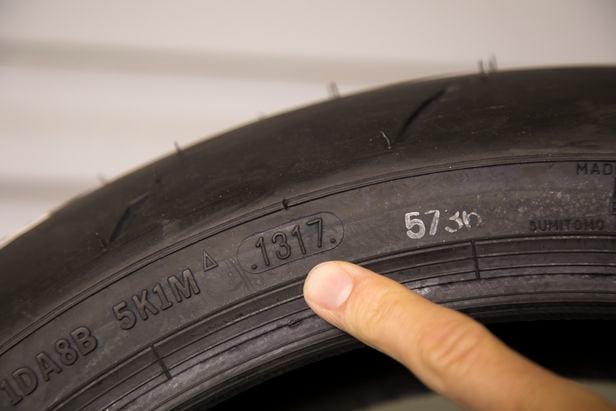
Yes, motorcycle tires can expire. Even if unused, tires degrade over time due to environmental factors. Manufacturers usually recommend replacing tires every six years, regardless of tread wear. Check the tire’s sidewall for the manufacturing date. This ensures you’re riding on safe, reliable tires.
Conclusion
Motorcycle tires wear out with time and use. Check them often for safety. Riding style, road type, and weather affect tire life. Replace tires when tread wears thin or cracks appear. Proper tire care helps you ride longer and safer.
Don’t wait for a flat tire to change them. Stay alert and keep your bike in good shape. Safe riding depends on good tires. Take care of them, and they will take care of you.