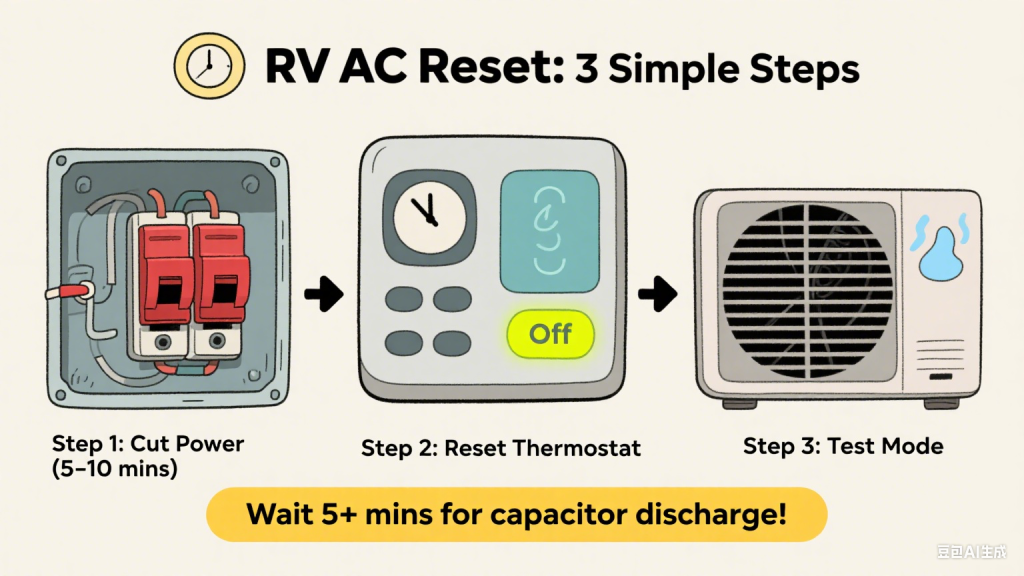
Are you tired of sweating through your RV trips or constantly worrying if your air conditioner will quit on you? Knowing how long your RV air conditioner lasts can save you from unexpected heat and costly repairs.
Imagine relaxing in a cool, comfortable space no matter where the road takes you. You’ll discover the typical lifespan of RV air conditioners and easy tips to help you extend theirs. Keep reading to make sure your RV stays cool season after season.
Rv Air Conditioner Lifespan Basics
Most RV air conditioners last between 8 to 15 years. The exact life depends on usage and care. Some may break down earlier; others can work well for over a decade.
Regular maintenance helps extend lifespan. Cleaning filters and checking parts are key tasks. Avoid running the AC constantly in very hot weather to reduce wear.
| Factor | Effect on Lifespan |
|---|---|
| Usage Frequency | More use can shorten life |
| Maintenance | Regular care extends durability |
| Climate | Extreme heat or humidity cause wear |
| Build Quality | Higher quality units last longer |

Credit: www.popularmechanics.com
Common Types Of Rv Air Conditioners
Roof-mounted unitsare the most common RV air conditioners. They sit on top of the RV roof and save space inside. These units cool large areas but may use more power. Maintenance usually involves cleaning filters and checking seals.
Portable modelsare small and easy to move. They do not need installation on the roof. These are good for small spaces or when you want to cool just one area. They use less power but are less powerful overall.
Ductless systemsoffer quiet and efficient cooling. They have no ducts and install inside the RV walls. These systems cool evenly and save energy. They often last longer than roof-mounted units.
Signs Of Wear And Aging
Decreased cooling efficiencyis a common sign of an aging RV air conditioner. It takes longer to cool the space. The unit may struggle to reach the set temperature.
Unusual noiseslike rattling, buzzing, or grinding can show wear. These sounds often mean parts are loose or damaged. Ignoring these noises can cause more damage.
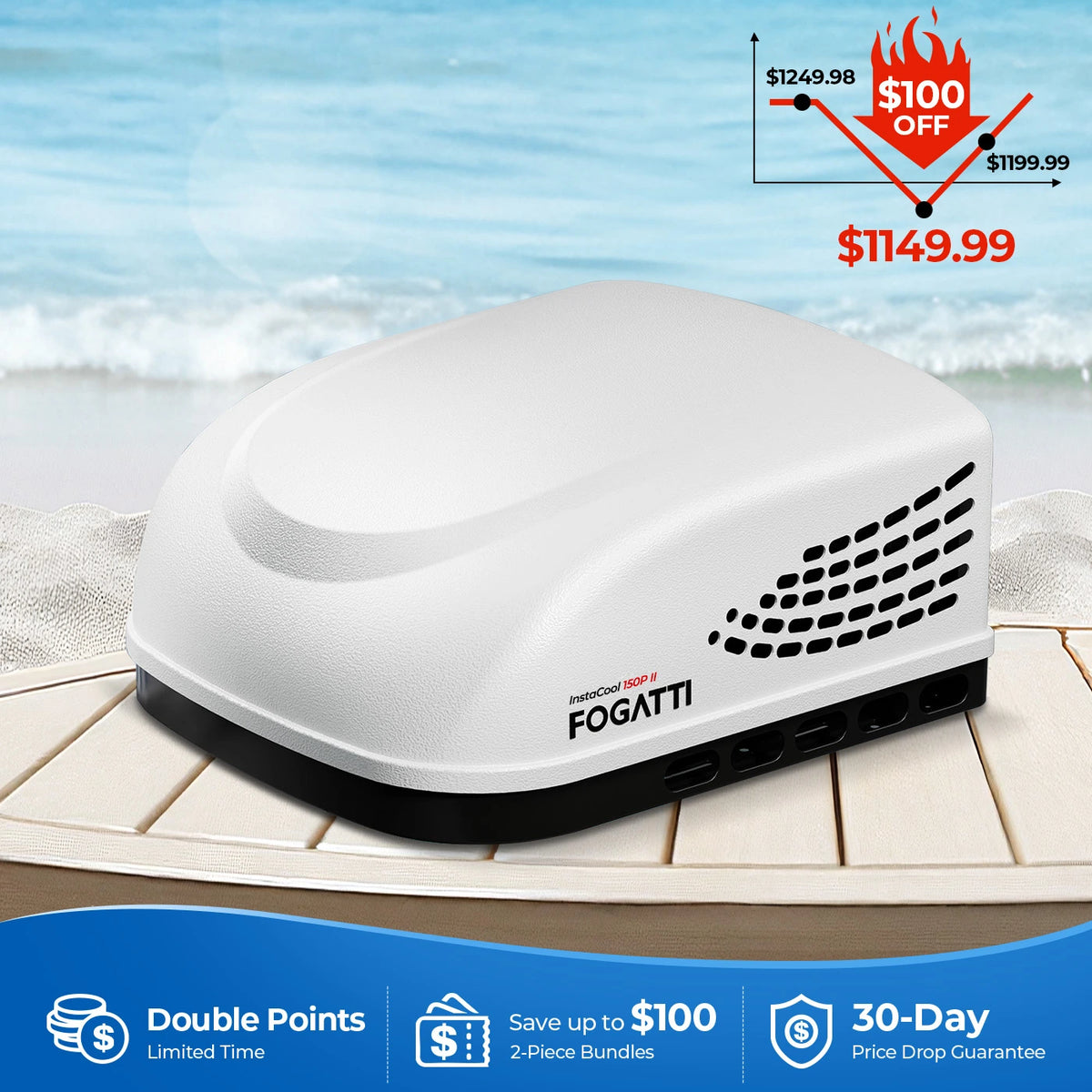
Frequent breakdownsare a clear sign the air conditioner is aging. You might need repairs more often. This can be costly and frustrating. Regular maintenance helps but cannot stop natural wear.
Credit: fogattiliving.com
Maintenance Tips To Extend Lifespan
Regular cleaningkeeps the RV air conditioner working well. Dirt and dust block airflow and reduce cooling power. Clean the vents and outside unit often. Use a soft brush or cloth to wipe dust away. This prevents damage and helps the AC run smoothly.
Filter replacementis key. Dirty filters slow airflow and make the AC work harder. Replace or clean filters every month during heavy use. This keeps the air fresh and the system efficient. Always use the right filter size for your model.
Professional inspectionscatch small problems before they grow. A technician can check refrigerant levels, wiring, and parts. Have inspections done at least once a year. This helps find leaks, worn parts, or other issues early. It saves money and extends the AC’s life.
Common Repairs And Their Impact
Compressor issuesoften cause RV air conditioners to stop cooling properly. The compressor works like the heart of the system, pushing refrigerant through. If it fails, the AC may not turn on or may make loud noises. Repairing or replacing compressors can be costly.
Refrigerant leaksreduce cooling power. These leaks happen when small holes or cracks appear in the refrigerant lines. Low refrigerant means the AC must work harder, which can lead to more damage. Finding and fixing leaks is important to keep the system running well.
Electrical problemsinclude blown fuses, faulty wiring, or bad switches. These issues can stop the AC from turning on or cause it to work intermittently. Checking electrical parts regularly helps prevent sudden breakdowns and keeps the system safe to use.

Credit: furrion.com
When To Replace Your Rv Air Conditioner
Repair costscan add up quickly for older RV air conditioners. Sometimes, spending on parts and labor may be close to buying a new unit. Consider how often the AC breaks down and the expense of each repair.
Newer air conditioners often use less electricity. This means they save money on power bills over time. Energy-efficient models also cool better and run quieter. These upgrades can make your RV trips more comfortable.
| Factor | Consideration |
|---|---|
| Repair Costs | High repair bills suggest replacement might be better |
| Energy Efficiency | New models use less power and save money |
| Performance | Newer units cool faster and run more quietly |
| Frequency of Breakdowns | Frequent issues mean it’s time to upgrade |
Tips For Choosing A Long-lasting Unit
Brand reputationshows the quality and trust of the RV AC unit. Choose brands known for reliable productsand good reviews. This helps avoid frequent repairs and early replacements.
Energy efficiency ratingsmatter. Units with high ratings use less power and keep your RV cool longer. This saves money and reduces wear on the system.
| Warranty Length | Support Quality | Why It Matters |
|---|---|---|
| 1-3 years | Basic phone support | Short coverage, less help if issues arise |
| 4-5 years | Extended phone and online support | Better protection and faster repairs |
| More than 5 years | Full service and parts replacement | Peace of mind and long-term savings |
Frequently Asked Questions
How Long Do Rv Air Conditioners Typically Last?
RV air conditioners generally last between 5 to 10 years. Proper maintenance can extend their lifespan. Regular cleaning of filters and coils is essential. Overloading the unit can reduce its efficiency. Always follow the manufacturer’s guidelines for optimal performance.
What Affects Rv Air Conditioner Lifespan?
Several factors influence their lifespan, including usage frequency and maintenance. Environmental conditions like extreme heat can also impact longevity. Regular servicing helps in detecting early issues. Proper installation is crucial for optimal performance. Avoid overloading to ensure a longer lifespan.
How Can I Extend My Rv Ac Lifespan?
Regular maintenance can significantly extend your RV AC’s lifespan. Clean filters every month to ensure efficiency. Inspect coils and fins for any damage. Check electrical connections for wear. Use a surge protector to prevent electrical damage. Regular servicing by professionals is recommended.
Do Rv Air Conditioners Require Regular Maintenance?
Yes, regular maintenance is essential for optimal performance. Clean the filters monthly to prevent blockages. Inspect the coils for any debris. Check for any unusual noises or vibrations. Proper maintenance ensures efficient cooling and extends lifespan. Regular professional checks are advised.
Conclusion
RV air conditioners usually last between 8 to 15 years. Regular cleaning and maintenance help them work longer. Avoid overuse and harsh weather to keep them healthy. Watch for signs of wear and fix small issues early. Choosing the right size and brand also matters a lot.
A well-kept RV AC keeps you cool and comfortable on trips. Taking care of it saves money and stress later. Simple steps make a big difference in its lifespan. Stay cool and enjoy your travels!