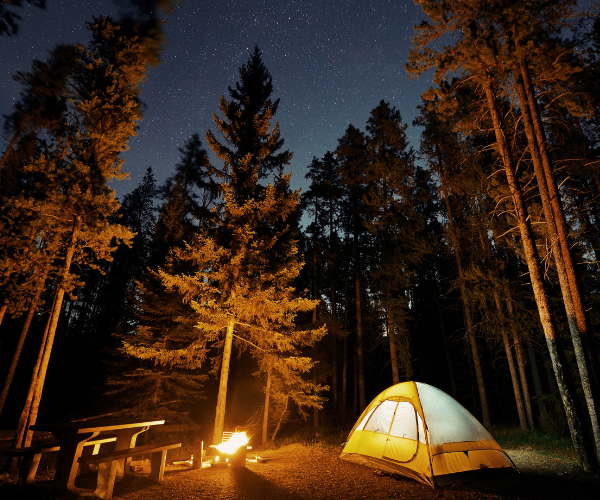
Have you ever wondered how long your tent will actually last? Whether you’re a weekend camper or a seasoned adventurer, knowing the lifespan of your tent can save you money and avoid unexpected problems on your trips.
Your tent is more than just a shelter—it’s your protection against the elements, your comfort zone in the wild. You’ll discover the key factors that affect how long tents last and learn simple tips to make yours stay strong for many adventures to come.
Keep reading to find out how to get the most out of your tent investment.

Credit: alpkit.com
Tent Lifespan Factors
Tents last different amounts of time based on many things. Knowing these factors helps you care for your tent.
Some tents stay strong for years, while others wear out quickly. Let’s look at what changes tent life.
Material Types
Tents use different materials like nylon, polyester, or canvas. Each material lasts a different time.
Nylon is light but can tear easily. Polyester resists sun damage better. Canvas is heavy but very durable.
- Nylon tents last about 3-5 years with normal use.
- Polyester tents can last 5-7 years or more.
- Canvas tents may last 10 years or longer if cared for well.
Frequency Of Use
The more you use your tent, the faster it wears out. Daily use shortens tent life.
Using a tent once a month will keep it in better shape than using it every week.
- Frequent use causes more wear and tear.
- Less use means fewer chances of damage.
- Regular cleaning helps extend life.
Weather Exposure
Sun, rain, wind, and snow affect how long a tent lasts. Harsh weather can weaken materials.
Strong sun can fade fabric and break down coatings. Heavy rain can cause mold if not dried.
- UV rays cause fabric to become brittle.
- Wet tents can grow mold and mildew.
- Strong winds can tear tent walls and poles.
Storage Conditions
How you store your tent changes its lifespan. Good storage keeps the tent safe and dry.
Storing tents in damp or hot places damages the fabric. Folding tents while wet causes mold growth.
- Store tents in a cool, dry place.
- Make sure tents are fully dry before packing.
- Use a breathable bag for long-term storage.
Credit: www.jackery.com
Common Tent Materials
Tents come in many materials. Each type affects how long the tent lasts. Knowing these materials helps you choose the right tent.
Some materials are strong but heavy. Others are light but less durable. This guide covers three common tent fabrics.
Nylon
Nylon is a popular tent fabric. It is light and strong. It dries quickly and packs small. These qualities make it good for backpackers.
- Usually coated with silicone or polyurethane for water resistance
- Can last 5 to 10 years with proper care
- Less resistant to UV damage than polyester
- Needs careful storage to avoid mildew
Polyester
Polyester tents resist stretching and shrinking. They handle sun exposure better than nylon. This makes polyester tents last longer outdoors.
| Feature | Polyester | Nylon |
| Weight | Heavier | Lighter |
| UV Resistance | High | Lower |
| Water Resistance | Good | Very Good |
| Durability | 7 to 12 years | 5 to 10 years |
Canvas
Canvas tents use cotton or cotton blends. They are heavy but very durable. Canvas tents last a long time if kept dry and clean.
Canvas tent care tips:
- Keep the tent dry to prevent mold
- Store in a cool, ventilated place
- Wash gently with mild soap and water
- Apply waterproof treatments as needed
Signs Of Wear And Tear
Tents face many challenges outdoors. Over time, parts of a tent can show damage.
Knowing the signs of wear helps you keep your tent safe and usable for longer.
Fabric Damage
Tent fabric can wear out from sun, rain, and rough use. Look for holes, tears, and thin spots.
- Small holes or rips that grow larger
- Discoloration or fading from sun damage
- Areas where fabric feels thin or weak
- Water leaks inside the tent
Zipper Issues
Zippers can get stuck, break, or separate. These problems make it hard to open or close your tent.
| Problem | Signs | Effect |
| Stuck Zipper | Zipper won’t move smoothly | Hard to open or close tent |
| Broken Teeth | Missing or bent zipper teeth | Zipper can come apart |
| Separated Track | Zipper splits after closing | Cannot seal the tent properly |
Pole Integrity
Tent poles hold the structure up. Check for cracks, bends, or broken sections.
Common pole problems include:
- Cracks that weaken the pole
- Bends that prevent proper tent shape
- Broken sections that cannot support the tent
- Loose or missing connectors
Extending Tent Durability
Tents are essential for outdoor adventures. Taking care of them helps them last longer.
Learning the right techniques can keep your tent in great shape for years.
Proper Cleaning Techniques
Cleaning your tent properly is crucial. It removes dirt and prevents damage.
- Use mild soap and water for cleaning
- Gently scrub with a soft brush
- Avoid harsh chemicals that can harm the fabric
Effective Drying Methods
Drying your tent thoroughly is important. It stops mold and mildew from forming.
Safe Storage Tips
Storing your tent correctly can extend its life. Keep it safe until your next adventure.
| Storage Tip | Benefit |
| Store in a cool, dry place | Prevents moisture buildup |
| Use a breathable bag | Allows air circulation |
| Avoid stacking heavy items on top | Reduces pressure on fabric |
Repairing Tent Damage
Tents can last many years with proper care. Repairing damage quickly keeps them strong. Small fixes stop bigger problems later.
Knowing how to repair common tent parts helps save money. You can fix holes, zippers, and poles at home. This guide explains easy repairs.
Patch Kits
Patches fix small holes and tears in tent fabric. Most tents come with a patch kit. You can buy extra kits if needed.
Clean the area around the hole before patching. Cut a patch slightly larger than the hole. Use strong adhesive or sew the patch on.
- Clean and dry the fabric
- Cut patch with rounded edges
- Apply adhesive or sew patch firmly
- Press patch down and let dry
Zipper Fixes
Zippers are common points of failure on tents. Dirt and sand can block zipper teeth. Fix zippers by cleaning and lubricating them.
If a zipper slider breaks, replace it with a new one. You can also fix stuck zippers with a pencil or soap to help them slide.
- Clean zipper teeth with brush
- Use pencil graphite or soap for lubrication
- Replace broken slider with repair kit
- Test zipper gently after repair
Pole Repairs
Tent poles can bend or break during use. Small cracks can be fixed with tape or glue. For broken poles, use a splint or replace the section.
Carry extra pole sections or repair kits on trips. This helps fix poles quickly and keeps your tent standing.
- Use strong tape or glue for cracks
- Attach splint over broken pole
- Replace damaged pole sections if possible
- Pack spare poles on camping trips
Choosing A Long-lasting Tent
Buying a tent is an important choice for outdoor adventures. You want a tent that stays strong through many trips.
Look at key factors that affect tent life. This helps you pick the best one for your needs.
Material Quality
Tent material plays a big role in how long it lasts. Strong fabrics resist tears and water better.
- Nylon: Light and strong but may wear out faster in sun.
- Polyester: Durable and resists UV damage well.
- Canvas: Very tough but heavier and needs care.
- Floor material: Look for thick, waterproof fabric like polyethylene.
Brand Reputation
Some brands have a strong history of making reliable tents. Choose brands known for quality and service.
| Brand | Known For | Average Tent Lifespan |
| Brand A | Durable materials | 10 years |
| Brand B | Lightweight designs | 7 years |
| Brand C | Good warranties | 8 years |
User Reviews
Reading reviews shows how tents perform in real life. Users share their experience on durability and comfort.
- Check if users report fabric tearing or zipper failures.
- See how tents handle bad weather and strong winds.
- Look for comments on ease of setup and weight.

Credit: www.lifeintents.com
Frequently Asked Questions
How Long Do Camping Tents Typically Last?
Camping tents usually last 3 to 10 years depending on usage and care. Frequent use and exposure to harsh weather shorten their lifespan. Proper cleaning, drying, and storage extend tent durability significantly. High-quality tents often last longer than budget options.
What Factors Affect A Tent’s Lifespan?
Tent lifespan depends on material quality, frequency of use, weather exposure, and maintenance. UV rays, rain, and wind degrade fabric and seams over time. Regular cleaning and proper storage help prevent damage and mold growth.
Can Proper Care Extend A Tent’s Life?
Yes, proper care significantly extends a tent’s life. Always clean and dry the tent before storage. Store it in a cool, dry place away from sunlight. Repair any small tears or broken zippers promptly to avoid further damage.
How Does Weather Impact Tent Durability?
Extreme weather like heavy rain, strong wind, and intense sun damages tents faster. UV rays weaken fabric fibers, while moisture causes mold and mildew. Using a footprint and setting up in sheltered areas protect your tent.
Conclusion
Tents can last many years with proper care and use. Regular cleaning and storing in a dry place helps a lot. Choosing a good quality tent also makes a difference. Watch out for wear and tear after each trip. Small repairs can keep your tent strong longer.
Remember, how you treat your tent affects its life. Enjoy camping safely, knowing your tent will protect you. A well-maintained tent is a great investment for many adventures ahead.