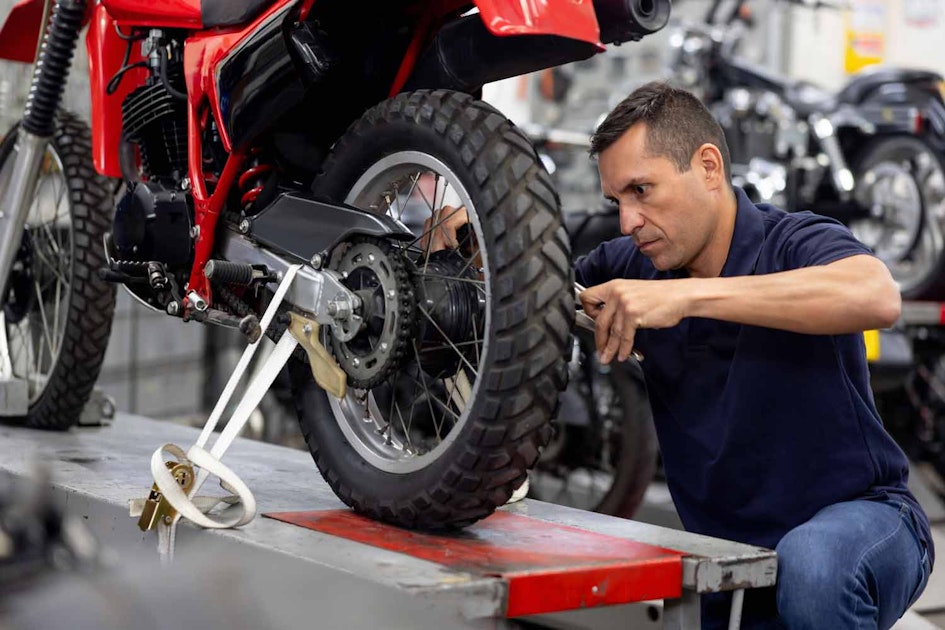
Have you ever wondered how long your motorcycle tires really last? Knowing the answer can save you money, keep you safe, and make your rides smoother.
Tires wear out faster than you might think, and ignoring their condition can lead to dangerous situations. You’ll discover the key signs of tire wear, factors that affect tire life, and simple tips to get the most out of your tires.
Stick with me, and you’ll never have to guess when it’s time to replace your motorcycle tires again.

Credit: www.motorcyclistonline.com
Factors Affecting Tire Lifespan
Motorcycle tires wear out over time. The lifespan depends on many factors. Knowing these helps you get the best use from your tires.
Different conditions and habits affect how long tires last. Some factors are in your control, others are not.
Tire Type And Quality
Tires come in different types for various motorcycles and uses. Quality also varies by brand and materials. High-quality tires usually last longer.
Sport tires wear faster than touring tires because of softer rubber. Off-road tires have special treads that may wear differently.
- Sport tires: softer, shorter lifespan
- Touring tires: harder, longer lifespan
- Off-road tires: designed for rough terrain
- Premium brands: better materials, longer wear
Riding Style And Conditions
How you ride affects tire life. Fast acceleration, hard braking, and sharp turns cause more wear. Riding on rough roads or in bad weather also shortens tire life.
Long trips on smooth highways cause less wear than stop-and-go city riding. Heat and road debris can damage tires faster.
- Aggressive riding wears tires quickly
- Rough roads cause more tire damage
- Hot weather speeds up rubber wear
- Highway riding is gentler on tires
Maintenance Practices
Proper tire care extends tire life. Check tire pressure regularly to avoid uneven wear. Keep tires clean and inspect for damage.
Balancing and aligning tires helps them wear evenly. Replace tires before they become unsafe to ride on.
- Check and adjust tire pressure often
- Inspect tires for cuts and cracks
- Balance and align tires regularly
- Replace tires when tread is low

Credit: www.reddit.com
Average Mileage For Motorcycle Tires
Motorcycle tires come in different types. Each type has its own average mileage range. The lifespan of a tire depends on its usage and maintenance.
Knowing the average mileage helps in planning tire replacements. This ensures safety and optimal performance while riding.
Sportbike Tires
Sportbike tires are designed for speed and agility. They usually offer less mileage due to their soft rubber compound. Riders should monitor tread wear regularly.
- Average Mileage: 3,000 to 5,000 miles
- Best for: High-speed performance
- Check tire pressure monthly
Cruiser Tires
Cruiser tires are built for comfort and long-distance travel. These tires tend to last longer due to their harder rubber compound. Regular inspection is key to extending their life.
| Tire Type | Average Mileage |
| Cruiser Tires | 8,000 to 12,000 miles |
Touring Tires
Touring tires are ideal for long journeys. They offer a balance of durability and comfort. Regular maintenance helps achieve maximum mileage.
Maintenance Tips for Touring Tires:
- Check alignment regularly
- Rotate tires if possible
- Maintain proper inflation
Signs Of Tire Wear
Motorcycle tires wear out over time and use. Checking for signs of wear helps keep you safe on the road.
Look closely at your tires to spot damage or wear patterns. This can tell you when to replace them.
Tread Depth Indicators
Tire tread depth shows how much rubber is left. Low tread means less grip and higher risk.
- Check the tread wear bars in the grooves of the tire.
- When these bars are flush with the tread, the tire needs replacement.
- Use a tread depth gauge to measure tread; less than 2/32 inch is unsafe.
Sidewall Damage
Sidewall damage can cause tire failure. Look for cracks, cuts, or bulges on the tire’s sides.
| Type of Damage | What to Look For | Why It Matters |
| Cracks | Small splits or lines on the sidewall | Can lead to air leaks or blowouts |
| Cuts | Visible cuts or gouges in the rubber | Weakens tire structure |
| Bulges | Raised areas or bubbles on the sidewall | Sign of internal damage or separation |
Uneven Wear Patterns
Uneven tire wear signals problems with alignment or tire pressure. It reduces tire life and safety.
- Center wear: Usually from over-inflation.
- Edge wear: Caused by under-inflation or hard cornering.
- Patchy wear: May result from suspension or alignment issues.
- Feathering: Edges of tread blocks feel smooth or sharp, indicating misalignment.

Credit: woowind.store
Impact Of Storage And Weather
Tires on a motorcycle do not last forever. Storage and weather affect how long tires stay safe to use. Proper care helps extend tire life.
Bad weather and poor storage can cause tires to crack or lose grip. Knowing these effects can help you keep your tires in good shape.
Effects Of Temperature
Extreme temperatures can damage motorcycle tires. High heat makes rubber soft and weak. Cold makes it hard and brittle.
Tires left in hot sun can age faster. Cold weather can cause cracks and reduce tire flexibility.
- Heat speeds up tire rubber breakdown
- Cold causes cracks and stiffness
- Temperature changes cause tire pressure shifts
Humidity And Uv Exposure
High humidity can cause moisture build-up in tires. This moisture can harm the tire’s materials over time.
UV rays from the sun break down the tire’s outer layer. This damage leads to cracking and weak spots on the tire.
- Moisture damages tire rubber internally
- UV rays cause the tire surface to crack
- Both reduce the tire’s lifespan
Proper Storage Tips
Store motorcycle tires in a cool, dry place away from sunlight. Keep tires off the ground to avoid moisture contact.
Use tire covers or bags to protect from dust and UV rays. Check tire pressure regularly if tires stay mounted on the bike.
- Store tires indoors in a dark place
- Keep tires away from heat sources
- Use covers to block sunlight and dust
- Elevate tires to prevent moisture buildup
Routine Tire Maintenance
Proper tire care keeps your motorcycle safe and extends tire life. Regular checks help avoid sudden problems.
Simple maintenance tasks prevent wear and improve riding comfort. Let’s look at key routine checks.
Checking Tire Pressure
Keep your tires at the right pressure for better grip and longer life. Check pressure before each ride.
Use a reliable gauge and compare pressure to the motorcycle’s recommended levels. Adjust if needed.
- Under-inflated tires wear unevenly and use more fuel
- Over-inflated tires reduce traction and ride comfort
- Check pressure when tires are cold for accuracy
Regular Inspections
Look over your tires for cuts, cracks, or embedded objects. Inspect tread depth often to ensure safety.
Replace tires if tread wears below recommended levels. Check sidewalls for bulges or damage.
- Scan tires for nails, glass, or stones
- Measure tread depth; replace if below 1/32 inch
- Watch for uneven wear patterns indicating other issues
Balancing And Alignment
Balanced tires reduce vibration and improve handling. Misaligned wheels cause uneven tire wear.
Get tires balanced when new or if you feel wobbling. Check wheel alignment regularly to extend tire life.
- Balance tires to stop shaking at high speeds
- Check alignment if tires wear faster on one side
- Proper alignment improves fuel efficiency and control
When To Replace Motorcycle Tires
Motorcycle tires wear out over time. Knowing when to replace them keeps you safe on the road.
Check your tires often for signs of wear and damage. This helps avoid accidents and poor handling.
Mileage Benchmarks
Tires last different distances depending on the type and brand. Most motorcycle tires last between 3,000 and 15,000 miles.
Sport tires wear out faster, while touring tires last longer. Check your tire’s mileage and replace it if near the limit.
- Sport tires: 3,000 to 5,000 miles
- Standard tires: 5,000 to 10,000 miles
- Touring tires: 10,000 to 15,000 miles
Visible Damage
Look for cracks, cuts, or bulges on your tires. These signs mean you should replace them right away.
Also check the tire tread depth. Worn tread lowers grip and increases accident risk. Replace tires if tread is too low.
- Cracks or cuts on sidewalls or tread
- Bulges or bubbles on the tire surface
- Tread depth below 1/32 inch (0.8 mm)
Performance Changes
If your motorcycle feels unstable or slips more, your tires may be worn. Replace tires if performance drops.
Pay attention to longer braking distances or poor cornering. These can signal that tires no longer grip well.
- Less traction on wet or dry roads
- Longer stopping distances
- Difficulty leaning in corners
Extending Tire Life
Motorcycle tires wear out over time. Taking care of them helps you ride safely longer. You can make your tires last by following simple tips.
Proper care saves money and keeps your bike running well. Focus on how you ride and maintain your tires.
Safe Riding Habits
Riding smoothly reduces tire wear. Avoid sudden stops and quick turns. Fast acceleration can also wear tires faster.
Try to keep a steady speed. Watch the road to avoid bumps and potholes that can damage tires.
- Brake gently
- Take corners slowly
- Keep a steady speed
- Avoid rough surfaces
Proper Inflation
Check your tire pressure often. Tires with low pressure wear out faster and can cause accidents. Over-inflated tires also wear unevenly.
Use a gauge to measure pressure when tires are cold. Follow the pressure numbers in your motorcycle manual.
- Check tire pressure weekly
- Inflate to the recommended level
- Use a reliable pressure gauge
- Adjust pressure for load and conditions
Timely Repairs
Fix tire damage quickly. Small cuts, nails, or cracks can get worse if left alone. Ignoring them can cause tire failure.
Replace tires when tread is low or damage is severe. Check your tires regularly for signs of wear or damage.
- Inspect tires before each ride
- Repair small punctures promptly
- Replace tires with worn tread
- Use professional help for major damage
Frequently Asked Questions
How Long Do Motorcycle Tires Typically Last?
Motorcycle tires generally last between 3,000 and 15,000 miles. The lifespan depends on tire type, riding style, and road conditions. Regular inspection and proper maintenance can extend tire life.
What Factors Affect Motorcycle Tire Lifespan?
Tire lifespan is influenced by riding habits, tire quality, road surfaces, and weather conditions. Aggressive riding and rough roads wear tires faster. Proper inflation and alignment also impact durability.
How Can I Tell If My Motorcycle Tires Need Replacing?
Check for tread depth below 1-2 mm, visible cracks, or uneven wear. Tires with bulges or punctures should be replaced immediately for safety.
Does Tire Storage Affect Motorcycle Tire Longevity?
Yes, storing tires in cool, dry places away from sunlight prevents rubber degradation. Proper storage can preserve tire quality and extend their usable life.
Conclusion
Tires wear out with time and use. Regular checks keep you safe on the road. Riding style, road type, and weather affect tire life. Replace tires before they become too worn or cracked. Good tire care helps your motorcycle perform better.
Remember, new tires improve grip and control. Stay alert to signs of tire damage. Safe riding starts with reliable tires. Keep your motorcycle ready for every ride.