
Are you thinking about getting a Toyota FJ Cruiser but wondering how long it will last? You’re not alone.
When you invest in a vehicle, you want to be sure it will stand the test of time. The good news is, the FJ Cruiser has a reputation for durability and reliability. But exactly how many miles or years can you expect from one?
You’ll discover the real lifespan of Toyota FJ Cruisers and what factors can affect how long yours will keep running strong. Keep reading to make a confident choice for your next adventure companion.
Toyota Fj Cruiser Lifespan
The Toyota FJ Cruiser is known for its rugged design and off-road capabilities, but how long can you expect this vehicle to last? Understanding the lifespan of the FJ Cruiser helps you make smarter decisions whether you’re buying new or used. Let’s look at what you can expect in terms of mileage and the factors that influence its longevity.
Average Mileage Expectations
Most Toyota FJ Cruisers easily reach between 200,000 to 300,000 mileswith proper care. Many owners report hitting the 250,000-mile mark without major engine issues. This makes the FJ Cruiser a reliable choice if you’re looking for a long-term vehicle.
Keep in mind, mileage isn’t the only measure of lifespan. How the vehicle is driven and maintained plays a crucial role. If you take it off-roading often, expect some wear and tear sooner than someone who uses it mainly for daily commuting.
Common Longevity Factors
- Maintenance:Regular oil changes, brake checks, and timely repairs can dramatically extend your FJ Cruiser’s life.
- Driving Habits:Gentle acceleration and braking reduce stress on the engine and transmission.
- Environmental Conditions:Harsh climates, salty roads, or frequent off-road use can speed up rust and component wear.
- Modifications:Adding heavy lifts or oversized tires may strain suspension and drivetrain parts if not done correctly.
Think about your own driving style and environment. How often do you take your vehicle off-road? Do you stick to scheduled maintenance? These questions help you predict how long your FJ Cruiser will stay in top shape.

Credit: www.theautopian.com
Engine Durability
The engine durability of the Toyota FJ Cruiser is a key reason why many owners trust this SUV. Its robust design and reliable components help it endure tough conditions. With regular care, the engine can last for many miles without major issues. Understanding how the engine performs over time and what common problems might arise can help owners maintain their vehicle better.
Performance Over Time
The FJ Cruiser’s engine maintains solid performance across many years. It uses a strong V6 engine known for steady power delivery. Many drivers report smooth acceleration and good fuel efficiency even after 150,000 miles. Regular oil changes and timely service keep the engine running smoothly. The engine handles both city driving and off-road adventures well, showing consistent reliability.
Typical Engine Issues
Some FJ Cruiser engines may face issues as they age. Common problems include:
- Oil leaks from valve cover gaskets or seals
- Coolant leaks that can cause overheating
- Worn spark plugs leading to rough idling
- Timing belt wear requiring replacement
Most issues appear after high mileage and can be fixed with routine maintenance. Addressing problems early helps prevent bigger engine damage and extends lifespan.
Transmission And Drivetrain
The transmission and drivetrain are crucial to the Toyota FJ Cruiser’s ability to handle tough terrains and long drives. These components determine how power is delivered from the engine to the wheels, directly affecting the vehicle’s durability and performance. Understanding their lifespan and how to care for them can help you get the most out of your FJ Cruiser.
Longevity Of Transmission Types
The FJ Cruiser offers both manual and automatic transmission options, each with its own lifespan. Manual transmissions often last longer if you avoid aggressive shifting and keep the clutch in good condition. Many owners report their manual gearboxes running smoothly well beyond 200,000 miles.
Automatic transmissions require regular fluid changes to prevent overheating and wear. Without proper maintenance, they might start showing problems around 150,000 to 180,000 miles. However, with timely service, some automatic transmissions have surpassed 200,000 miles without major issues.
Have you checked your transmission fluid lately? Clean, fresh fluid can make a huge difference in how long your transmission performs.
Maintaining The Drivetrain
The drivetrain includes the transfer case, driveshafts, differentials, and axles. These parts face constant stress, especially if you use your FJ Cruiser off-road. Regular inspections and fluid changes for the transfer case and differentials can prevent premature failure.
Ignoring drivetrain maintenance often leads to costly repairs. Simple tasks like checking for leaks, listening for unusual noises, and ensuring proper lubrication can extend the life of these components. Many drivers find that addressing minor issues early saves them from unexpected breakdowns on the trail.
Think about how often you venture off-road. Adjusting your maintenance schedule based on your driving habits can keep your drivetrain running smoothly for years to come.
Rust And Body Wear
The Toyota FJ Cruiser is known for its rugged design and off-road capability. Over time, rust and body wear can affect its appearance and durability. Rust forms when metal is exposed to moisture and salt. Body wear happens from daily use and rough terrain. These factors impact how long the vehicle stays in good shape. Understanding rust and body wear helps keep your FJ Cruiser lasting longer.
Common Rust Areas
Rust tends to show up in certain spots on the FJ Cruiser. These areas are more exposed to water, dirt, and road salt.
- Wheel wells
- Underbody and frame
- Door edges and hinges
- Rocker panels
- Tailgate and rear bumper
Regular checks of these spots catch rust early. Early rust can be treated before damage spreads.
Preventive Measures
Preventing rust and body wear keeps the FJ Cruiser looking new. Wash the car often, especially after driving on salted roads. Use a high-pressure hose to clean hard-to-reach areas. Apply a rust-proof coating on the underbody once a year. Touch up paint chips and scratches fast to avoid rust starting. Store the vehicle in a garage or covered area to reduce exposure to moisture.
Maintenance Tips For Longevity
Maintaining a Toyota FJ Cruiser is key to making it last longer. Regular care keeps the vehicle running smoothly and avoids costly repairs. Simple maintenance habits extend the life of your SUV and improve its performance.
Regular Service Intervals
Follow the manufacturer’s recommended service schedule closely. Change the engine oil every 5,000 to 7,500 miles. Replace the oil filter with every oil change. Check tire pressure monthly to ensure even wear. Rotate tires every 6,000 to 8,000 miles to extend their life. Inspect brakes at least twice a year. Replace air filters every 15,000 to 30,000 miles depending on driving conditions. Keep fluids topped off, including coolant, brake fluid, and transmission fluid.
Key Components To Monitor
Focus on parts that wear out faster or affect safety. Monitor the timing belt for cracks or wear; replace it every 90,000 miles. Check the battery and clean terminals to avoid starting issues. Watch for leaks under the vehicle, especially oil and coolant. Inspect suspension parts for damage or wear to maintain ride quality. Test all lights and signals to stay safe on the road. Pay attention to unusual noises or vibrations and address them quickly.
Real Owner Experiences
Real owner experiences reveal how long Toyota FJ Cruisers last in everyday use. These stories come from drivers who have put many miles on their vehicles. They share insights about durability and what to expect as the car ages. Their feedback helps potential buyers understand the true lifespan of this rugged SUV.
Owners often mention how well the FJ Cruiser handles tough roads and long trips. Many report their vehicles running smoothly even after years of heavy use. The experiences highlight both the strengths and common issues found over time.
High Mileage Stories
Several FJ Cruiser owners have driven over 200,000 miles. Some even report reaching 300,000 miles with regular maintenance. These high-mileage stories show the vehicle’s strong engine and reliable build. Drivers praise the FJ Cruiser for lasting beyond the usual lifespan of many SUVs.
Many owners share tips on keeping the car running well. Regular oil changes, brake checks, and tire maintenance are common practices. These habits help extend the life of the vehicle significantly.
Common Repair Costs
Repair costs vary depending on the vehicle’s age and condition. Owners often mention expenses for routine parts like brakes and tires. Some report needing new suspension parts after heavy off-road use.
Engine and transmission repairs are less common but can be costly. Most owners find repairs affordable compared to other SUVs in the same class. Preventive maintenance helps avoid major expenses down the road.
- Brake pads and rotors: $150-$300
- Tire replacement: $600-$1,000 for a set
- Suspension parts: $300-$700
- Engine repairs: $1,000 and up
- Transmission work: $1,500 and up
Comparison With Similar Suvs
The Toyota FJ Cruiser stands out in the SUV market for its rugged design and reliability. Comparing its lifespan to similar SUVs helps buyers understand its true value. Other SUVs in the same class often compete on durability and long-term costs.
Examining how long these vehicles last reveals important differences. Some models focus more on comfort than toughness. The FJ Cruiser balances off-road capability with strong engine performance.
Longevity Rankings
The Toyota FJ Cruiser typically lasts around 200,000 to 250,000 miles. This is similar to other reliable SUVs like the Jeep Wrangler and Toyota 4Runner. Many owners report their FJ Cruisers running well beyond 200,000 miles with proper care.
In comparison, the Jeep Wrangler may require more maintenance over time. The 4Runner often matches the FJ Cruiser in durability but can be pricier. Some competitors may not reach this lifespan without major repairs.
Value Retention
The FJ Cruiser holds its value well compared to similar SUVs. Its unique style and limited production increase demand in the used market. This helps maintain higher resale prices years after purchase.
Other SUVs like the Honda CR-V or Ford Escape tend to depreciate faster. The FJ Cruiser’s reputation for toughness adds to its appeal. Buyers often see better trade-in offers and resale values.
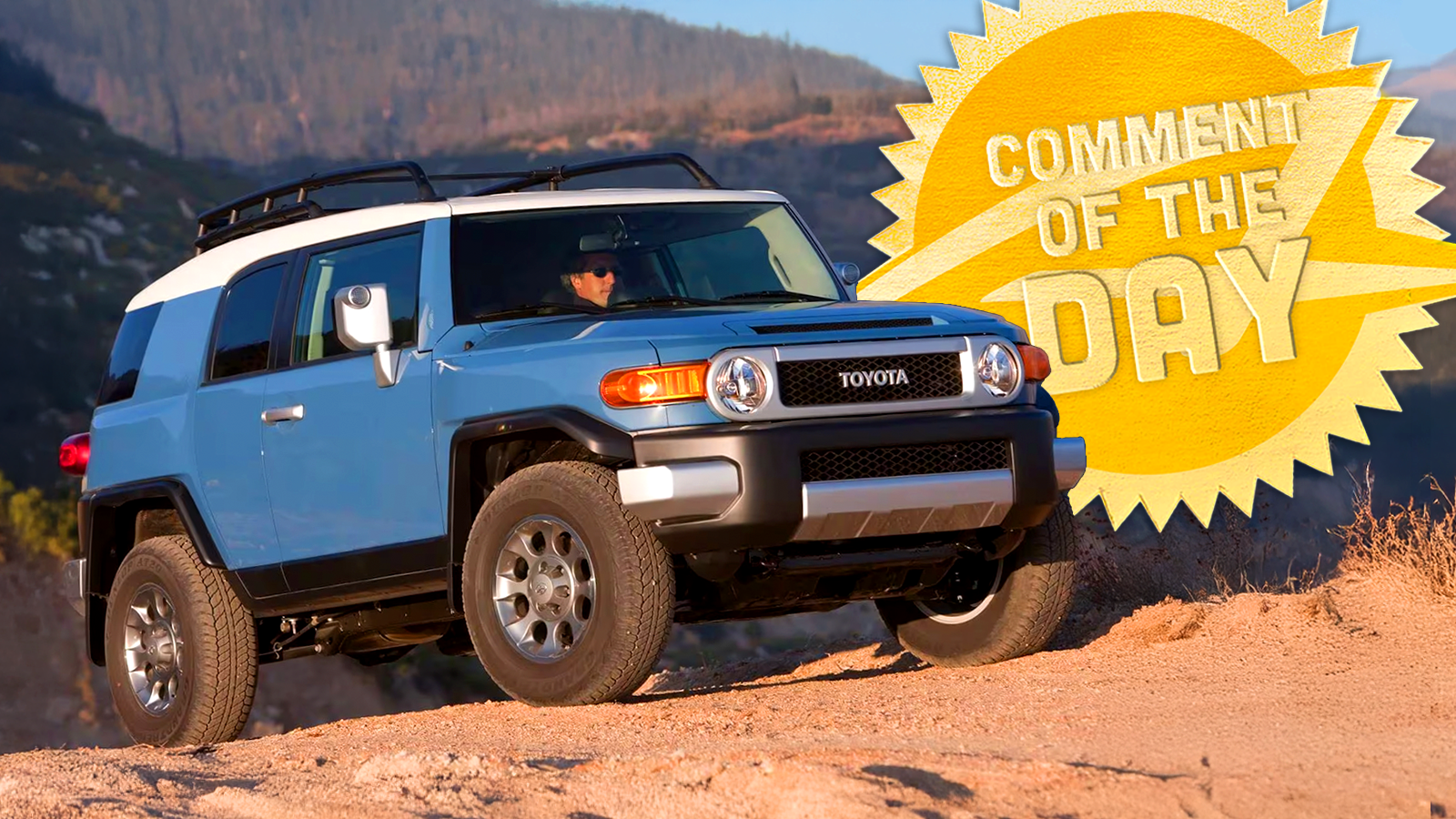
Credit: www.theautopian.com
Credit: www.fjcruiserforums.com
Frequently Asked Questions
How Many Miles Can A Toyota Fj Cruiser Last?
A well-maintained Toyota FJ Cruiser can last over 250,000 miles. Regular maintenance, including oil changes and timely repairs, is crucial. Many owners report reaching this mileage with minimal issues. It’s a durable vehicle known for its longevity and reliability, making it a great choice for long-term use.
What Is The Lifespan Of A Toyota Fj Cruiser?
The lifespan of a Toyota FJ Cruiser typically ranges from 15 to 20 years. This depends on regular maintenance and driving habits. With proper care and attention, these vehicles often exceed this range. Their robust build and reliable engineering contribute to their extended lifespan.
Are Toyota Fj Cruisers Expensive To Maintain?
Toyota FJ Cruisers are relatively affordable to maintain. Routine maintenance costs are comparable to other SUVs. Parts are widely available, which helps keep repair costs down. Regular upkeep is key to avoiding expensive repairs. Overall, they offer a good balance of maintenance costs and durability.
What Common Problems Do Fj Cruisers Face?
FJ Cruisers may face issues like rust, especially in older models. Electrical problems and transmission issues can also arise. Regular maintenance helps prevent these issues. Owners should address rust early and ensure electrical systems are checked periodically. Despite these issues, the FJ Cruiser remains reliable.
Conclusion
Toyota FJ Cruisers last a long time with proper care. Regular maintenance keeps the engine and parts strong. Many owners drive them for over 200,000 miles. The vehicle’s simple design helps avoid frequent problems. Driving gently also extends its life.
Parts are easy to find and fix. Overall, the FJ Cruiser offers reliable performance for years. This makes it a smart choice for adventure lovers. Take care of it, and it will serve you well. Longevity depends on how you treat the vehicle.
A well-kept FJ Cruiser can last beyond expectations.