Are you a fan of delicious, juicy ribs but unsure how long they stay fresh in the fridge? If you’ve ever vacuum sealed your ribs to preserve their mouthwatering flavor, you’re likely wondering how long they can actually last before it’s time to cook or freeze them.
This is a question that many home cooks face, and getting it right is key to enjoying safe and tasty meals. In this blog post, you’ll discover not only the shelf life of vacuum sealed ribs in the fridge, but also expert tips to ensure they remain at their best for as long as possible.
Stay with us to learn how to maximize the freshness and savor every bite of your perfectly preserved ribs.
Credit: www.ruralsprout.com
Vacuum Sealing Basics
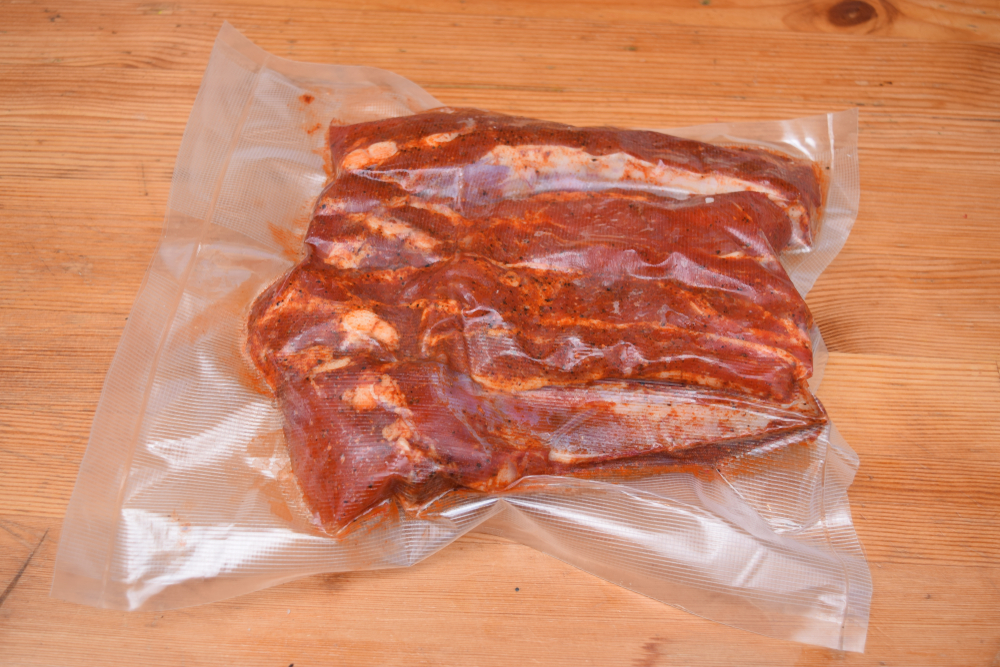
Vacuum sealing is a popular method to keep ribs fresh for longer. It removes air and protects meat from spoilage. This process slows down bacteria growth and keeps the ribs juicy. Understanding vacuum sealing helps you store ribs safely in the fridge.
How Vacuum Sealing Works
Vacuum sealing removes air from the package around the ribs. A machine sucks out all the air and seals the bag tightly. Without air, bacteria and mold cannot grow easily. This stops the ribs from going bad quickly. The tight seal also prevents moisture loss.
Benefits For Meat Preservation
Vacuum sealing keeps ribs fresh much longer than regular wrapping. It protects ribs from freezer burn and drying out. The ribs keep their flavor, texture, and color better. This method reduces food waste by extending shelf life. It also saves space in the fridge or freezer.

Credit: www.yahoo.com
Shelf Life Of Vacuum Sealed Ribs
Vacuum sealing ribs helps keep them fresh longer by removing air. This slows down bacteria growth and preserves flavor. Knowing how long vacuum sealed ribs last is important for safe storage and best taste.
In The Refrigerator
Vacuum sealed ribs stay fresh in the fridge for about 1 to 2 weeks. The vacuum seal prevents air from spoiling the meat quickly. Keep the temperature below 40°F (4°C) for safe storage.
Check for any off smells or slimy texture before cooking. If the ribs look or smell bad, discard them to avoid food poisoning.
In The Freezer
Freezing vacuum sealed ribs can extend their shelf life up to 2 to 3 years. The vacuum seal protects ribs from freezer burn and moisture loss. Store ribs at 0°F (-18°C) or lower for best results.
Label the package with the date to track storage time. Thaw ribs in the fridge for safe cooking after freezing.
Factors Affecting Ribs’ Freshness
Understanding the factors that affect the freshness of vacuum sealed ribs in your fridge can save you from unpleasant surprises. Several elements play a role in how long your ribs stay safe and tasty. Paying attention to these details can help you enjoy your ribs at their best without wasting food.
Quality Of Meat Before Sealing
The freshness of the ribs before you vacuum seal them greatly impacts their shelf life. If the meat was already close to its expiration or stored improperly, sealing won’t reverse any spoilage.
Choose ribs that look firm, have a bright red or pink color, and don’t smell off. Even a small hint of sourness or sliminess means the ribs won’t last long, no matter how well sealed.
Storage Temperature
Your fridge’s temperature directly affects how long vacuum sealed ribs will stay fresh. The ideal fridge temperature is between 34°F and 40°F (1°C to 4°C). Any higher and you risk faster bacterial growth; any lower and you might freeze the ribs unintentionally.
Have you ever noticed your fridge temperature fluctuating? That can happen if the door is left open too long or if the appliance is overloaded. Keeping a fridge thermometer can help you monitor and maintain the perfect environment.
Seal Integrity
The vacuum seal is your ribs’ main protection against air and bacteria. If the seal is weak or broken, air will sneak in and cause the ribs to spoil faster.
Check the bag carefully after sealing. Look for wrinkles, tears, or any soft spots where air might have entered. If you see any, reseal the ribs immediately to extend their shelf life.

Credit: www.yahoo.com
Signs Of Spoiled Vacuum Sealed Ribs
Vacuum sealed ribs can last longer than regular stored ribs. Still, knowing the signs of spoilage is important. Spoiled ribs can cause food poisoning and ruin your meal. Watch for changes in appearance, smell, and texture. These signs help you decide if the ribs are safe to eat.
Visual Changes
- Look for any color changes, such as gray or green spots.
- Check for slimy or sticky surfaces on the meat.
- Notice if the vacuum seal is broken or swollen.
- Inspect for mold or unusual patches on the ribs.
Smell And Texture
- Smell the ribs after opening the package.
- A sour or rotten odor means spoilage.
- Fresh ribs have a mild, meaty smell.
- Touch the ribs to check firmness.
- Slimy or mushy texture shows the ribs are bad.
Tips For Storing Vacuum Sealed Ribs
Storing vacuum sealed ribs properly can extend their freshness and keep them safe to eat. You might think sealing them is enough, but how you handle and refrigerate them matters just as much. Let’s dive into practical tips that help you make the most out of your vacuum sealed ribs.
Proper Refrigeration Practices
Keep your vacuum sealed ribs in the coldest part of the fridge, usually near the back or on the bottom shelf. This area stays consistently cold and slows bacterial growth. Avoid placing them in the fridge door where temperature fluctuates.
Maintain your fridge temperature at or below 40°F (4°C). Use a fridge thermometer to check regularly—this small step can prevent spoilage. Also, store ribs flat to keep the seal intact and prevent juices from leaking.
Have you ever noticed your ribs tasting off even though they were vacuum sealed? It could be because the fridge wasn’t cold enough. Trust your fridge’s temperature control; it’s your first line of defense.
Avoiding Cross-contamination
Keep vacuum sealed ribs separate from raw vegetables, ready-to-eat foods, and other meats. Even a tiny leak can transfer bacteria. Use separate shelves or containers to avoid any risk.
Before handling the ribs, wash your hands thoroughly. Use clean utensils and cutting boards designated for raw meat to prevent cross-contamination. If you’ve touched raw ribs, clean surfaces immediately.
Have you ever stored meat next to salad ingredients and wondered if it’s safe? Imagine the risk of bacteria spreading—it’s worth the extra effort to keep these items apart. Your health depends on these small actions.
Reheating And Cooking Vacuum Sealed Ribs
Reheating and cooking vacuum sealed ribs require care to keep their flavor and texture. Proper handling ensures ribs stay juicy and safe to eat. Follow simple steps to thaw and cook ribs perfectly every time.
Safe Thawing Methods
Thaw ribs slowly for the best taste and safety. Avoid thawing at room temperature to stop bacteria growth. Use one of these safe methods:
- Place ribs in the fridge for 12 to 24 hours until fully thawed.
- Submerge the vacuum sealed bag in cold water, changing water every 30 minutes.
- Use the defrost setting on a microwave if you plan to cook ribs immediately.
Thawing in the fridge is the safest and keeps ribs fresh longer.
Cooking Time And Temperature
Cook ribs slowly to break down the meat for tenderness. Use low heat and allow enough time.
- Preheat oven or grill to 225°F to 250°F (107°C to 121°C).
- Cook ribs for 2.5 to 3 hours, depending on size and thickness.
- Use a meat thermometer to check for an internal temperature of 195°F to 203°F (90°C to 95°C).
Rest ribs for 10 minutes before serving to keep juices inside. This process makes ribs tender and flavorful.
Frequently Asked Questions
How Long Do Vacuum Sealed Ribs Last In The Fridge?
Vacuum sealed ribs typically last 1 to 2 weeks in the fridge. The vacuum seal slows bacterial growth and keeps ribs fresh longer than regular storage.
Can Vacuum Sealing Extend Ribs’ Fridge Shelf Life?
Yes, vacuum sealing can extend ribs’ fridge shelf life by up to a week. It reduces air exposure, preventing spoilage and freezer burn.
How To Tell If Vacuum Sealed Ribs Went Bad?
Check for off smells, slimy texture, or discoloration. If any signs appear, discard the ribs immediately to avoid foodborne illness.
Should Vacuum Sealed Ribs Be Refrigerated Immediately?
Yes, vacuum sealed ribs must be refrigerated promptly after sealing. Keeping them cold prevents bacteria growth and maintains quality and safety.
Conclusion
Vacuum sealed ribs last longer in the fridge than fresh ones. Usually, they stay good for about 1 to 2 weeks. Keep the fridge temperature at or below 40°F (4°C) for best results. Always check the ribs for any strange smell or color before cooking.
Proper storage helps keep the ribs safe and tasty. Remember, freezing ribs extends their shelf life even more. Store them well and enjoy delicious meals without worry. Safe handling is key to enjoying ribs at their best.