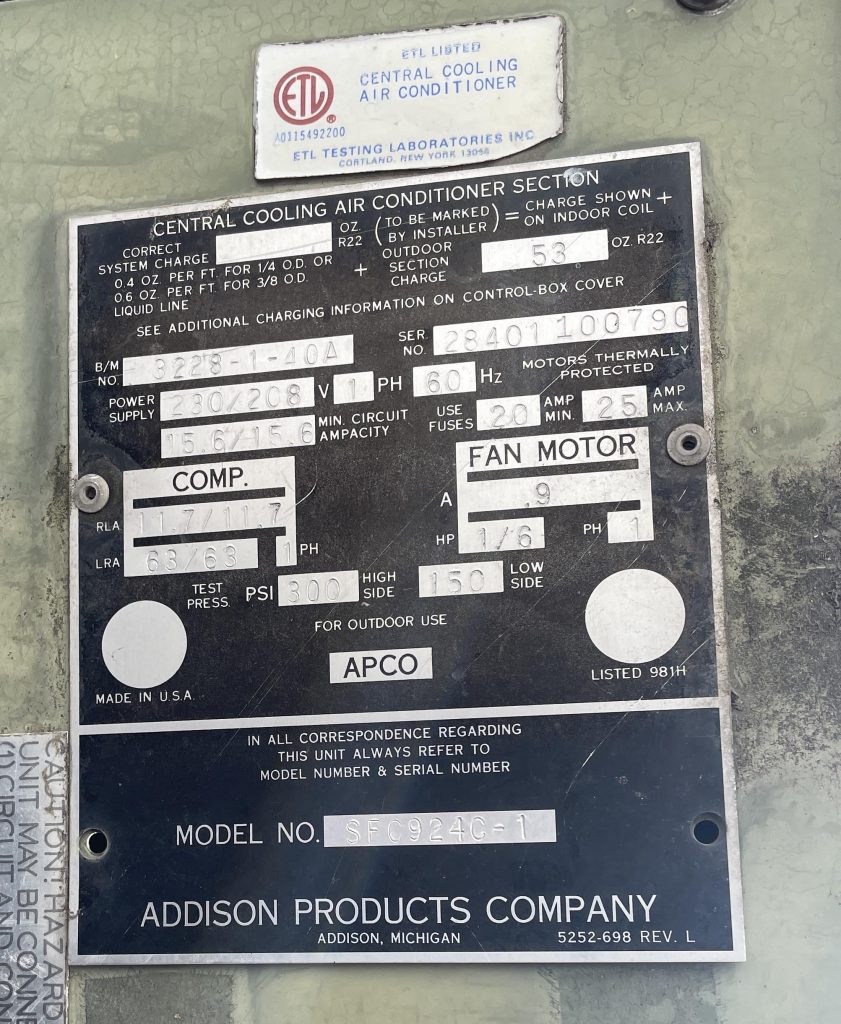
Have you ever wondered how long your air conditioner will keep your home cool and comfortable? Knowing the typical lifespan of an air conditioner can help you plan for repairs, replacements, and avoid unexpected breakdowns.
You’ll discover the factors that affect how long your unit lasts and what signs to watch for when it’s time to consider a new one. Keep reading to make sure your cool comfort lasts as long as possible.

Credit: www.reddit.com
Average Lifespan Of Air Conditioners
Air conditioners help keep homes cool in hot weather. Each type lasts for a different time. Knowing the average lifespan helps with planning repairs or replacements.
This guide covers four common air conditioner types and how long they usually last.
Central Air Conditioners
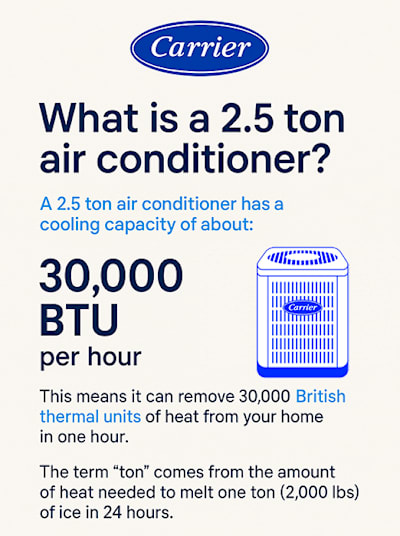
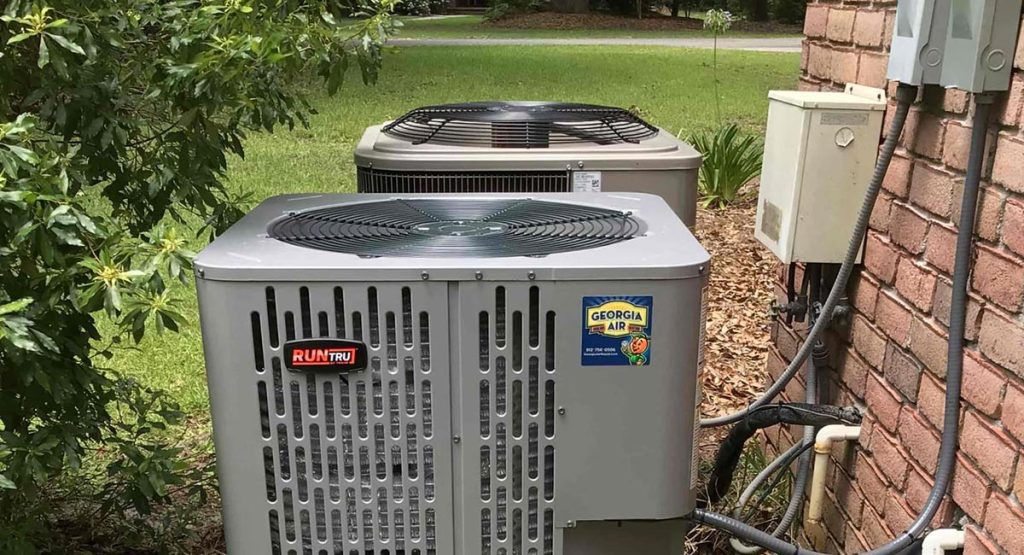
Central air conditioners cool entire homes using ducts. They are common in many houses. Their lifespan depends on use and maintenance.
- Typical lifespan ranges from 12 to 15 years.
- Regular filter changes can extend life.
- Proper installation is important for durability.
- Annual professional checkups help avoid major problems.
Window Air Conditioners
Window air conditioners fit in window frames to cool single rooms. They are easy to install and remove.
| Model Type | Average Lifespan |
| Basic Window AC | 8 to 10 years |
| High-Efficiency Window AC | 10 to 12 years |
Portable Air Conditioners
Portable air conditioners cool small spaces and can be moved easily. They are good for temporary use or renters.
These units usually last less than other types but are convenient.
- Average lifespan is about 8 years.
- Regular cleaning of filters is needed.
- Proper storage in winter can increase lifespan.
Ductless Mini-split Systems
Ductless mini-split systems cool rooms without ducts. They have an outdoor unit and one or more indoor units.
| Feature | Details |
|---|---|
| Average Lifespan | 12 to 20 years |
| Maintenance | Clean filters every 1-3 months |
| Benefits | Energy efficient and flexible installation |
Credit: www.carrier.com
Factors Affecting Air Conditioner Longevity
Air conditioners do not last the same in every home. Many things affect how long they work well.
Knowing these factors helps you take care of your unit and plan for replacements.
Usage Frequency And Duration
How often and how long you run your air conditioner changes its life span. Units used all day every day wear out faster.
- Running the AC only when needed saves wear.
- Shorter daily use extends the unit’s life.
- Using a thermostat to control cycles helps reduce runtime.
Maintenance Practices
Good maintenance keeps your air conditioner working longer. Cleaning and fixing small issues stops big problems.
- Change or clean filters monthly.
- Check refrigerant levels yearly.
- Clear debris from outdoor units.
- Schedule professional inspections annually.
Quality Of Installation
How well the AC is installed affects its durability. Poor setup can cause early breakdowns.
| Installation Factor | Effect on Longevity |
|---|---|
| Proper Sizing | Prevents overworking and saves energy |
| Correct Refrigerant Charge | Ensures efficient cooling and less wear |
| Good Duct Sealing | Improves airflow and system performance |
| Level Placement | Reduces strain on compressor and parts |
Environmental Conditions
Where you live affects your air conditioner. Hot, humid, or dusty places can shorten its life.
- High heat makes the system work harder.
- Humidity can cause corrosion inside parts.
- Dust and dirt block airflow and damage components.
- Salt air near oceans causes rust faster.
Brand And Model Differences
Some brands and models last longer due to better parts and design. Research helps pick reliable units.
- Higher quality brands often use durable materials.
- Models with energy-saving features tend to run less.
- Warranty length can hint at expected lifespan.
Signs Your Air Conditioner Is Aging
Air conditioners usually last about 10 to 15 years. Over time, they start to lose their ability to cool your home well. It is important to notice the signs of aging early.
Knowing these signs can help you decide if it is time to repair or replace your unit. Here are common ways to tell if your air conditioner is getting old.
Decreased Cooling Efficiency
If your air conditioner does not cool your home like before, it may be aging. The system may take longer to reach the set temperature. You might feel warm spots in some rooms.
Reduced cooling means the parts inside the unit are wearing out. Dirt buildup or low refrigerant can also cause this problem.
Rising Energy Bills
An older air conditioner uses more energy to work. You may notice your electric bill goes up even if you use the same amount of cooling. This happens because the unit works harder to cool your home.
Higher energy use can be a clear sign that your air conditioner is not running efficiently anymore.
Frequent Repairs
If you call a technician often to fix your air conditioner, it is likely aging. Older units break down more and need more parts replaced. This can add up to high repair costs over time.
Frequent repairs might mean it is better to invest in a new air conditioner instead of fixing the old one repeatedly.
Unusual Noises And Odors
Strange sounds like grinding, squealing, or banging can show your air conditioner is aging. These noises usually come from worn-out parts or loose components. Bad smells may also come from mold or burnt wires.
Pay attention to these signs as they can mean the unit is failing and needs service or replacement soon.
Extending Your Air Conditioner’s Lifespan
Air conditioners usually last about 10 to 15 years. You can help yours last longer by caring for it well.
Simple habits and regular checks keep your AC running efficiently and prevent early breakdowns.
Regular Maintenance Tips
Cleaning your AC often stops dirt from building up. Dirt makes your unit work harder.
Check and clean coils, fins, and drains to keep the system healthy.
- Turn off power before cleaning
- Clear debris around outdoor unit
- Clean evaporator and condenser coils
- Check and straighten bent fins
- Clear clogged drain lines
Filter Replacement Schedule
Changing filters regularly helps air flow well. Dirty filters reduce cooling and strain the AC.
Replace filters every 1 to 3 months depending on use and filter type.
- Check filters monthly during heavy use
- Use high-quality filters for better air
- Follow manufacturer’s filter schedule
Professional Inspections
Have an expert check your AC yearly. They spot small problems early before they grow.
Technicians clean parts, check refrigerant, and test system performance.
- Schedule inspections before summer or winter
- Ask for refrigerant level checks
- Request system efficiency testing
Proper Usage Habits
Use your air conditioner wisely to avoid extra wear. Don’t set it too cold or run it nonstop.
Turn off the AC when you leave and close windows and doors to keep cool air inside.
- Set thermostat between 24°C and 26°C (75°F to 78°F)
- Use fans to help cool rooms
- Close curtains to block sunlight
- Turn off AC in empty rooms
When To Repair Vs Replace
Air conditioners usually last about 10 to 15 years. Knowing when to fix or replace your AC can save money and keep your home comfortable.
Older units may need more repairs and use more energy. Deciding between repair or replacement depends on several factors.
Cost Of Repairs Vs New Unit
Repair costs can add up if your air conditioner is old or has many problems. Sometimes fixing one issue leads to another later.
Buying a new unit may cost more at first but can be cheaper over time. New units come with warranties and need fewer repairs.
- Repair if the cost is less than half the price of a new unit
- Replace if repairs are frequent or expensive
- Consider replacement if the unit is over 10 years old
Energy Efficiency Considerations
Older air conditioners use more electricity. New models save energy and lower utility bills.
Replacing an old unit improves efficiency and reduces your home’s energy use. This helps save money and natural resources.
- New units have higher SEER ratings (Seasonal Energy Efficiency Ratio)
- Energy-efficient units use less power to cool the same space
- Improved technology means quieter and better performance
Impact On Home Comfort
Old air conditioners may not cool your home evenly or properly. They can cause hot spots or excess humidity.
New units provide better temperature control and air quality. This keeps your home comfortable all day.
- Improved airflow reduces hot and cold spots
- Better humidity control prevents mold and dampness
- Modern systems often include smart thermostats for easy control
Environmental Impact
Older air conditioners use refrigerants that harm the environment. They also waste more energy.
New units use eco-friendly refrigerants and consume less power. This reduces your home’s carbon footprint.
- New units use safer refrigerants like R-410A
- Lower energy use means fewer greenhouse gas emissions
- Proper disposal of old units prevents harmful leaks
Choosing A Long-lasting Air Conditioner
Air conditioners vary in how long they last. Choosing the right one helps you save money and avoid repairs. This guide explains key factors to pick a durable air conditioner.
Focus on energy ratings, warranty, brand reputation, and modern features. These points help you find a model that works longer and stays efficient.
Energy Star Ratings
Look for air conditioners with Energy Star ratings. These models use less power and run cooler. This reduces wear and tear on the parts.
- Energy Star units meet strict efficiency rules.
- They use advanced technology to save energy.
- Lower energy use means less strain on the system.
- They often last longer than non-rated models.
Warranty And Service Plans
A good warranty protects your purchase. It covers repairs for several years. Check what parts and labor are included. Service plans can extend coverage and keep your unit in top shape.
| Warranty Type | Coverage Length | Notes |
| Basic Warranty | 1-2 years | Covers parts only |
| Extended Warranty | 5-10 years | Includes parts and labor |
| Service Plan | Varies | Regular maintenance and repairs |
Trusted Brands
Pick brands known for quality and reliability. Trusted brands use durable parts and test their units well. They also have good customer support. This helps fix issues faster.
- Check reviews and ratings from users.
- Choose brands with long history in air conditioning.
- Look for availability of spare parts.
- Consider brands with strong local service networks.
Modern Features Enhancing Durability
New air conditioners come with features that extend life. These include smart sensors, corrosion-resistant parts, and variable speed compressors. Such features reduce stress on the system.
| Feature | Benefit |
|---|---|
| Smart Thermostats | Adjust cooling to reduce wear |
| Corrosion-Resistant Coils | Prevent rust and damage |
| Variable Speed Compressors | Run only as needed to save energy |
| Self-Diagnosis | Detects problems early |
Credit: www.georgiaairrepair.com
Frequently Asked Questions
How Long Does A Typical Air Conditioner Last?
A typical air conditioner lasts about 10 to 15 years. Proper maintenance can extend its lifespan beyond 15 years. Regular cleaning and timely repairs help keep it efficient and durable.
What Factors Affect Air Conditioner Lifespan?
Factors like usage frequency, maintenance quality, and installation impact lifespan. Climate and model type also influence how long an AC unit lasts. Proper care is essential for maximum longevity.
When Should You Replace Your Air Conditioner?
Replace your AC if it’s over 15 years old or needs frequent repairs. High energy bills and poor cooling efficiency also indicate it’s time for replacement.
How Does Maintenance Impact Air Conditioner Durability?
Regular maintenance prevents breakdowns and improves performance. Cleaning filters and checking refrigerant levels extend the AC’s life. Neglecting maintenance reduces efficiency and shortens lifespan.
Conclusion
Air conditioners usually last about 10 to 15 years. Proper maintenance extends their life. Regular check-ups prevent costly repairs. An efficient unit saves money on energy bills. Consider replacing old models for better performance. Newer units offer improved energy efficiency.
Investing in a good AC pays off in the long run. Choose the right size for your home. Avoid overworking your unit for longer life. Stay cool and comfortable with a well-maintained air conditioner. Remember, a little care goes a long way in ensuring a lasting AC system.