Have you ever wondered why your air conditioner suddenly stops working or struggles to start? One common culprit behind these issues is the air conditioner capacitor.
But how long does an air conditioner capacitor last, and how can you tell when it’s time to replace it? Understanding this small but vital part can save you from unexpected breakdowns and costly repairs. You’ll discover everything you need to know about the lifespan of your AC capacitor and how to keep your cooling system running smoothly all year round.
Keep reading—you don’t want to miss these essential tips!

Credit: northnjhvac.com
Air Conditioner Capacitor Basics
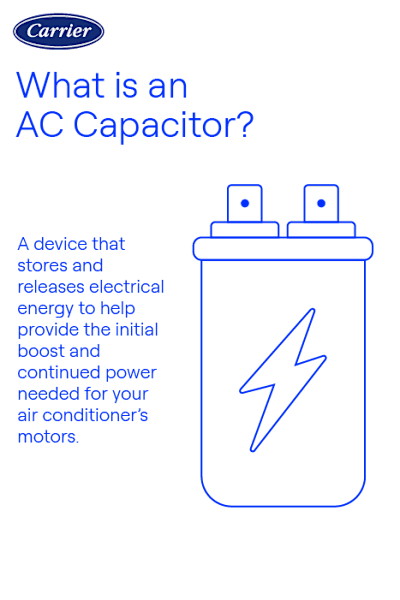
The capacitor in an air conditioner helps start the motor and keep it running. It stores electrical energy and releases it when needed.
Knowing how capacitors work can help you understand your AC’s performance and lifespan.
Role In Ac Function
The capacitor gives the extra push to start the compressor and fan motors. It helps the motors run smoothly and efficiently.
- Stores electrical charge to release when the motor starts
- Keeps the motor running by maintaining a steady power supply
- Improves energy efficiency of the air conditioner
- Prevents the motor from overheating or stalling
Types Of Capacitors
Air conditioners use different types of capacitors. Each type serves a specific role in the unit.
| Capacitor Type | Function | Common Use |
| Start Capacitor | Provides a large boost to start motors | Compressor motor |
| Run Capacitor | Keeps motors running efficiently | Fan and compressor motors |
| Dual Capacitor | Combines start and run functions | Fan and compressor motors in one unit |
Factors Affecting Capacitor Lifespan
The lifespan of an air conditioner capacitor depends on many factors. Knowing these helps you maintain your AC better.
Some factors make capacitors wear out faster. Others help them last longer.
Heat Exposure
Heat is one of the main reasons capacitors fail early. High temperatures cause the capacitor’s material to break down.
Capacitors inside an AC unit face heat from the motor and outside environment. The hotter it is, the shorter the lifespan.
Voltage Fluctuations
Voltage spikes or drops stress the capacitor. These changes cause damage and reduce how long it works well.
- High voltage can cause the capacitor to burst.
- Low voltage may lead to slow failure.
- Frequent changes speed up wear and tear.
Frequency Of Use
The more you use your air conditioner, the faster the capacitor wears out. Constant use creates more stress on it.
| Usage Level | Expected Capacitor Life |
| Low (few hours/week) | 7-10 years |
| Moderate (daily use) | 5-7 years |
| High (all day, every day) | 3-5 years |
Quality And Brand
Capacitors from well-known brands usually last longer. They use better materials and have stronger designs.
Tips to choose a good capacitor brand:
- Check customer reviews and ratings.
- Look for product warranty details.
- Choose brands recommended by HVAC professionals.
Average Lifespan Expectancy
An air conditioner capacitor helps start and run the compressor and fan motor. It is a small but important part of the AC unit. Knowing how long it lasts can help you plan for replacement.
Most capacitors have a limited lifespan. This depends on usage, weather, and quality. Regular checks can prevent unexpected failures.
Typical Duration Range
Air conditioner capacitors usually last between 7 and 12 years. Some may fail earlier due to heat or electrical issues. Others can work longer if kept in good conditions.
- Average lifespan: 7 to 12 years
- High heat can shorten life
- Quality capacitors last longer
- Frequent AC use wears it faster
Signs Of Aging Capacitors
Capacitors show signs before they stop working. Early signs help you avoid a full AC breakdown. Watch for these common problems.
- AC takes longer to start
- Fan or compressor runs slower
- Humming noise from the unit
- Unit stops working suddenly
- Visible bulging or leaking on capacitor
Testing And Diagnosing Capacitor Health
The air conditioner capacitor helps start the compressor and fan motors. Over time, capacitors can wear out and fail. Testing a capacitor can tell if it still works or needs replacement.
Knowing how to check a capacitor can save time and prevent damage. It is important to do the tests safely and correctly.
Tools Required
You need a few tools to test an air conditioner capacitor. These tools help measure the capacitor’s electrical properties safely.
- Multimeter with capacitance testing feature
- Insulated screwdriver
- Needle-nose pliers
- Safety gloves and goggles
- Flashlight (if working in dark areas)
Step-by-step Testing Process
First, turn off the power to the air conditioner at the breaker box. This stops any electricity from flowing during the test.
Next, discharge the capacitor to remove stored electricity. Use an insulated screwdriver to touch the terminals carefully.
- Set your multimeter to the capacitance mode.
- Remove the capacitor from the unit if needed.
- Connect the meter leads to the capacitor terminals.
- Read the measurement on the multimeter display.
- Compare the reading to the capacitor’s rated value on its label.
If the reading is within 6% of the rated value, the capacitor is good. A much lower or no reading means the capacitor is bad and needs replacement.
When To Call A Professional
If you do not feel comfortable working with electrical parts, call a professional. Capacitors store electricity and can cause shocks.
A technician can test and replace the capacitor safely. They can also check other parts of your air conditioner for problems.
Extending Capacitor Life
An air conditioner capacitor helps start the motor and keep it running. It can last from 5 to 10 years, but many things affect its life.
Taking care of your capacitor can save you from early replacement and costly repairs. Here are some ways to make it last longer.
Maintenance Tips
Regular checks keep the capacitor in good shape. Look for leaks, bulges, or cracks. Clean dirt and dust around the unit to avoid stress on parts.
- Turn off power before inspection
- Use a multimeter to test capacitor health
- Replace if you see swelling or leaks
- Clean area around the capacitor regularly
Proper Installation Practices
Wrong installation can shorten the capacitor’s life. Use the correct size and type for your AC model. Secure connections tightly and avoid loose wires.
| Installation Step | Importance |
| Match capacitor rating | Ensures proper voltage and capacity |
| Tighten terminal screws | Prevents electrical shorts and sparks |
| Mount securely | Reduces vibration damage |
| Avoid moisture exposure | Prevents corrosion and failure |
Environmental Considerations
Weather and location affect capacitor life. Heat, moisture, and dirt can cause early wear. Protect your AC unit from harsh conditions.
- Place the unit in shaded areas to reduce heat
- Use covers to protect from rain and dust
- Ensure good airflow around the unit
- Check for pests that can damage wiring

Credit: www.reddit.com
Replacing An Air Conditioner Capacitor
Air conditioner capacitors help the unit start and run. Over time, they wear out and need replacement. Knowing how to replace a capacitor can save you time and money.
This guide covers important safety tips, how to pick the right part, and whether to do it yourself or call a pro.
Safety Precautions
Capacitors store electrical energy even when the power is off. This can cause serious shocks. Always be careful when handling them.
Before replacing, turn off the power at the breaker box. Use a screwdriver to discharge the capacitor by touching the terminals with a metal tool.
- Wear insulated gloves and safety glasses
- Double-check power is off with a tester
- Discharge the capacitor fully before touching
- Follow manufacturer instructions carefully
Choosing The Right Replacement
Use the exact capacitor type and size your air conditioner needs. Check the voltage and microfarad (µF) rating on the old capacitor label.
Replacing with the wrong capacitor can damage your AC or reduce its efficiency. Buying from a trusted source ensures quality and safety.
- Match voltage and µF rating exactly
- Check physical size to fit in the space
- Buy from reputable suppliers
- Keep the old capacitor label for reference
Diy Vs Professional Replacement
Replacing a capacitor yourself saves money but needs care and knowledge. If unsure, hiring a professional is safer.
Professionals have tools and experience to work safely. They can also check for other issues in your AC unit during replacement.
- DIY is cheaper but risky without experience
- Professionals ensure safe and correct installation
- Pros can spot other problems early
- DIY requires proper tools and safety steps

Credit: www.frhvac.com
Frequently Asked Questions
What Affects The Lifespan Of An Ac Capacitor?
An AC capacitor’s lifespan is influenced by several factors. These include temperature fluctuations, usage frequency, and electrical surges. Regular maintenance and avoiding overheating can prolong its life. Capacitors typically last around 10 to 20 years, but these conditions can shorten that duration.
How Can I Tell If My Capacitor Is Failing?
Signs of a failing capacitor include your AC unit not starting, humming noises, or frequent cycling. If you notice these issues, check the capacitor for bulging or leaks. Regular inspections help in early detection and replacement, ensuring your AC runs efficiently.
Can I Replace An Ac Capacitor Myself?
Replacing an AC capacitor requires caution due to electrical risks. While it’s possible to do it yourself, it’s advisable to hire a professional. They ensure proper installation and safety. If you’re unfamiliar with electrical components, a professional can prevent potential hazards.
How Often Should I Check My Ac Capacitor?
It’s recommended to check your AC capacitor annually. Regular inspections can detect early signs of wear or damage. This preventative measure ensures your air conditioner’s efficiency and longevity. An HVAC professional can conduct a thorough check during routine maintenance.
Conclusion
An air conditioner capacitor usually lasts between 5 to 10 years. Its life depends on usage, weather, and maintenance. Watch for signs like slow cooling or strange noises. Replacing a bad capacitor can save your AC from bigger problems. Regular check-ups help catch issues early.
Taking care of your AC keeps it running longer and cooler. Don’t wait for a failure; stay proactive. This simple step keeps your home comfortable and your energy bills low.