Have you ever wondered why your air conditioner suddenly stops working on a hot day? One common culprit might be your AC’s capacitor.
This small but powerful part plays a crucial role in keeping your system running smoothly. But how long does an air conditioner capacitor last before it needs replacement? Understanding this can save you from unexpected breakdowns and costly repairs. Keep reading to discover the lifespan of your AC capacitor and learn how to spot the signs it’s time for a change.
Your comfort depends on it!
Air Conditioner Capacitor Basics
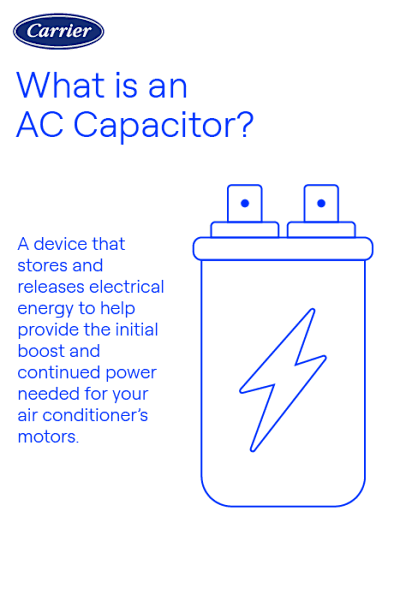
The capacitorin an air conditioner helps start and run the motor. It stores electric energyand releases it to keep the motor spinning. Without a working capacitor, the AC won’t cool properly.
There are two common types of capacitors used in air conditioners:
| Type | Function | Common Use |
|---|---|---|
| Start Capacitor | Provides extra power to start the motor | Used during compressor or fan motor start-up |
| Run Capacitor | Keeps the motor running smoothly | Works continuously while AC runs |
Factors Affecting Capacitor Lifespan
Temperatureplays a big role in a capacitor’s life. High heat can cause the capacitor to wear out faster. Cooler temperatures help it last longer. Keeping the air conditioner in a cool, shaded place can help.
Electrical stresscomes from power surges and voltage spikes. These stresses can damage the capacitor over time. Regular electrical checks can reduce this risk.
The quality and brandof the capacitor matter a lot. Well-known brands usually make parts that last longer. Cheap or low-quality capacitors may fail sooner.
Usage patternsalso affect lifespan. A unit used all day will wear out its capacitor faster than one used less often. Frequent on and off cycles can add extra stress.
Typical Lifespan Range
The average lifespanof an air conditioner capacitor is between 10 to 20 years. This depends on the quality of the capacitor and how often the AC runs. Hot and humid climates can shorten its life.
Capacitors that are well maintained and protected from heat can last longer. Frequent power surges or electrical problems can cause early failure.
| Factor | Effect on Lifespan |
|---|---|
| Quality of Capacitor | High quality lasts longer |
| Climate | Heat and humidity reduce life |
| Usage | More use means faster wear |
- Signs of wearinclude slow AC start or failure to start.
- Buzzing sounds or AC shutting off frequently can also indicate problems.
- Swollen or leaking capacitors need immediate replacement.

Credit: www.reddit.com
Testing And Diagnosing Capacitor Health
Testing an air conditioner capacitor requires a few simple tools. A multimeterthat can measure capacitance is essential. You will also need screwdriversto open the unit and insulated glovesfor safety.
Start by turning off the power to the AC unit. Discharge the capacitor by touching its terminals with a screwdriver (use caution). Remove the capacitor from the unit carefully.
Set the multimeter to the capacitance setting. Connect the probes to the capacitor terminals. The multimeter will show the capacitance value. Compare it to the value printed on the capacitor. If the reading is significantly lower or shows no value, the capacitor is likely bad.
Replace the capacitor if it shows signs of bulging, leaking, or corrosion. Also, replace if the multimeter reading is out of range. Using a faulty capacitor can cause the AC to fail or work poorly.
Maintenance Tips To Extend Lifespan
Regular inspections help spot issues early. Check the capacitor for bulges, leaks, or rust. Replace it if any damage appears. Testing the capacitor with a multimeter ensures it works well.
Environmental factors affect capacitor life. Keep the air conditioner clean and dry. Avoid placing the unit in very hot or humid places. Protect it from dust and debris to prevent damage.
Proper installation is key. Use the right size and type of capacitor for your unit. Make sure connections are tight and secure. Loose wires can cause failures and shorten lifespan.

Credit: northnjhvac.com
Cost And Replacement Insights
Replacing an air conditioner capacitor usually costs between $100 and $250. This includes parts and labor. The capacitor itself is often less than $50. Labor costs depend on the technician and location.
Many people consider a DIY replacement to save money. It can be done with basic tools and safety knowledge. But capacitors store electric charge and can be dangerous if handled wrong.
Professional service ensures safe and correct installation. Experts can also check for other issues. This reduces the chance of future breakdowns. The extra cost often brings peace of mind.
| Replacement Type | Cost Range | Pros | Cons |
|---|---|---|---|
| DIY Replacement | $20 – $50 (parts only) | Lower cost, immediate action | Risk of injury, no warranty |
| Professional Service | $100 – $250 (parts + labor) | Safe, warranty, expert check | Higher cost, scheduling needed |

Credit: www.frhvac.com
Frequently Asked Questions
What Affects The Lifespan Of An Ac Capacitor?
The lifespan of an AC capacitor is influenced by factors such as usage, environmental conditions, and maintenance. Frequent use, high temperatures, and dust accumulation can reduce its life. Regular maintenance and inspections can help extend its lifespan significantly.
How Can I Tell If My Capacitor Is Failing?
Signs of a failing capacitor include a humming noise, difficulty starting the AC, or inconsistent cooling. You might also notice increased energy bills. If you suspect capacitor issues, consult a professional for a thorough inspection.
How Often Should Ac Capacitors Be Replaced?
Typically, AC capacitors last between 10 to 20 years. Regular inspections can help determine their condition. Replacement is advised if there are signs of wear or failure. Consult a professional to ensure optimal performance.
Can I Replace An Ac Capacitor Myself?
Replacing an AC capacitor involves electrical risks and requires technical knowledge. It’s best to hire a professional technician. They ensure safe and proper installation, preventing potential hazards and ensuring your system runs efficiently.
Conclusion
An air conditioner capacitor usually lasts about 10 to 20 years. Its life depends on usage, weather, and maintenance. Watch for signs like slow cooling or strange noises. Replacing a bad capacitor can save your AC from bigger damage. Regular checks help keep your system running well.
Don’t wait for a full breakdown. Taking care of your AC now avoids costly repairs later. Simple steps extend the life of your capacitor and AC unit. Stay aware, and your home stays cool and comfortable.