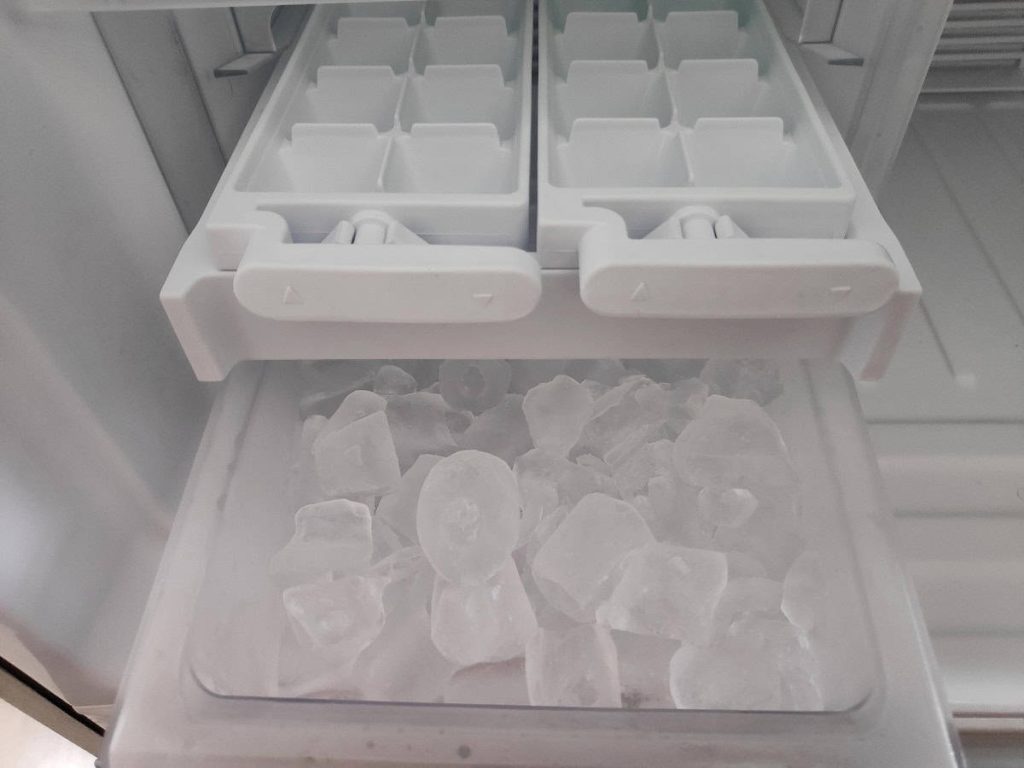
Have you ever found yourself peering into your ice maker, wondering why it seems to take forever to produce that first batch of ice? You’re not alone.
Understanding how long an ice maker takes to make ice can save you from unnecessary frustration and help you plan your gatherings or daily needs better. Whether you’re preparing for a summer barbecue or just want to enjoy a chilled drink after a long day, knowing the timeline of your ice maker can be a game-changer.
By the end of this article, you’ll have all the insights you need to optimize your ice-making process and ensure you never run out of ice when you need it most. Let’s dive into the details and unlock the secrets of your ice maker’s timing.

Credit: codysappliancerepair.com
Ice Maker Basics
Understanding ice maker basics helps you know what affects ice-making speed. Ice makers come in various types. Each type works differently but shares common features. Knowing how ice makers work explains why some make ice faster than others.
Types Of Ice Makers
- Built-in Ice Makers:Found inside refrigerators, these are common in homes.
- Portable Ice Makers:Compact and easy to move, ideal for small spaces.
- Undercounter Ice Makers:Installed under counters, used in bars and kitchens.
- Commercial Ice Makers:Large machines for businesses, producing ice quickly and in large amounts.
How Ice Makers Work
Ice makers use water and cold temperatures to produce ice cubes. Water fills a tray or mold. The machine cools the water until it freezes. Sensors detect when ice is ready and eject cubes into a storage bin. The process then starts again.
Some ice makers use a freezing plate, while others use cold air. The freezing plate method is faster and common in portable units. Cold air freezing is typical in built-in and commercial ice makers. The speed of ice making depends on water temperature, machine size, and ambient temperature.
Credit: www.vevor.ca
Factors Affecting Ice Production Time
Several factors influence how fast an ice maker produces ice. These factors can speed up or slow down the process. Understanding them helps you know what to expect and how to improve ice production.
Water Temperature
Cold water freezes faster than warm water. If the water entering the ice maker is already cold, ice forms more quickly. Warm water increases the freezing time, making the ice maker work harder.
Room Temperature
High room temperatures slow down ice production. The ice maker must work against the warm air to freeze the water. Cooler room temperatures help the ice maker create ice faster and use less energy.
Ice Maker Capacity
Ice makers come in different sizes and capacities. Larger units produce more ice but might take longer per batch. Smaller ice makers make less ice but may finish each batch faster. Choose one that fits your needs for best results.
Water Quality
Water with impurities or minerals freezes slower. Hard water can cause scale buildup inside the machine. This buildup reduces efficiency and slows down ice production. Using filtered or soft water helps maintain fast ice making.
Typical Ice Making Time
Knowing how long an ice maker takes to produce ice can save you time and frustration, especially when you need ice quickly for a party or a hot day. Ice making times vary depending on the type of ice maker you have. Let’s look at what you can expect from different machines.
Standard Home Ice Makers
Most refrigerators with built-in ice makers take about 90 to 120 minutes to produce the first batch of ice cubes. After that, they typically make a new batch every 30 to 60 minutes, depending on the model and temperature settings.
If your fridge’s ice maker is slow, check the water supply line or freezer temperature. A colder freezer speeds up ice formation but might affect your fridge’s energy use. Have you noticed your ice takes longer when your freezer is packed full?
Portable Ice Makers
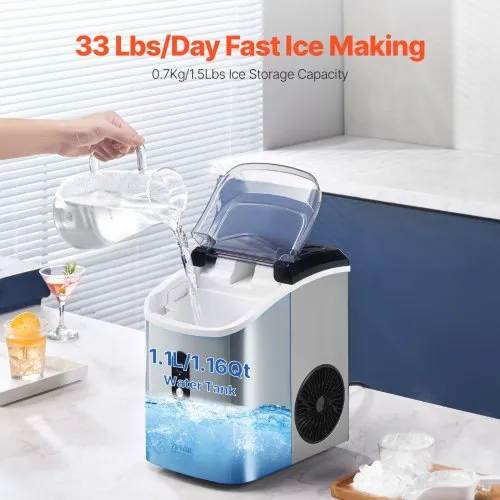
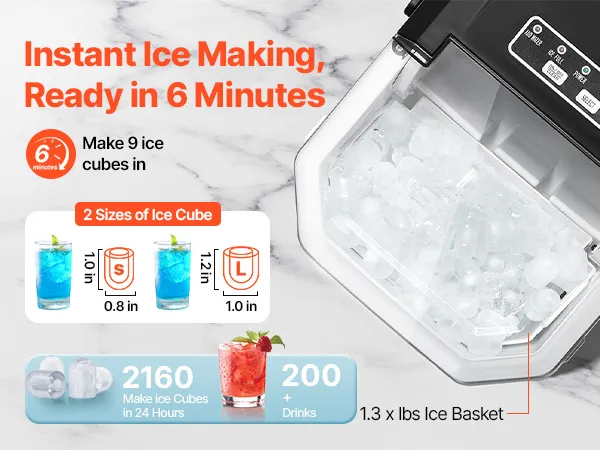
Portable ice makers are great for small spaces or when you need ice on the go. These machines usually make their first batch of ice in about 6 to 15 minutes.
After that, they can produce 9 to 12 batches of ice cubes per hour. These machines work fast but require you to add water regularly. Do you find it convenient to have ice ready in under 15 minutes for unexpected guests?
Commercial Ice Makers
Commercial ice makers are designed for high-volume ice production and can make ice much faster than home units. Depending on the size and capacity, they can produce anywhere from 50 to 500 pounds of ice per day.
Some commercial machines make ice cubes every 15 to 30 minutes, while larger units work continuously to meet demand. If you run a business, how does the ice production speed impact your daily operations?
Speeding Up Ice Production
Speeding up ice production helps you get ice faster for drinks or cooling. Small changes can make a big difference in how quickly your ice maker works. Focus on water temperature, cleanliness, and installation for best results.
Optimizing Water Temperature
Use cold water for faster ice making. Cold water freezes quicker than warm water. Keep your water source cool and fresh. Avoid using hot or room temperature water. This helps the ice maker work more efficiently and produce ice faster.
Maintaining Ice Maker Cleanliness
Clean the ice maker regularly to avoid slow ice production. Dirt and mineral buildup block water flow and reduce freezing speed. Use a mild cleaner and soft cloth for cleaning. Follow the manufacturer’s instructions for best results. A clean ice maker keeps ice production steady and fast.
Ensuring Proper Installation
Check that your ice maker is installed correctly. Proper installation improves ice production speed and machine lifespan. Make sure the unit has enough space around it for airflow. Connect to the right water supply and power source. Incorrect installation can slow down ice making or cause damage.
Troubleshooting Slow Ice Making
Slow ice making can be frustrating. It wastes time and energy. Troubleshooting helps find the problem quickly. You can fix many issues yourself. Some problems need expert help. Understanding common issues saves effort and money.
Common Issues
- Low Water Pressure:Ice makers need steady water flow. Low pressure slows ice production.
- Clogged Water Filter:Dirty filters block water. Replace filters every 6 months.
- Freezer Temperature:Ice forms best at 0°F (-18°C). Higher temps cause slow ice making.
- Ice Maker Arm Position:The arm stops ice production if stuck in the up position.
- Dirty Condenser Coils:Dust on coils reduces cooling efficiency. Clean coils regularly.
- Faulty Water Inlet Valve:A bad valve limits water flow, slowing ice making.
When To Call A Technician
Call a technician if your ice maker still makes ice slowly. Problems like electrical faults need professional tools.
Persistent water leaks or strange noises require expert inspection. Avoid DIY repairs that might cause more damage.
Technicians can diagnose internal parts and replace broken components safely. Schedule service if you notice no ice or slow production after basic checks.
Credit: www.vevor.ca
Frequently Asked Questions
How Long Does A Standard Ice Maker Take To Make Ice?
A standard ice maker typically takes 6 to 15 minutes to produce the first batch of ice. Time varies by model and temperature conditions.
Why Is My Ice Maker Taking Too Long To Make Ice?
Slow ice production can result from low water pressure, dirty filters, or a faulty thermostat. Regular maintenance helps speed it up.
How Much Ice Can An Ice Maker Produce Daily?
Most home ice makers produce between 20 to 50 pounds of ice per day, depending on size and efficiency.
Does Temperature Affect Ice Maker Production Speed?
Yes, warmer ambient temperatures slow down ice production, while colder environments help ice makers work more efficiently.
Conclusion
An ice maker usually takes about 6 to 15 minutes to make ice. The exact time depends on the machine and temperature. Cold water and a cool environment help speed up ice making. Regular cleaning keeps the ice maker working well.
Knowing how long it takes helps you plan better. You will get fresh ice when you need it. Simple care and understanding improve your ice-making experience. Enjoy cool drinks with ice ready on time.