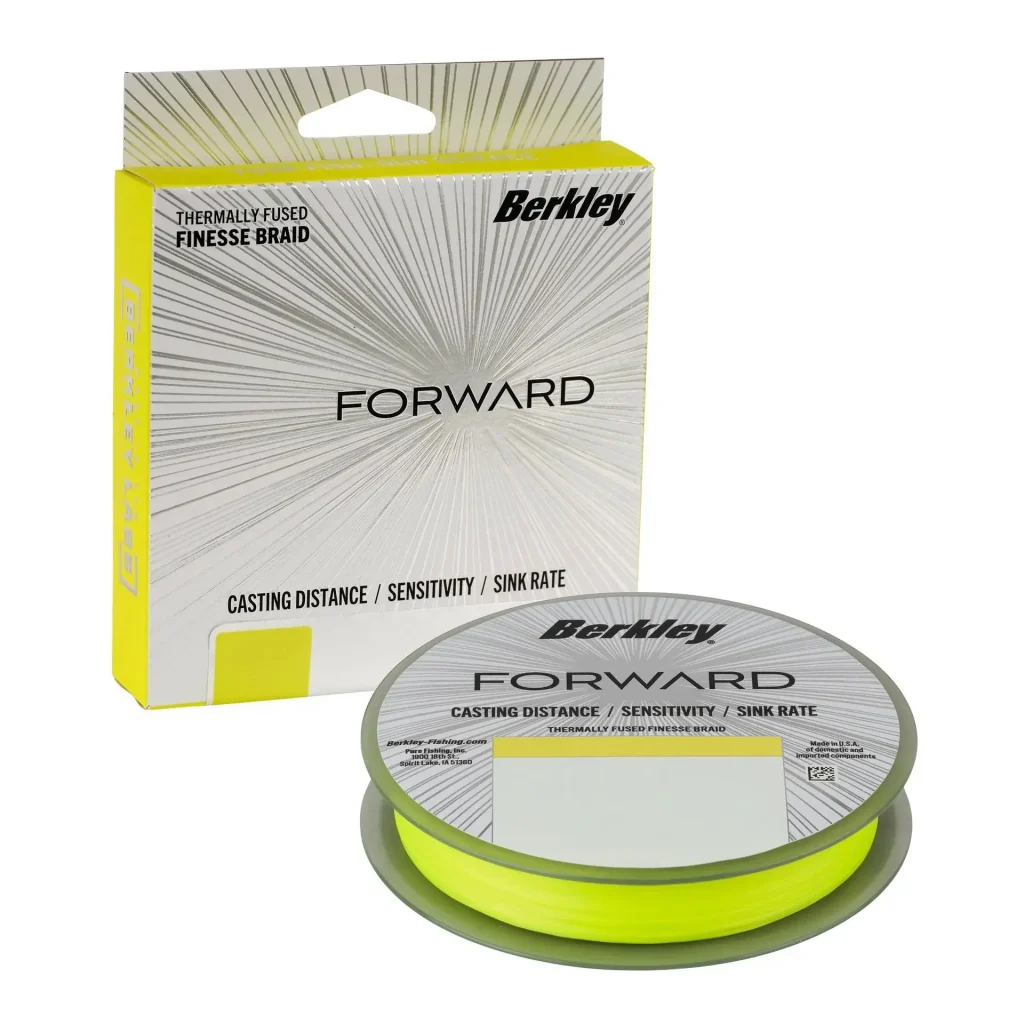
You’ve invested in quality braid fishing line, but have you ever wondered how long it really lasts? Knowing the lifespan of your braid line can save you money and keep your fishing trips smooth and successful.
If you use old or worn-out line, you risk losing your catch or facing unexpected breaks. You’ll discover the key factors that affect how long your braid fishing line stays strong and reliable. By the end, you’ll know exactly when to replace your line to get the best performance every time you hit the water.
Keep reading to protect your gear and boost your fishing game!
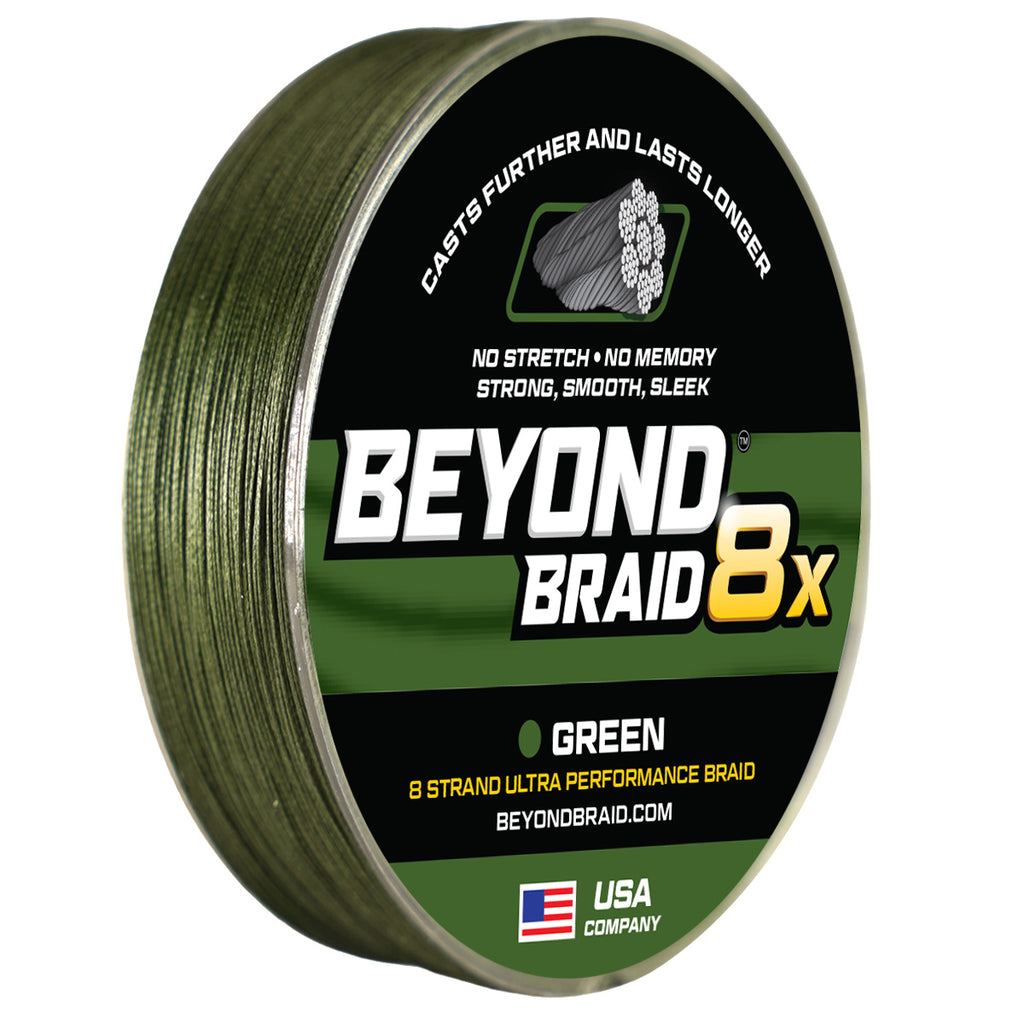
Credit: beyondbraid.com
Lifespan Of Braid Fishing Line
Braid fishing line is popular for its strength and sensitivity. Knowing how long it lasts helps anglers plan their fishing trips better.
The lifespan of braid fishing line depends on many things. This guide explains typical duration and factors that affect its longevity.
Typical Duration Under Normal Use
Under normal fishing conditions, braid fishing line usually lasts between one and two years. This depends on how often you fish and the water conditions.
- Regular anglers may need to replace the line yearly.
- Occasional use can extend the line’s life to around two years.
- Proper care, such as rinsing after saltwater use, helps maintain line quality.
Factors That Affect Longevity
Several factors reduce or extend the life of braid fishing line. Knowing these helps you keep your line strong and reliable.
| Factor | Effect on Line |
|---|---|
| Sunlight Exposure | UV rays weaken the fibers, causing line to break sooner. |
| Abrasion | Rubbing on rocks, boat parts, or fish teeth wears down the line. |
| Saltwater | Salt can cause line stiffness and degrade strength if not rinsed off. |
| Storage | Proper storage away from heat and light preserves the line longer. |
| Fishing Techniques | Aggressive casting and heavy loads can shorten line life. |
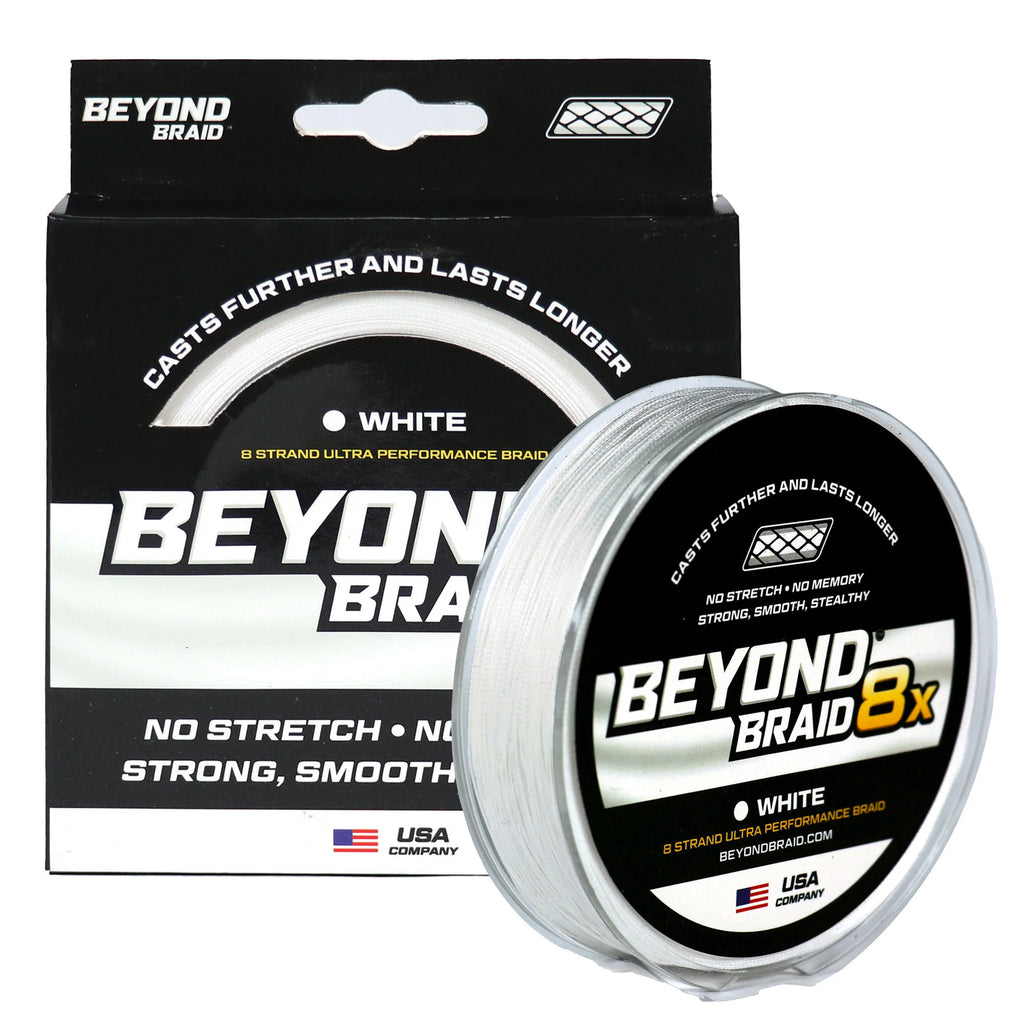
Credit: beyondbraid.com
Wear And Tear Signs
Braid fishing line is strong but not immune to damage. Over time, it shows signs of wear and tear. Knowing these signs helps you replace the line before it breaks.
Check your braid line regularly. Look for visible damage and changes in performance. This keeps your fishing safe and effective.
Fraying And Abrasion
Fraying happens when the fibers of the braid start to separate. Abrasion occurs from rubbing against rocks, boat parts, or hooks. Both weaken the line.
Frayed or abraded sections look fuzzy or rough. These parts can break easily under tension. Avoid using line with visible frays.
- Look for fuzzy or loose fibers
- Check spots that rub against surfaces
- Replace line with rough or worn areas
Loss Of Strength
Braid fishing line loses strength over time. This happens due to constant stretching and exposure to sunlight. The line may snap under less pressure than before.
Test your line by pulling it gently before fishing. If it feels weak or breaks easily, it needs replacing. Using weak line risks losing fish.
- Check line strength regularly
- Replace line if it breaks easily
- Keep line away from direct sunlight when stored
Discoloration
Discoloration shows as fading or color changes. It happens from sun exposure, dirt, and water chemicals. Discolored line may be weaker than new line.
Watch for dull or faded areas on the braid. This is a sign the line is aging and may not hold well. Changing the line before it gets too old is safer.
- Look for fading or dull color
- Discoloration means aging line
- Replace line if color changes are clear
Environmental Impacts
Braid fishing line is durable, but the environment affects its lifespan. Sunlight, water type, and temperature all play roles.
Understanding these factors helps anglers maintain their equipment for longer use.
Sunlight Exposure
Sunlight can weaken braid fishing line over time. UV rays degrade the fibers, making them brittle.
- Store lines in shaded areas
- Use protective covers when not in use
- Check for signs of wear regularly
Saltwater Vs Freshwater Effects
Saltwater can be harsher on fishing lines than freshwater. The salt causes corrosion and weakens the line.
| Water Type | Effect on Line |
| Saltwater | Increased wear and corrosion |
| Freshwater | Less corrosive, longer lifespan |
Temperature Variations
Extreme temperatures impact braid fishing line. Heat expands the fibers, while cold can make them stiff.
Storage Tips To Extend Life
Braid fishing line lasts longer with the right storage. Taking care of the line keeps it strong and reliable.
Proper storage stops damage from heat, moisture, and bad spooling. This helps you save money and fish better.
Proper Spooling Techniques
Spool your braid fishing line carefully to avoid twists and tangles. Tight and even spooling keeps the line in good shape.
Use the right tension when spooling. Too tight or too loose spooling can weaken the line over time.
- Keep the spool level and steady during spooling
- Apply gentle tension to avoid slack
- Fill the spool evenly without overloading it
Avoiding Moisture And Heat
Moisture can cause braid fishing line to degrade faster. Heat can weaken the fibers and reduce strength.
Keep the line dry and cool to keep it strong. Avoid leaving it in direct sunlight or wet places.
- Store line away from rain and humidity
- Keep line out of direct sunlight
- Do not leave line in hot cars or near heaters
Safe Storage Locations
Choose safe spots to store your braid fishing line. Proper spots protect it from damage and dirt.
Use closed containers or tackle boxes to keep the line clean. Keep it away from sharp tools or rough surfaces.
- Use sealed plastic containers or tackle boxes
- Store line in a cool, dry closet or drawer
- Keep line separate from hooks and blades
Maintenance Practices
Braid fishing line lasts longer with proper care. Simple maintenance keeps it strong and reliable.
Regular upkeep helps avoid line damage and improves fishing success.
Cleaning After Use
Saltwater and dirt can damage braid fishing line. Clean it after every trip to keep it fresh.
Use fresh water to rinse the line gently. Avoid harsh chemicals that can weaken fibers.
Regular Line Inspections
Check your braid fishing line often for signs of wear or damage. Look for frays, cuts, or thinning spots.
Inspect the line at the spool, guides, and knots. Early detection helps prevent line breaks.
- Look for fuzzy or broken fibers
- Check for discoloration or stiffness
- Feel for rough spots or damage
Replacing When Necessary
Replace braid fishing line if damage is visible or performance drops. Old line loses strength and may snap.
Change your line at least once a year or more if you fish often. Fresh line improves casting and fighting fish.
Comparing Braid To Other Lines
Braid fishing lines are popular among anglers for their strength and sensitivity. It is important to see how they compare to other types of fishing lines.
This comparison looks at durability, cost versus longevity, and performance over time for braid, monofilament, and fluorocarbon lines.
Durability Differences
Braid lines resist abrasion better than monofilament but less than fluorocarbon. They do not stretch much, which helps in strong pulls.
- Braid:High abrasion resistance, low stretch, very strong.
- Monofilament:Moderate abrasion resistance, high stretch, less strong.
- Fluorocarbon:Best abrasion resistance, low stretch, strong but can be brittle.
Cost Vs Longevity
| Line Type | Initial Cost | Expected Lifespan | Cost Efficiency |
|---|---|---|---|
| Braid | High | Long | Good |
| Monofilament | Low | Short | Moderate |
| Fluorocarbon | Moderate | Moderate | Fair |
Braid costs more but lasts longer, making it a good value over time. Monofilament costs less upfront but needs more frequent replacement.
Performance Over Time
Braid maintains strength and sensitivity better than other lines as it ages. It does not absorb water or weaken easily.
- Braid holds its strength without stretching.
- Monofilament loses strength and stretches more with use.
- Fluorocarbon can become brittle after long exposure to sunlight.
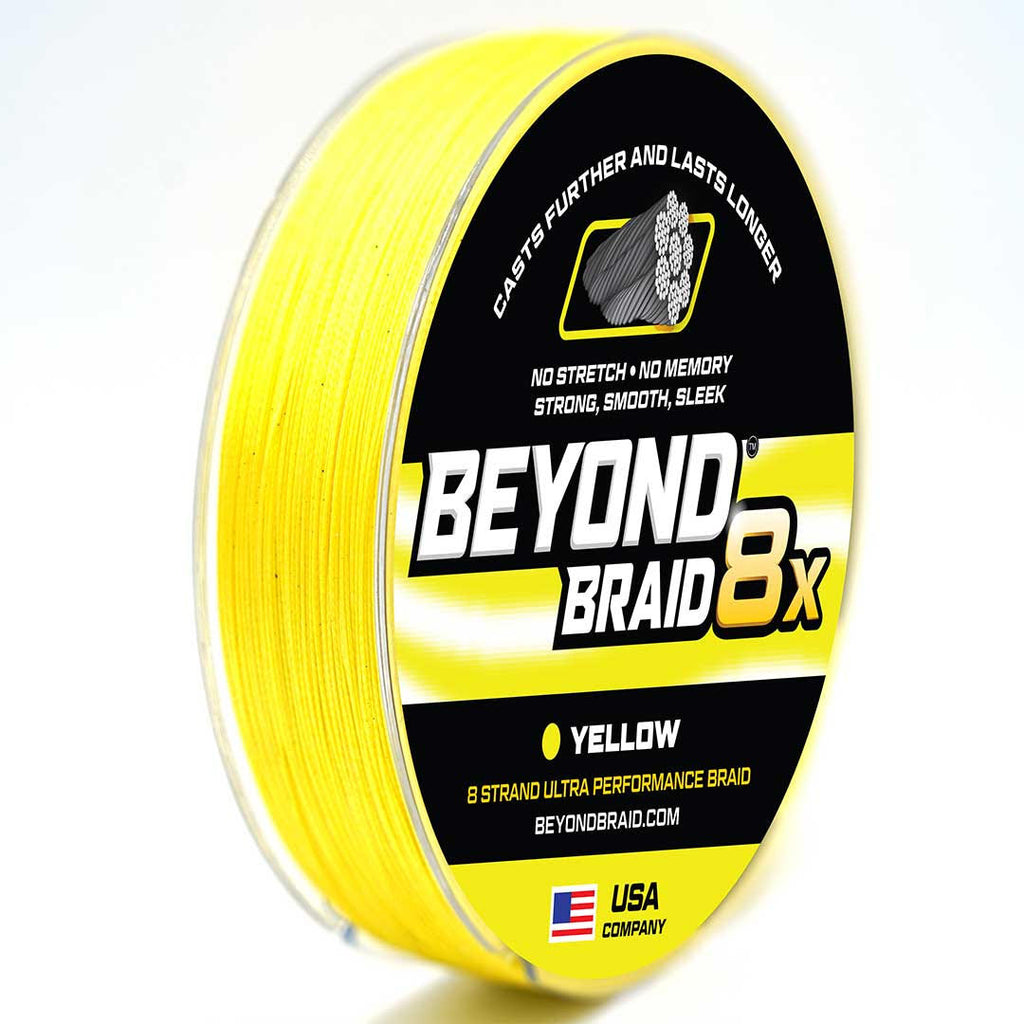
Credit: beyondbraid.com
Frequently Asked Questions
How Long Does Braid Fishing Line Last In Storage?
Braid fishing line lasts up to 3-5 years in storage. Keep it away from direct sunlight and moisture. Proper storage prevents weakening and preserves strength. Always store in a cool, dry place to extend its lifespan.
When Should I Replace My Braid Fishing Line?
Replace braid fishing line when it shows frays, abrasions, or loss of strength. Also, if it becomes discolored or stiff, it’s time to change. Regular inspection before fishing ensures optimal performance and prevents line breakage.
Does Water Exposure Shorten Braid Fishing Line Life?
Water exposure alone doesn’t significantly shorten braid line life. However, saltwater can cause faster wear and damage if not rinsed properly. Always rinse braid line with fresh water after saltwater use to maintain durability and performance.
How Does Uv Light Affect Braid Fishing Line?
UV light degrades braid fishing line fibers over time. Prolonged sunlight weakens the line, making it brittle and prone to breakage. Use UV protective covers or store the line away from sunlight to increase its lifespan.
Conclusion
Braid fishing line can last several years with proper care. Avoid exposing it to sunlight and harsh weather. Regularly check for frays or damage before fishing. Store the line in a cool, dry place to keep it strong. Change the line if it feels rough or worn out.
Good maintenance helps you fish safely and enjoy longer. Remember, taking care of your braid line saves money and improves your fishing experience. Simple steps make a big difference in line durability. Keep these tips in mind for your next fishing trip.