Are you wondering how long your braid fishing line can really last? Knowing the lifespan of your line is crucial to avoid unexpected breaks and missed catches.
Whether you’re a beginner or a seasoned angler, understanding when to replace your braid fishing line can save you time, money, and frustration. You’ll discover the key factors that affect your line’s durability and learn simple tips to make it last longer.
Keep reading to make sure your next fishing trip is smooth and successful!
Braid Fishing Line Basics
Braid fishing line is popular among anglers for its strength and sensitivity. It lasts a long time if stored and used properly.
Understanding its material, uses, and features helps anglers choose the right line for their needs.
Material Composition
Braid fishing line is made by weaving several thin fibers together. These fibers are usually made of synthetic materials.
- Polyethylene fibers, such as Spectra or Dyneema
- High-strength synthetic threads
- Coatings for abrasion resistance
Common Uses
Braid fishing line is useful for many types of fishing because of its strength and low stretch.
| Use | Description |
| Freshwater fishing | Good for catching bass, pike, and other strong fish |
| Saltwater fishing | Works well in harsh saltwater environments |
| Deep water fishing | Allows anglers to feel bites at great depths |
| Surf fishing | Handles long casts and strong waves |
Key Features
Braid fishing line offers several important features that make it popular.
- High strength with thin diameter
- Low stretch for better bite detection
- Good abrasion resistance
- Floats on water surface
- Long-lasting if stored away from sunlight and heat

Credit: www.reddit.com
Factors Affecting Durability
Braid fishing lines can last a long time if cared for properly. Several factors affect how long the line stays strong and usable.
Knowing these factors helps anglers keep their lines in good condition and avoid unexpected breaks.
Exposure To Sunlight
Sunlight contains ultraviolet (UV) rays that can weaken braid fishing lines. UV rays break down the fibers over time.
Keeping the line out of direct sunlight when not in use helps maintain its strength and durability.
- UV rays cause fibers to degrade
- Prolonged sun exposure reduces line life
- Store line in shaded or covered areas
Water Conditions
Water type can affect the braid fishing line’s lifespan. Saltwater is harsher than freshwater and can damage the line faster.
Salt can build up on the line and cause it to wear down if not rinsed off after use.
- Saltwater wears down line fibers
- Freshwater is gentler on the line
- Rinse line with fresh water after saltwater use
Abrasion And Friction
Abrasion happens when the line rubs against rough surfaces like rocks or boat edges. This causes tiny cuts in the fibers.
Friction from guides or knots also weakens the line over time. Avoid dragging the line over sharp or rough spots.
- Rubbing on rocks causes fiber damage
- Sharp edges increase wear
- Tight knots add friction stress
- Replace line if frayed or cut
Storage Practices
How you store your braid fishing line affects its life. Keep the line dry and away from heat or chemicals.
Proper storage prevents damage and keeps the line ready for use. Avoid leaving the line on the reel for long periods.
- Store line in a cool, dry place
- Avoid contact with oils or chemicals
- Keep line loosely wound to prevent memory
- Check line regularly for signs of wear
Typical Lifespan Expectancy
Braid fishing line is popular for its strength and durability. Knowing its lifespan helps anglers plan for replacements. Lifespan depends on many factors like water type and use frequency.
Understanding these factors can help you get the best value from your braid fishing line. It also ensures safety and performance during fishing trips.
Freshwater Conditions
Braid line in freshwater lasts longer than in saltwater. Freshwater has less salt and fewer harsh elements. This means the line faces less wear and tear.
On average, braid fishing line lasts about one year in freshwater if stored properly. Regular checks for damage help extend its life.
Saltwater Conditions
Saltwater is tough on braid fishing line. Salt and sun can weaken the fibers over time. This reduces the line’s strength and usability.
Typically, braid fishing line lasts six months or less in saltwater. Rinse the line with fresh water after use to help protect it.
Heavy Vs Light Use
Heavy use shortens the life of braid fishing line. Constant casting, reeling, and heavy fish strain the line. Small cuts and abrasions add up fast.
Light use lets the line last longer. Occasional fishing trips cause less wear. Store the line away from direct sunlight and dirt to keep it strong.
- Heavy use: 3 to 6 months lifespan
- Light use: 1 year or more lifespan
- Check for nicks or frays regularly
- Proper storage increases durability
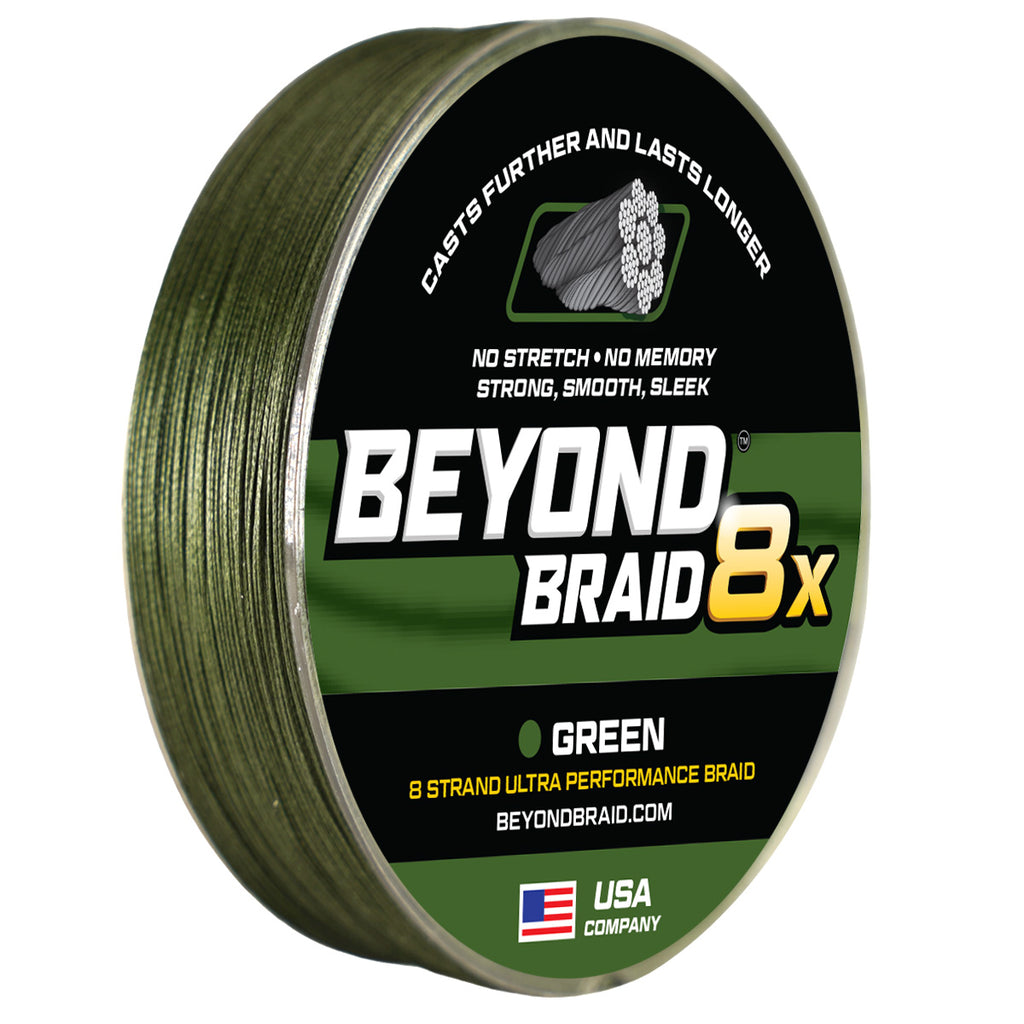
Credit: beyondbraid.com
Signs Of Wear And Tear
Braid fishing line can last a long time, but it shows wear with use. Checking for signs of damage helps keep fishing safe and effective.
Look closely at the line to find early problems. These signs tell you when it is time to replace the line.
Fraying And Cuts
Fraying happens when the fibers start to break apart. Cuts come from sharp objects or rough surfaces. Both reduce the line’s strength.
- Look for fuzzy or loose strands along the line.
- Check for small nicks or deep cuts on the surface.
- Feel the line for rough spots or uneven texture.
- Replace the line if you see big frays or cuts.
Loss Of Strength
Over time, braid line loses its original strength. This can cause the line to snap more easily.
| Cause | Effect on Line |
| Exposure to sun and saltwater | Weakens fibers, reduces durability |
| Repeated heavy loads | Stretching and fiber damage |
| Improper storage | Line can become brittle or tangled |
Color Fading
Faded color shows the line’s age and exposure to sunlight. It may still work but is less reliable.
Signs of fading:
- Line looks dull or washed out
- Colors are uneven or blotchy
- Line feels rougher than before
Replace line if fading comes with other damage signs.
Extending Braid Line Life
Braid fishing line lasts longer with proper care. Small actions keep the line strong and reliable. This helps avoid breaks and loss while fishing.
Following simple tips can extend the life of your braid line. Clean, store, and check the line regularly for best results.
Proper Cleaning Techniques
Salt, dirt, and debris can damage braid line. Cleaning removes these harmful elements and keeps the fibers intact.
- Rinse the line with fresh water after each use.
- Use a mild soap solution for stubborn dirt.
- Gently wipe the line with a soft cloth.
- Allow the line to dry completely before storage.
Ideal Storage Tips
Storing braid line correctly prevents damage from sun, moisture, and pressure. Proper storage keeps the line flexible and strong.
| Storage Condition | Effect on Braid Line |
| Cool and dry place | Prevents weakening and mold growth |
| Away from direct sunlight | Stops UV damage and fading |
| Avoid tight coils or kinks | Keeps line smooth and untangled |
Routine Inspections
Regular checks help spot wear and tear early. Replace or repair damaged line parts to avoid failure.
- Look for frays or cuts along the line.
- Check knots for slipping or loosening.
- Feel for rough spots or stiffness.
- Test the line’s strength by pulling gently.
- Replace line sections showing damage.
When To Replace Your Braid Line
Braid fishing line is strong and lasts long, but it does wear out. Knowing when to replace it keeps fishing safe and fun.
Watch for signs that your braid line needs changing. This helps avoid losing fish or gear.
Performance Drop
Your braid line may feel different while fishing. If casting distance gets shorter or control drops, it might be time to replace it.
Old braid can lose its smoothness and strength. This lowers your fishing success and can cause line breaks.
Visible Damage
Look closely for frays, cuts, or worn spots on your braid line. These signs mean the line is weak and can break easily.
- Frayed areas
- Discoloration or fading
- Thin or flat spots
- Knots that slip or loosen
Replace the line if you see any damage. It keeps your gear safe and your fishing smooth.
After Major Catches
Big fish can strain your braid line a lot. After a large catch, check your line carefully for damage or weakness.
Even if the line looks fine, consider replacing some or all of it. This prevents surprises on your next fishing trip.
Comparing Braid To Other Lines
Braid fishing line is popular for its strength and thin diameter. Many anglers wonder how long it lasts compared to other lines.
We will compare braid to monofilament and fluorocarbon lines. This helps you choose the best line for your fishing needs.
Durability Vs Monofilament
Braid is stronger and resists abrasion better than monofilament. It holds up well against rough surfaces and sharp edges.
Monofilament breaks down faster in sunlight and water. It can stretch and weaken over time, reducing its lifespan.
- Braid lasts longer in tough conditions
- Monofilament is more prone to damage
- Braid maintains strength even after heavy use
- Monofilament may need frequent replacement
Durability Vs Fluorocarbon
Fluorocarbon is known for its low visibility and good abrasion resistance. It lasts well in water and sunlight.
Braid is stronger but can fray if rubbed hard. Fluorocarbon can handle rough areas but may break under heavy loads faster than braid.
- Braid has higher tensile strength
- Fluorocarbon is more resistant to UV damage
- Braid may show wear at contact points
- Fluorocarbon resists water absorption
Cost Vs Longevity
Braid line is usually more expensive than monofilament but lasts longer. Its strength reduces the need for frequent replacement.
Monofilament is cheaper but wears out quickly. Fluorocarbon costs more and balances price with better durability.
| Line Type | Cost | Longevity |
|---|---|---|
| Braid | High | Long |
| Monofilament | Low | Short |
| Fluorocarbon | Medium | Medium |

Credit: reactiontackle.com
Frequently Asked Questions
How Long Does Braid Fishing Line Typically Last?
Braid fishing line can last several years if stored properly. Avoid direct sunlight and extreme temperatures. Regularly inspect for frays or damage, and replace if necessary. Frequent use in harsh conditions may shorten its lifespan. With care, it can remain reliable for multiple fishing seasons.
Does Braid Line Degrade Over Time?
Yes, braid line can degrade over time due to environmental factors. UV rays, saltwater, and abrasive surfaces can weaken the fibers. Regularly check for signs of wear. Proper storage and maintenance can help extend its life, ensuring optimal performance for your fishing adventures.
How Can I Extend My Braid Line’s Lifespan?
To extend your braid line’s lifespan, store it in a cool, dry place. Rinse it with fresh water after saltwater use. Regularly inspect for nicks or frays, and replace if needed. Avoid overexposure to sunlight and abrasive surfaces to maintain its durability.
What Signs Indicate Braid Line Replacement?
Signs for braid line replacement include fraying, discoloration, or reduced strength. Frequent break-offs or knots slipping are also indicators. Regular inspections can help identify these issues early. Replace the line to ensure a successful and enjoyable fishing experience without unexpected failures.
Conclusion
Braid fishing line can last several years with proper care. Store it away from sunlight and moisture to keep it strong. Regularly check the line for frays or damage before fishing. Replace the line if it feels rough or looks worn out.
Taking care of your braid line saves money and improves fishing success. Small steps make a big difference in line durability. Keep your fishing gear ready for the next trip. Simple habits extend braid fishing line life effectively.