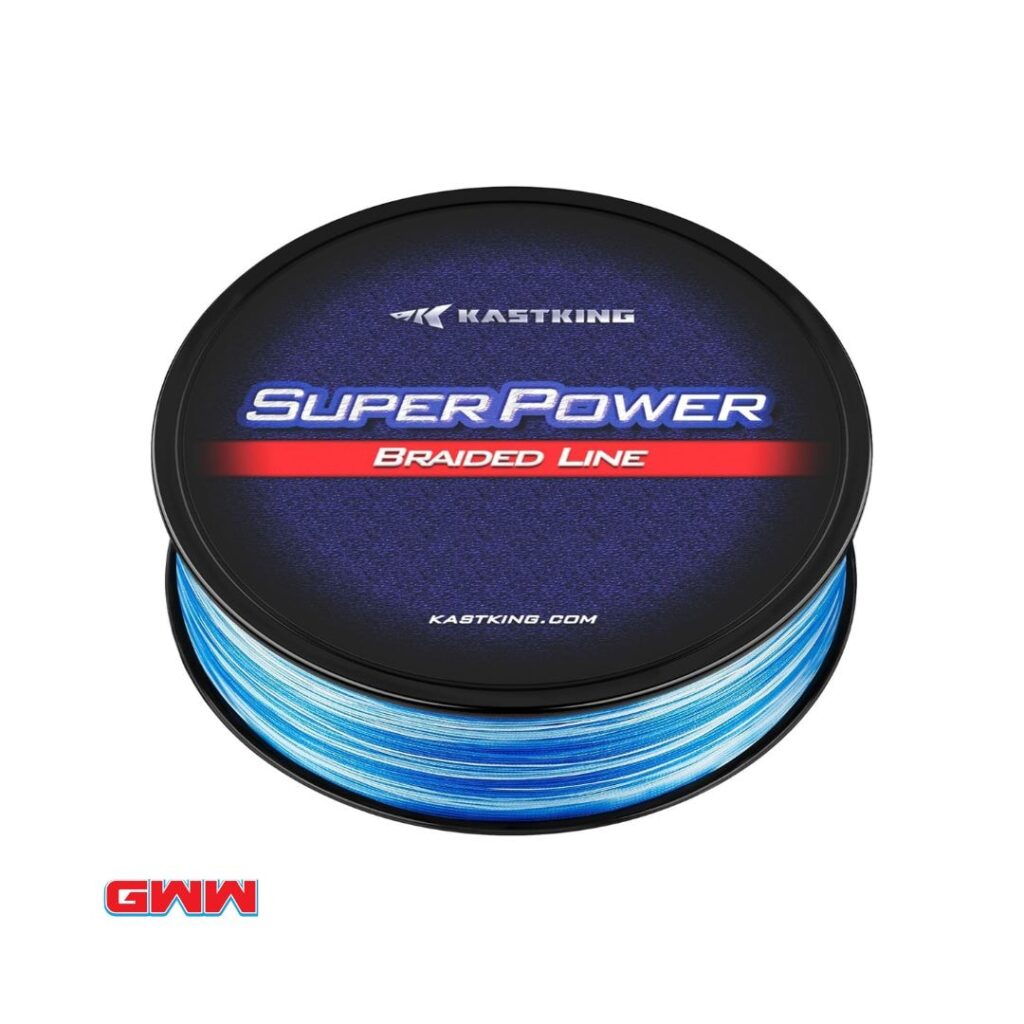
Are you wondering how long your braided fishing line can really last before it needs to be replaced? Knowing this can save you money, improve your fishing experience, and keep you from losing that big catch.
You’ll discover the key factors that affect the lifespan of your braided line and simple tips to make it last longer. Keep reading to learn how to get the most out of your fishing gear every time you hit the water.
Braided Line Basics
Braided fishing line is popular for its strength and thin diameter. It lasts longer than many other lines if cared for properly.
Understanding the materials and weaving helps you know how long your line will last. These factors affect its durability and performance.
Material Composition
Braided fishing line is made from strong synthetic fibers. Common materials include Spectra, Dyneema, and polyethylene.
These materials give the line high strength and resistance to stretching. They also resist damage from water and sunlight.
- Spectra: Very strong and abrasion-resistant
- Dyneema: Lightweight and durable
- Polyethylene: Common and affordable
Weave Patterns
The way fibers are woven affects the line’s feel and strength. Tight weaves make the line smoother and stronger.
Different patterns also influence how the line handles water and friction. Common weaves include round braid and flat braid.
- Round Braid: Smooth and easy to cast
- Flat Braid: More abrasion resistance
- Square Braid: Balanced strength and flexibility
Factors Affecting Durability
Braided fishing lines are popular for their strength and sensitivity. Their lifespan varies due to several factors. Understanding these factors helps anglers maintain their gear well.
Some key elements affect how long a braided line lasts. These include exposure to sunlight, water conditions, and how well the line resists abrasion.
Sunlight Exposure
Sunlight can damage braided fishing lines over time. UV rays break down the fibers, making the line weaker. Keeping the line out of direct sunlight when not in use helps it last longer.
Here are some tips to protect your line from sunlight:
- Store your rod and line in a shaded area
- Use line covers or cases when transporting
- Replace the line regularly if used in strong sunlight
Water Conditions
Water type affects the durability of braided lines. Saltwater can cause more wear than freshwater. Salt can cause fibers to degrade faster.
| Water Type | Effect on Line | Care Tips |
|---|---|---|
| Saltwater | Corrodes fibers quickly | Rinse line with fresh water after use |
| Freshwater | Less harsh on line | Store dry to prevent mold |
| Brackish Water | Moderate wear | Clean and dry line after fishing |
Abrasion Resistance
A braided line’s resistance to abrasion greatly affects its lifespan. Contact with rocks, wood, and other rough surfaces wears the line down.
To improve abrasion resistance:
- Choose braided lines with a tight weave
- Avoid dragging the line over sharp objects
- Check the line often for frays or cuts
- Replace damaged sections quickly
Signs Of Wear
Braided fishing line is strong and durable, but it does wear out. Knowing the signs of wear can help you decide when to replace it.
Look for specific indicators to ensure your line performs well. These signs include fraying, loss of strength, and discoloration.
Fraying And Breaks
Fraying is a common sign of wear in braided lines. Small fibers start to unravel. This can lead to breaks under tension.
- Inspect your line for any visible frays.
- Check for loose or broken fibers.
- Replace the line if breaks are frequent.
Loss Of Strength
Over time, braided lines lose their strength. This affects their ability to hold heavy catches.
| Factor | Impact on Strength |
| UV Exposure | Weakens fibers |
| Saltwater Use | Causes erosion |
| Abrasion | Wears down line |
Discoloration
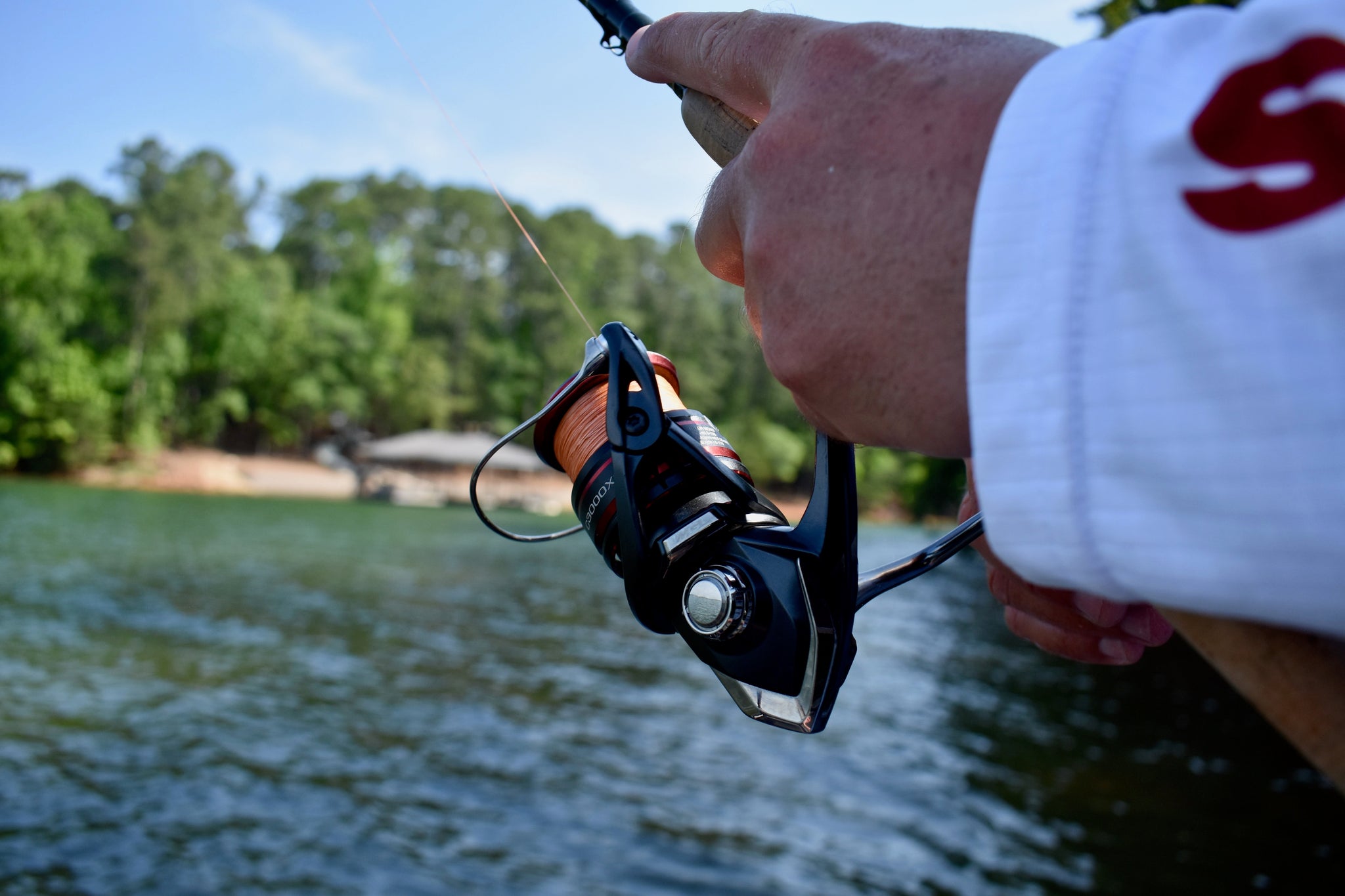
Discoloration is a visual cue that your line might be aging. It can indicate exposure to sun and water.
Credit: sunlineamerica.com
Storage Tips
Proper storage helps braided fishing lines last longer. It keeps them strong and ready to use.
Storing your line the right way stops damage from heat, sun, and bad spooling. This protects your investment.
Avoiding Uv Damage
Sunlight can weaken braided fishing lines. UV rays break down the fibers over time.
Keep your line in a dark place when not in use. Avoid leaving it in direct sunlight for long periods.
- Store the line in a shaded tackle box or drawer
- Use protective covers or bags for spools
- Do not leave line exposed in your car or outside
Proper Spooling
Spooling braided line correctly prevents tangles and weak spots. It also keeps the line smooth and strong.
Use even tension when winding the line onto your reel. Avoid over-tightening or loose loops.
- Keep the line tight but not stretched
- Wind the line evenly across the spool
- Use a spooler tool for best results
Temperature Considerations
Extreme heat or cold can damage braided fishing lines. Temperature affects the line’s strength and flexibility.
Store your line in a cool, dry place. Avoid leaving it in hot cars or freezing areas.
- Keep line away from heat sources like heaters or sunlight
- Do not freeze your line in cold weather
- Maintain consistent room temperature for storage
Maintenance Practices
Proper care helps braided fishing line last longer. Good maintenance keeps the line strong and ready to use.
Cleaning and inspections are key steps. They prevent damage and catch issues early.
Cleaning After Use
Always clean your braided line after fishing. Salt, dirt, and debris can weaken the fibers over time.
- Rinse the line with fresh water gently.
- Use a soft cloth to wipe off dirt.
- Let the line dry completely before storing.
- Avoid harsh chemicals that can damage the line.
Regular Inspections
Check your braided line often for wear and damage. Early detection helps avoid breaks while fishing.
| Inspection Area | What to Look For | Action Needed |
| Line Surface | Frays, cuts, or abrasions | Replace damaged sections |
| Knots | Loose or slipping knots | Retie knots securely |
| Line Tension | Uneven stretch or weak spots | Test strength, replace if weak |
| Reel Attachment | Secure connection to reel | Tighten or redo attachment |
Comparison With Other Lines
Choosing the right fishing line affects your fishing success. Different lines last different times. This guide compares braided fishing line with monofilament and fluorocarbon lines.
Understanding their differences helps you pick the best line for your needs and fishing style.
Monofilament Vs Braided
Monofilament line is made from a single strand of nylon. It is stretchy and easy to handle. Braided line consists of many fibers braided together. It is strong and thin.
- Monofilament usually lasts 1 to 2 years if stored well.
- It breaks down faster in sunlight and water.
- Braided line can last 3 to 5 years because it resists UV rays better.
- Braided line does not stretch much, giving better hook sets.
- Monofilament is softer and easier to knot.
Fluorocarbon Vs Braided
Fluorocarbon line is made from a special polymer. It is almost invisible underwater. Braided line is thicker but stronger for its size.
| Feature | Fluorocarbon | Braided |
| Visibility | Very low | Higher |
| Durability | 2 to 4 years | 3 to 5 years |
| Stretch | Low | Very low |
| Strength | Strong | Very strong |
| Thickness | Thicker for strength | Thin for strength |
Maximizing Braided Line Lifespan
Braided fishing lines are strong and durable. Knowing how to extend their life saves money and improves fishing. Proper care and smart choices help keep the line in good shape.
This guide covers picking good brands and the best times to replace your braided line. These tips help you get the most out of your fishing gear.
Choosing Quality Brands
Quality matters a lot for braided fishing lines. Top brands use better materials and tests to make strong, long-lasting lines. Choosing the right brand can reduce line wear and tear.
- Look for brands with good reviews and ratings.
- Check if the line resists UV rays and abrasion.
- Choose lines with good knot strength and low stretch.
- Consider the line’s diameter and breaking strength for your fishing needs.
- Buy from trusted stores to avoid fake products.
Replacing At Optimal Times
Replacing your braided line at the right time keeps fishing smooth and safe. Old lines lose strength and can break easily.
| Signs to Replace | Details |
| Fraying or Cuts | Visible damage weakens the line quickly |
| Line Memory | Line that coils or twists is harder to cast |
| Loss of Strength | Line breaks more often under pressure |
| Sun Damage | Faded or brittle line shows UV damage |
| After Heavy Use | Replace after big catches or rough conditions |

Credit: reactiontackle.com

Credit: reactiontackle.com
Frequently Asked Questions
How Long Does Braided Fishing Line Typically Last?
Braided fishing line usually lasts 1 to 2 years with proper care. Exposure to sunlight and water can degrade it faster. Regularly inspect for frays or damage to ensure optimal performance and safety while fishing.
Does Sunlight Affect Braided Fishing Line’s Lifespan?
Yes, UV rays from sunlight weaken braided fishing line fibers. Prolonged exposure causes color fading and reduces strength. Store your line in a cool, shaded place to extend its durability and maintain its performance.
How Can I Extend The Life Of Braided Fishing Line?
To extend its life, rinse the line with fresh water after use. Avoid dragging it over sharp surfaces and store it away from direct sunlight. Regularly check for signs of wear and replace when necessary to prevent breakage.
When Should I Replace My Braided Fishing Line?
Replace your braided line if you notice fraying, discoloration, or reduced strength. If it feels rough or has nicks, it’s time for a new spool. Regular replacement ensures reliable performance and prevents unexpected line failure.
Conclusion
Braided fishing line lasts longer with proper care and use. Avoid exposing it to sunlight and harsh chemicals. Check the line regularly for signs of wear or damage. Replace the line if it frays or weakens. Storing it in a cool, dry place helps maintain strength.
Remember, quality and maintenance affect how long the line lasts. With good habits, your braided line can serve many fishing trips. Keep these tips in mind for the best fishing experience.