Are you planning a concrete project and worried about cold weather? You might be asking, “How long does concrete need to cure before freezing?” This question is crucial because freezing too soon can weaken your concrete and ruin all your hard work.
You’ll discover exactly how long you need to wait and what steps you can take to protect your concrete in chilly conditions. Keep reading to make sure your project stays strong and lasts for years to come.

Credit: constructestimates.com
Concrete Curing Basics
Understanding concrete curing is essential before you expose it to freezing temperatures. Curing is the process that gives concrete its strength and durability. Knowing the basics can help you decide the right time to protect your project from cold weather.
What Happens During Curing
Curing is the chemical reaction between cement and water called hydration. This reaction forms crystals that bind the concrete particles together. As this process continues, the concrete hardens and gains strength.
Proper curing keeps moisture in the concrete, which is crucial for the reaction to continue. If the surface dries too quickly, the concrete may crack or weaken. Have you ever seen concrete that crumbles easily? It’s often because it wasn’t cured correctly.
Factors Affecting Curing Time
Several factors affect how long concrete needs to cure before it can face freezing temperatures safely:
- Temperature:Warmer temperatures speed up curing, while cold slows it down.
- Mix Design:Different cement types and water ratios change curing speed.
- Humidity:Dry air can cause moisture loss, stopping curing early.
- Thickness:Thicker slabs take longer to cure fully.
Imagine pouring concrete on a chilly morning—if you don’t protect it, freezing can damage the still-soft structure. So, have you checked how these factors apply to your project before the cold hits?
Impact Of Freezing On Concrete
Freezing temperatures can severely harm concrete that is not fully cured. Concrete gains strength and durability through the curing process. This process involves hydration, where water reacts with cement to form a hard matrix. If the concrete freezes before curing, the water inside expands. This expansion causes cracks and weakens the structure.
Understanding the risks and signs of freeze damage helps protect concrete during cold weather. Proper curing time before freezing is crucial for long-lasting concrete.
Risks Of Freezing Fresh Concrete
- Water inside concrete expands as it freezes, causing internal pressure.
- Cracks form due to ice expansion, reducing strength and durability.
- Hydration stops when freezing occurs, preventing proper curing.
- Surface scaling and spalling can appear as the concrete thaws.
- Early freezing leads to uneven hardening and weak spots.
Signs Of Freeze Damage
- Visible cracks or fissures on the concrete surface.
- Flaking or chipping of the concrete surface layer.
- White, powdery residue indicating surface scaling.
- Loss of strength shown by crumbling or breaking under pressure.
- Uneven color or texture due to interrupted curing.
Ideal Curing Duration Before Freezing
Concrete needs time to gain strength before cold weather arrives. The curing process helps concrete harden and resist damage. Freezing too soon can weaken concrete and cause cracks.
The ideal curing duration before freezing depends on several factors. Proper curing ensures concrete reaches enough strength to withstand frost. This time frame varies by the type of concrete mix and environmental conditions.
Minimum Time For Safe Freeze
Concrete usually requires at least 24 to 48 hours of curing before freezing. This period allows initial hydration to develop some strength. Early freezing can lead to surface scaling and internal damage.
For standard mixes, 48 hours is a safe minimum in most cases. During this time, concrete should stay above 50°F (10°C). Cooler temperatures slow curing and require longer protection.
Variations By Concrete Mix
Different concrete mixes cure at different rates. Fast-setting mixes may be ready to freeze in 24 hours. Slow-setting mixes might need up to 72 hours or more.
Air-entrained concrete resists freeze damage better. It can sometimes cure for a shorter period before freezing. High cement content can speed curing, reducing freeze risk sooner.
- Lightweight concrete generally cures slower than normal weight.
- High-performance mixes may require longer curing despite fast strength gain.
- Admixtures like accelerators help reduce curing time before freezing.

Credit: heatauthority.com
Methods To Protect Concrete From Freeze
Protecting concrete from freezing is essential for strong curing. Concrete gains strength through hydration, a process slowed or stopped by freezing temperatures. Without protection, water in concrete can freeze, causing cracks and weak spots. Several methods help keep concrete warm and safe during cold weather. These techniques ensure proper curing and long-lasting durability.
Using Insulating Blankets
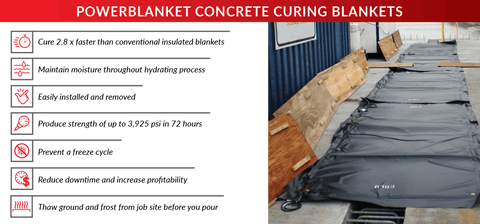
Insulating blankets trap heat inside the concrete. These blankets are made from materials like fiberglass or foam. They create a warm environment to prevent freezing. Lay blankets over fresh concrete immediately after pouring. Secure edges to block cold air and wind. Insulating blankets are reusable and easy to install. They work well for small to medium concrete projects.
Heating Techniques
Heating methods add warmth directly to concrete surfaces. Portable heaters or heated enclosures keep the air temperature high. Use heat lamps or electric cables under or around the concrete. This method is effective for large pours or long curing times. Always monitor temperatures closely to avoid overheating. Heating helps maintain hydration and prevents freeze damage during cold spells.
Chemical Admixtures
Chemical admixtures speed up curing and reduce freeze risk. These additives lower the freezing point of water inside concrete. Common admixtures include calcium chloride and antifreeze agents. They allow hydration to continue at lower temperatures. Use admixtures according to manufacturer guidelines for best results. These chemicals improve strength gain during cold weather curing.
Monitoring Concrete Strength During Cold Weather
Monitoring concrete strength during cold weather is essential to ensure durability and safety. Cold temperatures slow down the curing process, which affects the concrete’s final strength. Proper checks help identify if the concrete is ready for further construction steps.
Testing concrete strength helps avoid damage caused by early freezing. It also prevents costly repairs and structural failures. Understanding when the concrete reaches sufficient strength allows safe continuation of the project.
Testing Methods
Several testing methods measure concrete strength in cold weather:
- Compression Tests:Concrete samples are crushed to check strength. This test shows the concrete’s ability to bear loads.
- Ultrasonic Pulse Velocity:This non-destructive test measures sound waves through concrete. Higher velocity means better strength and fewer cracks.
- Rebound Hammer Test:A device hits the surface and measures hardness. It gives a quick estimate of surface strength.
- Temperature Monitoring:Sensors track internal concrete temperature. Keeping above 50°F (10°C) helps proper curing.
When To Proceed With Construction
Concrete should reach at least 70% of its designed strength before exposure to freezing. This level reduces the risk of frost damage and cracking.
Check strength test results before loading or removing supports. Wait longer if strength is below the safe threshold.
Maintain proper curing conditions. Use insulation or heaters to keep concrete temperature stable during cold days.

Credit: www.gra-rock.com
Best Practices For Cold Weather Curing
Curing concrete in cold weather requires special care to ensure strength and durability. Protecting concrete from freezing during its curing phase is critical. Proper techniques help concrete gain strength without damage.
Follow best practices designed for cold weather. These methods minimize risks and improve results. Careful planning and preparation make a big difference.
Scheduling Pouring Times
Pour concrete during the warmest part of the day. This helps concrete stay above freezing longer. Avoid pouring late in the day or before a cold night.
Check weather forecasts closely. Delay pouring if freezing temperatures are expected within 24 hours. This gives concrete time to develop initial strength.
Plan pours during stable weather periods. Consistent temperatures reduce curing risks. Early spring or late fall often offers better conditions.
Site Preparation Tips
Clear snow and ice from the site before pouring. Wet or frozen surfaces reduce concrete bonding. Ensure the ground is dry and stable.
Use insulating blankets or heated enclosures after pouring. These protect concrete from freezing temperatures. Maintain warmth for at least 48 hours.
Set up windbreaks around the site. Strong winds can cool concrete quickly. Reducing wind exposure helps maintain curing temperature.
- Remove frost and snow thoroughly
- Level the ground for even curing
- Use thermal blankets for protection
- Monitor temperature regularly
Frequently Asked Questions
How Long Should Concrete Cure Before Freezing?
Concrete typically needs at least 7 days of curing before freezing. This allows it to gain enough strength to resist freeze damage. Proper curing prevents cracking and weak spots caused by ice expansion inside the concrete.
What Happens If Concrete Freezes Too Soon?
If concrete freezes before curing, ice crystals form inside it. This causes cracking, reduced strength, and surface scaling. Early freezing compromises durability and can lead to costly repairs or replacement.
How Can I Protect Curing Concrete From Freezing?
Use insulated blankets or heated enclosures to keep concrete warm. Maintain temperatures above 50°F (10°C) during the first week. Proper protection ensures concrete cures properly without freeze damage.
Does Curing Time Vary With Concrete Mix Or Weather?
Yes, curing time depends on mix type, temperature, and humidity. Colder weather slows curing, requiring longer protection. Adjust curing time based on local conditions for best results.
Conclusion
Concrete needs proper curing to withstand freezing conditions. Aim for at least 28 days. Timing matters. Plan your project around weather forecasts. Protect the concrete with blankets or plastic. This helps retain heat. Monitor temperatures closely. Cold weather can delay curing.
Patience pays off. Avoid rushing the process. Properly cured concrete lasts longer. It resists freezing better. Follow these guidelines for best results. Your concrete will thank you. Safe and durable for years to come.