Are you staring at that neatly wrapped package of elk meat in your freezer, wondering how much longer you can keep it there? You’re not alone.
Understanding how long elk meat lasts in the freezer is crucial for ensuring you enjoy its rich flavors and nutritional benefits without risking spoilage. Whether you’re an avid hunter or you’ve simply stocked up from a local market, knowing the shelf life of elk meat can save you from disappointment and waste.
Dive into this article to discover the secrets behind preserving your precious elk meat for as long as possible. Your culinary adventures depend on it!
Elk Meat Shelf Life
Elk meat is a tasty and nutritious choice for many. Knowing how long it stays good in the freezer helps prevent waste. Proper storage keeps its flavor and safety intact. Understanding the elk meat shelf life helps you plan meals better.
Freezer Storage Duration
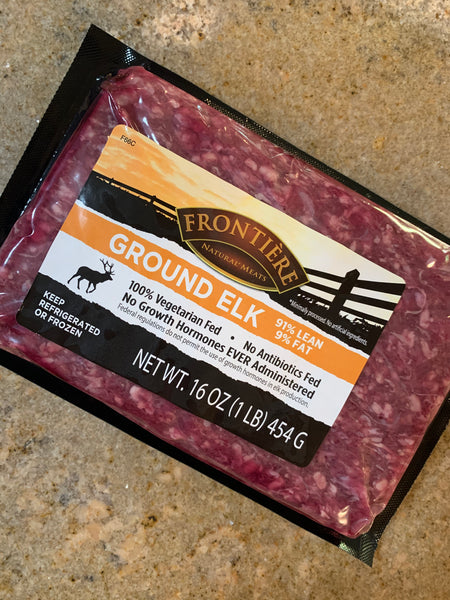
Elk meat can last in the freezer for 6 to 12 months. The exact time depends on how well it is wrapped. Vacuum-sealed packages last longer than regular plastic wrap. Ground elk meat should be used within 3 to 4 months. Whole cuts like steaks or roasts keep best for up to a year.
Factors Affecting Longevity
- Packaging quality: airtight wrapping prevents freezer burn.
- Freezer temperature: keep it at 0°F (-18°C) or below.
- Initial meat freshness: fresher meat lasts longer in the freezer.
- Type of cut: lean cuts freeze better than fatty ones.
- Handling before freezing: avoid thawing and refreezing.

Credit: frontierenaturalmeats.com
Freezing Techniques
Freezing elk meat properly ensures it stays fresh and safe to eat for months. The right techniques protect the meat’s flavor and texture. Small mistakes can cause freezer burn or spoilage. Follow simple steps to keep elk meat in the best condition.
Proper Packaging Methods
Use airtight packaging to stop moisture and air from reaching the meat. Wrap elk meat tightly in plastic wrap or butcher paper first. Then place it inside a heavy-duty freezer bag or vacuum-seal bag. Remove as much air as possible before sealing. Label each package with the date to track storage time.
- Wrap meat in plastic wrap or butcher paper
- Use vacuum seal bags or freezer bags
- Remove air to prevent freezer burn
- Label packages with date of freezing
Optimal Freezer Temperatures
Keep the freezer at 0°F (-18°C) or lower. This temperature stops bacteria growth and keeps meat safe. Avoid frequent opening of the freezer to maintain steady cold. Use a freezer thermometer to check temperature regularly. Proper cold helps elk meat last up to 12 months.
Signs Of Spoiled Elk Meat
Knowing the signs of spoiled elk meat is essential for your safety and taste experience. Even if you’ve stored it properly, meat can go bad over time. Being able to spot the changes early helps you avoid foodborne illnesses and disappointing meals.
Visual Indicators
Look closely at the color of your elk meat. Fresh elk usually has a deep red or dark brown shade. If you see gray, green, or any unusual discoloration, that’s a red flag.
Check for mold or slimy patches on the surface. These are clear signs the meat is no longer safe to eat. Also, freezer burn, which appears as dry, white spots, affects quality but isn’t necessarily harmful.
Smell And Texture Changes
Smell your elk meat carefully. Fresh meat has a mild, natural scent. If it smells sour, rancid, or ammonia-like, it’s time to throw it away.
Touch the meat and notice the texture. Spoiled elk becomes sticky, tacky, or slimy instead of firm and moist. This change often happens before you see discoloration or smell bad odors.
Have you ever ignored these signs and regretted it later? Trust your senses—they’re your best tools for safe and tasty elk meat.
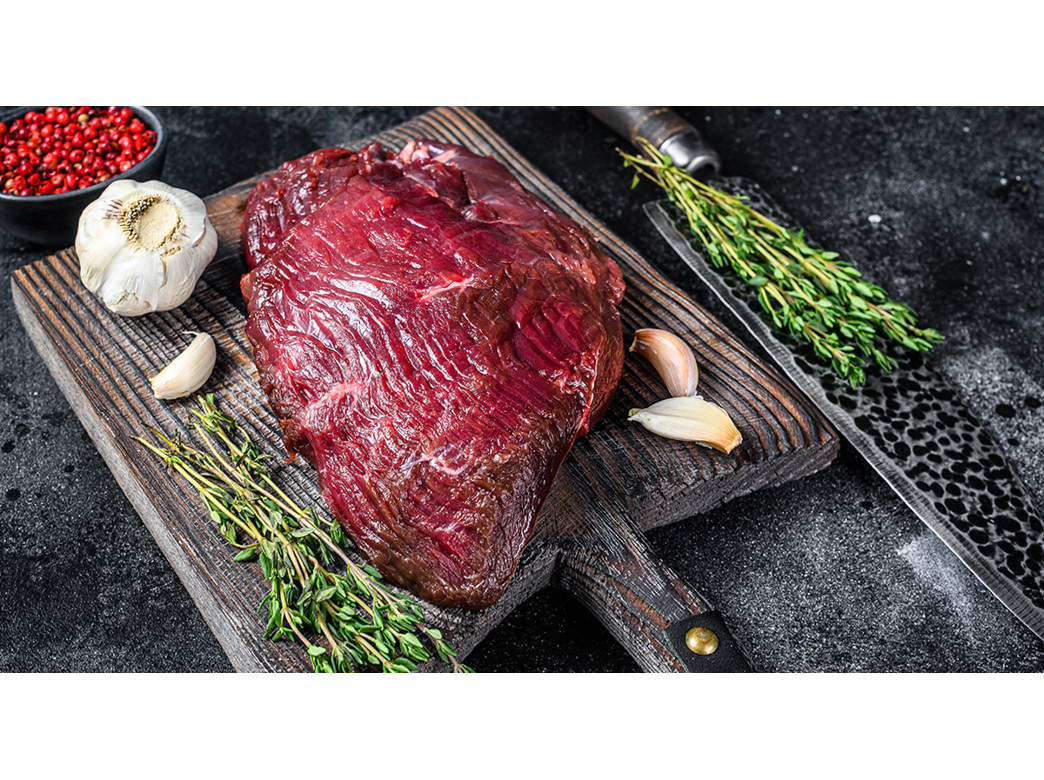
Credit: www.coastalcountry.com
Thawing Elk Meat Safely
Thawing elk meat safely is crucial to preserving its flavor and texture, while also keeping your kitchen free from harmful bacteria. If you rush the process or ignore safety tips, you risk spoiling the meat or causing foodborne illnesses. Let’s look at practical ways to thaw elk meat and keep it safe for your next meal.
Recommended Thawing Methods
One of the safest ways to thaw elk meat is in the refrigerator. This method allows the meat to thaw slowly and evenly, keeping it at a safe temperature below 40°F (4°C). Depending on the size of the cut, this can take anywhere from 12 to 48 hours, so plan ahead.
If you’re short on time, you can use the cold water method. Place the elk meat in a sealed plastic bag and submerge it in cold water, changing the water every 30 minutes. This usually takes a few hours but never use warm or hot water, as it promotes bacterial growth.
Microwave thawing is another option, but it can start to cook the edges of the meat if you’re not careful. Use the defrost setting and check frequently. Cook the meat immediately after thawing this way to avoid bacteria multiplying.
Avoiding Contamination
Cross-contamination is a real concern when thawing meat. Always place the elk meat on a plate or in a shallow pan to catch any juices that might leak. This stops bacteria from spreading to your countertops or other foods.
Wash your hands thoroughly before and after handling raw elk meat. Use separate cutting boards and utensils for raw and cooked foods to keep germs contained. Remember, thawing meat at room temperature can allow bacteria to multiply rapidly, so avoid leaving elk meat out on the counter.
Have you ever wondered why some meats smell off even after thawing? It’s often due to improper handling during thawing. Keep your thawing area clean and sanitized to enjoy elk meat at its best.
Tips For Extending Freshness
Keeping elk meat fresh in the freezer can be a challenge, but a few smart steps can make a big difference. The way you prepare and store your meat affects not just how long it lasts but also how good it tastes when you finally cook it. Here are some practical tips to help you keep your elk meat fresh and flavorful for as long as possible.
Vacuum Sealing Benefits
Vacuum sealing removes air from the packaging, which slows down freezer burn and oxidation. This means your elk meat can stay fresh for months longer than if it were wrapped in plastic wrap or foil alone.
I once stored elk steaks using a vacuum sealer, and after six months, the meat still tasted almost as fresh as the day I froze it. It kept the texture intact and prevented any off-flavors from developing.
Vacuum sealing also saves space in your freezer because the packaging is compact. If you don’t have a vacuum sealer, try pressing out as much air as possible with freezer bags and remove the excess before sealing.
Portioning Before Freezing
Cutting elk meat into meal-sized portions before freezing helps you avoid thawing and refreezing large chunks. This keeps the meat from spoiling and preserves its quality.
Think about how many people you typically cook for and package the meat accordingly. For example, if you usually cook for two, wrap the elk in two-serving packages.
Smaller portions also make it easier to thaw the exact amount you need quickly, reducing the time meat spends at unsafe temperatures. Have you tried freezing elk in individual portions? It can save you time and frustration later on.
Comparing Elk To Other Meats
When deciding how long to freeze elk meat, it helps to compare it with other common meats like beef, pork, and chicken. Each type of meat has unique qualities that affect how well it holds up in the freezer. Understanding these differences can help you make smarter choices about storage and usage.
Shelf Life Differences
Elk meat generally lasts in the freezer for about 6 to 12 months if properly wrapped and stored at 0°F (-18°C). This is similar to lean beef cuts, which also maintain quality for up to a year.
On the other hand, fattier meats like pork shoulder or chicken thighs may only keep their best quality for 4 to 6 months. The higher fat content causes them to spoil faster due to oxidation and freezer burn.
Have you noticed how your freezer sometimes smells different after storing fatty meats longer? That’s a sign they’ve passed their peak freshness. Elk’s low fat content gives it an edge here, allowing you more flexibility in storage time.
Nutritional Variations
Elk meat is known for being leaner than beef and pork, which means it contains less fat but remains high in protein. This makes it a great choice if you’re watching your fat intake but still want nutrient-rich meat.
It also typically has more iron and zinc compared to chicken, supporting better energy and immune function. If you want a meat that packs a nutritional punch without excess calories, elk stands out.
Think about your diet goals. Would you prefer a meat that’s lean and nutrient-dense, or one with higher fat for richer flavor? Knowing the nutritional profile of elk versus other meats can guide your meal planning and freezer stocking.

Credit: frontierenaturalmeats.com
Frequently Asked Questions
How Long Can Elk Meat Stay Frozen Safely?
Elk meat can stay frozen safely for 6 to 12 months. Proper packaging and consistent freezer temperature help maintain its quality. Always check for freezer burn or off smells before use.
Does Freezing Affect Elk Meat’s Taste Or Texture?
Freezing elk meat may slightly alter its texture but usually doesn’t affect taste. Proper wrapping and slow thawing help preserve flavor and tenderness.
How Should Elk Meat Be Stored For Freezer Longevity?
Store elk meat in airtight, vacuum-sealed bags or heavy-duty freezer wrap. Remove excess air to prevent freezer burn and extend shelf life.
Can Elk Meat Be Refrozen After Thawing?
Refreezing elk meat is not recommended if thawed completely. It may cause quality loss and increase food safety risks. Use thawed meat promptly.
Conclusion
Elk meat stays good in the freezer for about 6 to 12 months. Keep it wrapped tightly to avoid freezer burn. Check the meat’s color and smell before cooking. Proper storage keeps the meat fresh and tasty. Eating elk within this time gives the best flavor.
Store it well to enjoy elk meat safely later. Freezing elk meat helps reduce waste and saves money. Always label packages with the date before freezing. This simple step helps track freshness easily. Enjoy your elk meat while it’s at its best!