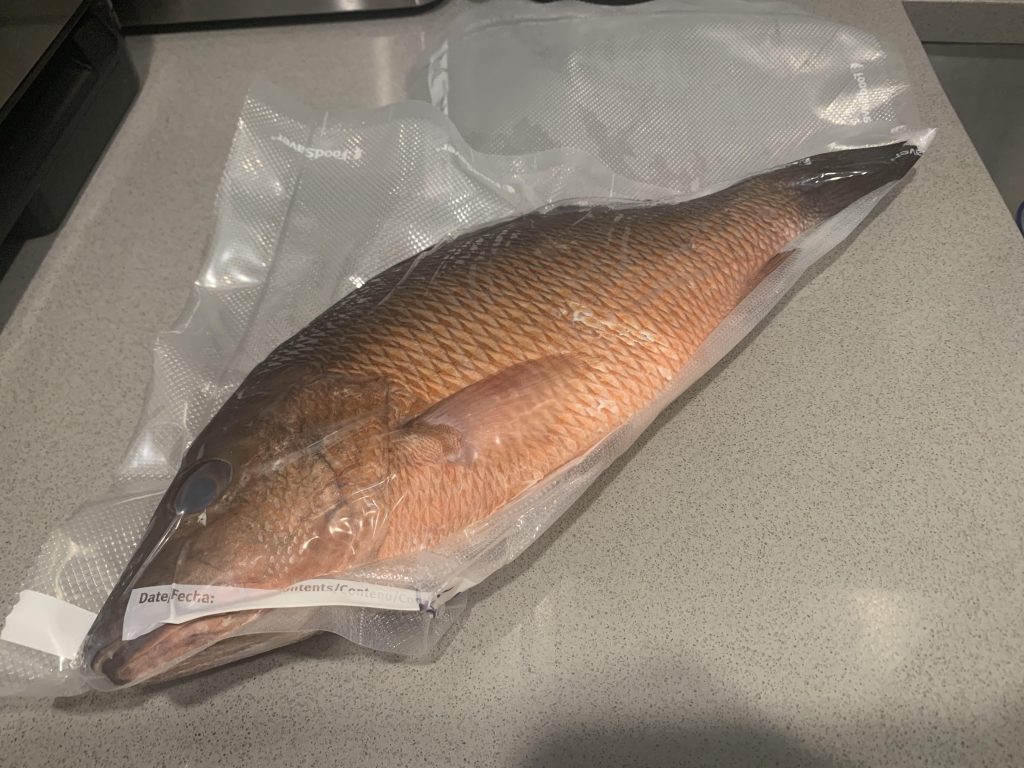
Have you ever wondered how long your favorite fish can last in the freezer when vacuum sealed? You’re not alone.
Many people freeze fish to enjoy its fresh taste and nutritional benefits without worrying about spoilage. But, how long can you really keep it before it loses its quality? If you’ve ever found yourself questioning the shelf life of your vacuum-sealed fish, you’re about to discover the answers.
This guide will reveal the secrets to preserving your fish while ensuring it remains as delicious and safe to eat as the day you froze it. Keep reading to learn how you can make the most of your seafood and avoid any surprises when you finally decide to cook it.

Credit: www.aol.com
Freezing Basics
Freezing fish is a common way to keep it fresh and safe for longer. Proper freezing slows down bacteria and stops spoilage. Knowing the basics helps you store fish the right way. This keeps taste and texture close to fresh.
Why Freeze Fish
Freezing fish preserves its quality and nutrients. It stops the growth of harmful bacteria. Fish lasts much longer in the freezer than in the fridge. Freezing helps avoid food waste. It also allows you to enjoy fish any time.
Effect Of Vacuum Sealing
Vacuum sealing removes air from the packaging. This reduces freezer burn and moisture loss. Fish stays moist and flavorful longer. Vacuum sealing slows oxidation, which causes spoilage. It also helps keep the fish’s texture intact.
Types Of Fish For Freezing
- Fatty fish like salmon and mackerel freeze well.
- Lean fish such as cod and haddock also freeze nicely.
- Shellfish like shrimp and scallops freeze best when vacuum sealed.
- Fresh fish freezes better than cooked fish for storage.
Shelf Life Of Vacuum-sealed Fish
Vacuum sealing fish before freezing significantly extends its shelf life by reducing exposure to air, which slows down spoilage and freezer burn. However, the type of fish plays a big role in how long it stays fresh and safe to eat. Understanding these differences helps you get the best quality and flavor from your frozen fish.
White Fish Duration
White fish like cod, haddock, and tilapia tend to have a longer freezer life when vacuum sealed. You can expect them to last up to 2 years without major quality loss. Their lower fat content means less risk of rancidity, so vacuum sealing keeps them fresh for a long time.
Have you ever noticed white fish tasting bland after a few months in the freezer? Vacuum sealing helps preserve its delicate flavor and texture better than regular freezing methods.
Fatty Fish Duration
Fatty fish such as salmon, mackerel, and trout have a shorter vacuum-sealed freezer life, usually about 6 to 12 months. The higher oil content makes them prone to oxidation, even when vacuum sealed. To keep the taste fresh, try to consume them within this timeframe.
If you’ve ever bitten into freezer-burned salmon, you know how off-putting it can be. Vacuum sealing cuts down on that risk but doesn’t eliminate it entirely for fatty fish.
Shellfish Duration
Shellfish like shrimp, scallops, and crab can last around 6 to 12 months in a vacuum-sealed freezer bag. Their delicate texture demands careful storage to avoid freezer burn. Vacuum sealing is a great way to maintain their freshness and prevent drying out.
Think about the last time you thawed frozen shrimp—did it retain its juicy, firm texture? Vacuum sealing plays a big role in preserving that quality over time.
Storage Tips For Best Quality
Keeping fish fresh and tasty in your freezer depends a lot on how you store it. Even vacuum sealing can’t do all the work if other factors aren’t right. Let’s look at smart storage tips that help maintain the best quality of your frozen fish.
Proper Packaging Techniques
Vacuum sealing is great, but the packaging still needs to be airtight and moisture-proof. Use high-quality vacuum bags designed for freezing. Make sure to remove all the air before sealing to slow down oxidation and ice crystal formation.
Label each package with the date you sealed it. This simple step helps you track freshness and avoid keeping fish too long. Have you ever found a forgotten bag at the back of your freezer? Labeling stops that waste.
Optimal Freezer Temperature
Your freezer should stay at 0°F (-18°C) or lower to keep fish fresh. Temperatures above this speed up quality loss even if the fish is vacuum sealed. Avoid frequent temperature changes by not opening the freezer door often.
Do you know the temperature inside your freezer? Consider using a freezer thermometer to monitor it. Consistent cold slows bacterial growth and preserves texture and flavor much better.
Avoiding Freezer Burn
Freezer burn happens when moisture leaves the fish and ice crystals form on the surface. Even vacuum sealing can’t fully prevent it if packaging is damaged or the seal isn’t tight. Check bags for holes or tears before freezing.
Freeze fish in portions you’ll use in one go to avoid refreezing leftovers. Each thaw and refreeze cycle increases the chance of freezer burn. Would you rather waste a small portion or risk ruining the whole batch?
Signs Of Spoiled Frozen Fish
Knowing the signs of spoiled frozen fish is crucial to avoid foodborne illnesses and wasted meals. Even vacuum sealing can’t guarantee indefinite freshness. Your senses are the best tools to spot when fish has gone bad, helping you decide if it’s safe to eat.
Visual Indicators
Look closely at the fish’s surface. If you see discoloration like dullness, brown or gray spots, it’s a warning sign. Ice crystals inside the packaging that have melted and refrozen may indicate thawing and refreezing, which affects quality.
White, powdery patches on the fish suggest freezer burn. This not only changes taste but also texture. If the fish looks slimy or has an unusual sheen, it’s time to toss it.
Smell Changes
Fresh frozen fish should have a mild, ocean-like scent. A strong ammonia or sour odor means spoilage. If you notice any off-putting smell right after opening the vacuum seal, don’t ignore it.
Sometimes, frozen fish can pick up odors from other foods in the freezer. That’s why proper sealing matters. Trust your nose—if it smells bad, it probably is.
Texture Differences
Frozen fish should feel firm to the touch. If it’s mushy or breaks apart easily, the quality has deteriorated. This often happens when fish is stored too long or thawed and refrozen.
Sticky or slimy texture is another red flag. Have you ever tried to cook fish only to find it falling apart or turning mushy in the pan? That’s a clear sign it’s no longer fresh.
Thawing Vacuum-sealed Fish
Thawing vacuum-sealed fish correctly keeps its texture and flavor intact. It also prevents health risks linked to improper thawing. Understanding the right techniques helps enjoy fresh-tasting fish safely.
Safe Thawing Methods
Thaw fish in the fridge for 12 to 24 hours. This slow thaw keeps the fish at a safe temperature. Another option is to place the vacuum-sealed fish in a bowl of cold water. Change the water every 30 minutes to keep it cold. Avoid thawing fish at room temperature; this can cause bacteria to grow quickly.
Avoiding Bacterial Growth
Keep fish cold during thawing. Do not leave it out for more than two hours. Bacteria multiply faster between 40°F and 140°F (4°C and 60°C). Use clean containers and surfaces to prevent contamination. Wash your hands before and after handling thawed fish.
Cooking After Thawing
Cook fish immediately after thawing. Do not refreeze thawed fish unless you cook it first. Cooking kills harmful bacteria and ensures the fish is safe to eat. Use a food thermometer to check the internal temperature. Fish should reach 145°F (63°C) for safe consumption.
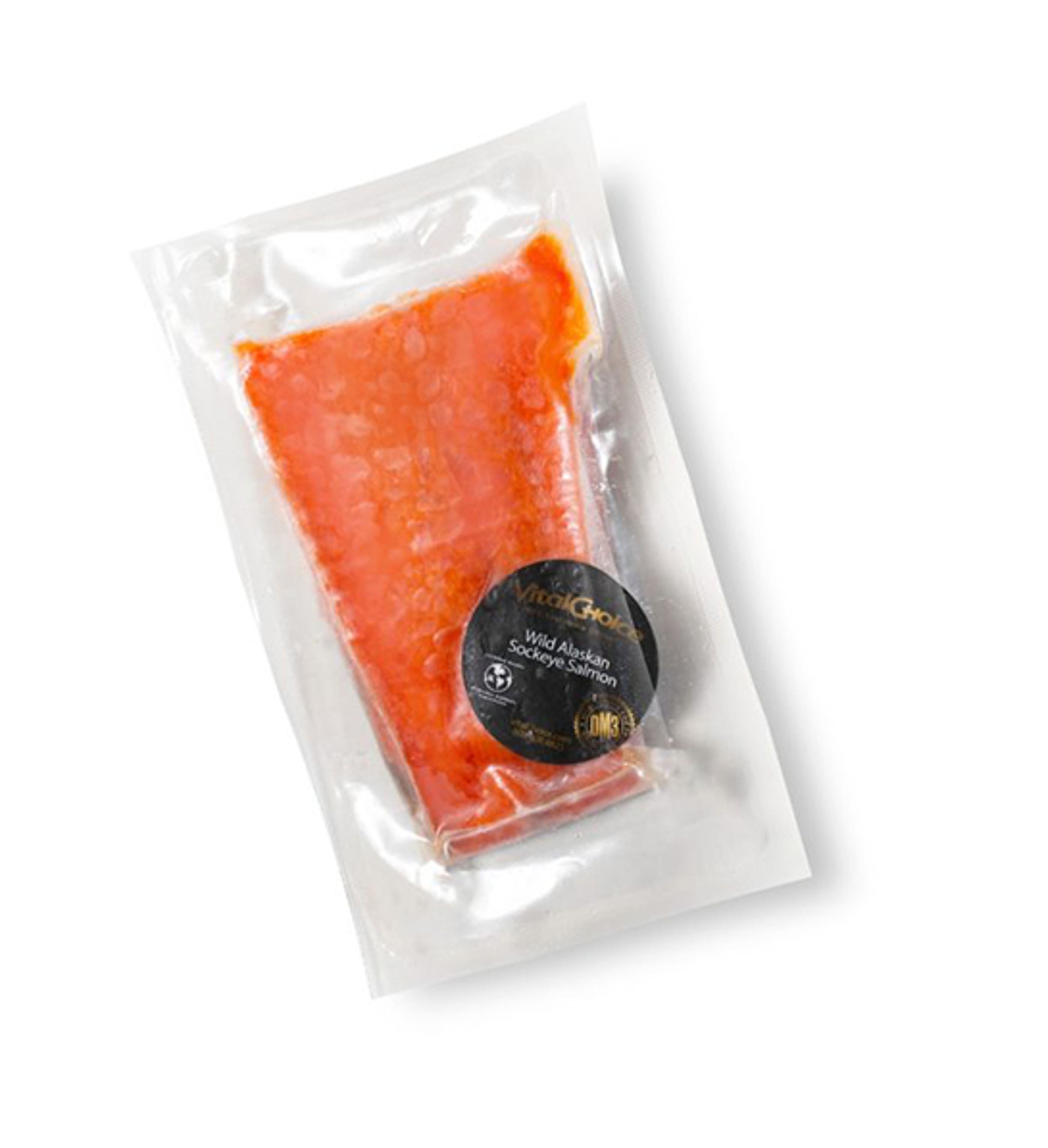
Credit: www.vitalchoice.com
Comparing Vacuum Sealed And Regular Freezing
Freezing fish is a common way to extend its shelf life, but the method you choose can make a big difference. Vacuum sealing and regular freezing both keep your fish cold, but their effects on freshness and storage time vary. Understanding these differences helps you decide the best way to preserve your catch or purchase.
Longevity Differences
Vacuum sealed fish can last much longer in the freezer compared to fish stored in regular plastic bags or containers. By removing air, vacuum sealing slows down freezer burn and oxidation, which are the main causes of spoilage. While regular frozen fish might last 3 to 6 months, vacuum sealed fish can stay good for up to 2 years.
Have you noticed freezer burn on fish stored in zip-lock bags? That’s a sign that air has damaged the fish, shortening its lifespan. Vacuum sealing prevents this by creating an airtight environment, keeping your fish fresher for longer.
Quality Retention
Vacuum sealing preserves the texture, flavor, and moisture of fish better than regular freezing. When air is trapped, ice crystals form and can rupture the fish’s cells, leading to a mushy texture after thawing. With vacuum sealing, the absence of air limits ice crystal growth, maintaining the fish’s original quality.
If you’ve ever thawed frozen fish only to find it dry or bland, you know how disappointing this can be. Vacuum sealing helps avoid this by locking in the fish’s natural juices and flavor until you’re ready to cook.
Cost And Convenience
Vacuum sealing requires an initial investment in a vacuum sealer and special bags, which can be more expensive than simply using freezer bags. However, this cost is often offset by the longer storage life and reduced food waste. You don’t have to worry about throwing out spoiled fish as often.
Regular freezing is more convenient for quick storage but may force you to use the fish sooner. Vacuum sealed fish can be stored in bulk and used over time, which is great if you like buying in large quantities or catching your own fish. What matters more to you—saving money upfront or reducing waste over time?

Credit: www.reddit.com
Frequently Asked Questions
How Long Does Vacuum-sealed Fish Last In The Freezer?
Vacuum-sealed fish can last 1 to 3 years in the freezer. Proper sealing prevents freezer burn and preserves freshness. Always store at 0°F (-18°C) or lower for best results.
Does Vacuum Sealing Extend Fish Freezer Life?
Yes, vacuum sealing removes air, reducing spoilage and freezer burn. This method significantly extends fish storage life compared to regular freezing. It maintains flavor, texture, and nutritional value longer.
Can Frozen Vacuum-sealed Fish Spoil?
While vacuum sealing slows spoilage, fish can spoil if frozen improperly or stored too long. Always check for off smells or texture changes before cooking. Proper freezing and sealing are key to safe storage.
What Is The Best Fish Storage Temperature When Vacuum Sealed?
The best freezer temperature for vacuum-sealed fish is 0°F (-18°C) or lower. This temperature halts bacterial growth and preserves fish quality for extended periods.
Conclusion
Vacuum sealing helps fish stay fresh longer in the freezer. Proper sealing stops air, which causes freezer burn and spoilage. Most fish last six months to a year when vacuum sealed. Always check for signs of freezer burn before cooking.
Store fish at a consistent freezing temperature for best results. Label packages with dates to track storage time. This simple step saves money and reduces waste. Freeze fish quickly after buying to keep flavor and texture. Enjoy fresh-tasting fish even after months in the freezer.
Simple care makes frozen fish safe and tasty to eat.