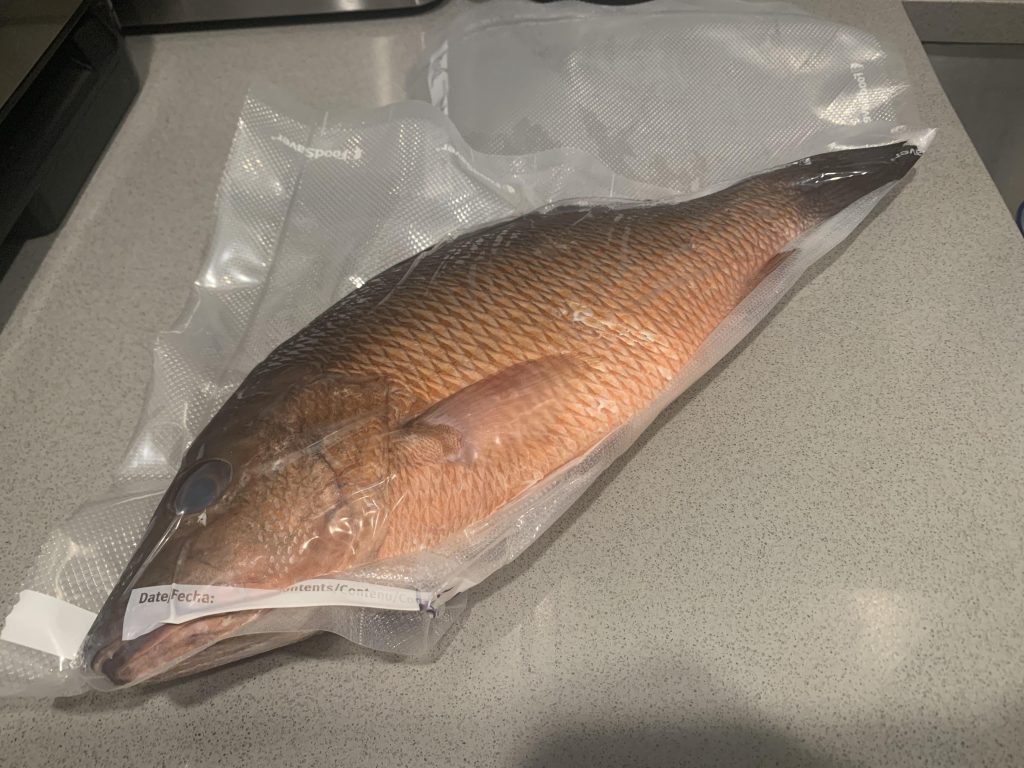
Have you ever wondered how long fish lasts in the freezer when it’s vacuum sealed? You’re not alone.
Whether you’re a seafood lover stocking up on your favorite catch or someone who stumbled upon a great sale, knowing how to preserve that fresh flavor is key. Vacuum sealing is a popular method, but does it really extend the shelf life of your fish?
We’ll dive into the science behind vacuum sealing and reveal how it can impact the freshness of your fish. If you’re eager to ensure your meals are both delicious and safe, keep reading. You might be surprised by what you discover, and it just might change the way you preserve your seafood forever.
Freezing Fish Basics
Freezing fish is a reliable way to keep your catch fresh for longer periods, but understanding the basics is key to maintaining quality and flavor. How long fish lasts in the freezer depends on various factors like storage methods and the fish type. Vacuum sealing plays a crucial role in extending freezer life and preserving texture, so let’s break down why freezing fish is essential and how vacuum sealing benefits you.
Why Freeze Fish
Freezing fish stops bacteria growth and slows down enzyme activity that causes spoilage. This means you can enjoy your favorite fish even weeks or months after buying or catching it. Have you ever had fish go bad in the fridge after just a couple of days? Freezing prevents that frustration.
Freezing also helps reduce food waste. If you buy in bulk or catch more than you can eat immediately, freezing lets you save the extra without losing quality. Plus, it gives you the flexibility to plan meals ahead and avoid last-minute trips to the store.
Vacuum Sealing Benefits
Vacuum sealing removes air from the packaging, which is a major factor in freezer burn and flavor loss. Without air, fish stays moist, tender, and tastes fresh when thawed. Have you noticed freezer-burned fish turning dry and chalky? Vacuum sealing stops that.
This method also keeps fish safe from other odors and flavors in your freezer. It creates a tight seal that protects texture and nutritional value better than regular plastic wraps or bags. For example, salmon vacuum sealed can last up to 2-3 years, while fish stored in normal freezer bags may only last 3-6 months.
Fish Shelf Life In Freezer
Freezing fish helps keep it fresh for longer periods. The shelf life depends on how the fish is stored. Vacuum sealing removes air, which slows down spoilage and freezer burn. Knowing how long fish lasts in the freezer helps prevent waste and ensures safe eating.
Shelf Life Without Vacuum Seal
Fish stored without vacuum seal lasts a shorter time. Air exposure causes freezer burn and quality loss. Typically, fresh fish keeps well for about 3 to 6 months. Fatty fish, like salmon, may last closer to 3 months. Lean fish, like cod or tilapia, can last up to 6 months. Always wrap fish tightly in plastic wrap or foil to reduce air contact.
Shelf Life With Vacuum Seal
Vacuum sealing extends fish shelf life significantly. It removes air, reducing freezer burn and oxidation. Vacuum-sealed fish can last 1 to 2 years in the freezer. Fatty fish also keep longer, up to 1 year or more. The texture and flavor stay much better. Always label packages with the date of sealing to track freshness.
Factors Affecting Fish Longevity
Fish stored in a vacuum-sealed freezer can last for a long time. The exact duration depends on several important factors. These factors affect how well the fish keeps its flavor, texture, and safety. Understanding these can help you store fish properly and avoid waste.
Fish Type And Fat Content
Fatty fish spoil faster than lean fish. High fat content causes quicker oxidation. Salmon and mackerel have more fat and shorter freezer life. Cod and haddock are lean and last longer. Choose fish type wisely for longer storage.
Freezer Temperature
Lower temperatures slow down spoilage. Keep your freezer at or below 0°F (-18°C). Fluctuating temperatures reduce fish quality. A stable cold environment preserves freshness better. Use a freezer thermometer to monitor temperature.
Packaging Quality
Vacuum sealing removes air, preventing freezer burn. Good seals keep moisture and odors out. Poor packaging lets air in, causing spoilage. Use thick, durable vacuum bags for best results. Proper sealing extends fish’s freezer life significantly.

Credit: fullyhealthy.com
Vacuum Sealing Techniques
Vacuum sealing is a game-changer for freezing fish, locking in freshness and extending shelf life. But not all vacuum sealing is created equal. The techniques you use can make a huge difference in how long your fish stays tasty and safe in the freezer.
Choosing The Right Vacuum Sealer
Not every vacuum sealer fits the bill for fish. You want a model that can handle moisture well since fish tends to release liquid. Look for sealers with a “moist” setting or adjustable suction power to avoid crushing delicate fillets.
Consider the size of the bags or rolls compatible with the sealer. Larger bags are perfect if you freeze whole fish or big portions. If you usually store small fillets, smaller bags save space and reduce wasted air.
Durability matters too. A reliable vacuum sealer with strong seals prevents air leaks that cause freezer burn. Have you noticed your fish tasting off after a few weeks? That might be due to a poor seal.
Best Practices For Sealing Fish
- Pat the fish dry:Excess moisture can weaken the seal. Use paper towels to remove water before sealing.
- Pre-freeze if needed:Slightly freezing fish before vacuum sealing helps maintain shape and prevents juices from being sucked out.
- Leave enough space:Don’t overfill bags. Leave about 2-3 inches at the top for proper sealing.
- Double seal for safety:Running the sealer twice along the edge adds extra protection against leaks.
- Label and date:Keep track of when you sealed the fish so you use it within optimal timeframes.
Have you ever opened a vacuum-sealed fish only to find it freezer-burned? Paying attention to these small steps can prevent that disappointment. Your freezer stash will stay fresh longer, and your meals will taste better every time.
Signs Of Frozen Fish Spoilage
Knowing the signs of frozen fish spoilage is key to keeping your meals safe and tasty. Even if your fish is vacuum sealed, it doesn’t mean it will last forever. Spotting early signs of spoilage can save you from unpleasant surprises and health risks.
Visual Indicators
Look closely at the fish’s color and appearance. Fresh frozen fish should maintain its natural color, whether that’s pink, white, or silver. If you see dullness, brownish or yellowish patches, or excessive ice crystals inside the packaging, these could be red flags.
Another important sign is freezer burn, which appears as dry, white spots on the fish’s surface. It happens when air reaches the fish despite vacuum sealing. Have you ever noticed your fish looking shriveled or discolored after being in the freezer too long? That’s a clear visual clue that it’s past its prime.
Smell And Texture Changes
Once you thaw the fish, use your nose and fingers as your guide. Fresh fish should have a mild, ocean-like scent. If you detect a strong, sour, or ammonia-like smell, it’s a sure sign of spoilage.
Texture changes also reveal a lot. Good fish feels firm and slightly springy to the touch. If it’s mushy, slimy, or falls apart easily, it’s time to toss it. Have you ever tried cooking fish that just didn’t hold up? That unpleasant texture usually means spoilage.

Credit: www.aol.com
Thawing Vacuum-sealed Fish
Thawing vacuum-sealed fish properly is key to keeping it fresh and tasty. Since vacuum sealing removes air, it slows freezer burn but also means you need to be careful during thawing. How you thaw your fish can make a big difference in texture and flavor.
Safe Thawing Methods
Thawing fish safely means preventing bacteria growth and preserving quality. One reliable way is to move the vacuum-sealed fish from the freezer to the refrigerator and let it thaw slowly overnight. This method keeps the fish at a safe temperature and helps it retain moisture.
If you’re in a hurry, place the sealed fish in a bowl of cold water. Change the water every 30 minutes to keep it cold. Avoid using warm water as it can promote bacterial growth and uneven thawing.
Microwaving to thaw fish is generally not recommended. It can start cooking the edges and ruin the texture. If you must, use the defrost setting and check frequently to avoid partially cooking the fish.
Avoiding Quality Loss
Vacuum sealing protects fish from freezer burn, but thawing mistakes can undo that benefit. Keep the fish sealed while thawing to prevent exposure to air and moisture loss.
Once thawed, don’t refreeze the fish. Refreezing affects texture and flavor negatively. Plan your portions ahead so you only thaw what you need.
Have you noticed how some thawed fish feels mushy? That often happens if it’s thawed too quickly or exposed to air. Keeping the seal intact and thawing gently helps preserve the firmness and fresh taste you want.
Tips To Maximize Freezer Life
Maximizing the freezer life of vacuum-sealed fish is all about thoughtful preparation and organization. Proper handling before freezing can keep your fish tasting fresh and prevent waste. Small changes in how you portion and label your fish can make a big difference when you decide to cook it later.
Portioning Fish Before Freezing
Cut your fish into meal-sized portions before sealing. This way, you only thaw what you need, reducing the chance of refreezing and spoilage. Think about your typical recipes—do you usually cook fish for two or four? Portion accordingly to avoid leftovers that might go bad.
Another tip: pat the fish dry with paper towels before vacuum sealing. Excess moisture can lead to ice crystals, which harm texture and flavor. Dry fish freezes better and lasts longer in the freezer.
Labeling And Dating Packages
Use waterproof markers to label each vacuum-sealed package with the type of fish and the date it was frozen. This simple habit helps you keep track of freshness and prevents guesswork. You’ll save money and avoid eating fish past its prime.
Consider keeping a freezer inventory list. Write down what you have and when you froze it. This way, you can plan meals around what needs to be used soon, cutting down on food waste.
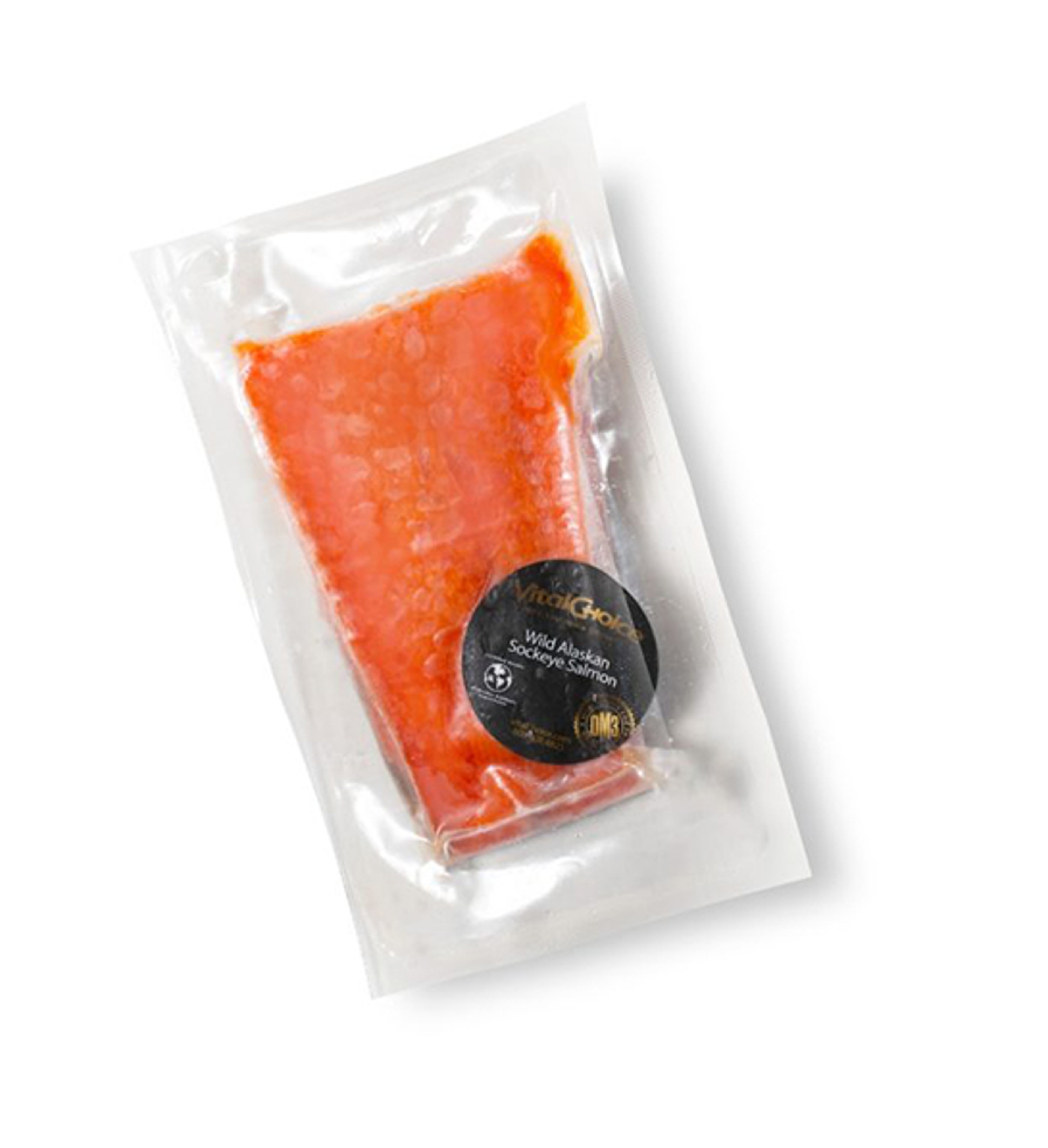
Credit: www.vitalchoice.com
Common Mistakes To Avoid
Freezing fish vacuum sealed is a fantastic way to keep it fresh longer, but certain mistakes can cut that freshness short. Avoiding these common errors can save you from wasted food and disappointing meals. Let’s look at two key mistakes that can affect how long your fish lasts in the freezer.
Improper Sealing
Vacuum sealing only works if the seal is airtight. A weak or incomplete seal lets air sneak in, causing freezer burn and quicker spoilage. Have you ever opened a bag and found ice crystals or a strange smell? That’s often due to poor sealing.
Check your vacuum sealer’s bag placement carefully. Make sure the edges are clean and dry before sealing. If you notice the seal isn’t tight, reseal the bag or use a new one. You might save a whole batch of fish just by paying attention here.
Freezer Temperature Fluctuations
Keeping your freezer at a steady temperature is crucial. Even brief temperature rises can cause ice crystals to melt and refreeze, damaging the texture and taste of your fish. Does your freezer door stay open longer than it should? This can lead to unwanted temperature swings.
Try to keep your freezer temperature at or below 0°F (-18°C). Avoid overcrowding the freezer, which can block air circulation. You’ll notice your fish stays fresher if the environment is consistently cold and stable.
Frequently Asked Questions
How Long Does Vacuum-sealed Fish Last In The Freezer?
Vacuum-sealed fish can last up to 2-3 years in the freezer. Proper sealing prevents freezer burn and maintains freshness. Always check for any off smells or textures before use.
Does Vacuum Sealing Extend Fish Freezer Life?
Yes, vacuum sealing removes air, slowing spoilage and freezer burn. This method significantly extends fish’s freezer life compared to regular storage. It preserves flavor and texture for a longer time.
What Fish Types Freeze Best When Vacuum Sealed?
Fatty fish like salmon and tuna freeze well when vacuum sealed. Lean fish such as cod and haddock also maintain quality. Vacuum sealing protects delicate fish from freezer damage.
Can Frozen Vacuum-sealed Fish Spoil In Freezer?
Vacuum sealing greatly reduces spoilage risk but doesn’t eliminate it. Freezer temperature fluctuations or long storage can cause quality loss. Always inspect fish before thawing and cooking.
Conclusion
Vacuum sealing fish helps keep it fresh longer in the freezer. Properly sealed fish can last up to a year without losing quality. Always check for signs of freezer burn before cooking. Store fish at a consistent freezing temperature for best results.
Label packages with dates to track storage time easily. This way, you avoid wasting food and enjoy fresh taste. Freezing fish correctly saves money and reduces trips to the store. Keep your fish safe and tasty with simple storage steps.